Ava Ramirez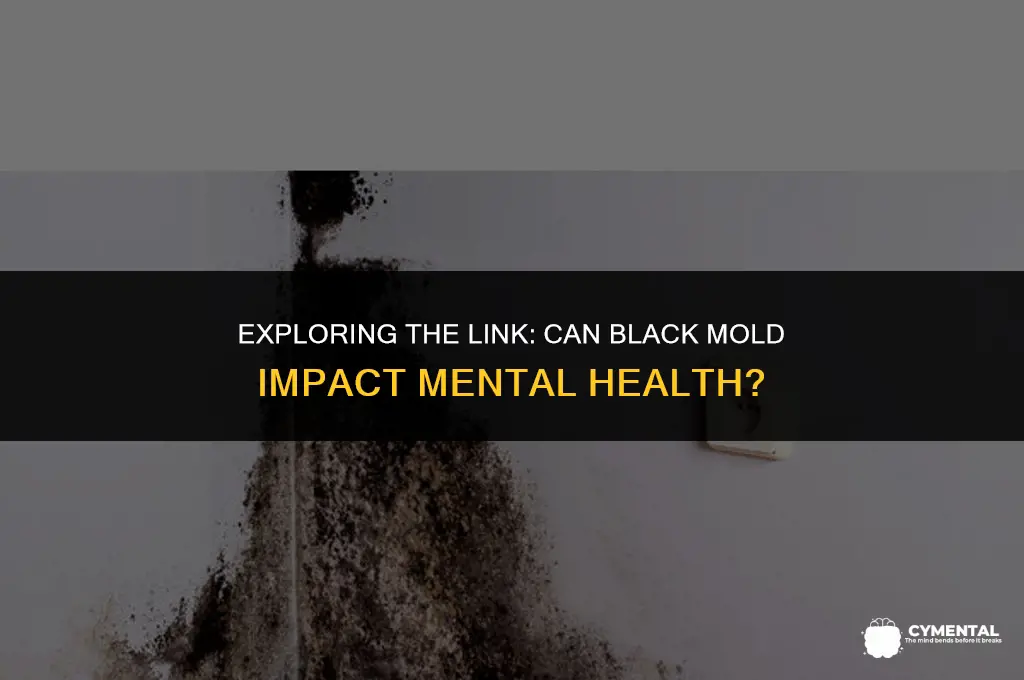
Black mold, a type of fungus that thrives in damp and poorly ventilated environments, has been a subject of concern due to its potential health impacts. While it's well-known that exposure to black mold can cause respiratory issues, allergic reactions, and other physical health problems, there is growing interest in its possible effects on mental health. Research suggests that prolonged exposure to mold toxins may contribute to neurological symptoms and mental health disorders. This connection is thought to be due to the way mold toxins can affect the central nervous system, leading to issues such as anxiety, depression, and cognitive impairment. Understanding the full extent of these effects is crucial for public health, as it highlights the importance of mold remediation and prevention in maintaining both physical and mental well-being.
Explore related products


What You'll Learn
- Mold Exposure Symptoms: Recognizing early signs of mold exposure, including respiratory issues and allergic reactions
- Mental Health Impact: Exploring potential links between mold exposure and mental health problems like anxiety and depression
- Scientific Research: Reviewing studies and evidence regarding the effects of black mold on mental well-being
- Prevention and Remediation: Strategies for preventing mold growth and safely removing it to mitigate health risks
- Case Studies: Real-life examples of individuals affected by black mold and their experiences with mental health issues

Mold Exposure Symptoms: Recognizing early signs of mold exposure, including respiratory issues and allergic reactions
Mold exposure can manifest in a variety of symptoms, some of which are subtle and easily overlooked. One of the most common early signs is respiratory issues, such as persistent coughing, wheezing, or shortness of breath. These symptoms can be particularly concerning for individuals with pre-existing respiratory conditions like asthma or chronic obstructive pulmonary disease (COPD). In addition to respiratory problems, mold exposure can also trigger allergic reactions, including sneezing, itchy eyes, and skin rashes. These reactions are often mistaken for seasonal allergies or other common irritants, making it difficult to pinpoint mold as the source.
It's important to note that the severity of mold exposure symptoms can vary greatly depending on factors such as the type of mold, the duration of exposure, and the individual's overall health. In some cases, symptoms may be mild and resolve on their own once the mold is removed. However, in more severe cases, prolonged exposure to mold can lead to chronic health issues, including mental health problems. Research has shown that mold exposure can contribute to the development of anxiety, depression, and cognitive impairment. These mental health effects are thought to be related to the body's inflammatory response to mold, which can disrupt normal brain function.
If you suspect that you or someone in your household is experiencing mold exposure symptoms, it's crucial to take action quickly. Start by identifying and addressing the source of the mold, which may involve hiring a professional mold remediation service. In the meantime, there are several steps you can take to alleviate symptoms and prevent further health complications. These include improving ventilation in the affected area, using air purifiers to remove mold spores from the air, and wearing protective gear such as gloves and masks when cleaning up mold.
In addition to these practical measures, it's also important to monitor your health closely and seek medical attention if symptoms worsen or persist. Your healthcare provider can help you develop a treatment plan that addresses both the physical and mental health effects of mold exposure. By taking a proactive approach to mold exposure, you can minimize the risk of long-term health problems and improve your overall quality of life.
Unraveling the Complex Link Between Mental Illness and Violence
You may want to see also
Explore related products


Mental Health Impact: Exploring potential links between mold exposure and mental health problems like anxiety and depression
Recent studies have begun to uncover a concerning link between mold exposure and mental health issues. While the physical health risks associated with mold, such as respiratory problems and allergic reactions, are well-documented, the potential psychological impacts have only recently come under scrutiny. Research suggests that prolonged exposure to mold may contribute to the development or exacerbation of mental health conditions like anxiety and depression.
One possible explanation for this link is the role of mycotoxins, toxic compounds produced by certain types of mold, including black mold. These mycotoxins can interfere with the body's natural detoxification processes and disrupt the balance of neurotransmitters in the brain, potentially leading to mood disorders and anxiety. Furthermore, the chronic inflammation caused by mold exposure may also play a role in the development of mental health issues, as inflammation has been linked to depression and other psychiatric conditions.
It is important to note that while the evidence is mounting, the relationship between mold exposure and mental health is still not fully understood. More research is needed to determine the exact mechanisms by which mold may impact mental health and to identify the most vulnerable populations. However, given the potential risks, it is crucial for individuals to take steps to prevent mold exposure in their homes and workplaces.
Some practical tips for reducing mold exposure include improving ventilation, using dehumidifiers, and regularly cleaning and inspecting for mold growth. For those who suspect they may have mold in their environment, it is recommended to consult with a professional mold remediation specialist. By taking proactive measures to prevent mold exposure, individuals can potentially reduce their risk of developing mold-related mental health issues.
In conclusion, while the link between mold exposure and mental health is still being explored, the emerging evidence suggests that it is a significant public health concern. Further research is needed to fully understand the relationship between mold and mental health, but in the meantime, it is essential for individuals to take steps to prevent mold exposure and to seek professional help if they suspect they may have mold in their environment.
Exploring the Link: Can Viruses Trigger Mental Confusion?
You may want to see also
Explore related products


$9.99 $11.99

$37.06 $47


Scientific Research: Reviewing studies and evidence regarding the effects of black mold on mental well-being
Recent studies have shed light on the potential link between black mold exposure and mental health issues. Research indicates that prolonged exposure to black mold can lead to a range of psychological symptoms, including anxiety, depression, and cognitive impairment. One study published in the Journal of Environmental Health Sciences found that individuals living in homes with visible mold growth were more likely to experience symptoms of depression and anxiety compared to those living in mold-free environments.
The mechanisms by which black mold may affect mental health are still under investigation, but several theories have been proposed. One hypothesis is that mold exposure can lead to inflammation in the brain, which in turn can contribute to the development of mental health disorders. Another theory suggests that mold toxins may interfere with neurotransmitter function, disrupting the balance of chemicals in the brain that regulate mood and cognition.
While the evidence linking black mold to mental illness is compelling, it is important to note that correlation does not imply causation. Further research is needed to establish a definitive causal relationship between mold exposure and mental health outcomes. Additionally, individual susceptibility to mold exposure may vary, with some people being more sensitive to its effects than others.
In light of these findings, it is crucial for individuals to take steps to prevent mold growth in their homes and workplaces. This can include regular cleaning and maintenance, ensuring proper ventilation, and addressing any water damage promptly. For those who suspect they may be experiencing health issues related to mold exposure, consulting with a healthcare professional is advised.
Overall, the scientific research on the effects of black mold on mental well-being highlights the importance of maintaining a healthy indoor environment and raises awareness about the potential psychological impacts of mold exposure.
Exploring the Potential Cognitive Effects of Azopt: A Comprehensive Guide
You may want to see also
Explore related products

$27.81 $29.95


Prevention and Remediation: Strategies for preventing mold growth and safely removing it to mitigate health risks
Mold growth in indoor environments is a common issue that can lead to various health problems, including respiratory issues and allergic reactions. Preventing mold growth and safely removing it are crucial steps in maintaining a healthy living space. One effective strategy for preventing mold growth is to control moisture levels in the home. This can be achieved by using dehumidifiers, ensuring proper ventilation, and fixing any leaks or water damage promptly. Regular cleaning and maintenance of areas prone to mold growth, such as bathrooms and kitchens, can also help prevent its development.
When it comes to removing mold, it is essential to do so safely to avoid inhaling mold spores or causing further contamination. For small areas of mold growth, a solution of bleach and water can be effective. However, for larger infestations, it may be necessary to hire a professional mold remediation service. These professionals have the equipment and expertise to safely contain and remove mold, as well as to identify and address the underlying causes of mold growth.
In addition to these strategies, it is important to be aware of the potential health risks associated with mold exposure. Individuals with compromised immune systems, allergies, or respiratory conditions may be more susceptible to the effects of mold. Therefore, taking steps to prevent mold growth and safely remove it can help mitigate these health risks and create a safer living environment.
Overall, preventing mold growth and safely removing it are key strategies in maintaining a healthy home and reducing the risk of mold-related health issues. By controlling moisture levels, regularly cleaning and maintaining prone areas, and seeking professional help when necessary, individuals can effectively manage mold and create a safer living space.
Exploring the Link Between Cannabis Use and Mental Health
You may want to see also
Explore related products


Case Studies: Real-life examples of individuals affected by black mold and their experiences with mental health issues
Sarah, a 35-year-old mother of two, began experiencing symptoms of depression and anxiety after moving into a new home. Unbeknownst to her, the house had a severe black mold infestation in the basement, which was not disclosed by the previous owners. As she spent more time in the house, her symptoms worsened, and she started having panic attacks. It wasn't until she discovered the mold and had it professionally removed that her mental health began to improve.
John, a 42-year-old construction worker, was exposed to black mold while renovating an old building. He initially noticed physical symptoms such as headaches and respiratory issues, but soon began to experience mood swings and irritability. His wife noticed the changes in his behavior and encouraged him to seek medical attention. After being diagnosed with a mold-related illness, John underwent treatment and made a full recovery, both physically and mentally.
These case studies highlight the potential link between black mold exposure and mental health issues. While more research is needed to fully understand the relationship, it is clear that individuals who are exposed to black mold can experience a range of symptoms, including depression, anxiety, and mood swings. It is important for anyone who suspects they may have been exposed to black mold to seek medical attention and have their home or workplace tested for mold.
In addition to the physical symptoms associated with black mold exposure, such as respiratory issues and headaches, mental health symptoms can also be a significant concern. These symptoms can be particularly challenging to diagnose and treat, as they may be mistaken for other mental health conditions. It is important for healthcare professionals to consider the possibility of mold exposure when evaluating patients with mental health symptoms, especially if the patient has a history of exposure to mold or has recently moved into a new home or workplace.
Prevention is key when it comes to black mold exposure. Regularly inspecting homes and workplaces for signs of mold, such as musty odors or visible mold growth, can help to identify and address mold issues before they become severe. Proper ventilation and moisture control can also help to prevent mold growth. By taking these steps, individuals can reduce their risk of exposure to black mold and the associated mental health issues.
The Psychological Impact of Betrayal: Can It Lead to Mental Illness?
You may want to see also
Frequently asked questions
While black mold can produce mycotoxins that may affect the brain, there is no conclusive evidence that it directly causes mental illness. However, exposure to mold can exacerbate existing mental health conditions or contribute to symptoms such as anxiety and depression.
Symptoms of black mold exposure can include respiratory issues like coughing and wheezing, allergic reactions such as sneezing and itchy eyes, and neurological symptoms like headaches and dizziness. In severe cases, it can lead to more serious health problems.
Safe removal of black mold from a home typically involves wearing protective gear such as gloves, goggles, and a respirator, containing the mold to prevent spores from spreading, and using a solution of bleach and water or a commercial mold remover. It's important to address the underlying moisture issue to prevent mold from returning.
Long-term exposure to black mold can lead to chronic respiratory infections, allergic reactions, and potentially more severe health issues such as neurological damage and immunological problems. It's crucial to address mold issues promptly to minimize long-term health risks.
Preventing black mold growth in a home involves maintaining good ventilation, controlling humidity levels, promptly fixing leaks and water damage, and regularly cleaning and inspecting areas prone to mold growth, such as bathrooms and basements. Using mold-resistant paint and materials can also help in prevention.