Lucas Bennett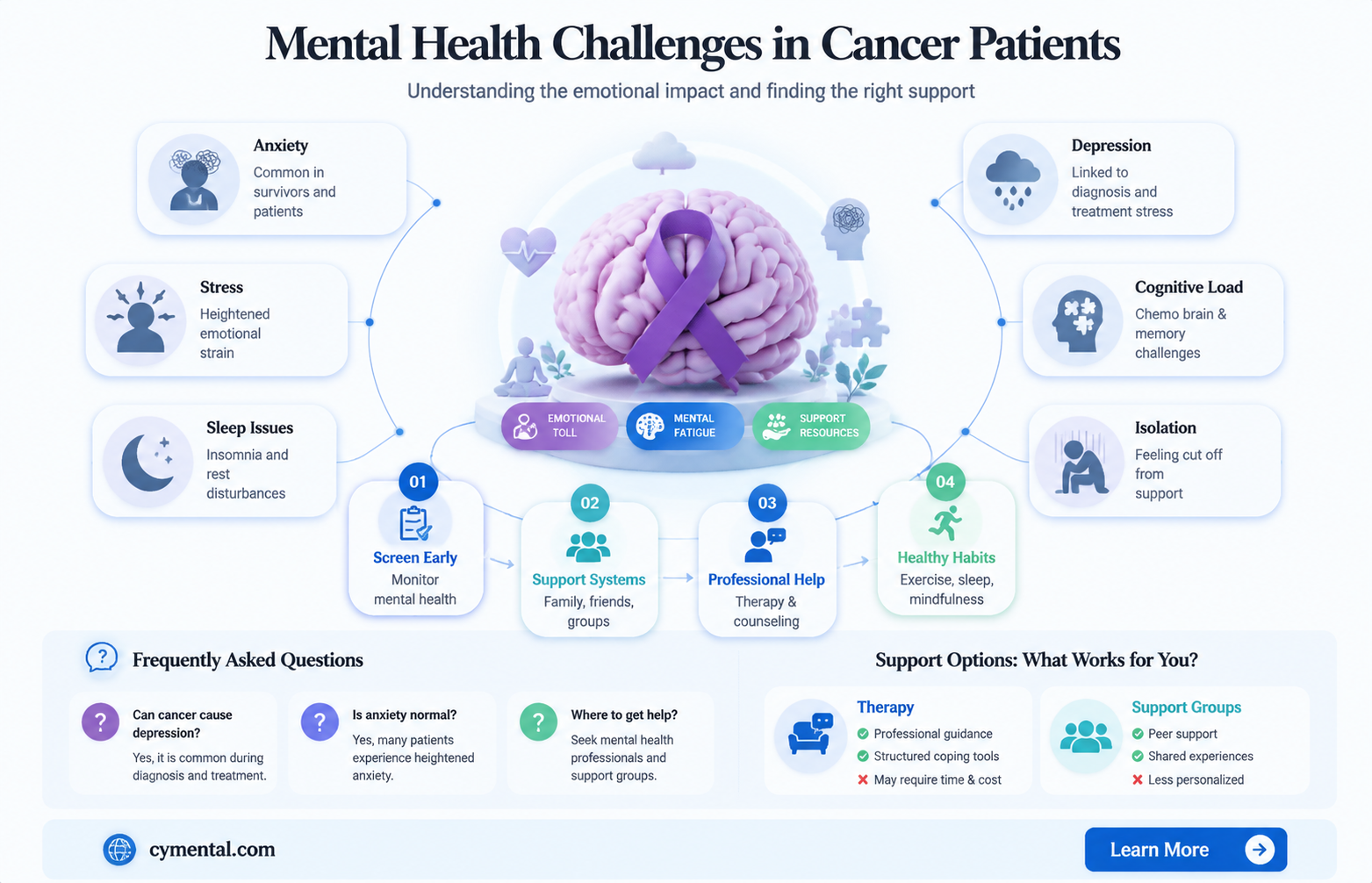
Cancer is a life-altering diagnosis that can have profound effects on a person's mental health. The emotional toll of cancer can be overwhelming, leading to feelings of anxiety, depression, and uncertainty. In addition to the physical symptoms and treatment side effects, cancer patients may experience psychological distress, which can impact their overall well-being and quality of life. This paragraph will explore the various ways in which cancer can affect mental health, including the emotional challenges faced by patients, the psychological impact of treatment, and the importance of addressing mental health concerns in cancer care.
Explore related products

$13.9 $14.95


What You'll Learn
- Anxiety and Depression: Cancer diagnosis often leads to heightened anxiety and depression due to uncertainty about the future
- Stress and Coping Mechanisms: Patients may experience increased stress levels, requiring effective coping strategies to manage emotional turmoil
- Self-Esteem and Body Image: Cancer and its treatments can impact self-esteem and body image, affecting mental well-being
- Social Isolation: Patients might feel socially isolated due to physical limitations or emotional distress, exacerbating mental health issues
- PTSD and Trauma: The cancer journey can be traumatic, potentially leading to post-traumatic stress disorder (PTSD) in some individuals

Anxiety and Depression: Cancer diagnosis often leads to heightened anxiety and depression due to uncertainty about the future
A cancer diagnosis can be a life-altering event, bringing with it a myriad of emotions and psychological challenges. Among these, anxiety and depression are particularly prevalent, often exacerbated by the uncertainty that accompanies such a diagnosis. This uncertainty can stem from various factors, including the unpredictability of treatment outcomes, the potential for recurrence, and the impact of cancer on one's daily life and relationships.
Research indicates that anxiety and depression are common among cancer patients, with studies showing that up to 50% of individuals diagnosed with cancer experience significant psychological distress. This distress can manifest in various ways, including persistent worry, feelings of hopelessness, changes in appetite and sleep patterns, and a decreased ability to concentrate and make decisions.
The psychological impact of cancer can also affect caregivers and loved ones, who may experience their own anxiety and depression as they navigate the challenges of supporting someone with cancer. This can create a ripple effect, where the mental health of the entire support network is compromised.
Addressing anxiety and depression in the context of cancer is crucial for improving overall quality of life. Mental health professionals often recommend a multifaceted approach, which may include psychotherapy, medication, and supportive care services. Additionally, lifestyle interventions such as exercise, mindfulness practices, and social support can play a significant role in mitigating the psychological effects of cancer.
It is important for healthcare providers to recognize the signs of anxiety and depression in cancer patients and to address these issues proactively. By doing so, they can help patients better cope with the emotional challenges of their diagnosis and improve their overall well-being.
The Impact of Procrastination on Mental Health: A Comprehensive Guide
You may want to see also
Explore related products


Stress and Coping Mechanisms: Patients may experience increased stress levels, requiring effective coping strategies to manage emotional turmoil
Cancer patients often face a myriad of stressors, from the physical toll of treatments to the emotional weight of uncertainty about the future. Effective coping mechanisms are crucial in helping patients manage these stress levels and maintain their mental health. One unique angle to explore is the role of mindfulness and meditation in providing emotional respite.
Mindfulness practices, such as meditation and deep breathing exercises, have been shown to reduce stress and anxiety in cancer patients. These techniques encourage individuals to focus on the present moment, letting go of worries about the past or future. By cultivating a sense of inner calm, patients can better navigate the emotional challenges that come with a cancer diagnosis.
Another important coping strategy is the development of a strong support network. Connecting with friends, family, and other cancer survivors can provide a sense of community and understanding that is invaluable during difficult times. Support groups, both in-person and online, offer a platform for patients to share their experiences, ask questions, and receive emotional support from others who are going through similar struggles.
In addition to these psychological coping mechanisms, it's essential to address the physical aspects of stress management. Regular exercise, a balanced diet, and adequate sleep are all critical components of maintaining overall well-being. Engaging in physical activities that one enjoys, such as walking, yoga, or swimming, can help reduce stress levels and improve mood.
Furthermore, patients should not hesitate to seek professional help if needed. Mental health professionals, such as therapists and counselors, can provide specialized support and guidance in developing effective coping strategies. In some cases, medication may also be prescribed to help manage anxiety and depression.
In conclusion, managing stress is a vital component of maintaining mental health for cancer patients. By incorporating mindfulness practices, building a support network, addressing physical well-being, and seeking professional help when necessary, patients can develop effective coping mechanisms to navigate the emotional turmoil that often accompanies a cancer diagnosis.
Navigating Emotional Turbulence: Miscarriage's Impact on Mental Health
You may want to see also
Explore related products


Self-Esteem and Body Image: Cancer and its treatments can impact self-esteem and body image, affecting mental well-being
Cancer and its treatments can significantly impact a person's self-esteem and body image, which are crucial components of mental well-being. The physical changes that occur during cancer treatment, such as hair loss, weight changes, and scarring, can lead to feelings of self-consciousness and a negative body image. These changes can be particularly challenging for individuals who have always taken pride in their appearance or who have struggled with body image issues in the past.
The emotional toll of cancer can also contribute to a decline in self-esteem. Patients may feel a loss of control over their bodies and their lives, leading to feelings of helplessness and worthlessness. The constant medical appointments, tests, and treatments can create a sense of being defined by their illness, rather than by their personal qualities and accomplishments. This can be especially difficult for young adults or adolescents, who are still developing their sense of self and may feel that their cancer diagnosis has derailed their plans and aspirations.
It's important for cancer patients to recognize that their feelings about their body and self-worth are valid and understandable. Seeking support from mental health professionals, support groups, or trusted friends and family can help individuals navigate these complex emotions and develop coping strategies. Some patients may also benefit from therapies such as cognitive-behavioral therapy (CBT) or mindfulness-based interventions, which can help them reframe negative thoughts and cultivate a more positive self-image.
In addition to seeking emotional support, there are practical steps that cancer patients can take to improve their body image and self-esteem. For example, they may choose to wear clothing that makes them feel comfortable and confident, or they may experiment with different hairstyles or accessories to express their personal style. Engaging in activities that bring joy and a sense of accomplishment, such as hobbies or creative pursuits, can also help boost self-esteem and provide a sense of normalcy during a challenging time.
Ultimately, it's crucial for cancer patients to remember that their worth is not defined by their physical appearance or their illness. They are more than their cancer diagnosis, and they deserve to feel valued and respected for who they are as individuals. By seeking support, practicing self-care, and focusing on their personal strengths and interests, patients can work towards rebuilding their self-esteem and developing a more positive body image, even in the face of cancer and its treatments.
Exploring the Link: Hormones in Food and Mental Health Impact
You may want to see also
Explore related products


Social Isolation: Patients might feel socially isolated due to physical limitations or emotional distress, exacerbating mental health issues
Cancer patients often face a myriad of challenges that extend beyond the physical realm, with social isolation being a significant and frequently overlooked issue. This isolation can stem from various factors, including physical limitations imposed by the disease or treatment, emotional distress, and the stigma associated with cancer. As a result, patients may find themselves withdrawing from social interactions, leading to a decline in their mental health.
The physical limitations caused by cancer and its treatments can be particularly debilitating, making it difficult for patients to engage in activities they once enjoyed or even to leave their homes. This can lead to a sense of disconnection from the outside world and a loss of social support networks. Furthermore, the emotional toll of cancer, including fear, anxiety, and depression, can exacerbate feelings of isolation, as patients may struggle to express their emotions or feel understood by others.
The stigma surrounding cancer also plays a significant role in social isolation. Patients may feel ashamed or embarrassed about their condition, leading them to avoid social situations or to hide their illness from friends and family. This can result in a lack of support and understanding, further contributing to feelings of loneliness and isolation.
To address these issues, it is essential to provide cancer patients with access to mental health support and resources. This can include counseling, support groups, and online communities where patients can connect with others who understand their experiences. Additionally, healthcare providers should be trained to recognize the signs of social isolation and to offer appropriate interventions, such as referrals to social services or assistance with transportation to social events.
In conclusion, social isolation is a critical issue that affects many cancer patients, often leading to a decline in mental health. By addressing the physical, emotional, and social factors that contribute to isolation, we can help to improve the quality of life for cancer patients and ensure that they receive the support they need.
The Impact of Fast Food on Mental Health: A Comprehensive Look
You may want to see also
Explore related products


PTSD and Trauma: The cancer journey can be traumatic, potentially leading to post-traumatic stress disorder (PTSD) in some individuals
The cancer journey is often fraught with emotional and psychological challenges, and for some individuals, it can lead to post-traumatic stress disorder (PTSD). This condition can manifest in various ways, including intrusive memories, flashbacks, and heightened anxiety. The traumatic experiences associated with cancer, such as undergoing invasive treatments, receiving a grim prognosis, or facing the loss of a loved one, can trigger PTSD symptoms. It is essential to recognize that PTSD is a legitimate and treatable condition that can affect anyone, including cancer survivors and their caregivers.
Research has shown that cancer patients are at a higher risk of developing PTSD compared to the general population. A study published in the Journal of Clinical Oncology found that 20% of cancer survivors experienced PTSD symptoms, with the highest rates among those who had undergone chemotherapy and radiation therapy. Another study in the Journal of Pain and Symptom Management revealed that caregivers of cancer patients are also at risk, with 18% reporting PTSD symptoms. These findings underscore the importance of addressing the psychological impact of cancer alongside its physical effects.
The symptoms of PTSD can be debilitating and may interfere with a person's ability to cope with the demands of cancer treatment and recovery. Common symptoms include persistent feelings of fear, sadness, or anger, difficulty sleeping, and avoidance of reminders of the traumatic event. In some cases, PTSD can lead to substance abuse, depression, or suicidal thoughts. It is crucial for healthcare providers to screen cancer patients and their caregivers for PTSD symptoms and provide appropriate referrals for mental health support.
Effective treatments for PTSD in the context of cancer include cognitive-behavioral therapy (CBT), eye movement desensitization and reprocessing (EMDR), and medication. CBT helps individuals identify and challenge negative thought patterns, while EMDR is a technique that uses rapid eye movements to process traumatic memories. Medications such as selective serotonin reuptake inhibitors (SSRIs) can also be helpful in managing PTSD symptoms. In addition to these treatments, supportive care services, such as counseling, support groups, and relaxation techniques, can play a vital role in promoting mental health and well-being among cancer patients and their caregivers.
In conclusion, PTSD is a significant concern for cancer patients and their caregivers, and it is essential to address the psychological impact of cancer alongside its physical effects. By recognizing the signs of PTSD and providing appropriate mental health support, healthcare providers can help individuals navigate the cancer journey with greater resilience and hope.
Exploring the Complex Relationship Between Drugs and Mental Health
You may want to see also
Frequently asked questions
Yes, cancer can significantly impact your mental health. The diagnosis, treatment, and uncertainty associated with cancer can lead to a range of emotional and psychological challenges, including anxiety, depression, and stress.
Common mental health challenges faced by cancer patients include anxiety, depression, fear of recurrence, sleep disturbances, and cognitive changes. These challenges can vary in intensity and may require professional support to manage effectively.
Cancer treatments, such as chemotherapy, radiation, and surgery, can have side effects that impact mental health. For example, chemotherapy can cause cognitive changes, known as "chemo brain," which may affect memory, concentration, and mood. Radiation and surgery can also lead to physical changes that may impact self-esteem and body image, contributing to mental health challenges.
Various types of support are available for cancer patients experiencing mental health issues. These include counseling, therapy, support groups, and medication. Oncology social workers, psychologists, and psychiatrists are trained to provide specialized support to cancer patients and their families. Additionally, many cancer centers and hospitals offer integrative medicine programs that incorporate mind-body therapies, such as yoga, meditation, and acupuncture, to help manage mental health challenges.