Noah Parker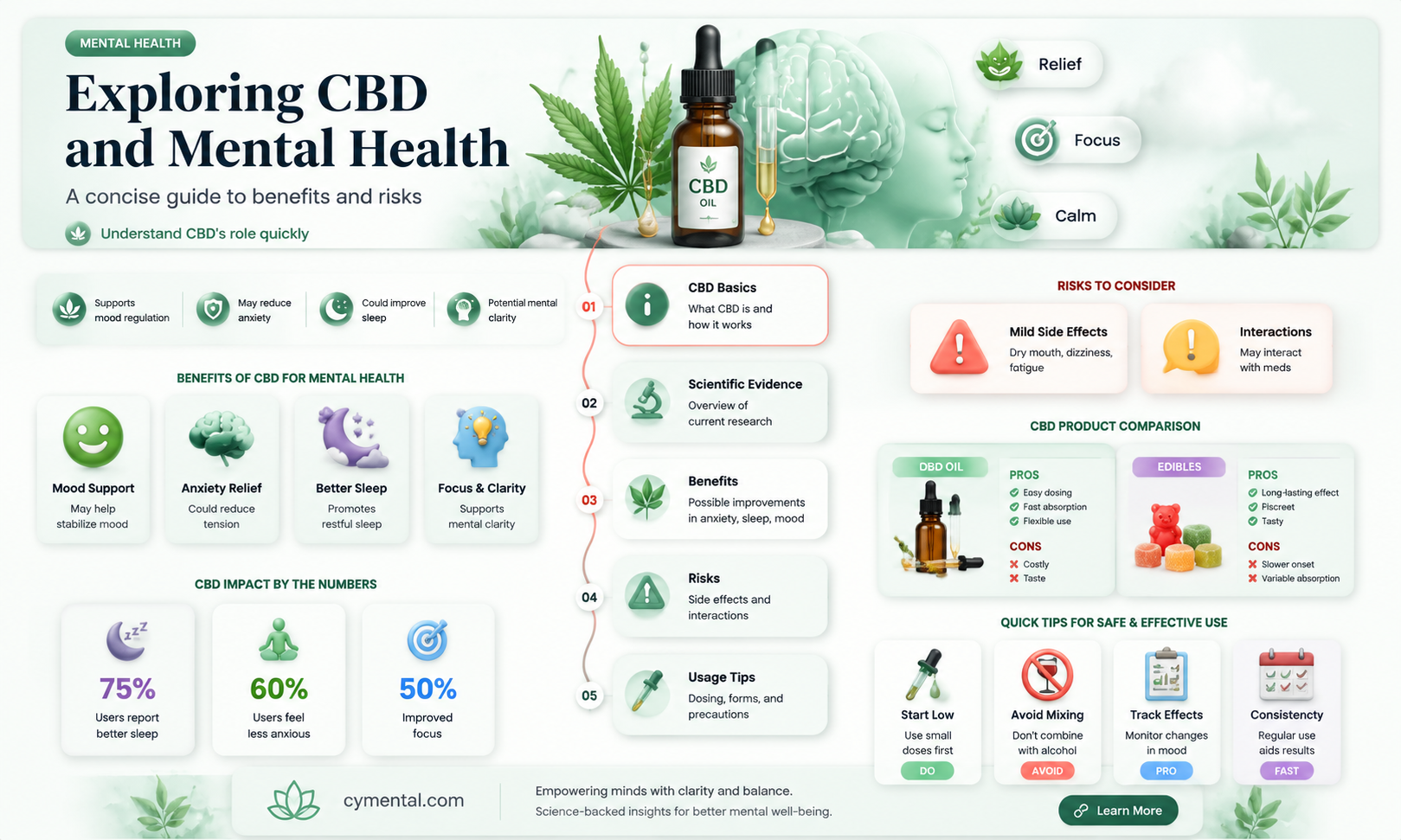
CBD, or cannabidiol, has garnered significant attention in recent years for its potential therapeutic benefits, particularly in the realm of mental health. Derived from the cannabis plant, CBD is a non-psychoactive compound that interacts with the body's endocannabinoid system, which plays a crucial role in regulating various physiological and cognitive processes. Research suggests that CBD may have anxiolytic, antidepressant, and antipsychotic properties, making it a promising candidate for treating a range of mental health disorders. However, while the preliminary findings are encouraging, further studies are needed to fully understand the mechanisms of action and long-term effects of CBD on mental health.
Explore related products





What You'll Learn
- CBD and Anxiety: Exploring the potential of CBD in reducing anxiety symptoms and promoting relaxation
- CBD for Depression: Investigating how CBD may influence mood regulation and alleviate depressive episodes
- CBD and Psychosis: Examining the effects of CBD on psychotic symptoms, including delusions and hallucinations
- CBD for Sleep: Analyzing CBD's role in improving sleep quality and addressing sleep disorders
- CBD and Addiction: Discussing CBD's potential in managing addiction by reducing cravings and withdrawal symptoms

CBD and Anxiety: Exploring the potential of CBD in reducing anxiety symptoms and promoting relaxation
Recent studies have shed light on the potential of CBD in alleviating anxiety symptoms and promoting relaxation. CBD, a non-psychoactive compound found in cannabis, has been shown to interact with the body's endocannabinoid system, which plays a crucial role in regulating mood and stress responses. Unlike THC, CBD does not produce a "high" and is generally considered safe for consumption.
Research suggests that CBD may help reduce anxiety by modulating the activity of serotonin receptors in the brain. Serotonin is a neurotransmitter that influences mood, and low levels have been linked to anxiety and depression. CBD has also been found to increase the production of anandamide, a natural endocannabinoid that promotes feelings of happiness and well-being.
One of the most compelling aspects of CBD's potential for anxiety relief is its versatility. CBD can be consumed in various forms, including oils, tinctures, edibles, and topical creams. This allows individuals to choose a method that best suits their needs and preferences. For example, CBD oil can be taken sublingually for quick absorption, while topical creams can be applied directly to areas of tension or discomfort.
While the initial findings are promising, it is essential to note that more research is needed to fully understand CBD's effects on anxiety. Factors such as dosage, frequency of use, and individual differences in metabolism and genetics can all influence the efficacy of CBD for anxiety relief. Additionally, CBD should not be considered a replacement for traditional anxiety treatments, such as therapy or medication, but rather as a complementary option that may enhance overall well-being.
In conclusion, CBD shows potential as a natural remedy for anxiety, offering a unique approach to promoting relaxation and emotional balance. As research continues to evolve, CBD may become an increasingly valuable tool in the management of anxiety disorders, providing individuals with a safe and effective alternative to conventional treatments.
Exploring the Gut-Brain Connection: Nutrition's Impact on Mental Health
You may want to see also
Explore related products


CBD for Depression: Investigating how CBD may influence mood regulation and alleviate depressive episodes
Recent studies have sparked interest in the potential of CBD to alleviate symptoms of depression. Unlike THC, CBD does not produce psychoactive effects, making it an appealing option for those seeking relief without the 'high'. Research suggests that CBD may influence mood regulation by interacting with the body's endocannabinoid system, which plays a crucial role in maintaining emotional balance.
One study published in the Journal of Clinical Psychopharmacology found that CBD significantly reduced symptoms of depression in patients with bipolar disorder. Another study in the Journal of Affective Disorders reported that CBD improved mood and reduced anxiety in individuals with social anxiety disorder. While these findings are promising, it's essential to note that more research is needed to fully understand the effects of CBD on depression.
CBD is believed to work by enhancing the activity of serotonin receptors in the brain, which are known to play a role in mood regulation. Additionally, CBD may reduce inflammation, which has been linked to depression. The compound's potential to improve sleep quality could also contribute to its antidepressant effects, as sleep disturbances are common in individuals with depression.
When considering CBD for depression, it's crucial to consult with a healthcare professional to determine the appropriate dosage and method of administration. CBD can be taken in various forms, including oils, capsules, and topical creams. The dosage may vary depending on the individual's weight, metabolism, and the severity of their symptoms.
While CBD shows promise as a potential treatment for depression, it's important to approach its use with caution. More research is needed to fully understand its effects, potential side effects, and interactions with other medications. However, for those struggling with depression, CBD may offer a new avenue for relief when used under the guidance of a healthcare professional.
Unveiling the Crucial Link: Sleep's Impact on Mental Health
You may want to see also
Explore related products


$12.55 $16.95


$11.47 $14.99

CBD and Psychosis: Examining the effects of CBD on psychotic symptoms, including delusions and hallucinations
Recent studies have sparked interest in the potential therapeutic effects of cannabidiol (CBD) on mental health, particularly its impact on psychotic symptoms. Psychosis is a serious mental health condition characterized by a disconnection from reality, often manifesting as delusions and hallucinations. Traditional treatments for psychosis typically involve antipsychotic medications, which can have significant side effects. This has led researchers to explore alternative treatments, such as CBD, which is known for its potential antipsychotic properties.
One of the key areas of investigation is CBD's ability to alleviate symptoms of psychosis without the adverse effects associated with conventional antipsychotics. Studies have shown that CBD may help reduce the severity of delusions and hallucinations in individuals with psychosis. For instance, a 2018 study published in the American Journal of Psychiatry found that CBD significantly reduced psychotic symptoms in patients with schizophrenia, a condition closely related to psychosis. The study's findings suggest that CBD could be a promising adjunctive treatment for managing psychotic symptoms.
Furthermore, CBD's potential antipsychotic effects are believed to be linked to its interaction with the endocannabinoid system (ECS), which plays a crucial role in regulating various physiological and cognitive processes. CBD is thought to modulate the ECS by inhibiting the breakdown of anandamide, a neurotransmitter that has been implicated in the regulation of mood and perception. By enhancing anandamide levels, CBD may help restore balance to the ECS, potentially leading to a reduction in psychotic symptoms.
While the initial findings are promising, it is essential to note that more research is needed to fully understand the effects of CBD on psychosis. Many of the studies conducted thus far have been small-scale or preliminary, and further investigation is required to determine the optimal dosage, delivery method, and long-term effects of CBD treatment. Additionally, it is crucial to consider the potential risks and side effects associated with CBD use, such as drug interactions and changes in liver function.
In conclusion, the exploration of CBD's effects on psychotic symptoms represents a significant area of research within the field of mental health. While the available evidence suggests that CBD may offer therapeutic benefits for individuals with psychosis, further studies are necessary to confirm these findings and establish CBD as a safe and effective treatment option. As research continues to evolve, it is essential for healthcare professionals and individuals with mental health conditions to stay informed about the latest developments in CBD therapy.
Navigating Work Challenges: Mental Health Matters
You may want to see also
Explore related products


CBD for Sleep: Analyzing CBD's role in improving sleep quality and addressing sleep disorders
Research indicates that CBD may play a significant role in improving sleep quality. A study published in the Journal of Clinical Psychopharmacology found that CBD significantly reduced anxiety and improved sleep in patients with anxiety disorders. Another study in the Permanente Journal suggests that CBD can help reduce symptoms of insomnia and improve overall sleep quality.
CBD's potential benefits for sleep are thought to be linked to its ability to interact with the body's endocannabinoid system, which regulates various physiological processes, including sleep. By modulating the activity of certain receptors in the brain, CBD may help to reduce stress and anxiety, making it easier to fall asleep and stay asleep.
While more research is needed to fully understand CBD's effects on sleep, the available evidence suggests that it may be a promising natural remedy for those struggling with sleep disorders. However, it's important to note that CBD can interact with certain medications, so it's crucial to consult with a healthcare professional before using CBD for sleep.
In terms of dosage, the optimal amount of CBD for sleep may vary depending on the individual. Some studies have used doses as low as 25 mg, while others have used higher doses of up to 1,500 mg. It's generally recommended to start with a low dose and gradually increase as needed.
When choosing a CBD product for sleep, it's important to select a high-quality product from a reputable brand. Look for products that have been third-party tested for purity and potency, and avoid products that contain excessive amounts of THC, as this can interfere with sleep.
Overall, while CBD shows promise as a natural remedy for sleep disorders, it's essential to approach its use with caution and consult with a healthcare professional to ensure safe and effective use.
Exploring the Mental Impact of Brief Steroid Use
You may want to see also
Explore related products


CBD and Addiction: Discussing CBD's potential in managing addiction by reducing cravings and withdrawal symptoms
Recent studies have shown that CBD may have a significant impact on addiction management. CBD, a non-psychoactive compound found in cannabis, has been found to reduce cravings and withdrawal symptoms in individuals struggling with addiction. This is particularly promising given the current opioid epidemic and the need for effective, non-addictive treatments for addiction.
One study published in the American Journal of Psychiatry found that CBD reduced cravings and anxiety in individuals with heroin addiction. Another study published in the journal Neuropsychopharmacology found that CBD reduced withdrawal symptoms in individuals with alcohol addiction. These studies suggest that CBD may be a valuable tool in the treatment of addiction, offering a potential alternative to traditional medications that often come with their own set of side effects and risks.
CBD is believed to work by interacting with the body's endocannabinoid system, which plays a role in regulating mood, appetite, and sleep. By modulating the activity of this system, CBD may help to reduce the intensity of cravings and withdrawal symptoms, making it easier for individuals to overcome their addiction.
While more research is needed to fully understand the potential of CBD in addiction management, the early results are promising. CBD offers a non-addictive, non-psychoactive alternative to traditional treatments, and may provide a valuable tool in the fight against addiction. As with any treatment, it is important to consult with a healthcare professional before using CBD, particularly if you are currently taking other medications or have a history of substance abuse.
The Interconnection of Body and Mind: Exploring Physical Health's Impact on Mental Well-being
You may want to see also
Frequently asked questions
Yes, CBD (cannabidiol) has been studied for its potential effects on mental health. Research suggests that CBD may have therapeutic benefits for conditions such as anxiety, depression, and PTSD. It interacts with the endocannabinoid system in the body, which plays a role in regulating mood and emotional responses.
CBD works by interacting with cannabinoid receptors in the brain, particularly the CB1 and CB2 receptors. It may help to reduce anxiety by altering the way the brain responds to stress and promoting relaxation. CBD also has anti-inflammatory properties, which could contribute to its potential benefits for mental health.
While CBD is generally considered safe, it can cause side effects such as drowsiness, dry mouth, and changes in appetite. It may also interact with certain medications, so it's important to consult with a healthcare professional before using CBD, especially if you are taking other treatments for mental health conditions.