Ava Ramirez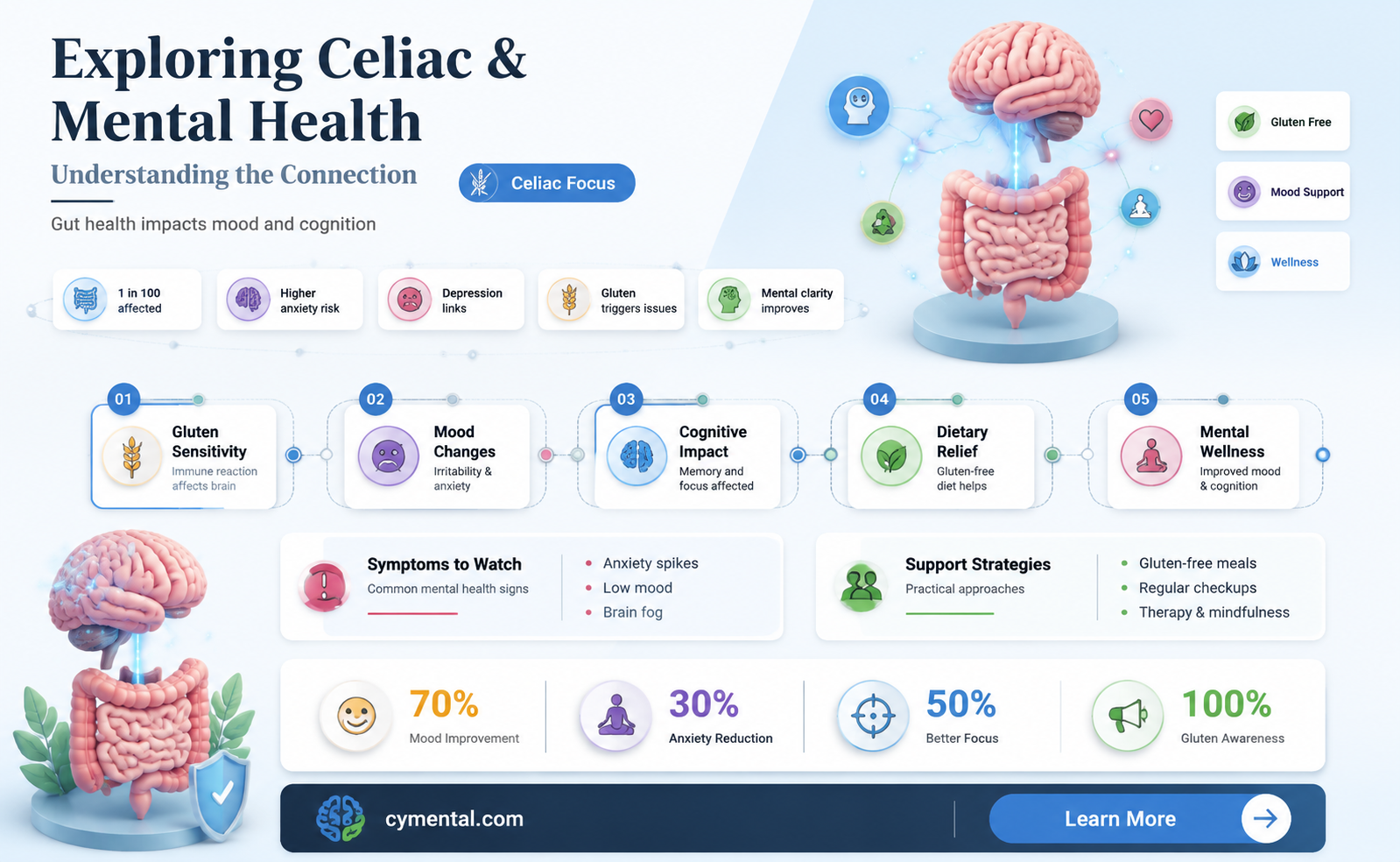
Celiac disease, an autoimmune disorder triggered by gluten consumption, primarily affects the small intestine. However, research suggests that it may also have implications for mental health. Individuals with celiac disease often report experiencing anxiety, depression, and other mental health issues. While the exact relationship between celiac disease and mental health is still under investigation, some studies propose that the chronic inflammation and nutrient deficiencies associated with the condition may contribute to these symptoms. Additionally, the dietary restrictions and lifestyle changes required to manage celiac disease can lead to feelings of isolation and stress, further impacting mental well-being.
| Characteristics | Values |
|---|---|
| Condition | Celiac disease |
| Effect | Can affect mental health |
| Symptoms | Anxiety, depression, mood swings, irritability, fatigue |
| Mechanism | Immune reaction to gluten triggers inflammation in the brain |
| Prevalence | Higher rates in celiac patients compared to general population |
| Impact | Reduced quality of life, increased risk of psychiatric disorders |
| Management | Gluten-free diet, psychological support, medication if necessary |
| Research | Ongoing studies to understand the gut-brain connection in celiac disease |
| Awareness | Important for healthcare providers to recognize mental health symptoms in celiac patients |
| Support | Patient advocacy groups, online resources, counseling services |
Explore related products


What You'll Learn
- Anxiety and Depression: Celiac disease may increase the risk of anxiety disorders and depression due to dietary restrictions and health concerns
- Brain Fog and Fatigue: Individuals with celiac disease often report experiencing brain fog and fatigue, which can impact cognitive function and overall mental well-being
- Nutritional Deficiencies: Malabsorption of nutrients in celiac disease can lead to deficiencies in vitamins and minerals essential for brain health, such as vitamin B12 and iron
- Social Isolation: The dietary restrictions associated with celiac disease may lead to social isolation, as individuals may feel excluded from social events involving food
- Stress and Coping Mechanisms: Living with celiac disease requires constant vigilance and can be stressful, necessitating the development of effective coping mechanisms to maintain mental health

Anxiety and Depression: Celiac disease may increase the risk of anxiety disorders and depression due to dietary restrictions and health concerns
Individuals with celiac disease often face a myriad of dietary restrictions and health concerns that can significantly impact their mental well-being. The constant vigilance required to avoid gluten, a protein found in many common foods, can lead to feelings of anxiety and stress. Moreover, the physical symptoms associated with celiac disease, such as abdominal pain and fatigue, can contribute to a decreased quality of life, further exacerbating mental health issues.
Research has shown that people with celiac disease are at a higher risk of developing anxiety disorders and depression compared to the general population. This increased risk may be attributed to the chronic nature of the condition, which requires lifelong management and can lead to feelings of isolation and frustration. Additionally, the dietary changes necessary to manage celiac disease can result in nutrient deficiencies, which may also play a role in the development of mental health disorders.
It is essential for individuals with celiac disease to be aware of the potential mental health implications of their condition and to seek support when needed. Healthcare providers should also consider the psychological impact of celiac disease when developing treatment plans, offering resources such as counseling and support groups to help patients cope with the emotional challenges associated with the condition.
In conclusion, the link between celiac disease and mental health is complex and multifaceted. By understanding the unique challenges faced by individuals with celiac disease, we can better address their mental health needs and improve their overall quality of life.
Unveiling the Hidden Impact: Mold Exposure and Mental Health
You may want to see also
Explore related products


Brain Fog and Fatigue: Individuals with celiac disease often report experiencing brain fog and fatigue, which can impact cognitive function and overall mental well-being
Individuals with celiac disease often report experiencing brain fog and fatigue, which can significantly impact cognitive function and overall mental well-being. Brain fog, characterized by difficulty concentrating, memory lapses, and a general sense of mental sluggishness, can make everyday tasks feel overwhelming. Fatigue, on the other hand, can manifest as physical exhaustion, lack of energy, and a persistent feeling of being unrefreshed, even after adequate rest.
Research suggests that these symptoms may be linked to the body's immune response to gluten, which can lead to inflammation and damage in the brain. Additionally, nutrient deficiencies, particularly in vitamins B12 and D, iron, and folate, are common in individuals with celiac disease and can contribute to cognitive impairment and fatigue. Addressing these deficiencies through dietary changes or supplementation can help alleviate symptoms.
Moreover, the psychological impact of living with a chronic condition like celiac disease should not be underestimated. The constant need to monitor diet and avoid gluten can lead to feelings of anxiety, depression, and social isolation, which can exacerbate brain fog and fatigue. Cognitive-behavioral therapy and other forms of psychological support can be beneficial in managing these mental health challenges.
In conclusion, brain fog and fatigue are significant concerns for individuals with celiac disease, affecting not only their cognitive abilities but also their overall quality of life. By addressing nutrient deficiencies, managing psychological stress, and seeking appropriate medical and psychological support, individuals with celiac disease can take steps to mitigate these symptoms and improve their mental well-being.
Unseen Scars: The Profound Impact of Mental Abuse on Individuals
You may want to see also
Explore related products


Nutritional Deficiencies: Malabsorption of nutrients in celiac disease can lead to deficiencies in vitamins and minerals essential for brain health, such as vitamin B12 and iron
Celiac disease, an autoimmune disorder triggered by gluten consumption, primarily affects the small intestine. However, its impact can extend far beyond the digestive system, influencing various aspects of health, including mental well-being. One critical factor in this relationship is the malabsorption of nutrients, which can lead to deficiencies in vitamins and minerals essential for brain health.
Among the nutrients most commonly affected by malabsorption in celiac disease are vitamin B12 and iron. Vitamin B12 plays a crucial role in the production of red blood cells and the maintenance of nerve cells, including those in the brain. A deficiency in this vitamin can result in neurological symptoms such as numbness, tingling, and cognitive impairment. Iron, on the other hand, is vital for the production of hemoglobin, which transports oxygen to the brain and other tissues. Iron deficiency can lead to anemia, characterized by fatigue, weakness, and difficulty concentrating.
The brain's high demand for these nutrients makes their deficiencies particularly problematic. In individuals with celiac disease, the chronic inflammation and damage to the intestinal lining can impair the absorption of these essential nutrients, leading to their deficiencies. This, in turn, can exacerbate mental health issues such as depression, anxiety, and cognitive decline.
Addressing these nutritional deficiencies is a key component in managing the mental health aspects of celiac disease. Individuals with celiac disease should work closely with healthcare providers to monitor their nutrient levels and ensure they are receiving adequate supplementation. In some cases, intravenous infusions may be necessary to bypass the damaged intestinal lining and deliver the required nutrients directly into the bloodstream.
In conclusion, the malabsorption of nutrients in celiac disease can have far-reaching consequences, impacting not only physical health but also mental well-being. By understanding the role of nutrients like vitamin B12 and iron in brain health and taking proactive steps to address their deficiencies, individuals with celiac disease can better manage their condition and improve their overall quality of life.
Exploring the Connection: Bad Weather's Impact on Mental Health
You may want to see also
Explore related products

$17.49 $21.99


Social Isolation: The dietary restrictions associated with celiac disease may lead to social isolation, as individuals may feel excluded from social events involving food
Individuals with celiac disease often face significant dietary restrictions that can inadvertently lead to social isolation. This isolation stems from the inability to partake in social events centered around food, which are common in many cultures. For instance, a person with celiac disease might avoid attending dinner parties, family gatherings, or workplace luncheons due to the risk of gluten exposure. Over time, this avoidance can result in feelings of exclusion and loneliness, impacting their mental health.
The dietary limitations imposed by celiac disease can also affect an individual's sense of identity and belonging. Social gatherings often involve sharing meals, which serve as a bonding experience. When someone cannot participate in these communal activities, they may feel disconnected from their social circle. This sense of disconnection can be particularly challenging for young adults and adolescents, who are already navigating complex social dynamics.
Moreover, the constant vigilance required to maintain a gluten-free diet can contribute to anxiety and stress. Individuals with celiac disease must be cautious about cross-contamination and the ingredients in various food products. This heightened awareness can make social situations involving food feel daunting, further exacerbating feelings of isolation.
To mitigate these effects, it is essential for individuals with celiac disease to find alternative ways to connect with others. This might involve joining support groups, participating in online forums, or engaging in activities that do not revolve around food. Additionally, educating friends and family about celiac disease and the importance of maintaining a gluten-free diet can help create a more inclusive environment.
In conclusion, the dietary restrictions associated with celiac disease can lead to social isolation, which in turn can negatively impact mental health. By seeking support, educating others, and finding alternative ways to connect, individuals with celiac disease can work to overcome these challenges and maintain strong social relationships.
Exploring the Link: Hormones in Food and Mental Health Impact
You may want to see also
Explore related products




Stress and Coping Mechanisms: Living with celiac disease requires constant vigilance and can be stressful, necessitating the development of effective coping mechanisms to maintain mental health
Living with celiac disease can be a constant source of stress due to the need for continuous vigilance in monitoring one's diet and environment. This chronic condition, which affects the digestive system, can lead to a range of physical symptoms, but it also has a significant impact on mental health. The stress of managing celiac disease can manifest in various ways, including anxiety, depression, and feelings of isolation. It is crucial for individuals with celiac disease to develop effective coping mechanisms to mitigate these mental health challenges and improve their overall quality of life.
One effective coping mechanism is education. Understanding the intricacies of celiac disease, including the foods to avoid and the potential cross-contamination risks, can empower individuals to take control of their health. This knowledge can reduce anxiety related to accidental gluten exposure and help individuals feel more confident in their ability to manage their condition. Additionally, connecting with others who have celiac disease through support groups or online forums can provide a sense of community and reduce feelings of isolation.
Another important coping strategy is stress management. Techniques such as mindfulness meditation, deep breathing exercises, and yoga can help individuals with celiac disease manage the stress associated with their condition. Regular physical activity can also be beneficial, as it not only helps to reduce stress but also contributes to overall physical health. Furthermore, maintaining a balanced diet that is rich in nutrients and free from gluten can support both physical and mental well-being.
In some cases, professional mental health support may be necessary. A therapist or counselor can provide guidance on managing stress, anxiety, and depression related to celiac disease. Cognitive-behavioral therapy (CBT) is a particularly effective approach, as it helps individuals identify and change negative thought patterns that can contribute to mental health issues. Medication may also be prescribed in cases where symptoms of anxiety or depression are severe.
In conclusion, living with celiac disease can be stressful, but there are several coping mechanisms that can help individuals maintain their mental health. Education, stress management techniques, physical activity, a balanced diet, and professional mental health support are all valuable tools in managing the mental health challenges associated with celiac disease. By developing these coping strategies, individuals with celiac disease can improve their overall quality of life and better navigate the complexities of their condition.
The Unseen Struggle: How Mental Health Affects Us All
You may want to see also
Frequently asked questions
Yes, celiac disease can impact mental health. Research has shown that individuals with celiac disease may experience higher rates of anxiety, depression, and other mental health issues compared to the general population.
Common mental health symptoms associated with celiac disease include anxiety, depression, mood swings, irritability, and in some cases, cognitive impairment or "brain fog."
The exact reason why celiac disease may lead to mental health issues is not fully understood, but it is believed that the chronic inflammation and immune response triggered by gluten ingestion could play a role in affecting brain function and mood.
There isn't a specific test to diagnose celiac disease based solely on mental health symptoms. However, if mental health issues are accompanied by gastrointestinal symptoms or a family history of celiac disease, a healthcare provider may recommend blood tests and a biopsy to confirm the diagnosis.
Yes, managing celiac disease through a strict gluten-free diet can help improve mental health symptoms. Many individuals with celiac disease report a reduction in anxiety, depression, and other mental health issues after adopting a gluten-free diet.