Madison Cole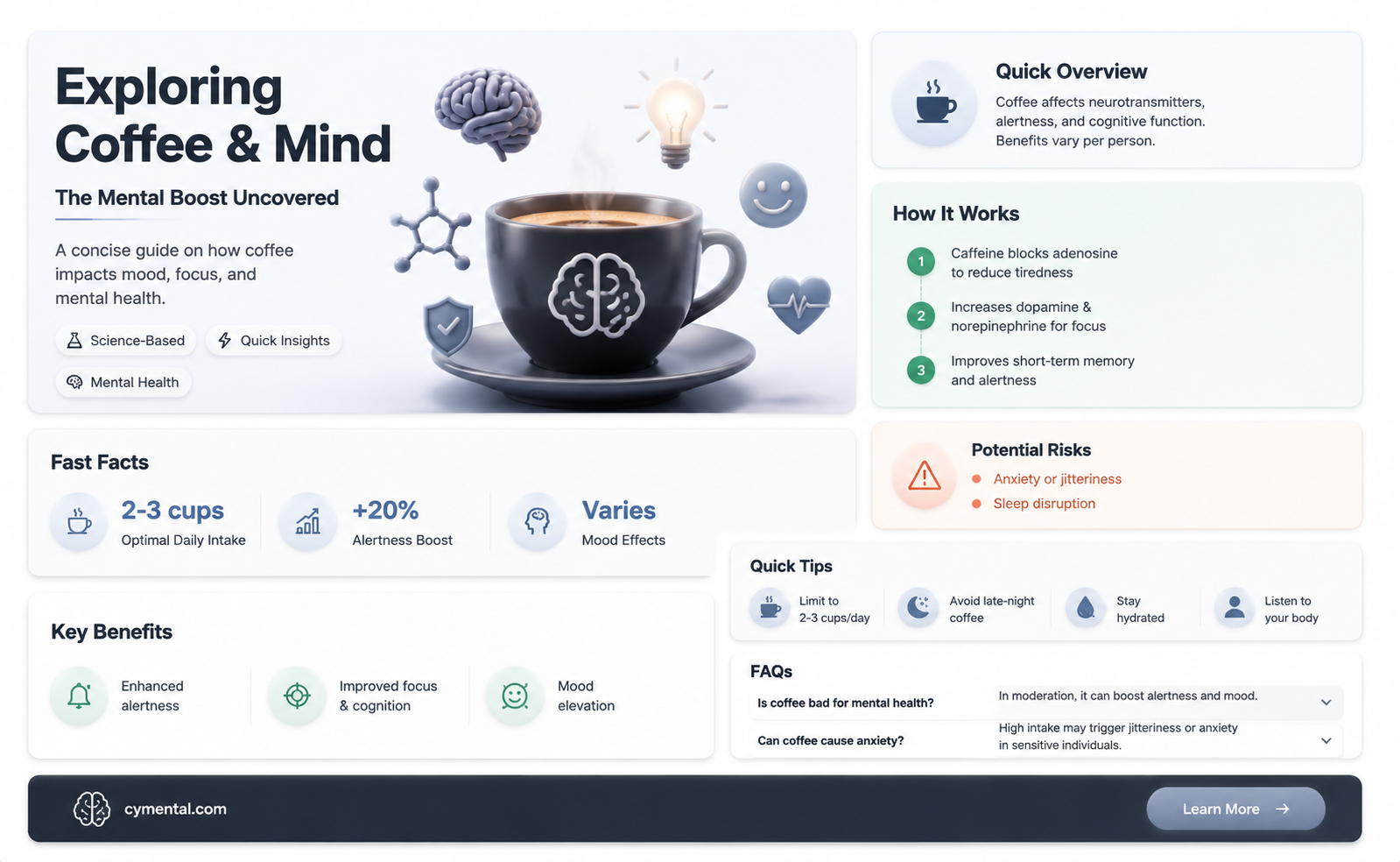
Coffee, a widely consumed beverage, contains caffeine, a stimulant known to affect the central nervous system. While moderate coffee consumption is generally considered safe, excessive intake has been linked to various mental health effects, including increased anxiety, insomnia, and restlessness. Research suggests that caffeine can exacerbate symptoms in individuals with pre-existing mental health conditions, such as schizophrenia and bipolar disorder. However, some studies also indicate potential benefits, such as improved cognitive function and a possible reduction in the risk of depression. Understanding the complex relationship between coffee consumption and mental health is crucial for making informed decisions about dietary habits and overall well-being.
| Characteristics | Values |
|---|---|
| Caffeine Content | Varies by type and preparation method, typically 40-300 mg per serving |
| Mental Health Impact | Can improve alertness and mood, but may also cause anxiety, jitteriness, and sleep disturbances |
| Individual Sensitivity | Varies greatly; some people are more sensitive to caffeine's effects on mental health |
| Consumption Frequency | Daily consumption is common, but excessive intake can lead to negative mental health effects |
| Interaction with Medications | Can interact with certain medications, such as antidepressants and anxiety medications |
| Withdrawal Symptoms | Can cause withdrawal symptoms like headaches, fatigue, and irritability when consumption is stopped abruptly |
| Neurotransmitter Influence | Affects neurotransmitters like dopamine and serotonin, which play roles in mood regulation |
| Sleep Quality | Can disrupt sleep patterns, leading to insomnia or poor sleep quality |
| Anxiety Disorders | May exacerbate symptoms of anxiety disorders in susceptible individuals |
| Depressive Disorders | Some studies suggest a potential link between high caffeine intake and increased risk of depression |
| Cognitive Function | Can enhance cognitive function in the short term, but excessive intake may impair concentration and memory |
| Addiction Potential | Caffeine has a mild addiction potential, with some individuals experiencing dependence |
| Overall Mental Health | Moderate caffeine consumption is generally considered safe, but individual tolerance and health status should be considered |
Explore related products


What You'll Learn
- Caffeine and Anxiety: Explore how caffeine intake can influence anxiety levels and overall mental well-being
- Sleep Disturbances: Discuss the impact of coffee consumption on sleep quality and its potential to cause insomnia
- Mood Swings: Investigate the relationship between coffee intake and mood fluctuations, including irritability and depression
- Cognitive Performance: Examine how coffee affects cognitive functions such as memory, concentration, and reaction time
- Addiction and Withdrawal: Analyze the potential for coffee addiction and the symptoms associated with withdrawal

Caffeine and Anxiety: Explore how caffeine intake can influence anxiety levels and overall mental well-being
Caffeine, a common stimulant found in coffee, tea, and various energy drinks, has a complex relationship with anxiety. While it can provide a temporary boost in alertness and mood, excessive caffeine intake has been linked to increased anxiety levels and other mental health concerns. Understanding this relationship is crucial for individuals looking to manage their anxiety and maintain overall mental well-being.
Research suggests that caffeine can exacerbate anxiety symptoms by stimulating the central nervous system and increasing the production of stress hormones like cortisol. This can lead to feelings of restlessness, irritability, and heightened worry. For those already prone to anxiety, caffeine may intensify these symptoms, making it more challenging to cope with daily stressors.
Moreover, the timing and amount of caffeine consumed can significantly impact its effects on anxiety. Consuming large amounts of caffeine in a short period can lead to a rapid spike in anxiety levels, while smaller, more frequent doses may have a more gradual impact. Additionally, individual tolerance to caffeine varies, with some people experiencing anxiety symptoms even at low doses.
To mitigate the potential negative effects of caffeine on anxiety, it is essential to monitor and moderate intake. This may involve reducing the overall amount of caffeine consumed, avoiding caffeine close to bedtime, and spreading out caffeine intake throughout the day. For those with severe anxiety, it may be beneficial to consult with a healthcare professional to determine the appropriate level of caffeine intake or to explore alternative coping strategies.
In conclusion, while caffeine can have some positive effects on mood and alertness, its potential to exacerbate anxiety symptoms should not be overlooked. By understanding the relationship between caffeine and anxiety and taking steps to moderate intake, individuals can better manage their mental health and well-being.
The Impact of Cell Phones on Mental Health: A Comprehensive Guide
You may want to see also
Explore related products


Sleep Disturbances: Discuss the impact of coffee consumption on sleep quality and its potential to cause insomnia
Coffee consumption has a significant impact on sleep quality, primarily due to its caffeine content. Caffeine is a stimulant that can disrupt the natural sleep cycle by blocking the action of adenosine, a neurotransmitter that promotes sleep. This interference can lead to difficulty falling asleep, staying asleep, and achieving deep, restorative sleep. Over time, chronic sleep disturbances caused by regular coffee consumption can contribute to the development of insomnia, a condition characterized by persistent difficulty with sleep initiation, maintenance, or quality.
The effects of coffee on sleep can vary depending on individual factors such as age, health status, and caffeine sensitivity. Some people may be more susceptible to sleep disturbances from coffee consumption than others. Additionally, the timing of coffee intake plays a crucial role in its impact on sleep. Consuming coffee close to bedtime can significantly impair sleep quality, as caffeine can take several hours to metabolize fully. Therefore, it is generally recommended to limit coffee intake in the late afternoon and evening to minimize its disruptive effects on sleep.
Moreover, the potential for coffee to cause insomnia is a concern, especially for those who already struggle with sleep issues. Insomnia can have a detrimental impact on mental health, leading to symptoms such as fatigue, irritability, anxiety, and depression. In severe cases, chronic insomnia can affect cognitive function, impairing memory, concentration, and decision-making abilities. Thus, it is essential for individuals who experience sleep disturbances from coffee consumption to address this issue proactively.
To mitigate the negative effects of coffee on sleep, several strategies can be employed. One approach is to gradually reduce coffee intake, allowing the body to adjust to lower levels of caffeine. Another strategy is to switch to decaffeinated coffee or alternative beverages that do not contain caffeine. Additionally, establishing a consistent sleep schedule, creating a relaxing bedtime routine, and maintaining a sleep-conducive environment can help improve sleep quality and reduce the likelihood of insomnia.
In conclusion, while coffee can have various health benefits, its impact on sleep quality and potential to cause insomnia should not be overlooked. By understanding the relationship between coffee consumption and sleep disturbances, individuals can take steps to ensure that their coffee intake does not negatively affect their sleep and overall mental health.
The Unseen Impact: How Injuries Shape Athletes' Mental Health
You may want to see also
Explore related products




Mood Swings: Investigate the relationship between coffee intake and mood fluctuations, including irritability and depression
Coffee consumption has been linked to various mental health effects, and mood swings are a significant area of interest. Research suggests that excessive coffee intake can lead to increased irritability, anxiety, and even depression in some individuals. The stimulant effects of caffeine can cause rapid mood shifts, particularly in those who are sensitive to its effects or who consume large amounts.
One study found that individuals who consumed more than 400 mg of caffeine per day were more likely to experience mood swings, including irritability and depression. This is likely due to the fact that high caffeine intake can disrupt sleep patterns, leading to fatigue and irritability. Additionally, caffeine can affect the levels of certain neurotransmitters in the brain, such as serotonin and dopamine, which play a crucial role in regulating mood.
It is important to note that the relationship between coffee intake and mood fluctuations is not linear. While some individuals may experience negative effects with high caffeine consumption, others may find that moderate intake actually improves their mood and cognitive function. This suggests that there may be individual differences in how people metabolize caffeine and respond to its effects.
For those who experience mood swings related to coffee consumption, it may be helpful to monitor intake and adjust accordingly. Keeping a mood journal can be a useful tool in identifying patterns and triggers. Additionally, incorporating other mood-regulating strategies, such as exercise, meditation, and social support, can help to mitigate the negative effects of caffeine on mental health.
In conclusion, while coffee can have a significant impact on mood, the effects are not universal and may vary depending on individual factors. By being mindful of caffeine intake and incorporating other mood-regulating strategies, individuals can better manage the potential negative effects of coffee on mental health.
Recognizing the Warning Signs: Stress and Its Impact on Mental Health
You may want to see also
Explore related products


Cognitive Performance: Examine how coffee affects cognitive functions such as memory, concentration, and reaction time
Coffee's impact on cognitive performance is a well-researched area, with studies indicating that moderate coffee consumption can enhance certain cognitive functions. One of the key components in coffee, caffeine, is known to block adenosine receptors in the brain, leading to increased alertness and improved concentration. This can be particularly beneficial during tasks that require sustained attention, such as studying or working on complex projects.
Memory is another cognitive function that can be positively affected by coffee. Research suggests that caffeine may improve memory consolidation, making it easier to recall information after a period of time. This effect is thought to be due to caffeine's ability to enhance the release of neurotransmitters like dopamine and norepinephrine, which play a role in memory formation.
In terms of reaction time, studies have shown that caffeine can lead to faster response times and improved performance in tasks that require quick decision-making. This is likely due to caffeine's stimulant effects, which can increase the speed at which the brain processes information.
However, it's important to note that these benefits are generally observed with moderate coffee consumption. Excessive intake can lead to negative effects on cognitive performance, such as increased anxiety, jitteriness, and decreased concentration. Additionally, individual differences in caffeine sensitivity can influence how coffee affects cognitive functions, with some people experiencing greater benefits than others.
Overall, the relationship between coffee and cognitive performance is complex and multifaceted. While moderate coffee consumption can enhance certain cognitive functions, it's crucial to be mindful of individual tolerance levels and avoid excessive intake to maximize these potential benefits.
Hormonal Harmony: The Intricate Link Between Hormones and Mental Health
You may want to see also
Explore related products


Addiction and Withdrawal: Analyze the potential for coffee addiction and the symptoms associated with withdrawal
Coffee, a beloved beverage for many, contains caffeine, a stimulant that can lead to addiction. Addiction to coffee is often characterized by a physical dependence on caffeine, which can result in withdrawal symptoms when consumption is stopped or reduced. These symptoms can include headaches, fatigue, irritability, anxiety, and even depression. The severity of withdrawal symptoms can vary depending on the individual's level of caffeine dependence and the abruptness of the reduction in caffeine intake.
The potential for coffee addiction is influenced by several factors, including the amount of coffee consumed, the frequency of consumption, and individual differences in caffeine metabolism. Some people may be more susceptible to caffeine addiction due to genetic factors or pre-existing mental health conditions. For example, individuals with anxiety disorders may be more likely to develop a caffeine addiction as they may use coffee as a coping mechanism to manage their symptoms.
Withdrawal from coffee can be a challenging process, but there are strategies that can help mitigate the symptoms. Gradually reducing caffeine intake over a period of days or weeks can help minimize withdrawal symptoms. Additionally, staying hydrated, getting regular exercise, and maintaining a balanced diet can support overall well-being during the withdrawal process. In some cases, seeking support from a healthcare professional may be necessary to manage withdrawal symptoms and address any underlying mental health concerns.
It is important to note that while coffee addiction and withdrawal are real concerns, moderate coffee consumption is generally considered safe for most people. The key is to be aware of one's own caffeine sensitivity and consumption habits, and to make informed choices about coffee intake to maintain a healthy balance.
Understanding Health: What Term Describes an Illness Affecting Body or Mind?
You may want to see also
Frequently asked questions
Yes, coffee consumption can impact mental health. Caffeine, a stimulant found in coffee, can affect mood, anxiety levels, and sleep quality. Moderate consumption may have positive effects, such as improving alertness and cognitive function, while excessive intake can lead to negative outcomes like increased anxiety and insomnia.
Caffeine in coffee can influence anxiety levels by stimulating the central nervous system. This stimulation may increase feelings of alertness and energy but can also exacerbate anxiety in some individuals. Those with pre-existing anxiety conditions may be more susceptible to the anxiety-inducing effects of caffeine.
The recommended daily coffee intake to maintain mental well-being varies among individuals. Generally, moderate consumption, defined as 1-2 cups of coffee per day, is considered safe for most people. However, individuals with mental health conditions or sensitivities to caffeine may need to limit their intake further or consult with a healthcare professional for personalized advice.