Ava Ramirez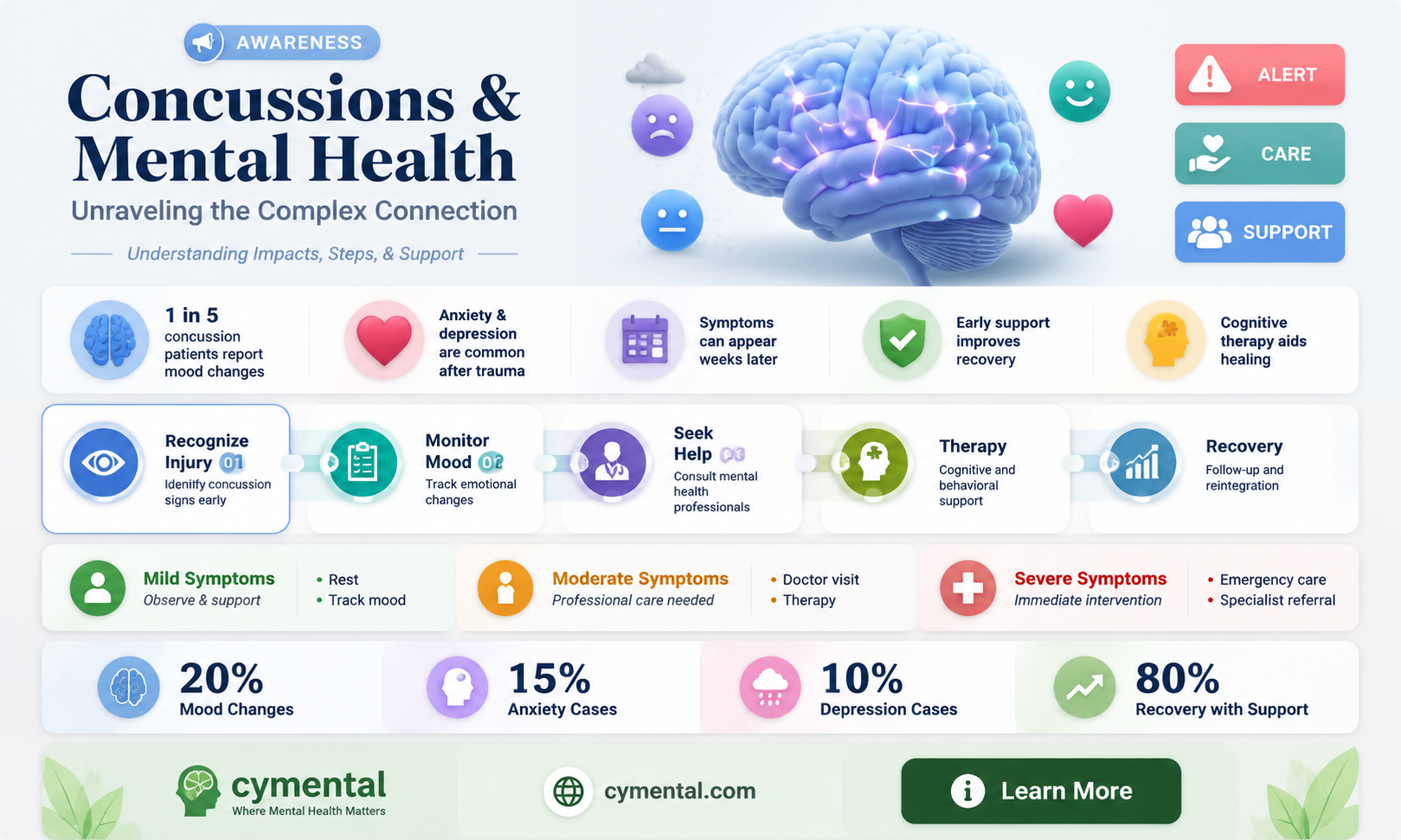
Concussions, often considered a minor brain injury, can have significant and long-lasting effects on mental health. While they are typically associated with physical symptoms like headaches and dizziness, research has shown that concussions can also lead to a range of psychological issues. These may include anxiety, depression, mood swings, and even post-traumatic stress disorder (PTSD). The impact on mental health can be immediate or may develop over time, and it can affect individuals of all ages, from children to adults. Understanding the relationship between concussions and mental health is crucial for proper diagnosis, treatment, and support of those who have experienced a concussion.
Explore related products


What You'll Learn
- Concussion Basics: Understanding concussions, their causes, and immediate symptoms
- Short-Term Effects: Temporary changes in mood, sleep, and cognitive function post-concussion
- Long-Term Consequences: Potential for chronic mental health issues like depression and anxiety
- Treatment and Recovery: Approaches to managing concussion symptoms and promoting mental well-being
- Preventive Measures: Strategies to reduce the risk of concussions and their mental health impacts

Concussion Basics: Understanding concussions, their causes, and immediate symptoms
A concussion is a type of traumatic brain injury caused by a blow or jolt to the head that disrupts normal brain function. This can result from various incidents, such as sports injuries, car accidents, or falls. The immediate symptoms of a concussion can vary widely but typically include headaches, dizziness, confusion, and memory problems. It's crucial to recognize these symptoms promptly to ensure proper medical attention and prevent further complications.
Concussions can indeed have a significant impact on mental health. The disruption in brain function can lead to changes in mood, behavior, and cognitive abilities. Some individuals may experience anxiety, depression, or irritability following a concussion. Additionally, concussions can exacerbate existing mental health conditions or contribute to the development of new ones. Understanding the link between concussions and mental health is essential for comprehensive treatment and recovery.
The effects of concussions on mental health can be both immediate and long-lasting. In the short term, individuals may struggle with emotional regulation, impulse control, and social interactions. Over time, repeated concussions can lead to more severe and chronic mental health issues, such as post-concussion syndrome, which includes persistent symptoms like headaches, fatigue, and cognitive difficulties. It's important to note that each person's experience with concussions and mental health can vary greatly, and a personalized approach to treatment is often necessary.
To mitigate the impact of concussions on mental health, it's essential to prioritize prevention and early intervention. This includes wearing appropriate protective gear during sports and other high-risk activities, seeking immediate medical attention following a head injury, and engaging in cognitive and psychological rehabilitation as part of the recovery process. By addressing concussions promptly and comprehensively, individuals can reduce the risk of long-term mental health complications and improve their overall well-being.
Exploring the Impact of Chronic Pain on Mental Capacity
You may want to see also
Explore related products


Short-Term Effects: Temporary changes in mood, sleep, and cognitive function post-concussion
Immediately following a concussion, individuals may experience a range of short-term effects that can significantly impact their mental health. These effects are often temporary but can be distressing and disruptive to daily life. One of the most common short-term effects is a change in mood. This can manifest as irritability, anxiety, or depression, and is thought to be related to the disruption of normal brain function caused by the injury.
Sleep disturbances are another frequent short-term effect of concussions. Individuals may experience difficulty falling asleep, staying asleep, or feeling rested upon waking. This can exacerbate mood changes and contribute to overall feelings of malaise. Cognitive function may also be impaired in the short term, with common symptoms including difficulty concentrating, memory problems, and slowed reaction times.
These short-term effects can have a ripple effect on various aspects of an individual's life. For example, mood changes and sleep disturbances can impact relationships with family and friends, while cognitive impairments may affect work or school performance. It is important for individuals who have experienced a concussion to be aware of these potential short-term effects and to seek support if needed.
Healthcare providers can offer strategies to manage these symptoms, such as cognitive behavioral therapy for mood and sleep issues, and cognitive rehabilitation exercises to improve cognitive function. Additionally, lifestyle modifications, such as maintaining a regular sleep schedule, engaging in light physical activity, and practicing stress management techniques, can help alleviate these short-term effects.
In conclusion, while the short-term effects of concussions on mental health can be significant, they are typically temporary and can be managed with appropriate support and interventions. Awareness and proactive management are key to mitigating the impact of these effects on an individual's overall well-being.
The Unseen Impact: How Car Accidents Can Affect Your Mental Health
You may want to see also
Explore related products


Long-Term Consequences: Potential for chronic mental health issues like depression and anxiety
Concussions, often perceived as minor injuries, can have profound and lasting impacts on mental health. Research indicates that individuals who have suffered a concussion may be at a heightened risk for developing chronic mental health conditions such as depression and anxiety. This risk is particularly significant if the concussion is not properly treated or if the individual experiences multiple concussions over time.
One of the primary reasons for this increased risk is the disruption of normal brain function that occurs during a concussion. When the brain is jolted or shaken, it can lead to a cascade of neurological changes that affect mood regulation, stress response, and cognitive function. These changes can manifest as symptoms of depression and anxiety, which may persist long after the initial injury has healed.
Furthermore, concussions can lead to structural changes in the brain, particularly in areas responsible for emotional regulation and memory. Studies have shown that repeated concussions can result in the accumulation of abnormal proteins in the brain, similar to those found in neurodegenerative diseases like Alzheimer's. This can contribute to long-term cognitive decline and an increased susceptibility to mental health disorders.
It is also important to consider the psychological impact of concussions. Individuals who have experienced a concussion may develop a fear of re-injury, leading to avoidance behaviors and a decrease in physical activity. This can further exacerbate symptoms of depression and anxiety, creating a vicious cycle that is difficult to break.
In terms of treatment, it is crucial to address both the physical and mental health aspects of concussions. Early intervention with cognitive-behavioral therapy (CBT) and other forms of psychotherapy can help mitigate the risk of chronic mental health issues. Additionally, lifestyle modifications such as regular exercise, a balanced diet, and adequate sleep can support overall brain health and reduce the likelihood of long-term complications.
In conclusion, while concussions are often considered minor injuries, they can have significant and lasting impacts on mental health. It is essential to recognize the potential for chronic mental health issues like depression and anxiety following a concussion and to take proactive steps to address these risks through comprehensive treatment and lifestyle modifications.
The Emotional Toll: How Breakups Can Impact Your Mental Health
You may want to see also
Explore related products


Treatment and Recovery: Approaches to managing concussion symptoms and promoting mental well-being
Cognitive Behavioral Therapy (CBT) is a frontline treatment for managing the psychological symptoms that often accompany concussions. CBT helps individuals identify and challenge negative thought patterns, which can exacerbate anxiety and depression post-concussion. By restructuring these thoughts, patients can better cope with the emotional turmoil and regain a sense of control over their mental health. Typically, CBT sessions are conducted weekly over several months, with exercises and homework assigned to reinforce the skills learned during therapy.
In addition to CBT, medication can play a role in concussion recovery. Antidepressants, particularly selective serotonin reuptake inhibitors (SSRIs), are commonly prescribed to alleviate symptoms of depression and anxiety. It's important to note that medication should be used in conjunction with therapy, not as a standalone treatment. Dosages and types of medication will vary based on individual needs and should be carefully monitored by a healthcare professional to minimize side effects and ensure efficacy.
Mindfulness and relaxation techniques are also integral to promoting mental well-being during concussion recovery. Practices such as meditation, deep breathing exercises, and progressive muscle relaxation can help reduce stress and improve emotional regulation. These techniques can be incorporated into daily routines and are often recommended as part of a comprehensive treatment plan. Mobile apps and online resources provide accessible tools for individuals to practice mindfulness and relaxation techniques at their own pace.
Physical activity, within the limits of what is safe for the recovering individual, can also support mental health. Exercise has been shown to boost mood and reduce symptoms of anxiety and depression. It's crucial, however, to follow medical advice and gradually increase the intensity and duration of physical activity to avoid exacerbating concussion symptoms. Yoga and tai chi are particularly beneficial as they combine physical movement with mindfulness practices.
Support groups and social connections are vital components of the recovery process. Sharing experiences and challenges with others who have suffered concussions can provide a sense of community and reduce feelings of isolation. Healthcare providers can often recommend local support groups or online forums where individuals can connect with peers and access additional resources. Maintaining strong social ties and engaging in enjoyable activities can also help improve mental well-being and provide a sense of normalcy during recovery.
Finally, education and awareness about concussions and their potential impact on mental health are key to effective treatment and recovery. Understanding the symptoms and challenges associated with concussions can help individuals and their support networks better navigate the recovery process. Resources such as informational brochures, workshops, and online articles can provide valuable insights and practical advice for managing concussion symptoms and promoting mental well-being.
Revitalize Your Mind: The Power of Leisure in Boosting Mental Health
You may want to see also
Explore related products


Preventive Measures: Strategies to reduce the risk of concussions and their mental health impacts
Implementing preventive measures is crucial in reducing the risk of concussions and mitigating their potential mental health impacts. One effective strategy is the use of protective gear in sports and activities that carry a high risk of head injuries. Helmets, mouthguards, and padded clothing can significantly decrease the likelihood of a concussion occurring. Additionally, ensuring that playing fields and sports facilities are well-maintained and free from hazards can further reduce the risk of accidents leading to concussions.
Education and awareness play a vital role in concussion prevention. Coaches, athletes, and parents should be educated about the signs and symptoms of concussions, as well as the importance of reporting any suspected head injuries promptly. This can help ensure that individuals receive appropriate medical attention and are not put at further risk by continuing to participate in activities. Furthermore, promoting a culture of safety and respect in sports can encourage athletes to prioritize their well-being and avoid dangerous behaviors that could lead to concussions.
Another key preventive measure is the implementation of proper training and conditioning programs for athletes. Strengthening neck and core muscles can help stabilize the head and reduce the impact of potential collisions. Additionally, teaching athletes proper techniques for tackling, falling, and heading the ball can minimize the risk of head injuries. Regular vision and hearing screenings can also help identify any underlying issues that may increase the risk of concussions.
In terms of mental health, it is essential to address the psychological factors that can contribute to the risk of concussions. Stress, anxiety, and depression can impair cognitive function and reaction time, making individuals more susceptible to head injuries. Therefore, promoting mental well-being through stress management techniques, mindfulness practices, and access to mental health resources can be an effective preventive strategy. Encouraging open communication about mental health concerns can also help reduce the stigma associated with seeking help and support.
Finally, it is crucial to consider the role of technology in concussion prevention. Advances in helmet design and impact-absorbing materials are continually being developed to provide better protection for athletes. Additionally, the use of sensors and data analytics can help identify high-risk situations and inform strategies for reducing the incidence of concussions. By staying informed about the latest research and technological advancements, individuals and organizations can make informed decisions about the most effective preventive measures to implement.
Exploring the Impact of Skull Fractures on Mental Health
You may want to see also
Frequently asked questions
Yes, concussions can have a significant impact on mental health. They can lead to symptoms such as anxiety, depression, mood swings, and sleep disturbances.
The duration of mental health effects after a concussion can vary widely. Some individuals may experience symptoms for a few weeks, while others might face long-term challenges lasting months or even years.
Common mental health symptoms following a concussion include irritability, anxiety, depression, difficulty concentrating, memory problems, and changes in sleep patterns.
Yes, there are treatments available for mental health issues caused by concussions. Cognitive-behavioral therapy (CBT), medication, and other forms of psychotherapy can be effective in managing symptoms and improving overall mental health.