Ava Ramirez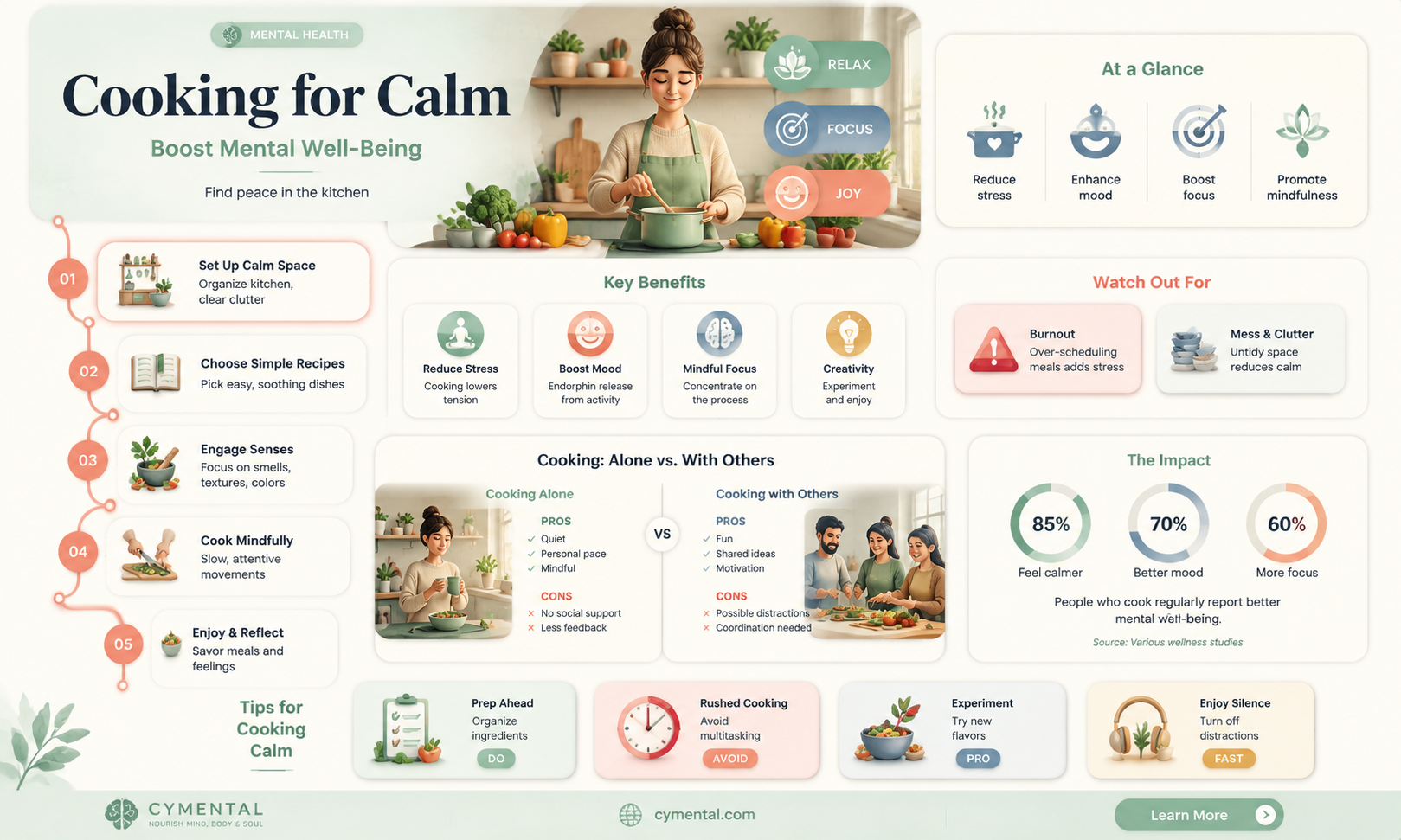
Cooking has been increasingly recognized as a therapeutic activity that can positively impact mental health. Engaging in the process of preparing meals not only provides a sense of accomplishment and creativity but also serves as a form of mindfulness, allowing individuals to focus on the present moment and reduce stress. The rhythmic actions involved in chopping, stirring, and measuring can be meditative, while the sensory experiences of aromas and flavors can evoke comfort and nostalgia. Additionally, cooking often fosters social connections, whether through sharing meals with loved ones or participating in community cooking classes, which can combat feelings of loneliness and isolation. By combining practical skill-building with emotional and social benefits, cooking emerges as a valuable tool for enhancing mental well-being.
| Characteristics | Values |
|---|---|
| Stress Reduction | Cooking can be a meditative and mindful activity, reducing cortisol levels and promoting relaxation. |
| Improved Mood | The process of cooking and the satisfaction of creating a meal can boost serotonin and dopamine, enhancing mood and reducing symptoms of depression. |
| Cognitive Benefits | Following recipes and planning meals can improve focus, memory, and problem-solving skills. |
| Sense of Accomplishment | Completing a dish provides a tangible sense of achievement, boosting self-esteem and confidence. |
| Social Connection | Cooking for others or participating in group cooking activities fosters social interaction and reduces feelings of loneliness. |
| Nutritional Impact | Preparing meals at home often leads to healthier food choices, which can positively affect overall mental well-being. |
| Creative Outlet | Experimenting with recipes and ingredients allows for self-expression and creativity, reducing anxiety and promoting emotional release. |
| Routine and Structure | Cooking provides a daily routine, which can be particularly beneficial for individuals with anxiety or ADHD. |
| Mindfulness Practice | Focusing on the sensory aspects of cooking (smell, taste, texture) encourages mindfulness, reducing rumination and improving mental clarity. |
| Therapeutic Effect | Cooking therapy (culinary therapy) is increasingly recognized as a complementary treatment for mental health conditions like depression and PTSD. |
Explore related products

$15.99 $19.99


What You'll Learn

Stress Relief Through Cooking
Cooking can be a powerful tool for stress relief, offering a unique blend of mindfulness, creativity, and sensory engagement. When you chop vegetables, the rhythmic motion can act as a form of meditation, grounding you in the present moment and diverting your mind from stressors. Similarly, the aroma of simmering herbs or the sizzle of ingredients in a pan engages your senses, creating a calming atmosphere. This tactile and sensory experience can interrupt the cycle of anxious thoughts, providing a mental reset. For instance, studies show that repetitive kitchen tasks, like kneading dough or stirring a risotto, can reduce cortisol levels, the hormone associated with stress.
To harness cooking as a stress-relief tool, start with simple, mindful recipes that require focus but aren’t overwhelming. Opt for dishes like homemade pasta, stir-fries, or one-pot meals that allow you to immerse yourself in the process without feeling rushed. Incorporate ingredients known for their calming properties, such as turmeric, dark chocolate, or leafy greens, to enhance the mental health benefits. For example, a study published in *Appetite* found that participants who engaged in baking reported significant reductions in stress levels compared to those who didn’t. The key is to approach cooking as a therapeutic activity, not a chore—turn off distractions, play soothing music, and focus on the joy of creating something nourishing.
While cooking can be deeply calming, it’s important to avoid turning it into another source of stress. If you’re short on time, choose quick recipes like smoothies or salads that still allow for creativity without pressure. For those who feel intimidated by complex dishes, start with pre-prepped ingredients or meal kits to ease into the process. Additionally, be mindful of perfectionism—the goal isn’t to create a gourmet meal but to engage in a calming activity. If you’re cooking with others, keep the atmosphere light and collaborative, as social connection can amplify the stress-relieving benefits.
The science behind cooking’s stress-relief properties lies in its ability to activate the parasympathetic nervous system, which promotes relaxation. Engaging in a structured, goal-oriented activity like cooking can also provide a sense of accomplishment, boosting mood and self-esteem. For maximum benefit, aim to cook at least 2–3 times per week, dedicating 30–60 minutes to the activity. Over time, this practice can become a healthy coping mechanism, offering a constructive outlet for stress while also improving your diet and culinary skills. Whether you’re whisking eggs or roasting vegetables, the kitchen can be your sanctuary—a place to slow down, breathe, and find peace.
Empowering Self-Care: Practical Strategies to Help Yourself Thrive Daily
You may want to see also
Explore related products


Mindfulness in Meal Preparation
The rhythmic chopping of vegetables, the sizzle of onions in a pan, the aroma of spices blooming—these sensory experiences can ground you in the present moment. Mindfulness in meal preparation isn’t about perfecting a dish; it’s about engaging fully with the process, turning a routine task into a meditative practice. By focusing on the textures, smells, and sounds of cooking, you can quiet mental chatter and cultivate a sense of calm. This isn’t just anecdotal—studies show that mindfulness practices, even in everyday activities like cooking, can reduce stress and improve emotional well-being.
To begin, choose a simple recipe that allows you to slow down. Avoid multitasking; instead, dedicate your attention to one step at a time. For example, when slicing carrots, notice the resistance of the knife against the vegetable, the sound it makes, and the vibrant color of the slices. If your mind wanders (which it will), gently bring it back to the task at hand. Incorporate deep breathing: inhale as you lift the knife, exhale as you cut. This deliberate focus not only enhances mindfulness but also makes the cooking process more enjoyable.
A key aspect of mindful meal preparation is gratitude. As you handle ingredients, consider their origins—the farmers who grew them, the hands that harvested them, the journey they took to reach your kitchen. This practice shifts your perspective, fostering appreciation for the food and the act of nourishing yourself. Research suggests that gratitude exercises, even brief ones, can significantly boost mood and reduce anxiety. Pair this with the satisfaction of creating a meal, and you’ve got a powerful tool for mental health.
However, mindfulness in cooking isn’t always intuitive. Common pitfalls include rushing through steps or becoming frustrated by mistakes. To avoid this, set realistic expectations. Not every meal needs to be Instagram-worthy, and imperfections are part of the process. If you burn a dish or mismeasure an ingredient, view it as an opportunity to practice self-compassion. Remind yourself that cooking is a practice, not a performance. Over time, this mindset can extend beyond the kitchen, helping you approach challenges with greater resilience.
Finally, make mindfulness in meal preparation a daily habit, even if it’s just for 10–15 minutes. Start with one meal a week, gradually increasing as it feels natural. Keep a journal to reflect on your experiences—how did focusing on the process make you feel? Did you notice any changes in your stress levels or mood? By tracking your progress, you can deepen your practice and better understand its impact on your mental health. Cooking mindfully isn’t just about food; it’s about reclaiming moments of peace in a chaotic world.
Seeking Support: Where to Find Help and Guidance in Life
You may want to see also
Explore related products


Nutritional Impact on Mood
The food we consume does more than fuel our bodies—it directly influences our brain chemistry. Nutrients like omega-3 fatty acids, found in fatty fish (salmon, mackerel) and flaxseeds, are essential for neurotransmitter function. Studies show that a diet rich in omega-3s can reduce symptoms of depression by up to 20%. Similarly, complex carbohydrates in whole grains increase serotonin, a mood-regulating hormone. Conversely, a diet high in processed foods and sugar has been linked to a 58% higher risk of depression. The takeaway? What’s on your plate isn’t just calories—it’s a toolkit for emotional resilience.
Consider the gut-brain axis, a bidirectional communication system between the gastrointestinal tract and the brain. Probiotics in fermented foods like yogurt, kimchi, and sauerkraut nourish gut bacteria, which produce neurotransmitters like dopamine and GABA. A 2017 study found that participants who consumed probiotic-rich foods reported lower levels of anxiety and stress. To harness this, incorporate one fermented food daily, such as a tablespoon of sauerkraut with lunch or a small serving of kefir in the morning. Pair this with prebiotic-rich foods like garlic, onions, and bananas to feed the beneficial bacteria.
Magnesium, often called the "relaxation mineral," plays a critical role in mood regulation. Deficiency is linked to anxiety and depression, yet 50% of adults consume less than the recommended 310–420 mg daily. Dark leafy greens (spinach, kale), nuts, seeds, and whole grains are excellent sources. For a quick boost, add a handful of almonds (80 mg magnesium per ounce) as a snack or sprinkle pumpkin seeds (168 mg per ounce) on salads. Cooking tip: lightly steam greens to enhance magnesium absorption while preserving nutrients.
Vitamin D, synthesized through sunlight but also found in fatty fish and fortified foods, is another mood regulator. Low levels are associated with seasonal affective disorder (SAD) and depression. Aim for 600–800 IU daily, though supplementation may be necessary in winter months or for those with limited sun exposure. Pair vitamin D-rich foods with healthy fats (avocado, olive oil) to enhance absorption. Practical tip: cook salmon with a drizzle of olive oil and serve with a side of sautéed spinach for a mood-boosting meal.
Finally, hydration and meal timing matter. Dehydration impairs cognitive function and exacerbates mood swings—even mild dehydration (2% of body weight) can reduce concentration by 15%. Drink at least 8–10 cups of water daily, and limit caffeine, which can disrupt sleep and increase anxiety. Eating regular, balanced meals stabilizes blood sugar, preventing irritability and fatigue. Start with a protein-rich breakfast (eggs, Greek yogurt) and include a mix of macronutrients (carbs, fats, proteins) in every meal. Small, consistent choices in the kitchen can yield significant emotional dividends.
Supporting Your Child’s Mental Health: Practical Steps for Parents
You may want to see also
Explore related products




Creative Outlet for Emotions
Cooking offers a tactile and sensory-rich experience that can serve as a powerful creative outlet for processing emotions. Unlike passive activities, it demands focus, engaging multiple senses simultaneously—the sizzle of onions in a pan, the aroma of simmering spices, the texture of kneaded dough. This immersion in the present moment can act as a form of mindfulness, temporarily silencing intrusive thoughts and allowing emotional release through action. For instance, chopping vegetables can become a rhythmic, meditative practice, while decorating a cake provides a canvas for self-expression. The kitchen, in this sense, becomes a studio where emotions are not just felt but shaped, transformed, and ultimately, consumed.
Consider the act of baking bread, a process that requires patience and attention to detail. The slow rise of dough mirrors the gradual unfolding of emotions, offering a metaphor for resilience and transformation. Studies suggest that such structured, goal-oriented tasks can reduce anxiety by providing a sense of accomplishment and control. For individuals struggling with emotional regulation, following a recipe can act as a stabilizing force, grounding them in a sequence of actionable steps. The end result—a warm loaf of bread—becomes a tangible symbol of effort and care, reinforcing positive self-perception.
However, not all emotional cooking experiences need to be structured. Improvisational cooking, where there’s no recipe to follow, allows for raw emotional expression. Throwing together a stir-fry or experimenting with unconventional flavor combinations can mimic the chaos of unresolved feelings, offering a safe space to explore without judgment. This approach is particularly beneficial for younger adults (ages 18–30), who often seek creative ways to navigate emotional turbulence. A caution, though: avoid using cooking as a means to numb emotions through overeating or mindless snacking. Instead, focus on the process itself, treating each dish as a dialogue between your emotions and your creativity.
To maximize cooking as an emotional outlet, incorporate intentionality. Start by identifying the emotion you’re experiencing—anger, sadness, joy—and choose ingredients or techniques that resonate. For example, spicy peppers can channel frustration, while soothing herbs like lavender or chamomile might calm anxiety. Dedicate 30–60 minutes daily to this practice, treating it as a non-negotiable form of self-care. Over time, this ritual can foster emotional literacy, helping you recognize patterns and develop healthier coping mechanisms. The takeaway? Cooking isn’t just about nourishment; it’s a language for emotions, spoken through flavors, textures, and the simple act of creation.
Music's Power: Boosting Middle Schoolers' Mental Health and Well-Being
You may want to see also
Explore related products


Social Connection via Shared Meals
Shared meals have long been a cornerstone of human connection, but their impact on mental health is often overlooked. When we cook and eat together, we engage in a multisensory experience that fosters emotional bonding and reduces feelings of isolation. Studies show that individuals who share meals regularly report higher levels of social support and lower rates of depression. For example, a 2019 study published in *Appetite* found that communal eating was associated with greater happiness and life satisfaction, particularly among older adults. This simple act of breaking bread together can serve as a powerful antidote to loneliness, a growing public health concern in an increasingly disconnected world.
To harness the mental health benefits of shared meals, start by making it a routine. Aim for at least three communal meals per week, whether with family, friends, or even colleagues. The key is consistency. If cooking for a group feels daunting, begin with simple, interactive dishes like pasta bars or build-your-own tacos. These formats encourage participation and reduce the pressure on a single cook. For those living alone, virtual dinner dates or joining community potlucks can replicate the experience. The goal is to create a space where conversation flows naturally, free from distractions like phones or television.
One often-overlooked aspect of shared meals is their role in intergenerational bonding. Cooking with children or older relatives not only strengthens relationships but also passes down cultural traditions and life skills. For instance, teaching a grandchild how to make a family recipe can boost their self-esteem while providing a sense of purpose for the elder. Similarly, group cooking classes or workshops can offer structured opportunities for connection, particularly for those new to a city or seeking to expand their social circle. These activities combine the therapeutic benefits of cooking with the joy of shared accomplishment.
However, it’s important to approach shared meals with mindfulness. For individuals with anxiety or eating disorders, communal dining can sometimes feel overwhelming. In such cases, start small—perhaps with a trusted friend—and set boundaries as needed. For example, agree on a menu in advance to avoid triggers or keep portions flexible to reduce pressure. The focus should always be on connection, not perfection. Even a simple cup of tea shared with a neighbor can provide a meaningful moment of human interaction.
Incorporating shared meals into your life doesn’t require grand gestures. Start with what’s feasible—a weekly family dinner, a monthly potluck with friends, or even a virtual coffee break with a colleague. The cumulative effect of these interactions can significantly improve mental well-being by reinforcing a sense of belonging. As the saying goes, “Food tastes better when shared,” but it’s the conversation, laughter, and connection that truly nourish the soul. Make shared meals a priority, and watch as they become a cornerstone of your mental health toolkit.
Can School Counselors Seek Mental Health Support? Exploring Eligibility and Resources
You may want to see also
Frequently asked questions
Yes, cooking can improve mental health by providing a sense of accomplishment, mindfulness, and creativity. It also encourages focus on the present moment, reducing stress and anxiety.
Cooking acts as therapy by engaging multiple senses, promoting relaxation, and offering a structured activity that can distract from negative thoughts while fostering a sense of control and purpose.
Cooking with others enhances social connections, reduces feelings of loneliness, and boosts mood through shared experiences and collaboration, which are essential for emotional well-being.
Yes, cooking can help manage symptoms by providing a routine, encouraging healthy eating, and releasing endorphins through the satisfaction of creating something, which can alleviate feelings of sadness or worry.
Any type of cooking can benefit mental health, but activities like baking, meal prepping, or trying new recipes are particularly effective due to their structured nature and the sense of achievement they provide.