Noah Parker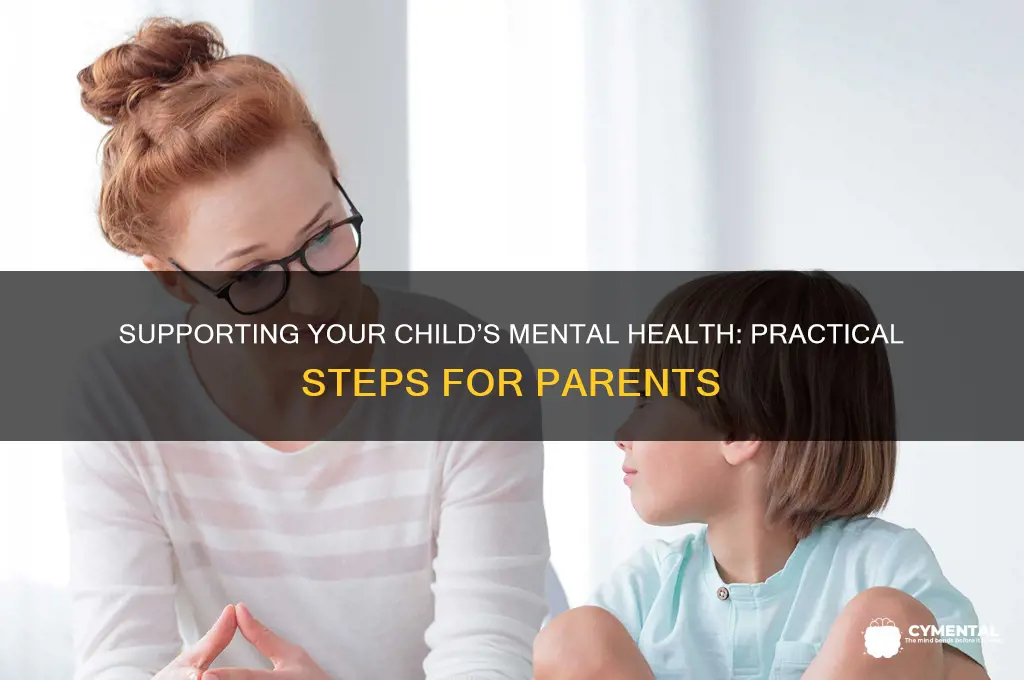
Supporting a child with mental health issues requires patience, understanding, and proactive steps to create a safe and nurturing environment. Start by fostering open communication, encouraging the child to express their feelings without fear of judgment. Educate yourself about their specific challenges, whether it’s anxiety, depression, or ADHD, to better understand their experiences. Collaborate with mental health professionals to develop a tailored plan, which may include therapy, medication, or lifestyle changes. Ensure consistency in routines, provide emotional reassurance, and model healthy coping strategies. Advocate for their needs at school and within the community, and prioritize self-care as a caregiver to maintain your own well-being while supporting the child’s journey toward mental health stability.
Explore related products


$16.98 $30


What You'll Learn
- Recognize Early Signs: Learn common symptoms like mood swings, withdrawal, or changes in behavior
- Open Communication: Create a safe space for the child to express feelings without judgment
- Seek Professional Help: Consult therapists, counselors, or pediatricians for proper diagnosis and treatment
- Establish Routines: Provide structure with consistent schedules for meals, sleep, and activities
- Support at School: Collaborate with teachers to ensure accommodations and emotional support in academics

Recognize Early Signs: Learn common symptoms like mood swings, withdrawal, or changes in behavior
Children often struggle to articulate their emotional pain, making it crucial for caregivers to recognize early signs of mental health issues. Mood swings, for instance, can manifest as sudden irritability, unexplained anger, or intense sadness. While occasional mood fluctuations are normal, persistent or extreme shifts warrant attention. A 10-year-old who transitions from cheerful to despondent within minutes, multiple times a week, may be signaling underlying distress. Tracking these patterns in a journal can help distinguish between typical childhood behavior and potential red flags.
Withdrawal is another telltale symptom, often overlooked as shyness or introversion. A child who stops participating in favorite activities, avoids social interactions, or spends excessive time alone may be struggling internally. For example, a teenager who abruptly quits the soccer team or stops attending friend gatherings could be experiencing anxiety or depression. Caregivers should note the duration and intensity of withdrawal—a week of solitude after a stressful event differs from months of isolation. Encouraging open conversations without judgment can create a safe space for the child to share their feelings.
Behavioral changes, such as sudden aggression, decline in academic performance, or sleep disturbances, are equally important indicators. A 7-year-old who starts throwing tantrums at school or a 14-year-old whose grades plummet without explanation may be grappling with emotional turmoil. Sleep patterns, too, offer clues: younger children might experience nightmares, while adolescents may sleep excessively or struggle with insomnia. Monitoring these changes alongside other symptoms provides a clearer picture of the child’s mental state.
Recognizing these signs requires active observation and a baseline understanding of the child’s typical behavior. Caregivers should avoid jumping to conclusions but instead approach concerns with empathy and curiosity. For instance, instead of asking, “Why are you acting out?” try, “I’ve noticed you seem upset lately. Is there something you’d like to talk about?” Early intervention is key—consulting a pediatrician or mental health professional when multiple symptoms persist can pave the way for timely support and treatment.
Supporting Friends Through Mental Health Struggles: Compassionate Steps to Take
You may want to see also
Explore related products



Open Communication: Create a safe space for the child to express feelings without judgment
Children often struggle to articulate their emotions, especially when they are overwhelmed or fearful of repercussions. Creating a safe space for open communication begins with validating their feelings, no matter how irrational they may seem. For instance, instead of dismissing a child’s fear of monsters under the bed with a brusque "That’s silly," respond with empathy: "It sounds like you’re really scared. Let’s check together and make sure everything’s okay." This approach reassures them that their emotions are acknowledged and respected, fostering trust and encouraging further dialogue.
To establish this safe space, set aside dedicated time for conversations, free from distractions like phones or TV. For younger children (ages 4–8), incorporate play or drawing as a medium for expression, as they may find it easier to communicate through creativity. For older children (ages 9–12), try engaging in side-by-side activities, like cooking or walking, which reduce the pressure of direct eye contact while still allowing for meaningful interaction. Adolescents (ages 13–18) often respond better to open-ended questions like, "How did that situation make you feel?" rather than yes-or-no inquiries, which can feel interrogative.
A critical aspect of fostering open communication is modeling vulnerability yourself. Share age-appropriate examples of your own emotions, such as, "I felt frustrated today when I couldn’t solve that problem at work, but talking about it helped." This demonstrates that emotions are normal and that expressing them is healthy. Be mindful of your tone and body language; a calm, nonjudgmental demeanor signals that the child’s feelings are safe with you. Avoid phrases like "You shouldn’t feel that way" or "It’s not a big deal," as they can shut down communication and invalidate their experience.
Finally, consistency is key. Regularly check in with the child, even if they seem fine, to reinforce the message that their emotional well-being matters. For example, a nightly ritual of sharing "one good thing and one hard thing" about the day can normalize emotional expression. If a child hesitates to open up, avoid forcing the issue; instead, reassure them that you’re always available to listen. Over time, this predictable, judgment-free environment will become a cornerstone of their emotional resilience, equipping them to navigate mental health challenges with confidence.
Do Mental Hospitals Help: Exploring Effectiveness and Patient Outcomes
You may want to see also
Explore related products


Seek Professional Help: Consult therapists, counselors, or pediatricians for proper diagnosis and treatment
Children experiencing mental health challenges often require more than a supportive home environment; they need the expertise of trained professionals. Therapists, counselors, and pediatricians are equipped with the knowledge and tools to diagnose and treat a range of conditions, from anxiety and depression to ADHD and trauma-related disorders. These professionals can provide tailored interventions that address the root causes of a child’s struggles, ensuring they receive the most effective care possible. Without their involvement, well-intentioned efforts by parents or caregivers may fall short, potentially delaying critical treatment.
Consider the process of seeking professional help as a collaborative journey. Start by consulting your child’s pediatrician, who can rule out physical health issues and provide referrals to mental health specialists. For children under 12, play therapy or family therapy may be recommended, as these approaches leverage natural communication methods to uncover and address underlying issues. Adolescents, on the other hand, might benefit from cognitive-behavioral therapy (CBT), which focuses on identifying and changing negative thought patterns. Be prepared to share detailed observations about your child’s behavior, as this information is crucial for an accurate diagnosis.
One common hesitation among parents is the fear of stigmatizing their child by involving professionals. However, early intervention is a protective factor, not a label. Research shows that children who receive timely mental health treatment are more likely to experience improved academic performance, healthier relationships, and better overall well-being. For example, a study published in the *Journal of the American Academy of Child & Adolescent Psychiatry* found that 70% of children with anxiety disorders showed significant improvement after 12 weeks of CBT. Delaying treatment, conversely, can lead to worsening symptoms and increased difficulty in managing them later.
Practical steps can streamline the process. Begin by verifying your insurance coverage for mental health services, as this will influence your choice of provider. If cost is a barrier, many communities offer sliding-scale clinics or school-based programs. During the initial consultation, ask the professional about their experience with your child’s age group and specific concerns. For instance, a therapist specializing in trauma may use techniques like EMDR (Eye Movement Desensitization and Reprocessing) for older children, while a pediatrician might recommend behavioral interventions for younger ones. Consistency is key; attend all appointments and follow through with recommended strategies at home.
Finally, remember that seeking professional help is not a sign of failure but an act of advocacy for your child’s future. Mental health is as vital as physical health, and both require expert care. By partnering with therapists, counselors, or pediatricians, you’re providing your child with a foundation for resilience and recovery. This step is not just about managing symptoms—it’s about empowering your child to thrive in the face of challenges.
Animal Companionship: Boosting Mental Health and Emotional Well-Being in Humans
You may want to see also
Explore related products


$51




Establish Routines: Provide structure with consistent schedules for meals, sleep, and activities
Children thrive on predictability, and a consistent daily routine acts as a psychological anchor, reducing anxiety and fostering a sense of control. Think of it as a mental blueprint for their day, minimizing the stress of uncertainty and allowing them to focus on navigating their emotions rather than constantly adapting to change.
A well-structured routine should encompass three key pillars: meals, sleep, and activities.
Meals: Aim for three balanced meals at roughly the same times each day, with healthy snacks in between if needed. Involve your child in meal planning and preparation to increase their sense of agency and encourage healthier eating habits. For younger children, visual aids like a picture schedule can help them anticipate mealtimes and reduce resistance.
Avoid using food as a reward or punishment, as this can lead to unhealthy associations with eating.
Sleep: Establish a calming bedtime routine at least 30 minutes before their designated bedtime. This could include a warm bath, reading a book, or listening to soothing music. Ensure their bedroom is cool, dark, and quiet, promoting optimal sleep quality. The National Sleep Foundation recommends 9-11 hours of sleep for school-aged children and 8-10 hours for teenagers. Inconsistent sleep schedules disrupt their body's natural rhythm, exacerbating mood swings and difficulty concentrating.
Activities: Schedule dedicated time for play, learning, and relaxation. Include a mix of structured activities like sports or music lessons and unstructured playtime for creativity and imagination. For older children, encourage them to participate in planning their schedule, fostering a sense of ownership and responsibility. Be mindful of overscheduling; allow for downtime to prevent burnout and promote self-reflection.
While routines provide structure, they shouldn't be rigid. Allow for flexibility when needed, especially during special occasions or unexpected events. The goal is to create a framework that supports your child's mental well-being, not a straitjacket that restricts their spontaneity. Remember, consistency is key, but adaptability is equally important in navigating the complexities of childhood mental health.
Sleep's Role in Boosting Mental Health and Emotional Well-Being
You may want to see also
Explore related products


Support at School: Collaborate with teachers to ensure accommodations and emotional support in academics
Schools are often the second home for children, where they spend a significant portion of their day. For a child grappling with mental health issues, the classroom can either become a source of stress or a sanctuary of support. Collaboration with teachers is pivotal in transforming this environment into a nurturing space that fosters both academic and emotional growth. By working together, parents and educators can implement tailored accommodations and provide consistent emotional support, ensuring the child feels understood and empowered.
Consider the case of a 10-year-old with anxiety who struggles to participate in class discussions. A collaborative approach might involve the teacher allowing this child to submit written responses instead of verbal ones, reducing performance pressure. This simple accommodation not only supports academic engagement but also builds confidence over time. Such strategies require open communication between parents and teachers, where insights about the child’s triggers and coping mechanisms are shared. For instance, a weekly email update or brief phone call can keep both parties informed about the child’s progress and any emerging challenges.
However, collaboration isn’t just about academic adjustments; it’s also about creating a safe emotional space. Teachers can be trained to recognize subtle signs of distress, such as withdrawal or irritability, and respond with empathy rather than discipline. For younger children (ages 6–12), this might mean allowing a quiet corner in the classroom for self-regulation or providing a "feelings chart" to help them express emotions. For teenagers, it could involve flexible deadlines during particularly stressful periods, like exams or family crises. Schools that adopt a trauma-informed approach, focusing on sensitivity and support, often see improved outcomes for students with mental health challenges.
A cautionary note: while teachers are essential allies, they are not mental health professionals. Over-reliance on them for therapeutic interventions can lead to burnout or inadequate care. Instead, view teachers as partners in a broader support system that includes counselors, therapists, and parents. Regular meetings involving all stakeholders can ensure everyone is aligned on the child’s needs and progress. Additionally, be mindful of confidentiality—teachers should only be informed of details that directly impact their ability to support the child in the classroom.
In conclusion, collaboration with teachers is a cornerstone of supporting a child’s mental health at school. By combining academic accommodations with emotional awareness, educators can create an environment where children feel safe to learn and grow. Practical steps like regular communication, tailored adjustments, and a focus on emotional safety can make a profound difference. Remember, the goal isn’t to eliminate challenges but to equip the child with the tools and support they need to navigate them successfully.
Empowering Change: Simple Actions to Make a Positive Impact Today
You may want to see also
Frequently asked questions
Look for persistent changes in behavior, mood, or performance, such as withdrawal, irritability, declining grades, or changes in sleep or eating habits. Trust your instincts and consult a healthcare professional if you’re concerned.
Create a safe, non-judgmental space for open communication, validate their feelings, and encourage professional help like therapy or counseling. Maintain routines, promote healthy habits, and educate yourself about their condition.
Yes, approach the conversation calmly and empathetically. Use age-appropriate language, ask open-ended questions, and let them know you’re there to support them without judgment.
Teach coping strategies like deep breathing, mindfulness, or physical activity. Limit screen time, encourage hobbies, and help them set realistic goals. Be a positive role model by managing your own stress effectively.
Seek help if symptoms persist, worsen, or interfere with daily functioning. Warning signs include self-harm, severe anxiety, or suicidal thoughts. Early intervention from a mental health professional can make a significant difference.