Harper Lewis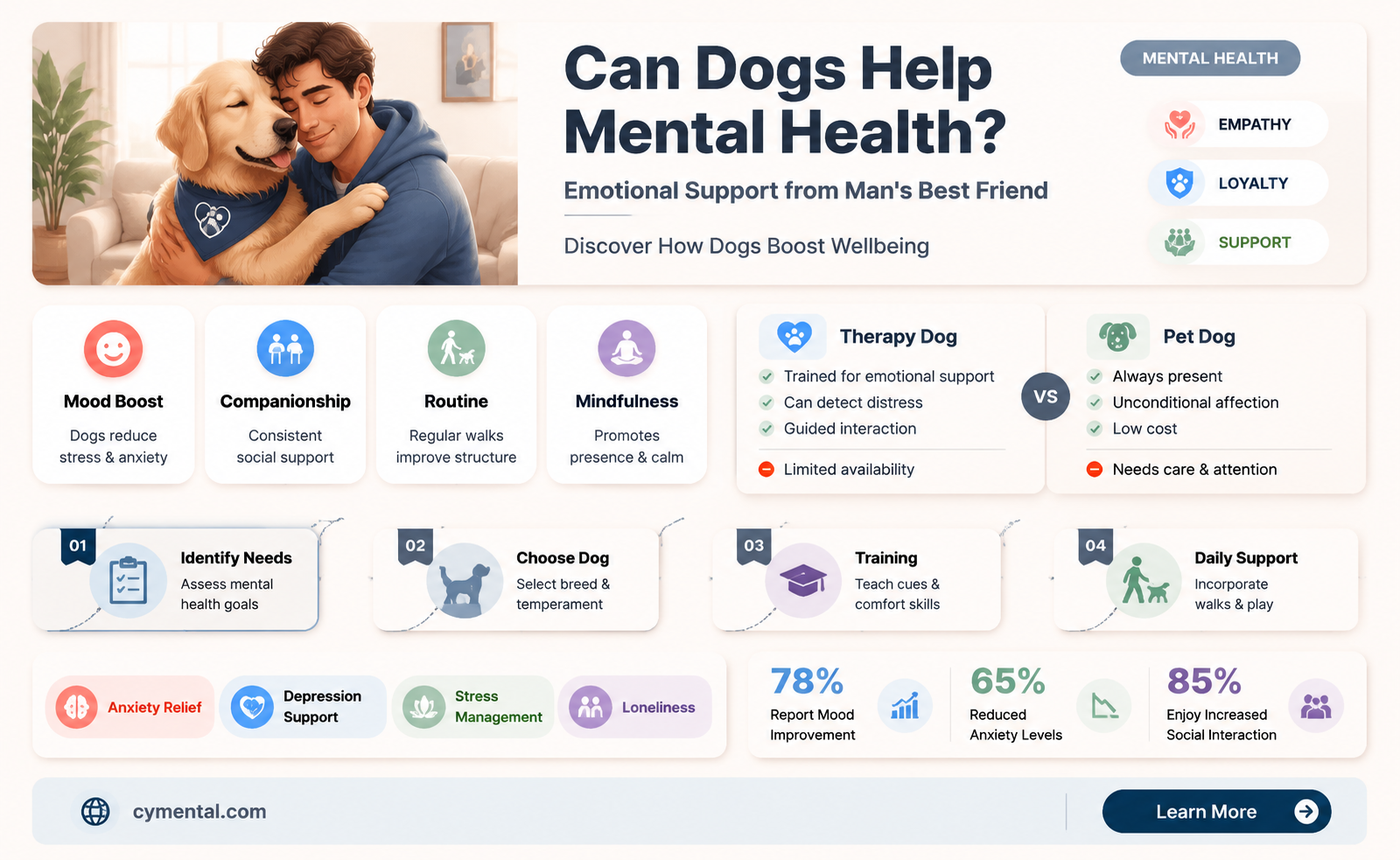
Dogs have long been recognized as loyal companions, but their role in supporting mental health is gaining increasing attention. Research suggests that dogs can significantly aid individuals struggling with mental illnesses such as depression, anxiety, and PTSD. Their presence alone can provide comfort, reduce feelings of loneliness, and promote emotional stability. Dogs encourage physical activity through walks and play, which can alleviate symptoms of depression and anxiety. Additionally, their unconditional love and non-judgmental nature create a sense of security, fostering trust and emotional connection. Service dogs, specifically trained to assist with mental health conditions, offer practical support by interrupting panic attacks, reminding their owners to take medication, or providing grounding during episodes of distress. Overall, the bond between humans and dogs can be a powerful tool in managing and improving mental well-being.
| Characteristics | Values |
|---|---|
| Emotional Support | Dogs provide companionship, reduce feelings of loneliness, and offer unconditional love, which can alleviate symptoms of depression and anxiety. |
| Stress Reduction | Interacting with dogs lowers cortisol (stress hormone) levels and increases oxytocin, promoting relaxation and emotional well-being. |
| Social Facilitation | Dogs encourage social interaction, helping individuals with mental illness engage with others and build social connections. |
| Routine and Structure | Caring for a dog establishes a daily routine, which can improve time management and provide a sense of purpose for individuals with mental health issues. |
| Physical Activity | Dog ownership promotes exercise through activities like walking, which boosts endorphins and improves mood. |
| PTSD Symptom Relief | Service dogs trained for PTSD can interrupt nightmares, provide grounding during flashbacks, and create a sense of security. |
| Anxiety Reduction | Dogs can act as emotional anchors, reducing anxiety in social situations and providing comfort during panic attacks. |
| Improved Sleep | The presence of a dog can enhance sleep quality by reducing insomnia and promoting a sense of safety. |
| Non-Judgmental Presence | Dogs offer a safe and non-judgmental space for individuals to express emotions without fear of criticism. |
| Therapeutic Interventions | Animal-assisted therapy (AAT) with dogs is used in clinical settings to improve mental health outcomes, including reduced symptoms of depression and anxiety. |
| Cognitive Benefits | Interacting with dogs can improve focus, attention, and cognitive function in individuals with mental illness. |
| Reduced Stigma | Dogs can serve as a conversation starter, helping reduce the stigma associated with mental illness by fostering understanding and empathy. |
Explore related products


What You'll Learn
- Emotional Support Dogs: Provide comfort, reduce anxiety, and offer companionship to individuals with mental health issues
- Therapy Dogs in Treatment: Assist therapists in sessions, helping patients open up and engage in therapy
- PTSD Service Dogs: Trained to assist veterans and individuals with PTSD, providing safety and grounding
- Depression and Anxiety Relief: Dogs encourage exercise, routine, and social interaction, alleviating symptoms of depression and anxiety
- Socialization and Confidence: Dogs help individuals with social anxiety or isolation build confidence and social skills

Emotional Support Dogs: Provide comfort, reduce anxiety, and offer companionship to individuals with mental health issues
Dogs have an unparalleled ability to sense human emotions, often responding with unconditional affection and calm presence. This innate quality makes them ideal candidates for emotional support roles, particularly for individuals grappling with mental health challenges. Unlike service dogs, which are trained to perform specific tasks, emotional support dogs (ESDs) provide comfort through their mere presence, offering a sense of security and routine that can be transformative for those struggling with anxiety, depression, or PTSD. Their non-judgmental companionship fosters an environment where individuals feel safe to express vulnerability, a critical component of emotional healing.
Consider the case of a 28-year-old with generalized anxiety disorder who adopted a Golden Retriever as an emotional support animal. Within weeks, the individual reported a noticeable reduction in panic attacks, attributing this to the dog’s calming presence during moments of heightened stress. Research supports such anecdotes, with studies indicating that interaction with dogs can lower cortisol levels (a stress hormone) by up to 24% while increasing oxytocin, often referred to as the "love hormone." For optimal results, experts recommend structured daily routines involving the dog, such as morning walks or evening cuddle sessions, to maximize the therapeutic benefits of this bond.
However, integrating an emotional support dog into one’s life requires careful consideration. Prospective owners must assess their lifestyle, living situation, and financial capacity to ensure they can meet the dog’s needs. For instance, breeds like Labrador Retrievers or Cavalier King Charles Spaniels are often recommended for their gentle temperaments, but their exercise and grooming requirements vary. Additionally, while ESDs do not require specialized training, basic obedience training is essential to prevent behavioral issues that could exacerbate stress. Consulting a mental health professional and a veterinarian can provide tailored guidance, ensuring the dog becomes a source of relief rather than added responsibility.
Critics often question the legitimacy of emotional support animals, but the evidence is compelling. A 2018 study published in the *Journal of Psychiatric Research* found that individuals with ESDs experienced a 40% reduction in anxiety symptoms over six months compared to those without. For those with severe mental health conditions, pairing ESD companionship with traditional therapies like cognitive-behavioral therapy (CBT) can yield even more profound results. Practical tips include creating a designated "safe space" for both the individual and the dog, using consistent commands to build trust, and incorporating playtime to strengthen the emotional bond.
Ultimately, emotional support dogs are not a cure-all but a powerful adjunct to mental health treatment. Their ability to provide unwavering companionship, reduce physiological markers of stress, and encourage daily structure makes them invaluable allies for many. By understanding their role and preparing adequately, individuals can harness the unique benefits of these animals, turning a four-legged friend into a cornerstone of their emotional well-being.
Are Mental Institutions Truly Helpful? Exploring Their Impact and Effectiveness
You may want to see also
Explore related products





Therapy Dogs in Treatment: Assist therapists in sessions, helping patients open up and engage in therapy
Therapy dogs are increasingly being integrated into mental health treatment sessions to facilitate deeper engagement and emotional openness between therapists and patients. These specially trained animals serve as non-judgmental companions, reducing anxiety and creating a calming presence that encourages clients to express themselves more freely. For instance, a child struggling with trauma might find it easier to recount difficult memories while petting a gentle dog, using the animal as a grounding mechanism. This dynamic not only fosters trust but also helps therapists access insights that might otherwise remain hidden.
Incorporating therapy dogs into sessions requires careful planning and collaboration between the therapist and the dog handler. The dog’s behavior must be predictable and appropriate for the clinical setting, ensuring the animal remains calm and responsive to the patient’s needs. Sessions typically last 45–60 minutes, with the dog present for the majority of the time. Therapists often use structured activities, such as having the patient teach the dog a simple command or engage in play, to create opportunities for dialogue and emotional exploration. For example, a teenager with social anxiety might practice assertiveness by giving the dog instructions, translating that skill to human interactions.
While therapy dogs offer significant benefits, their use is not universally applicable. Patients with allergies, fear of dogs, or cultural reservations may not be suitable candidates. Therapists must conduct thorough assessments to determine if a therapy dog aligns with the patient’s treatment goals and comfort level. Additionally, the dog’s welfare is paramount; sessions should be scheduled to avoid overworking the animal, with breaks provided as needed. Clear boundaries, such as avoiding direct eye contact or sudden movements, are established to ensure both patient and dog feel safe.
The effectiveness of therapy dogs lies in their ability to bypass verbal communication barriers, tapping into emotional and sensory experiences. Research shows that interactions with dogs can lower cortisol levels and increase oxytocin, promoting relaxation and emotional connection. For patients who struggle with traditional talk therapy, the presence of a dog can serve as a bridge to deeper therapeutic work. A study published in the *Journal of Clinical Psychology* found that patients in sessions with therapy dogs reported higher levels of satisfaction and were more likely to attend follow-up appointments.
To maximize the benefits of therapy dogs, therapists should receive specialized training in animal-assisted interventions. This includes understanding canine behavior, recognizing signs of stress in the dog, and integrating the dog’s presence into evidence-based therapeutic techniques. For instance, a cognitive-behavioral therapist might use the dog to demonstrate mindfulness by observing its calm breathing. Practical tips include starting with short sessions to gauge the patient’s response, using positive reinforcement techniques with the dog, and maintaining a clean, distraction-free environment. When implemented thoughtfully, therapy dogs can transform the therapeutic process, making it more accessible, engaging, and effective for a wide range of patients.
Effective Strategies to Support and Empower Individuals in Need
You may want to see also
Explore related products


$16.99 $17.99



PTSD Service Dogs: Trained to assist veterans and individuals with PTSD, providing safety and grounding
Dogs have long been recognized as companions, but their role in mental health support, particularly for individuals with PTSD, is a specialized and transformative application of their innate abilities. PTSD service dogs are trained to perform specific tasks that address the unique challenges faced by veterans and others suffering from this condition. These tasks range from interrupting nightmares and providing physical grounding during flashbacks to creating a protective buffer in public spaces. Unlike emotional support animals, PTSD service dogs are legally recognized and granted access to most public areas, making them indispensable allies in daily life.
The training of a PTSD service dog is rigorous and tailored to the individual’s needs. For instance, a veteran experiencing hypervigilance may benefit from a dog trained to conduct room searches or stand behind them in crowded places. Another individual might rely on their dog to wake them gently from night terrors or guide them through disorienting episodes. This customization ensures the dog’s interventions are precise and effective. Training typically takes 18–24 months and involves exposing the dog to various environments and scenarios to ensure reliability under stress. Organizations like Paws for Purple Hearts and K9s for Warriors specialize in this training, pairing dogs with veterans at no cost.
One of the most profound ways PTSD service dogs assist is by providing a sense of safety and routine. For individuals whose world feels unpredictable, the dog’s presence acts as a constant, grounding force. Studies have shown that interaction with a service dog can reduce cortisol levels, the hormone associated with stress, while increasing oxytocin, which promotes bonding and calmness. This physiological response complements the psychological reassurance the dog provides. For example, a dog may nudge its handler during a panic attack, redirecting their focus to the present moment and away from traumatic memories.
Despite their benefits, integrating a PTSD service dog into one’s life requires careful consideration. Handlers must commit to the dog’s care, including feeding, grooming, and ongoing training. Additionally, not everyone with PTSD is a suitable candidate; factors like living situation, financial stability, and the ability to work with a dog consistently play a role. Prospective handlers should consult with mental health professionals and service dog organizations to assess readiness. For those who qualify, the partnership can be life-changing, offering not just assistance but a renewed sense of purpose and connection.
In conclusion, PTSD service dogs are more than animals—they are highly trained professionals in the field of mental health support. Their ability to provide safety, grounding, and emotional stability makes them invaluable to those struggling with PTSD. While the commitment is significant, the rewards are immeasurable, offering a path toward healing and independence. For veterans and individuals with PTSD, these dogs are not just helpers; they are heroes.
Furry Fandom and Mental Health: Exploring Emotional Benefits and Support
You may want to see also
Explore related products


Depression and Anxiety Relief: Dogs encourage exercise, routine, and social interaction, alleviating symptoms of depression and anxiety
Dogs, with their boundless energy and unwavering loyalty, are natural catalysts for physical activity. A 2019 study published in the *Journal of Physical Activity and Health* found that dog owners are 34% more likely to meet recommended daily exercise guidelines. For individuals grappling with depression and anxiety, this is no small feat. Exercise releases endorphins, the body’s natural mood elevators, which can counteract the lethargy and hopelessness often associated with these conditions. Even a 20-minute walk with a dog can significantly reduce cortisol levels, the stress hormone, while boosting serotonin, a neurotransmitter linked to well-being. Practical tip: Aim for at least two 30-minute walks daily, adjusting intensity based on your dog’s breed and energy level. For smaller breeds or older dogs, shorter, more frequent walks can still yield benefits.
Routine is a cornerstone of mental health management, yet depression and anxiety often disrupt it. Dogs thrive on predictability, demanding regular feeding, grooming, and playtimes. This forced structure can help individuals establish a daily rhythm, even when motivation is scarce. For instance, a morning routine of feeding the dog, followed by a walk, sets a productive tone for the day. A study in *BMC Psychiatry* highlighted that pet ownership, particularly dogs, was associated with better adherence to daily routines in individuals with mental health disorders. Caution: While routine is beneficial, avoid rigidity. Allow flexibility for days when symptoms flare, ensuring the routine remains supportive, not stressful.
Social interaction is a powerful antidote to the isolation often exacerbated by depression and anxiety. Dogs act as social lubricants, sparking conversations with strangers during walks or at parks. A 2015 study in *PLOS ONE* found that dog owners were 60% more likely to engage in social interactions than non-dog owners. For those struggling with social anxiety, a dog can provide a sense of security and a topic of conversation, easing the pressure of human-to-human interaction. Practical tip: Join a local dog park or training class to expand your social circle while bonding with your pet. Even brief exchanges can foster a sense of connection and belonging.
The cumulative effect of exercise, routine, and social interaction through dog ownership creates a holistic approach to managing depression and anxiety. While dogs are not a substitute for professional treatment, they complement therapeutic strategies by addressing lifestyle factors that often worsen symptoms. For example, a 2020 study in *Animals* found that dog owners with depression reported lower symptom severity compared to non-dog owners, attributing this to the emotional support and daily engagement their pets provided. Takeaway: Incorporating a dog into your life can be a transformative step toward mental wellness, but it requires commitment. Ensure you’re prepared for the responsibilities of pet ownership, as neglect can negate the benefits. If you’re ready, a furry companion might just be the ally you need in your journey toward relief.
Effective Strategies and Tools to Help You Overcome Daily Challenges
You may want to see also
Explore related products





Socialization and Confidence: Dogs help individuals with social anxiety or isolation build confidence and social skills
Dogs, often referred to as man's best friend, have an uncanny ability to bridge social gaps, particularly for individuals grappling with anxiety or isolation. Their presence alone can serve as a social catalyst, encouraging interactions that might otherwise feel daunting. For instance, a person walking a dog is more likely to be approached by strangers, offering a low-stakes opportunity to engage in conversation. This simple act of being stopped to chat about a pet can gradually desensitize someone to social situations, reducing anxiety over time. Studies show that dog owners are more likely to know their neighbors and engage in community activities, highlighting the pet’s role as a social facilitator.
To harness this benefit, consider structured activities that pair dogs with social skill-building. Dog training classes, for example, provide a dual purpose: teaching the dog while forcing the owner to interact with instructors and fellow participants. For those with severe social anxiety, starting with group settings that focus on the dog (e.g., a park or obedience class) can shift the pressure away from self-performance. Over time, as the individual becomes more comfortable, they can gradually expand their interactions beyond dog-related topics. Consistency is key—aim for at least 2–3 social dog-related activities per week to build momentum.
A cautionary note: relying solely on a dog for social interaction can inadvertently reinforce isolation if the focus remains exclusively on the pet. Encourage a balance by setting small, achievable goals, such as initiating one non-dog-related conversation per outing. Additionally, not all dogs have the same temperament, so selecting a breed or personality that aligns with the individual’s needs is crucial. High-energy breeds may overwhelm someone with anxiety, while calmer dogs can provide a soothing presence. Consulting a trainer or behaviorist can ensure the dog complements the owner’s journey toward confidence.
The transformative power of dogs in building social skills is evident in programs like animal-assisted therapy, where trained dogs accompany individuals to social events or public spaces. These structured environments offer a safe starting point, with the dog acting as both a buffer and a conversation starter. For younger individuals (teens and young adults), pairing dog ownership with guided social challenges—such as volunteering at a shelter or joining a dog-walking group—can foster independence and self-assurance. The takeaway is clear: dogs are not just pets; they are partners in breaking down social barriers, one wagging tail at a time.
Pets and Mental Health: How Furry Friends Boost Well-Being
You may want to see also
Frequently asked questions
Yes, dogs can help reduce symptoms of anxiety and depression by providing companionship, emotional support, and encouraging physical activity. Their presence can increase oxytocin levels (the "feel-good" hormone) and decrease cortisol (the stress hormone), promoting a sense of calm and well-being.
Dogs trained as emotional support animals or service dogs can assist individuals with PTSD by providing grounding techniques, interrupting flashbacks or nightmares, and offering a sense of security. Their consistent presence and responsiveness can help reduce hypervigilance and improve emotional regulation.
While any breed can provide emotional support, breeds like Labrador Retrievers, Golden Retrievers, and Poodles are often chosen for their calm temperament, trainability, and affectionate nature. However, the best dog for mental health support depends on the individual’s needs and lifestyle.
Yes, petting a dog, even for a short time, can improve mental health by reducing stress, lowering blood pressure, and boosting mood. Interacting with dogs, whether through therapy programs or casual encounters, can provide immediate emotional benefits and a sense of connection.