Caleb Wright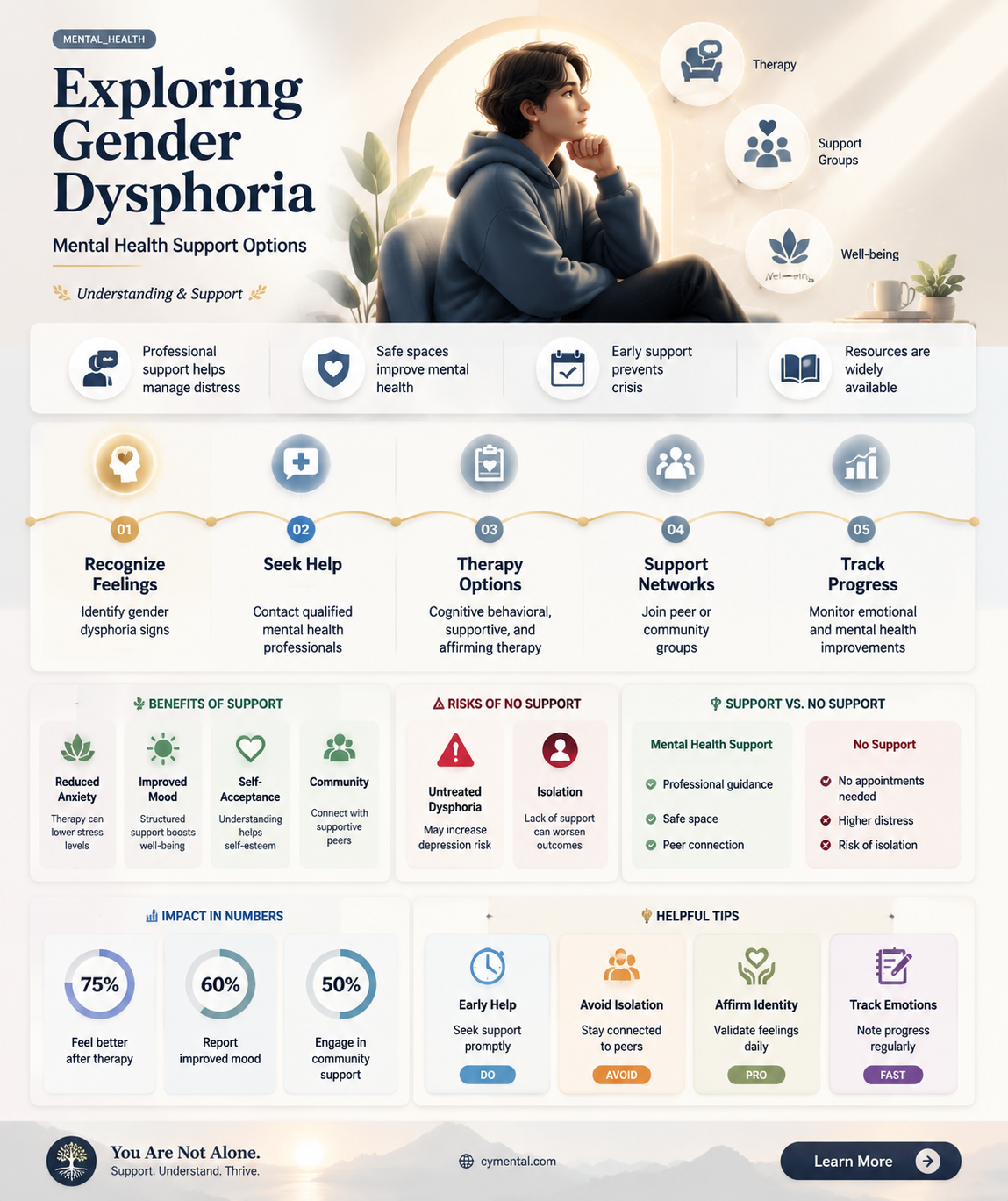
The question of whether gender dysphoria can be cured through mental health interventions is complex and often rooted in misunderstandings about the nature of gender identity. Gender dysphoria refers to the distress experienced by individuals whose gender identity differs from the sex assigned to them at birth. While therapy and mental health support can play a crucial role in helping individuals cope with the emotional challenges associated with gender dysphoria, they do not cure it, as gender identity is an inherent aspect of a person’s identity, not a mental illness. Instead, evidence-based approaches, such as gender-affirming care, focus on alleviating distress, fostering self-acceptance, and supporting individuals in aligning their external presentation and medical status with their affirmed gender. Attempts to change or suppress gender identity through conversion therapy or other coercive methods are widely condemned by medical and psychological organizations as ineffective and harmful. The goal of mental health interventions should be to provide compassionate, affirming care that respects and validates an individual’s gender identity.
| Characteristics | Values |
|---|---|
| Definition of Gender Dysphoria | A distressing discrepancy between one’s assigned gender at birth and one’s gender identity, often accompanied by significant emotional and psychological discomfort. |
| Can It Be "Cured"? | Gender dysphoria is not considered a mental illness but a recognized medical condition. It cannot be "cured" in the traditional sense, as gender identity is inherent and not a disorder. |
| Role of Mental Health Support | Mental health interventions (therapy, counseling) can help individuals manage distress, explore identity, and develop coping strategies, but they do not alter gender identity. |
| Effective Therapies | Gender-affirming therapy, cognitive-behavioral therapy (CBT), and supportive counseling are recommended to address co-occurring mental health issues like anxiety or depression. |
| Conversion Therapy | Widely condemned by medical organizations (e.g., WHO, APA) as ineffective and harmful. It does not change gender identity and can cause severe psychological damage. |
| Medical Transition Options | Hormone therapy, gender-affirming surgeries, and social transition are evidence-based approaches to alleviate dysphoria, often used alongside mental health support. |
| Long-Term Outcomes | Access to gender-affirming care (medical and mental health) is associated with improved mental health, reduced suicidality, and better quality of life. |
| Professional Consensus | Leading organizations (e.g., WPATH, APA) emphasize that gender dysphoria requires validation and support, not attempts to change gender identity. |
| Ethical Considerations | Efforts to "cure" gender dysphoria through non-affirming methods are unethical and violate human rights principles. |
| Latest Research (as of 2023) | Studies reinforce that gender-affirming care is the gold standard, with mental health support focusing on well-being rather than altering identity. |
Explore related products


$26.21 $49.95


What You'll Learn
- Therapy Approaches: Exploring CBT, DBT, and other therapies to manage gender dysphoria symptoms effectively
- Mental Health Support: Role of counseling in addressing co-occurring anxiety, depression, and emotional distress
- Gender Affirmation: How mental health care can complement gender-affirming treatments for holistic well-being
- Self-Acceptance: Therapy’s focus on fostering self-acceptance and reducing internalized stigma in individuals
- Limitations of Therapy: Understanding therapy’s role in alleviating distress, not curing gender dysphoria itself

Therapy Approaches: Exploring CBT, DBT, and other therapies to manage gender dysphoria symptoms effectively
Gender dysphoria, the distress experienced due to a mismatch between one’s gender identity and assigned sex at birth, is not a condition to be "cured" but rather managed effectively to improve quality of life. Therapy plays a pivotal role in this process, offering tools to navigate emotional challenges, build resilience, and foster self-acceptance. Among the most researched and effective approaches are Cognitive Behavioral Therapy (CBT), Dialectical Behavior Therapy (DBT), and other specialized modalities tailored to the unique needs of transgender and gender-diverse individuals.
CBT is particularly effective in addressing the intrusive thoughts and negative beliefs that often accompany gender dysphoria. By identifying and challenging distorted thinking patterns—such as "I am not valid in my identity"—individuals can reduce anxiety and depression. For example, a 16-week CBT program might include weekly sessions focusing on restructuring thoughts, behavioral experiments (e.g., practicing gender-affirming behaviors in safe environments), and homework assignments like journaling. Studies show that CBT can significantly decrease dysphoria symptoms in adolescents and adults, though its success often depends on the therapist’s cultural competency and the individual’s readiness to engage.
DBT, originally designed for borderline personality disorder, has been adapted to support gender-diverse individuals in managing intense emotions and interpersonal challenges. Its core components—mindfulness, emotion regulation, distress tolerance, and interpersonal effectiveness—are particularly useful for those facing societal rejection or internalized stigma. A typical DBT program involves weekly group skills training and individual therapy sessions. For instance, a transgender teenager might use mindfulness techniques to ground themselves during moments of dysphoria or practice setting boundaries with unsupportive family members. While DBT is less studied in this context than CBT, its focus on acceptance and change aligns well with gender-affirming care.
Beyond CBT and DBT, other therapies like acceptance and commitment therapy (ACT) and narrative therapy offer unique benefits. ACT encourages individuals to accept dysphoric feelings without judgment while committing to actions aligned with their values, such as pursuing gender-affirming medical care. Narrative therapy helps individuals rewrite their personal stories, emphasizing their gender identity as a source of strength rather than shame. For example, a client might explore how their gender journey has shaped their resilience, reframing past struggles as chapters in a larger, empowering narrative. These approaches are often integrated into a personalized treatment plan, depending on the individual’s goals and preferences.
Practical tips for maximizing therapy’s effectiveness include finding a therapist with expertise in gender diversity, setting clear goals (e.g., reducing social anxiety, improving body image), and incorporating adjunctive strategies like peer support groups or creative expression. While therapy alone does not "cure" gender dysphoria, it equips individuals with the emotional and cognitive tools to live authentically and thrive. The key lies in tailoring these approaches to honor each person’s unique experience, ensuring that therapy is a collaborative, affirming process rather than a one-size-fits-all solution.
Anime's Impact: Exploring Mental Health Benefits and Emotional Healing
You may want to see also
Explore related products


Mental Health Support: Role of counseling in addressing co-occurring anxiety, depression, and emotional distress
Gender dysphoria, the distress experienced due to a mismatch between one’s gender identity and assigned sex at birth, is not a mental illness but a recognized medical condition. However, individuals with gender dysphoria often face co-occurring mental health challenges such as anxiety, depression, and emotional distress, exacerbated by societal stigma, discrimination, and internal conflict. While gender dysphoria itself is not "cured" through mental health support, counseling plays a pivotal role in alleviating these co-occurring conditions, fostering resilience, and improving overall well-being.
Analytical Perspective:
Counseling interventions, particularly those rooted in cognitive-behavioral therapy (CBT) and mindfulness-based approaches, have proven effective in addressing anxiety and depression in transgender and gender-diverse individuals. For instance, CBT helps reframe negative thought patterns related to gender identity, while mindfulness techniques reduce emotional distress by grounding individuals in the present moment. A 2021 study published in *Psychology of Sexual Orientation and Gender Diversity* found that transgender individuals who received gender-affirming counseling reported a 40% reduction in depressive symptoms over six months. This highlights the importance of tailored mental health support in mitigating the psychological toll of gender dysphoria.
Instructive Approach:
For mental health professionals, integrating gender-affirming care into counseling sessions is essential. Start by creating a safe, nonjudgmental space where clients can explore their gender identity without fear of invalidation. Use gender-neutral language and respect preferred names and pronouns. Incorporate evidence-based strategies such as dialectical behavior therapy (DBT) to teach emotional regulation skills, particularly for clients experiencing intense distress. For adolescents, involve family therapy to address familial conflicts and foster understanding, as parental support is a critical protective factor against mental health issues in this age group.
Comparative Insight:
Unlike medical interventions like hormone therapy or gender-affirming surgeries, which directly address gender dysphoria, counseling focuses on the psychological fallout of living in a gender-nonconforming body or society. While both approaches are complementary, counseling is uniquely positioned to tackle internalized stigma, social isolation, and existential angst. For example, a 25-year-old transgender man might experience relief from testosterone therapy but still struggle with workplace discrimination. Counseling can help him develop coping strategies for these external stressors, demonstrating the distinct yet interconnected roles of medical and mental health support.
Descriptive Example:
Consider the case of a 19-year-old non-binary individual who presents with severe anxiety and suicidal ideation due to family rejection. Through weekly counseling sessions, they learn to challenge self-critical thoughts ("I’m a burden") and build a support network through LGBTQ+ community groups. Over time, their anxiety decreases, and they report feeling more empowered to advocate for their identity. This transformation underscores how counseling not only alleviates co-occurring mental health issues but also strengthens the individual’s ability to navigate societal challenges.
Persuasive Argument:
Investing in accessible, culturally competent mental health services for transgender and gender-diverse individuals is not just a matter of compassion—it’s a public health imperative. Studies show that transgender people who receive adequate mental health support are 50% less likely to attempt suicide, a stark statistic given that this population faces disproportionately high rates of suicidal ideation. By prioritizing counseling as a core component of gender-affirming care, we can address the root causes of emotional distress and create a more inclusive society.
In conclusion, while counseling cannot "cure" gender dysphoria, it is indispensable in managing the anxiety, depression, and emotional distress that often accompany it. Through evidence-based, empathetic, and individualized approaches, mental health professionals can significantly enhance the quality of life for transgender and gender-diverse individuals, paving the way for greater authenticity and well-being.
Prisoner Mental Health Support: Accessing Care Behind Bars
You may want to see also
Explore related products

$10.01 $17.95


Gender Affirmation: How mental health care can complement gender-affirming treatments for holistic well-being
Gender dysphoria, the distress experienced due to a mismatch between one’s gender identity and assigned sex at birth, is not a condition that can be "cured" in the traditional sense. Instead, it is managed through gender-affirming treatments, which may include medical interventions like hormone therapy or surgeries, alongside social transitions. Mental health care plays a pivotal role in this process, not as a standalone cure, but as a complementary tool that enhances holistic well-being. By addressing psychological challenges such as anxiety, depression, and self-esteem issues, mental health support can empower individuals to navigate their gender journey with resilience and clarity.
Consider the case of a 25-year-old transgender man who begins testosterone therapy. While the physical changes align with his gender identity, he may still grapple with internalized stigma or fear of societal rejection. A therapist specializing in gender-affirming care can provide a safe space to explore these emotions, offering coping strategies tailored to his experiences. For instance, cognitive-behavioral therapy (CBT) can help reframe negative thought patterns, while mindfulness techniques may reduce stress during social transitions. This integration of mental health care ensures that the individual’s emotional and psychological needs are addressed alongside their physical transformation.
Instructively, mental health care should be woven into the fabric of gender-affirming treatment plans from the outset. For adolescents, family therapy can be particularly beneficial, helping parents and caregivers understand and support their child’s gender identity. For adults, group therapy sessions with other transgender or non-binary individuals can foster a sense of community and reduce feelings of isolation. Practical tips include seeking therapists with specific training in gender diversity, such as those certified by the World Professional Association for Transgender Health (WPATH), and incorporating self-care practices like journaling or creative expression to process emotions.
Comparatively, while gender-affirming treatments address the physical and social aspects of gender dysphoria, mental health care targets the underlying emotional and psychological barriers. For example, a study published in the *International Journal of Transgender Health* found that transgender individuals who received both medical and psychological support reported higher levels of life satisfaction compared to those who received medical care alone. This highlights the synergistic effect of combining these approaches, rather than viewing them as separate or competing interventions.
Ultimately, the goal of integrating mental health care into gender affirmation is to foster holistic well-being. It’s about creating a foundation of emotional stability and self-acceptance that allows individuals to fully embrace their authentic selves. By addressing mental health proactively, rather than reactively, individuals can navigate their gender journey with greater confidence and resilience. This approach not only enhances the effectiveness of gender-affirming treatments but also promotes long-term mental health and quality of life.
Supporting Student Well-being: Practical Strategies for Schools to Enhance Mental Health
You may want to see also
Explore related products

$69.95 $74.99

$19.77 $32.95


Self-Acceptance: Therapy’s focus on fostering self-acceptance and reducing internalized stigma in individuals
Gender dysphoria, the distress experienced due to a mismatch between one’s gender identity and assigned sex at birth, is not a condition to be "cured" but rather a deeply personal experience that requires understanding and support. Therapy plays a pivotal role in this context, not by erasing gender identity but by fostering self-acceptance and dismantling internalized stigma. This approach empowers individuals to embrace their authentic selves, reducing emotional suffering and improving overall well-being.
One effective therapeutic framework is Cognitive Behavioral Therapy (CBT), which helps individuals challenge negative thought patterns that contribute to self-rejection. For example, a transgender person might internalize societal messages that their identity is invalid or shameful. CBT works by identifying these harmful beliefs and replacing them with affirmations rooted in self-worth. A practical exercise might involve journaling daily affirmations like, "My gender identity is valid," or "I deserve to live authentically." Over time, this practice can rewire thought processes, fostering a more compassionate self-perception.
Another critical aspect of therapy is exploring social conditioning and its impact on self-esteem. Many individuals with gender dysphoria have absorbed stigmatizing attitudes from their environment, leading to internalized transphobia. Therapists often use narrative techniques to help clients reframe their life stories, emphasizing resilience and strength rather than shame. For instance, a therapist might guide a client to reflect on moments when they defied societal expectations, reinforcing the idea that their identity is a source of courage, not weakness. This process is particularly impactful for adolescents and young adults, who are often navigating intense societal pressures.
Group therapy and peer support also play a vital role in fostering self-acceptance. Engaging with others who share similar experiences can reduce feelings of isolation and normalize struggles with gender identity. For example, a transgender support group might provide a safe space for individuals to share their journeys, celebrate milestones, and collectively challenge internalized stigma. Research shows that peer support significantly enhances self-esteem and reduces symptoms of depression and anxiety in transgender individuals.
Finally, therapists often incorporate mindfulness and self-compassion practices to help clients cultivate a kinder relationship with themselves. Techniques such as body scan meditations or loving-kindness exercises can help individuals reconnect with their bodies in a non-judgmental way, which is particularly important for those experiencing dysphoria. A simple practice might involve sitting quietly and repeating phrases like, "May I be kind to myself," or "May I accept myself as I am." These practices, when done consistently (e.g., 10–15 minutes daily), can lead to profound shifts in self-perception.
In conclusion, therapy’s focus on self-acceptance and reducing internalized stigma is not about changing gender identity but about creating a safe internal environment where individuals can thrive. By combining evidence-based techniques with personalized support, mental health professionals empower clients to embrace their true selves, transforming gender dysphoria from a source of suffering into a catalyst for growth and authenticity.
Boost Focus and Calm: Strategies for Achieving Mental Clarity
You may want to see also
Explore related products

$48.02 $69.95


Limitations of Therapy: Understanding therapy’s role in alleviating distress, not curing gender dysphoria itself
Therapy, particularly approaches like cognitive-behavioral therapy (CBT) or mindfulness-based interventions, can significantly reduce the psychological distress associated with gender dysphoria. For instance, a 2020 study published in the *International Journal of Transgender Health* found that individuals who engaged in therapy reported lower levels of anxiety and depression. However, it’s critical to understand that therapy does not alter the core experience of gender dysphoria itself. Instead, it equips individuals with coping mechanisms to manage the emotional toll of societal stigma, self-doubt, or familial rejection. For example, a therapist might help a client reframe negative self-talk from "I am broken" to "I am navigating a complex experience," fostering resilience without addressing the dysphoria’s root cause.
Consider the analogy of chronic pain management: therapy can teach strategies to live with discomfort, but it doesn’t eliminate the pain source. Similarly, gender dysphoria often persists as a lived reality, even with therapeutic support. A common misconception is that therapy can "fix" gender identity, a notion rooted in outdated pathologization of transgender experiences. Modern ethical guidelines, such as those from the World Professional Association for Transgender Health (WPATH), emphasize that therapy should focus on affirming identity rather than attempting to change it. For adolescents, this might involve exploring gender expression in safe environments, while adults may work on building confidence for social transitions.
Practical limitations of therapy include its ineffectiveness in addressing physical dysphoria, which often requires medical interventions like hormone therapy or surgeries. For instance, a transgender man experiencing chest dysphoria cannot find relief through talk therapy alone. Additionally, therapy’s success depends on the individual’s goals and the therapist’s competence. A 2018 survey in *LGBT Health* revealed that 40% of transgender individuals reported negative therapy experiences, often due to providers lacking specialized training. To mitigate this, seek therapists with certifications in gender-affirming care, such as those accredited by WPATH or the Gender Affirmative Therapy Training Program.
Finally, while therapy can alleviate distress, it cannot substitute for social and systemic support. A transgender person may develop robust coping skills in therapy but still face discrimination at work or school. Advocacy for inclusive policies, such as workplace protections or access to gender-neutral facilities, complements therapeutic efforts by reducing external stressors. In this way, therapy is a tool—not a cure—in the broader toolkit for managing gender dysphoria, emphasizing the need for a holistic approach that respects the multidimensional nature of transgender experiences.
Hydration and Mind: How Drinking Water Boosts Mental Health
You may want to see also
Frequently asked questions
Gender dysphoria is not considered a mental illness but rather a condition where an individual experiences distress due to a mismatch between their gender identity and assigned sex at birth. Mental health support can help individuals manage distress, but it does not "cure" gender dysphoria. Instead, therapy, such as gender-affirming care, focuses on supporting the individual’s gender identity and improving overall well-being.
For many individuals, therapy alone is not sufficient to resolve gender dysphoria. While counseling can provide emotional support and coping strategies, many people seek gender-affirming medical interventions, such as hormone therapy or surgeries, to align their physical appearance with their gender identity. Therapy and medical care often work together to address the multifaceted needs of the individual.
No, conversion therapy is widely condemned by medical and mental health professionals as ineffective and harmful. Attempts to change or suppress an individual’s gender identity can lead to severe psychological distress, including depression, anxiety, and suicidal ideation. Affirming and supportive care is the evidence-based approach to helping individuals with gender dysphoria live authentically and healthily.