Madison Cole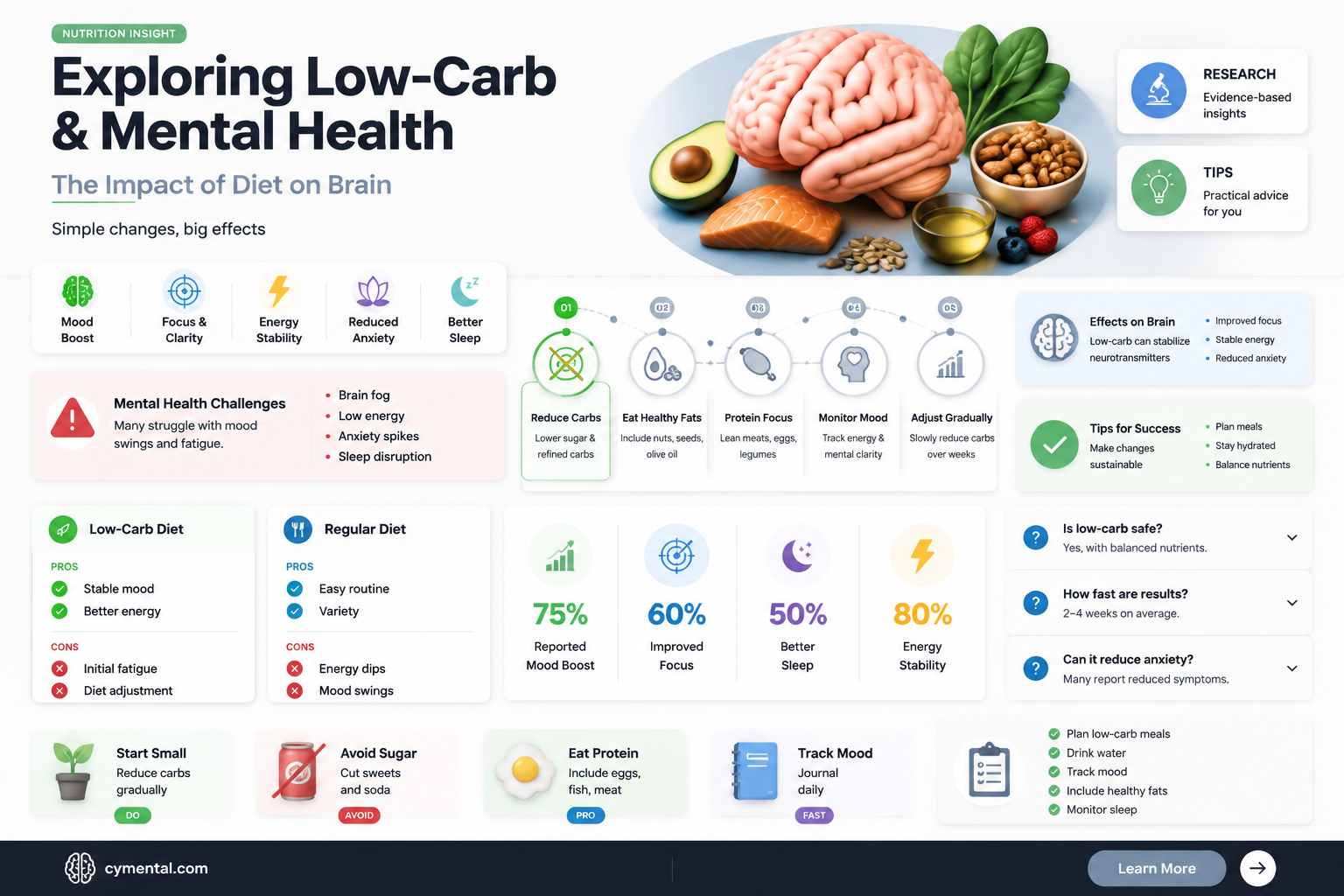
Eating a low-carb diet has become increasingly popular in recent years, with many people adopting this dietary approach to lose weight, manage blood sugar levels, or improve overall health. However, there is growing concern about the potential impact of low-carb diets on mental health. Some studies suggest that restricting carbohydrates can lead to changes in mood, energy levels, and cognitive function. This has prompted a debate among health professionals and researchers about the long-term effects of low-carb diets on mental well-being. In this article, we will explore the current evidence on the relationship between low-carb diets and mental health, and discuss the potential benefits and risks associated with this dietary approach.
| Characteristics | Values |
|---|---|
| Potential Impact | Eating a low-carb diet may affect mental health positively or negatively depending on individual circumstances. |
| Positive Effects | Some people may experience improved mood, reduced anxiety, and increased energy levels. |
| Negative Effects | Others may experience irritability, fatigue, and difficulty concentrating. |
| Nutrient Influence | Low-carb diets can lead to reduced intake of certain nutrients like folate, thiamine, and vitamin B6, which are important for brain function. |
| Hormonal Changes | Changes in insulin and cortisol levels due to low-carb eating can impact mental health. |
| Individual Variability | People with pre-existing mental health conditions may be more susceptible to the effects of a low-carb diet. |
| Long-term Effects | The long-term impact of a low-carb diet on mental health is not well-studied and may vary greatly among individuals. |
| Dietary Balance | Ensuring adequate intake of essential nutrients through a balanced low-carb diet can help mitigate potential negative effects on mental health. |
| Monitoring | It is important for individuals to monitor their mental health and consult with a healthcare professional if they experience any adverse effects while following a low-carb diet. |
| Research Gaps | More research is needed to fully understand the relationship between low-carb diets and mental health outcomes. |
Explore related products


What You'll Learn
- Mood Changes: Low carb diets may lead to mood swings due to reduced serotonin levels
- Energy Levels: Decreased carbohydrate intake can cause fatigue, impacting mental well-being
- Brain Function: Low carb diets might affect cognitive function, including memory and concentration
- Depression Risk: Some studies suggest a link between low carb diets and increased depression risk
- Anxiety Levels: Reduced carb intake may influence anxiety levels, potentially worsening symptoms

Mood Changes: Low carb diets may lead to mood swings due to reduced serotonin levels
Low-carb diets, while popular for weight loss and blood sugar control, have been linked to potential mood changes. This connection is primarily due to the impact of reduced carbohydrate intake on serotonin levels in the brain. Serotonin is a neurotransmitter that plays a crucial role in regulating mood, and its levels can be influenced by dietary choices.
When carbohydrate intake is significantly lowered, the body produces less insulin, which in turn affects the uptake of tryptophan, an amino acid essential for serotonin synthesis. Lower levels of tryptophan can lead to decreased serotonin production, potentially resulting in mood swings, irritability, and even symptoms of depression.
Research on the topic has yielded mixed results, with some studies suggesting that low-carb diets can indeed lead to mood changes, while others have found no significant impact. However, anecdotal evidence from individuals following low-carb diets often points to mood swings as a common side effect.
It's important to note that the impact of low-carb diets on mood may vary depending on individual factors such as genetics, overall health, and the specific type of low-carb diet being followed. For example, a ketogenic diet, which is very low in carbohydrates and high in fats, may have different effects on mood compared to a more moderate low-carb diet.
If you're considering a low-carb diet and are concerned about potential mood changes, it's advisable to consult with a healthcare professional. They can help you weigh the benefits and risks and provide guidance on how to mitigate any negative effects on your mental health. Additionally, incorporating mood-boosting foods such as those rich in omega-3 fatty acids, vitamin D, and antioxidants can help support mental well-being while following a low-carb diet.
Exploring the Link Between ADHD and Mental Health: A Comprehensive Guide
You may want to see also
Explore related products


Energy Levels: Decreased carbohydrate intake can cause fatigue, impacting mental well-being
The human brain is a high-energy organ, consuming approximately 20% of the body's total energy expenditure. Carbohydrates, particularly glucose, are the primary source of fuel for the brain. When carbohydrate intake is significantly reduced, as in low-carb diets, the brain must adapt to using alternative energy sources, such as ketones. This transition can lead to a temporary decrease in energy levels, manifesting as fatigue, brain fog, and difficulty concentrating.
The impact of decreased carbohydrate intake on mental well-being is multifaceted. Fatigue can exacerbate symptoms of depression and anxiety, as individuals may feel too tired to engage in activities they once enjoyed. Moreover, the brain's ability to regulate emotions and respond to stressors is compromised when energy levels are low. This can result in increased irritability, mood swings, and a decreased ability to cope with daily challenges.
It is essential to note that the effects of low-carb diets on mental health are not universal and can vary greatly among individuals. Some people may experience improved mental clarity and mood when following a low-carb diet, particularly if they have underlying conditions such as insulin resistance or type 2 diabetes. However, for others, the initial energy slump and potential nutrient deficiencies can negatively impact mental well-being.
To mitigate the potential mental health effects of low-carb diets, it is crucial to ensure adequate intake of essential nutrients, including vitamins, minerals, and healthy fats. Additionally, gradually reducing carbohydrate intake and incorporating regular physical activity can help the body and brain adapt to the new energy sources more effectively. Monitoring mental health symptoms and consulting with a healthcare professional if significant changes occur is also advisable.
In conclusion, while low-carb diets can offer numerous health benefits, it is essential to be aware of the potential impact on mental well-being, particularly in terms of energy levels and mood regulation. By taking a balanced and informed approach, individuals can minimize the risks and maximize the benefits of low-carb eating.
Unveiling the Crucial Link: Sleep's Impact on Mental Health
You may want to see also
Explore related products



Brain Function: Low carb diets might affect cognitive function, including memory and concentration
Low-carb diets have become increasingly popular for their potential benefits in weight loss and metabolic health. However, recent research suggests that these diets might also have an impact on cognitive function, including memory and concentration. This raises important questions about the long-term effects of low-carb eating on mental health and brain function.
One study published in the journal "Nutritional Neuroscience" found that individuals following a low-carb diet experienced decreased performance on memory-based tasks compared to those on a high-carb diet. The researchers hypothesized that this could be due to the reduced availability of glucose, the brain's primary source of energy, in the low-carb group. Another study in the "Journal of Alzheimer's Disease" reported that a low-carb diet might increase the risk of cognitive decline in older adults, possibly by affecting the levels of certain neurotransmitters involved in memory and learning.
On the other hand, some research suggests that low-carb diets could have potential benefits for certain aspects of mental health. For example, a study in the "Journal of Psychiatric Research" found that a low-carb diet might improve symptoms of depression and anxiety in individuals with bipolar disorder. The researchers speculated that this could be due to the stabilizing effects of low-carb eating on blood sugar levels and insulin sensitivity, which are known to influence mood regulation.
It's important to note that the relationship between low-carb diets and cognitive function is still an area of ongoing research, and more studies are needed to fully understand the potential effects. In the meantime, individuals considering a low-carb diet should weigh the potential benefits against the possible risks and consult with a healthcare professional to determine if this type of diet is appropriate for their individual needs and health status.
In conclusion, while low-carb diets might offer benefits for weight loss and metabolic health, their impact on cognitive function and mental health is still a topic of debate. Further research is needed to elucidate the complex relationship between diet, brain function, and mental health, and to provide evidence-based guidance for individuals considering a low-carb eating approach.
Exploring the Impact of Skull Fractures on Mental Health
You may want to see also
Explore related products


Depression Risk: Some studies suggest a link between low carb diets and increased depression risk
Recent research has uncovered a potential link between low-carbohydrate diets and an increased risk of depression. This finding is particularly noteworthy given the popularity of low-carb diets for weight loss and metabolic health. The study suggests that individuals who drastically reduce their carbohydrate intake may experience changes in brain chemistry that could contribute to depressive symptoms.
One possible explanation for this link is the role of carbohydrates in the production of serotonin, a neurotransmitter that helps regulate mood. Carbohydrates are a primary source of tryptophan, an amino acid that is converted into serotonin in the brain. When carbohydrate intake is significantly reduced, the availability of tryptophan may decrease, potentially leading to lower serotonin levels and an increased risk of depression.
Furthermore, low-carb diets often emphasize high-fat and high-protein foods, which can impact the gut microbiome. The gut and the brain are closely connected through the gut-brain axis, and alterations in the gut microbiome have been linked to various mental health conditions, including depression. Therefore, the composition of a low-carb diet may influence mental health not only through its effect on brain chemistry but also through its impact on the gut microbiome.
It is important to note that while these findings are intriguing, they do not definitively prove a causal relationship between low-carb diets and depression. More research is needed to fully understand the complex interplay between diet and mental health. However, individuals who are considering a low-carb diet should be aware of these potential risks and consult with a healthcare professional to discuss the best approach for their overall health and well-being.
The Emotional Toll: How Breakups Can Impact Your Mental Health
You may want to see also
Explore related products


Anxiety Levels: Reduced carb intake may influence anxiety levels, potentially worsening symptoms
Reduced carbohydrate intake has been linked to changes in anxiety levels, with some studies suggesting that it may exacerbate symptoms of anxiety. This potential effect on mental health is thought to be related to the role of carbohydrates in regulating serotonin levels in the brain. Serotonin is a neurotransmitter that plays a crucial role in mood regulation, and low levels have been associated with increased anxiety.
One study published in the journal Psychopharmacology found that a low-carbohydrate diet led to increased anxiety in rats. The researchers suggested that this effect was due to the reduced availability of tryptophan, an amino acid that is converted into serotonin in the brain. Another study published in the journal Appetite found that a low-carbohydrate diet led to increased cortisol levels in humans, which is a hormone associated with stress and anxiety.
However, it is important to note that the relationship between carbohydrate intake and anxiety levels is complex and not fully understood. Some studies have found no significant effect of low-carbohydrate diets on anxiety levels, and it is possible that individual differences in metabolism and brain chemistry may influence the impact of reduced carbohydrate intake on mental health.
In terms of practical implications, individuals who are considering a low-carbohydrate diet should be aware of the potential risks to their mental health and should consult with a healthcare professional before making significant changes to their diet. It may also be helpful to monitor anxiety levels and other mental health symptoms while following a low-carbohydrate diet and to adjust the diet as needed to minimize any negative effects.
Overall, while the evidence suggests that reduced carbohydrate intake may influence anxiety levels, more research is needed to fully understand the relationship between diet and mental health. Individuals should approach dietary changes with caution and should prioritize their overall well-being, including both physical and mental health.
Chilling Effects: How a Cold Can Impact Your Mental Well-being
You may want to see also
Frequently asked questions
Yes, eating low carb can affect your mental health. Some people may experience improved mood and reduced symptoms of depression and anxiety, while others may experience negative effects such as irritability, fatigue, and difficulty concentrating.
Some potential benefits of a low carb diet on mental health include improved mood, reduced symptoms of depression and anxiety, and increased energy levels.
Some potential drawbacks of a low carb diet on mental health include irritability, fatigue, difficulty concentrating, and increased risk of nutrient deficiencies.
To minimize the negative effects of a low carb diet on mental health, it's important to ensure you're getting enough nutrients, including vitamins and minerals, and to gradually transition into the diet rather than making sudden changes. It's also important to listen to your body and adjust your diet as needed.