Harper Lewis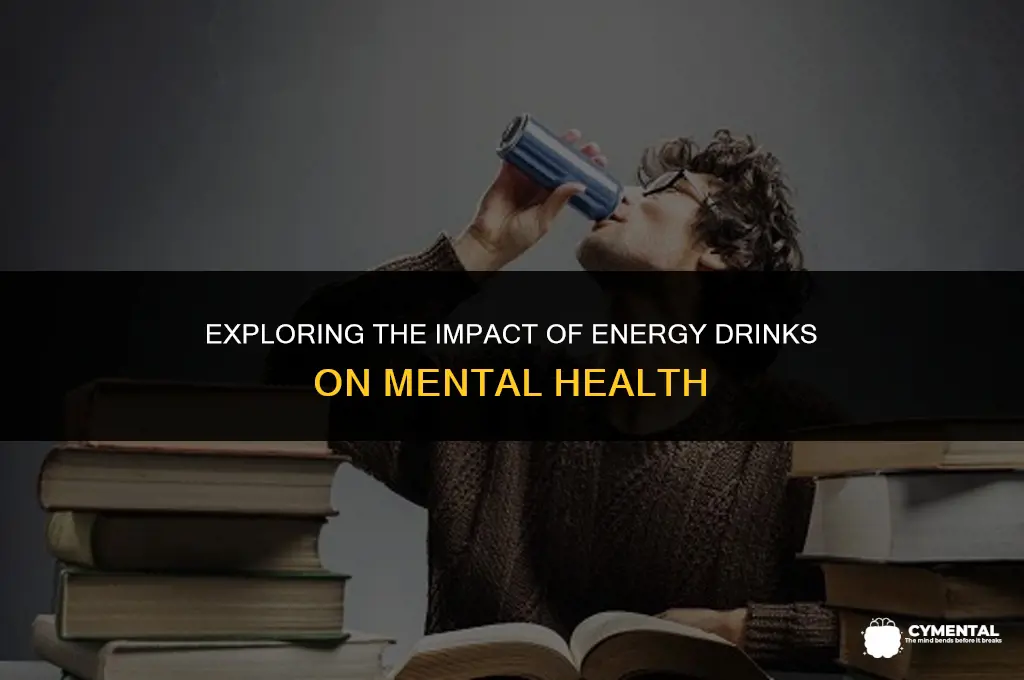
Energy drinks have become increasingly popular in recent years, especially among young adults and adolescents seeking a quick boost in energy and focus. However, concerns have been raised about the potential impact of these beverages on mental health. The high caffeine content in energy drinks can lead to increased alertness and improved cognitive performance in the short term, but excessive consumption has been linked to negative effects such as anxiety, insomnia, and even psychosis in some cases. Additionally, the sugar content in many energy drinks can contribute to mood swings and energy crashes. While the occasional energy drink is unlikely to cause significant harm, it is important to be aware of the potential risks associated with regular consumption, particularly for individuals with pre-existing mental health conditions.
Explore related products


What You'll Learn
- Caffeine and Anxiety: High caffeine intake can exacerbate anxiety symptoms and increase stress levels
- Sugar Impact: Excessive sugar in energy drinks may lead to mood swings and potential depressive episodes
- Sleep Disturbances: Consuming energy drinks, especially before bedtime, can disrupt sleep patterns, affecting overall mental well-being
- Dependency and Withdrawal: Regular energy drink consumption can lead to caffeine dependency, causing withdrawal symptoms like irritability and fatigue
- Nutrient Deficiencies: Energy drinks may displace healthier beverage choices, potentially leading to deficiencies in essential nutrients important for mental health

Caffeine and Anxiety: High caffeine intake can exacerbate anxiety symptoms and increase stress levels
Caffeine, a common stimulant found in energy drinks, coffee, and tea, can have a significant impact on mental health, particularly in individuals prone to anxiety. High caffeine intake has been shown to exacerbate anxiety symptoms and increase stress levels, making it a critical factor to consider for those managing anxiety disorders.
Research indicates that caffeine can interfere with the body's natural stress response, leading to increased feelings of anxiety and tension. This is because caffeine blocks the action of adenosine, a neurotransmitter that helps regulate the body's stress response. As a result, the body's "fight or flight" response can be triggered more easily, leading to heightened anxiety levels.
Furthermore, excessive caffeine consumption can lead to physical symptoms that mimic anxiety, such as increased heart rate, tremors, and insomnia. These symptoms can further exacerbate anxiety in susceptible individuals, creating a vicious cycle of stress and anxiety.
It is essential for individuals with anxiety disorders to monitor their caffeine intake and consider reducing or eliminating it from their diet. This can be particularly challenging for those who rely on energy drinks or coffee to get through the day. However, there are alternative ways to boost energy levels without resorting to caffeine, such as regular exercise, a balanced diet, and adequate sleep.
In conclusion, while caffeine may provide a temporary energy boost, its potential impact on anxiety and stress levels should not be overlooked. Individuals with anxiety disorders should be cautious about their caffeine intake and consider alternative energy-boosting strategies to maintain their mental health.
The Mental Impact of Groping: Understanding the Psychological Effects
You may want to see also
Explore related products


Sugar Impact: Excessive sugar in energy drinks may lead to mood swings and potential depressive episodes
The consumption of energy drinks has become a widespread phenomenon, particularly among young adults and adolescents seeking a quick energy boost. However, the high sugar content in these beverages can have detrimental effects on mental health, leading to mood swings and potential depressive episodes. Research has shown that excessive sugar intake can disrupt the balance of neurotransmitters in the brain, such as serotonin and dopamine, which play a crucial role in regulating mood and emotions.
A study published in the Journal of Affective Disorders found that individuals who consumed high amounts of sugar were more likely to experience symptoms of depression and anxiety. The sugar crash that follows the initial energy boost can lead to feelings of fatigue, irritability, and sadness, which can be particularly problematic for individuals who are already prone to mood disorders. Furthermore, the artificial sweeteners used in some energy drinks have been linked to increased anxiety and depression in animal studies.
The impact of sugar on mental health is not limited to mood swings and depressive episodes. Excessive sugar consumption has also been linked to cognitive impairment, including reduced memory and attention span. This can be particularly concerning for students and young professionals who rely on energy drinks to help them focus and concentrate. In addition, the high sugar content in energy drinks can contribute to weight gain and obesity, which are known risk factors for depression and other mental health issues.
It is important to note that the effects of sugar on mental health can vary depending on individual factors such as age, gender, and overall health status. However, the evidence suggests that reducing sugar intake can be a beneficial strategy for improving mental health outcomes. Health professionals recommend limiting daily sugar intake to no more than 25 grams for women and 35 grams for men. For individuals who are struggling with mood disorders, it may be helpful to work with a healthcare provider to develop a personalized nutrition plan that takes into account their specific needs and circumstances.
In conclusion, the high sugar content in energy drinks can have significant implications for mental health, leading to mood swings, depressive episodes, and cognitive impairment. By being mindful of sugar intake and making healthier beverage choices, individuals can take an important step towards protecting their mental well-being.
The Unseen Struggle: How Mental Health Affects Us All
You may want to see also
Explore related products


Sleep Disturbances: Consuming energy drinks, especially before bedtime, can disrupt sleep patterns, affecting overall mental well-being
Consuming energy drinks, particularly in the hours leading up to bedtime, can significantly disrupt sleep patterns. The high caffeine content in these beverages acts as a stimulant, making it more difficult for the brain to wind down and enter a restful state. This can lead to insomnia, where individuals struggle to fall asleep or stay asleep throughout the night. Over time, chronic sleep disturbances can have a profound impact on mental well-being, contributing to increased stress, anxiety, and even depression.
Research has shown that the effects of caffeine on sleep can vary depending on individual tolerance and the timing of consumption. For some, even small amounts of caffeine consumed several hours before bedtime can interfere with sleep quality. This is because caffeine has a half-life of approximately 6 hours, meaning that half of the caffeine consumed is still present in the body after this time. As a result, it is generally recommended to avoid energy drinks and other caffeinated beverages for at least 6 hours before bedtime to minimize their impact on sleep.
In addition to caffeine, energy drinks often contain other ingredients that can further exacerbate sleep disturbances. For example, some energy drinks contain taurine, an amino acid that has been shown to increase alertness and improve cognitive function. While this may be beneficial during the day, it can make it more challenging to relax and fall asleep at night. Other common ingredients in energy drinks, such as sugar and artificial sweeteners, can also contribute to sleep problems by causing blood sugar spikes and crashes, which can disrupt the body's natural sleep-wake cycle.
To mitigate the effects of energy drinks on sleep, it is important to be mindful of consumption timing and quantity. Limiting energy drink intake to earlier in the day and avoiding them altogether in the evening can help improve sleep quality. Additionally, choosing energy drinks with lower caffeine content or opting for decaffeinated alternatives can be a helpful strategy for those who still wish to enjoy the taste and perceived benefits of energy drinks without compromising their sleep.
In conclusion, while energy drinks can provide a temporary boost in energy and alertness, their consumption, especially before bedtime, can have detrimental effects on sleep patterns and overall mental well-being. By understanding the impact of energy drinks on sleep and taking steps to moderate consumption, individuals can better protect their sleep quality and maintain optimal mental health.
Exploring the Link Between Celiac Disease and Mental Health
You may want to see also
Explore related products


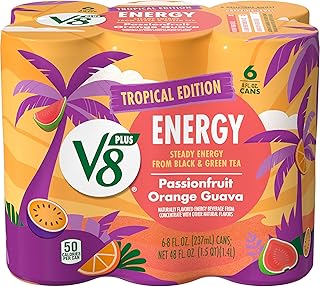
Dependency and Withdrawal: Regular energy drink consumption can lead to caffeine dependency, causing withdrawal symptoms like irritability and fatigue
Regular energy drink consumption can lead to caffeine dependency, causing withdrawal symptoms like irritability and fatigue. This dependency occurs because the body adapts to the consistent presence of caffeine, leading to a decrease in the production of adenosine, a neurotransmitter that regulates sleep and wakefulness. When caffeine intake is suddenly reduced or stopped, the body struggles to adjust, resulting in withdrawal symptoms.
The severity of withdrawal symptoms can vary depending on the individual's level of caffeine dependency. Common symptoms include headaches, fatigue, irritability, anxiety, and difficulty concentrating. In some cases, individuals may also experience physical symptoms such as muscle pain, nausea, and tremors. These symptoms can significantly impact daily functioning and overall well-being.
To mitigate the risk of caffeine dependency and withdrawal, it is essential to consume energy drinks in moderation. Limiting intake to no more than one or two energy drinks per day can help prevent the body from becoming overly reliant on caffeine. Additionally, gradually reducing caffeine intake over time can help minimize withdrawal symptoms.
It is also important to be aware of the other ingredients in energy drinks, such as sugar and artificial sweeteners, which can have their own set of health implications. Choosing energy drinks with lower sugar content or opting for sugar-free alternatives can help reduce the risk of weight gain, dental problems, and other health issues associated with high sugar intake.
In conclusion, while energy drinks can provide a temporary boost in energy and alertness, regular consumption can lead to caffeine dependency and withdrawal symptoms. By consuming energy drinks in moderation and being mindful of their ingredients, individuals can enjoy the benefits of these beverages while minimizing the potential risks to their mental and physical health.
Navigating Work Life with Mental Illness: Challenges and Triumphs
You may want to see also
Explore related products


Nutrient Deficiencies: Energy drinks may displace healthier beverage choices, potentially leading to deficiencies in essential nutrients important for mental health
Energy drinks have become a staple in many people's daily routines, often replacing healthier beverage options like water, milk, or natural fruit juices. This shift can have significant implications for mental health, as energy drinks may lead to nutrient deficiencies that impact cognitive function and overall well-being.
One of the primary concerns is the displacement of nutrient-rich beverages. For instance, milk is an excellent source of calcium, vitamin D, and protein, all of which are crucial for maintaining strong bones and supporting muscle function. Similarly, natural fruit juices provide essential vitamins, minerals, and antioxidants that help protect against oxidative stress and inflammation. When energy drinks replace these healthier options, individuals may miss out on these vital nutrients, potentially leading to deficiencies that can negatively affect mental health.
Energy drinks themselves often contain high levels of caffeine and sugar, which can exacerbate nutrient deficiencies. Excessive caffeine consumption can lead to symptoms such as anxiety, insomnia, and restlessness, while high sugar intake has been linked to increased risk of depression and other mental health issues. Furthermore, the artificial sweeteners and additives found in many energy drinks may disrupt the body's natural balance of nutrients, making it more challenging to maintain optimal mental health.
To mitigate these risks, it is essential to prioritize nutrient-dense beverages in one's diet. This includes consuming adequate amounts of water, milk, and natural fruit juices, while limiting the intake of energy drinks. Additionally, individuals should be mindful of their overall dietary habits, ensuring they consume a balanced diet rich in whole foods, lean proteins, and healthy fats. By taking these steps, individuals can help maintain optimal nutrient levels and support their mental health.
Exploring the Mental Health Impact of Antiretroviral Medications
You may want to see also
Frequently asked questions
While energy drinks themselves do not directly cause mental health issues, their high caffeine content can exacerbate existing conditions or contribute to symptoms such as anxiety, stress, and sleep disturbances. It's important to consume them in moderation and be aware of their potential impact on mental well-being.
The sugar content in energy drinks can lead to rapid spikes and crashes in blood sugar levels, which may affect mood and energy levels. Consuming high amounts of sugar can also contribute to inflammation and oxidative stress, potentially impacting brain health and cognitive function.
Long-term consumption of energy drinks has been associated with an increased risk of developing mental health issues such as anxiety disorders, depression, and sleep problems. It's crucial to maintain a balanced diet and limit the intake of energy drinks to avoid potential long-term consequences.
Yes, energy drinks can interact with certain mental health medications, particularly those that are sensitive to caffeine. Stimulants and some antidepressants may have adverse reactions when combined with the caffeine in energy drinks, potentially leading to increased side effects or reduced effectiveness of the medication. It's advisable to consult with a healthcare professional about potential interactions.