Ava Ramirez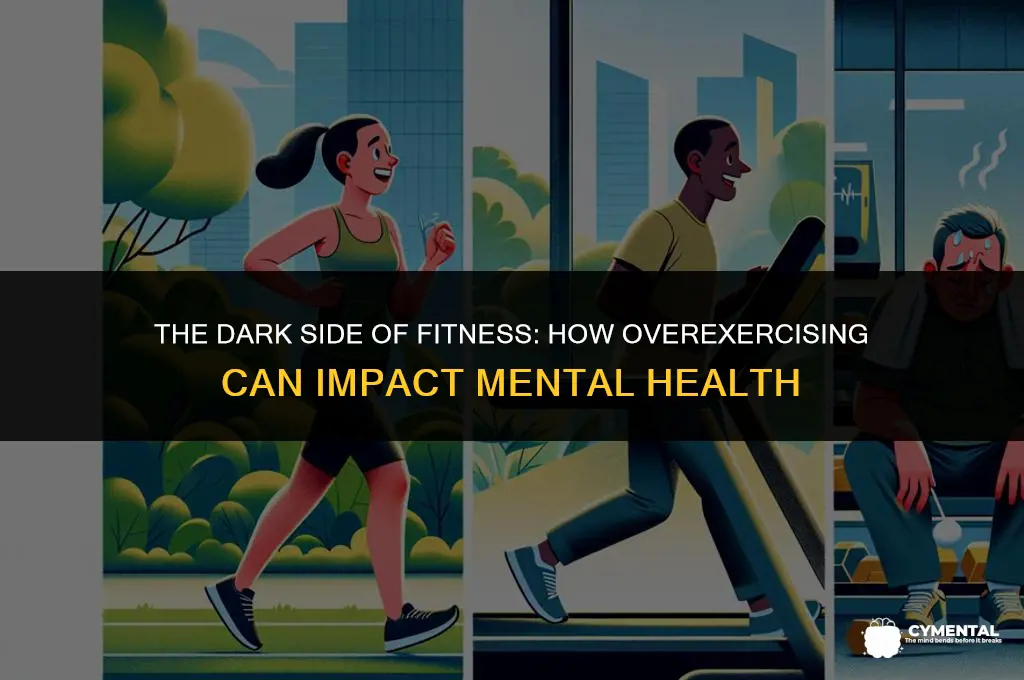
Excessive exercise, while often praised for its physical benefits, can have a profound impact on mental health. This topic explores the delicate balance between maintaining physical fitness and avoiding the potential psychological pitfalls of overtraining. It delves into how an obsession with exercise can lead to anxiety, depression, and other mental health issues, as well as the importance of recognizing the signs of overexertion and finding a healthy equilibrium. Understanding this relationship is crucial for promoting overall well-being and ensuring that exercise remains a positive and beneficial activity.
Explore related products


$10.99 $18.99

$10.6 $19.99


What You'll Learn
- Physical Exhaustion: Overexertion can lead to fatigue, impacting mood and cognitive function negatively
- Hormonal Imbalance: Excessive exercise may disrupt hormone levels, potentially causing anxiety and depression
- Sleep Disturbances: Intense physical activity can interfere with sleep patterns, affecting overall mental well-being
- Social Isolation: Spending too much time exercising might lead to social withdrawal, increasing feelings of loneliness
- Obsessive Behavior: Compulsive exercising can be a sign of underlying mental health issues, such as OCD

Physical Exhaustion: Overexertion can lead to fatigue, impacting mood and cognitive function negatively
Excessive physical activity can lead to a state of chronic fatigue, which in turn can have a detrimental impact on an individual's mental health. This is because overexertion depletes the body's energy reserves, leading to a decrease in the production of neurotransmitters such as serotonin and dopamine, which are essential for maintaining a positive mood and cognitive function. As a result, individuals who engage in excessive exercise may experience symptoms such as irritability, anxiety, and depression.
Furthermore, overexertion can also lead to a decrease in the body's ability to recover and repair itself, which can exacerbate the negative effects on mental health. This is because the body requires adequate rest and recovery time to rebuild muscle tissue and replenish energy stores, and when this is not provided, the body may enter a state of chronic stress. Chronic stress can then lead to a decrease in the production of cortisol, a hormone that is essential for regulating the body's response to stress, which can further impact mental health.
In addition to the physiological effects of overexertion, there are also psychological factors that can contribute to the negative impact on mental health. For example, individuals who engage in excessive exercise may experience a sense of guilt or shame if they are unable to maintain their exercise routine, which can lead to feelings of inadequacy and low self-esteem. Moreover, excessive exercise can also lead to social isolation, as individuals may prioritize their exercise routine over social activities, which can further exacerbate feelings of loneliness and depression.
It is important to note that while exercise can be beneficial for mental health, it is essential to engage in physical activity in moderation and to prioritize rest and recovery. Individuals should aim to engage in a balanced exercise routine that includes a mix of cardiovascular exercise, strength training, and flexibility exercises, and should also ensure that they are getting adequate sleep and nutrition to support their physical and mental well-being. By taking a holistic approach to exercise and mental health, individuals can reap the benefits of physical activity while minimizing the risks of overexertion and fatigue.
Nourishing Your Mind: The Impact of Healthy Eating on Mental Health
You may want to see also
Explore related products


$14.95 $19.99


Hormonal Imbalance: Excessive exercise may disrupt hormone levels, potentially causing anxiety and depression
Excessive exercise can lead to a hormonal imbalance in the body, which may have significant implications for mental health. When we engage in intense physical activity, our body releases various hormones, including cortisol, adrenaline, and endorphins. These hormones play a crucial role in regulating our mood, energy levels, and stress response. However, when we overdo it, our body may struggle to maintain the delicate balance of these hormones, leading to potential disruptions in our mental well-being.
One of the primary concerns with excessive exercise is the potential for elevated cortisol levels. Cortisol is often referred to as the "stress hormone" because it is released in response to stress. While it is essential for helping us cope with stress, chronically high cortisol levels can lead to anxiety, depression, and other mental health issues. In addition, excessive exercise can also lead to a decrease in serotonin levels, a neurotransmitter that plays a key role in regulating mood. Low serotonin levels have been linked to depression, anxiety, and other mood disorders.
Another hormonal imbalance that can occur with excessive exercise is a decrease in testosterone levels. Testosterone is a hormone that is essential for maintaining muscle mass, bone density, and sex drive. Low testosterone levels can lead to fatigue, irritability, and depression. In women, excessive exercise can also lead to a decrease in estrogen levels, which can cause irregular menstrual cycles, mood swings, and other symptoms.
It is essential to note that the effects of excessive exercise on hormonal balance can vary depending on the individual. Factors such as age, gender, fitness level, and overall health can all play a role in how exercise affects hormone levels. Additionally, the type and intensity of exercise can also impact hormonal balance. For example, high-intensity interval training (HIIT) and endurance exercises may have different effects on hormone levels compared to strength training or yoga.
To avoid the potential negative effects of excessive exercise on mental health, it is crucial to maintain a balanced exercise routine. This includes incorporating a variety of exercises, taking rest days, and listening to your body's signals. If you are experiencing symptoms of hormonal imbalance, such as anxiety, depression, or fatigue, it may be beneficial to consult with a healthcare professional to discuss your exercise routine and overall health.
Exploring the Impact of Stroke on Mental Health: A Comprehensive Guide
You may want to see also
Explore related products



Sleep Disturbances: Intense physical activity can interfere with sleep patterns, affecting overall mental well-being
Intense physical activity, particularly when performed close to bedtime, can significantly disrupt sleep patterns. This disruption occurs due to the body's increased production of cortisol and adrenaline during vigorous exercise, which are hormones that naturally interfere with the ability to fall asleep. Furthermore, the stimulation of the central nervous system during intense workouts can make it difficult for the brain to wind down and transition into a restful state.
Research indicates that while regular exercise is generally beneficial for sleep quality, excessive or high-intensity exercise can lead to insomnia and other sleep disturbances. This is especially true if the exercise is not balanced with adequate rest and recovery time. For instance, a study published in the Journal of Clinical Sleep Medicine found that high-intensity interval training (HIIT) performed within an hour of bedtime resulted in poorer sleep quality compared to moderate-intensity exercise or no exercise at all.
To mitigate these effects, it is recommended to schedule intense workouts earlier in the day, allowing the body sufficient time to recover and relax before sleep. Additionally, incorporating relaxation techniques such as meditation, deep breathing exercises, or gentle stretching routines in the evening can help counteract the stimulating effects of intense physical activity and promote better sleep.
It is also important to consider the overall exercise regimen and ensure that it is well-rounded, including a mix of cardiovascular, strength, and flexibility exercises. This balance can help prevent overtraining and reduce the likelihood of sleep disturbances. Moreover, paying attention to individual responses to exercise and adjusting the intensity and timing of workouts accordingly can further optimize sleep quality and overall mental well-being.
In summary, while exercise is crucial for maintaining good mental health, it is essential to be mindful of the potential negative impacts of intense physical activity on sleep patterns. By strategically scheduling workouts, incorporating relaxation techniques, and maintaining a balanced exercise regimen, individuals can harness the benefits of exercise while minimizing the risk of sleep disturbances and promoting overall mental well-being.
Exploring the Link Between Black Mold and Mental Health
You may want to see also
Explore related products


Social Isolation: Spending too much time exercising might lead to social withdrawal, increasing feelings of loneliness
Excessive exercise can lead to social isolation, which is a significant factor in mental health. When individuals spend too much time working out, they may neglect their social relationships, leading to feelings of loneliness and detachment. This can be particularly problematic for those who already struggle with social anxiety or have limited social support.
One way to mitigate this risk is to incorporate social activities into your exercise routine. For example, joining a group fitness class or a sports team can provide opportunities for social interaction while still allowing you to maintain your physical health. Additionally, scheduling regular social events, such as coffee dates or movie nights, can help ensure that you're not sacrificing your social life for your fitness goals.
It's also important to recognize the signs of social isolation and take steps to address them. If you find yourself feeling lonely or disconnected, reach out to friends and family members to reconnect. Consider joining a social club or volunteering in your community to expand your social circle. And if feelings of loneliness persist, don't hesitate to seek professional help from a mental health provider.
Ultimately, finding a balance between exercise and social interaction is key to maintaining good mental health. By being mindful of the potential risks of excessive exercise and taking steps to prioritize social connections, you can enjoy the benefits of physical activity without sacrificing your emotional well-being.
Exploring the Link Between Celiac Disease and Mental Health
You may want to see also
Explore related products




Obsessive Behavior: Compulsive exercising can be a sign of underlying mental health issues, such as OCD
Compulsive exercising, characterized by an irresistible urge to engage in physical activity beyond what is considered healthy or necessary, can be indicative of underlying mental health issues, particularly Obsessive-Compulsive Disorder (OCD). This condition manifests as a cycle of obsessions (intrusive, unwanted thoughts) and compulsions (repetitive behaviors performed in response to these thoughts). In the context of exercise, individuals may feel compelled to work out excessively, often to the point of physical exhaustion or injury, in an attempt to alleviate the anxiety or distress caused by their obsessive thoughts.
The relationship between OCD and compulsive exercising is complex. While regular exercise can be beneficial for mental health, providing a natural outlet for stress and anxiety, it can become problematic when it transforms into a compulsive behavior. This shift typically occurs when the individual begins to feel that they must exercise to prevent something bad from happening or to achieve a sense of perfection or control. The compulsive nature of the exercise can interfere with daily life, leading to social isolation, neglect of responsibilities, and physical health problems.
Identifying compulsive exercising can be challenging, as it often starts with a genuine interest in fitness and health. However, warning signs include exercising despite injury, feeling guilty or anxious when unable to exercise, prioritizing workouts over social engagements or work, and experiencing withdrawal symptoms such as irritability or depression when unable to engage in physical activity. If these behaviors are observed, it may be necessary to seek professional help from a mental health provider who can diagnose and treat the underlying OCD.
Treatment for compulsive exercising typically involves a combination of cognitive-behavioral therapy (CBT) and medication. CBT helps individuals identify and challenge the irrational thoughts and beliefs that drive their compulsive behaviors, while medication, such as selective serotonin reuptake inhibitors (SSRIs), can help reduce the symptoms of OCD. In addition to these interventions, it is important for individuals to develop a balanced approach to exercise, focusing on moderation and enjoyment rather than rigid routines or unrealistic goals.
In conclusion, while exercise is generally beneficial for mental health, it is crucial to recognize when it becomes a compulsive behavior that may be linked to underlying mental health issues such as OCD. By understanding the signs and seeking appropriate treatment, individuals can regain control over their exercise habits and improve their overall well-being.
The Impact of Peer Pressure on Mental Health: A Comprehensive Guide
You may want to see also
Frequently asked questions
Yes, excessive exercise can lead to negative impacts on mental health, including increased stress, anxiety, and depression. It's important to find a balance that works for you.
Signs of overexercising can include persistent fatigue, decreased performance, increased risk of injury, and a lack of motivation. If you're experiencing these symptoms, it may be time to reevaluate your exercise routine.
The amount of exercise that is considered too much varies depending on the individual. Generally, it's recommended to aim for at least 150 minutes of moderate-intensity exercise per week, but excessive exercise can be detrimental. It's important to listen to your body and find a balance that works for you.
To maintain a healthy balance between exercise and mental health, it's important to prioritize rest and recovery, set realistic goals, and find activities that you enjoy. Additionally, incorporating mindfulness practices, such as meditation or yoga, can help to reduce stress and improve overall well-being.