Lucas Bennett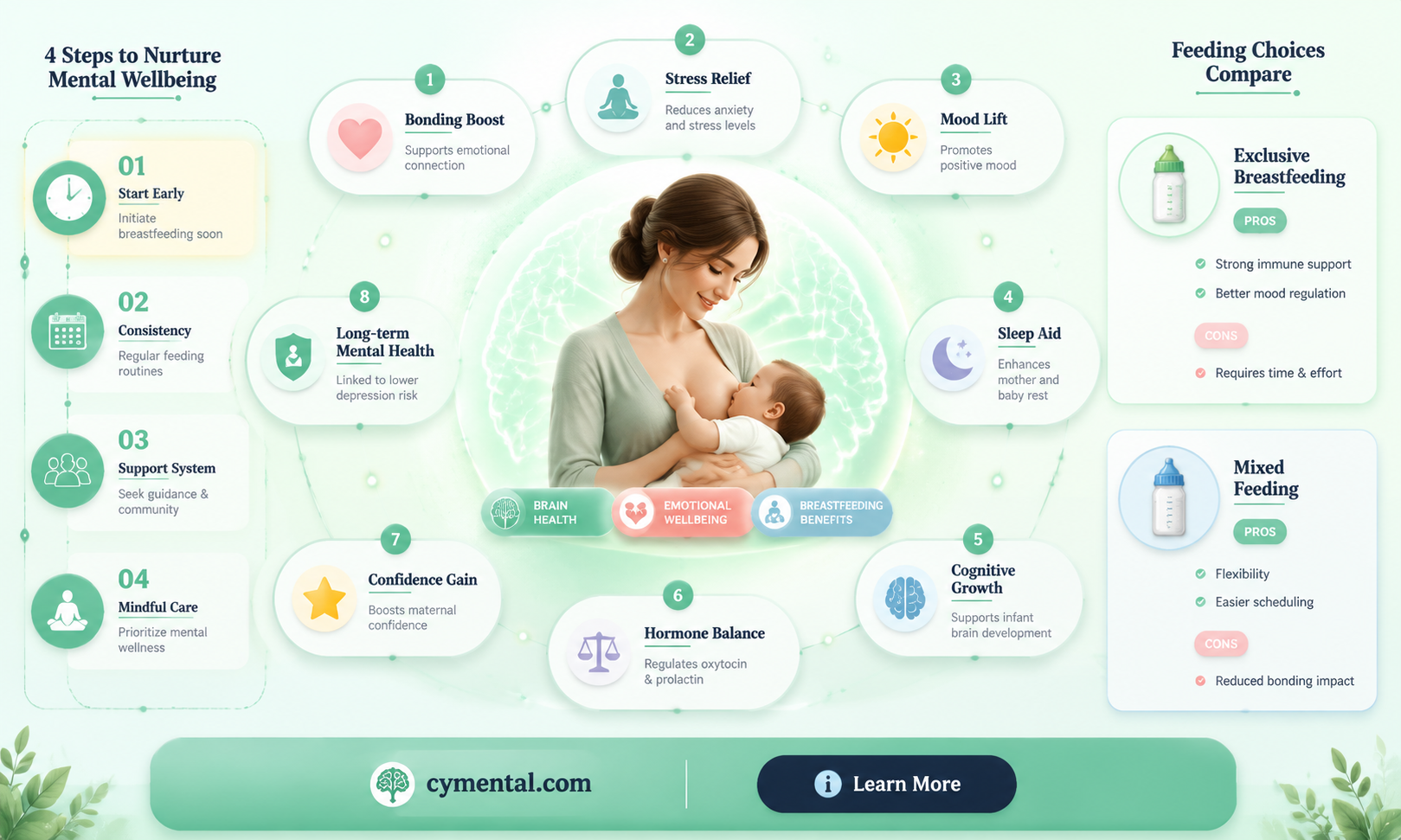
Breastfeeding is a vital aspect of maternal care that provides numerous health benefits for both the mother and the infant. While it is widely recognized for its positive impact on physical health, there is growing evidence to suggest that breastfeeding may also have significant effects on mental health. This topic explores the complex relationship between breastfeeding and mental well-being, examining how hormonal changes, social support, and the bonding experience may influence a mother's psychological state. By understanding these connections, healthcare professionals can better support new mothers and promote overall wellness during the postpartum period.
Explore related products

$16.48 $34.95


What You'll Learn
- Hormonal changes: Breastfeeding's impact on hormone levels and their influence on mood and mental well-being
- Stress and anxiety: How breastfeeding may exacerbate or alleviate stress and anxiety in new mothers
- Depression risk: Exploring the potential link between breastfeeding difficulties and postpartum depression
- Sleep deprivation: The effects of breastfeeding on sleep patterns and its consequences for mental health
- Social support: The role of social support systems in mitigating mental health challenges associated with breastfeeding

Hormonal changes: Breastfeeding's impact on hormone levels and their influence on mood and mental well-being
Breastfeeding triggers significant hormonal changes in a mother's body, primarily through the release of oxytocin and prolactin. Oxytocin, often referred to as the "love hormone," plays a crucial role in the let-down reflex, which facilitates milk flow. Prolactin, on the other hand, is essential for milk production. These hormonal shifts can have profound effects on a mother's mood and mental well-being.
Research indicates that breastfeeding can lead to increased feelings of relaxation and reduced stress levels, largely due to the calming effects of oxytocin. This hormone also promotes bonding between the mother and baby, fostering a sense of emotional well-being. However, the rapid fluctuations in hormone levels, particularly during the early stages of breastfeeding, can also contribute to mood swings and emotional instability.
It's important to note that individual experiences vary widely. Some mothers may find breastfeeding to be a deeply fulfilling and emotionally stabilizing experience, while others may struggle with feelings of anxiety or depression. Postpartum depression, which can occur in the weeks following childbirth, is a complex condition influenced by a multitude of factors, including hormonal changes, sleep deprivation, and the significant life transition of caring for a newborn.
Healthcare providers often recommend breastfeeding as a way to promote maternal mental health, citing the potential benefits of hormone-induced relaxation and bonding. However, it's crucial to acknowledge that breastfeeding is not a panacea for mental health issues. Mothers who are struggling with their mental well-being should seek professional support, regardless of their breastfeeding status.
In conclusion, the hormonal changes associated with breastfeeding can have a significant impact on a mother's mood and mental well-being. While these effects are generally positive, promoting relaxation and bonding, it's essential to recognize that individual experiences can vary, and that breastfeeding is not a substitute for professional mental health support when needed.
Exploring the Complex Relationship Between Drugs and Mental Health
You may want to see also
Explore related products


Stress and anxiety: How breastfeeding may exacerbate or alleviate stress and anxiety in new mothers
Breastfeeding, while often portrayed as a serene and bonding experience, can be a source of significant stress and anxiety for new mothers. The pressure to breastfeed successfully, coupled with the physical and emotional demands of caring for a newborn, can exacerbate feelings of anxiety and overwhelm. Hormonal changes post-birth, particularly the drop in estrogen and progesterone, can also contribute to mood swings and increased anxiety levels.
On the other hand, breastfeeding can also serve as a powerful tool for alleviating stress and anxiety. The act of breastfeeding releases oxytocin, often referred to as the "love hormone," which promotes feelings of relaxation and bonding between mother and child. This hormonal response can help counteract the stress of new motherhood and foster a sense of calm and well-being.
Several strategies can help new mothers manage stress and anxiety while breastfeeding. Establishing a comfortable and supportive environment for breastfeeding, seeking help from lactation consultants or support groups, and practicing relaxation techniques such as deep breathing or meditation can all be beneficial. Additionally, it's important for new mothers to prioritize self-care, including getting adequate rest, staying hydrated, and maintaining a balanced diet.
In some cases, breastfeeding may not be the best choice for a mother's mental health. If breastfeeding is causing significant stress or anxiety, or if a mother is struggling with postpartum depression, it may be necessary to consider alternative feeding methods. It's crucial for new mothers to recognize when they need help and to seek support from healthcare professionals or mental health experts.
Ultimately, the decision to breastfeed should be made with careful consideration of both the potential benefits and challenges. By understanding the complex relationship between breastfeeding and mental health, new mothers can make informed choices that prioritize their well-being and the well-being of their babies.
Unveiling the Crucial Link: Sleep's Impact on Mental Health
You may want to see also
Explore related products


Depression risk: Exploring the potential link between breastfeeding difficulties and postpartum depression
Breastfeeding difficulties can significantly impact a mother's mental health, particularly in the postpartum period. Research suggests that challenges such as latch issues, low milk supply, and pain during breastfeeding can contribute to the development of postpartum depression (PPD). This connection is multifaceted, involving hormonal changes, stress, and societal pressures.
Hormonally, breastfeeding triggers the release of oxytocin, often referred to as the "love hormone," which promotes bonding and relaxation. However, when breastfeeding is difficult, the anticipated oxytocin release may be diminished, potentially leading to feelings of anxiety and depression. Additionally, the stress of managing breastfeeding challenges can disrupt the delicate balance of hormones in the postpartum period, further exacerbating mood disturbances.
Societal pressures also play a role. Mothers may feel overwhelmed by expectations to breastfeed successfully, leading to feelings of guilt and inadequacy when they encounter difficulties. This emotional burden can compound the stress of caring for a newborn, increasing the risk of PPD.
It's crucial for healthcare providers to recognize the potential link between breastfeeding difficulties and PPD. Early intervention and support, such as lactation consulting and mental health screening, can help mitigate these risks. Mothers should be encouraged to seek help without fear of judgment, and partners and family members should be educated on how to provide emotional support during this critical period.
In conclusion, while breastfeeding can have numerous benefits for both mother and baby, it's essential to address the potential mental health implications of breastfeeding difficulties. By fostering a supportive environment and providing access to resources, we can help mothers navigate these challenges and promote better mental health outcomes in the postpartum period.
The Hidden Impact: Bed Bugs and Mental Health Connection
You may want to see also
Explore related products


Sleep deprivation: The effects of breastfeeding on sleep patterns and its consequences for mental health
Breastfeeding, while beneficial for infant health, can significantly impact a mother's sleep patterns. The frequent need to feed, especially during the night, disrupts the mother's natural sleep cycle, leading to sleep deprivation. This lack of restful sleep can have profound effects on mental health, contributing to conditions such as postpartum depression and anxiety.
Research indicates that sleep deprivation can exacerbate symptoms of depression and anxiety, reduce cognitive function, and impair emotional regulation. For breastfeeding mothers, these effects can be compounded by the physical demands of caring for a newborn and the hormonal changes that occur postpartum. It is essential for new mothers to be aware of these potential impacts and to seek support if they are struggling with their mental health.
To mitigate the effects of sleep deprivation, breastfeeding mothers can try several strategies. Establishing a routine for feeding and sleep can help regulate the baby's schedule and improve the mother's sleep quality. Additionally, taking naps during the day when the baby sleeps can help make up for lost sleep at night. It is also important for mothers to prioritize self-care and to seek help from partners, family, or friends when needed.
In some cases, breastfeeding mothers may need to consider alternative feeding methods, such as formula feeding or pumping, to allow for more restful sleep. It is crucial to remember that the well-being of both the mother and the baby is important, and that there is no one-size-fits-all approach to breastfeeding and sleep.
Ultimately, while breastfeeding can have a significant impact on a mother's sleep patterns and mental health, there are strategies that can be employed to manage these effects. By being proactive and seeking support when needed, breastfeeding mothers can better navigate the challenges of sleep deprivation and maintain their mental well-being.
Exploring the Link Between Vegan Diets and Mental Health
You may want to see also
Explore related products


Social support: The role of social support systems in mitigating mental health challenges associated with breastfeeding
Breastfeeding, while often portrayed as a natural and straightforward process, can present significant mental health challenges for many mothers. The pressure to breastfeed, coupled with the physical demands and hormonal changes, can lead to feelings of anxiety, depression, and inadequacy. However, one crucial factor that can help mitigate these challenges is the presence of a strong social support system.
Social support can take many forms, from emotional encouragement to practical assistance. For breastfeeding mothers, having a supportive partner, family members, or friends can make a world of difference. These individuals can provide reassurance, help with household tasks, and offer a listening ear during difficult times. Additionally, community resources such as breastfeeding support groups and lactation consultants can offer valuable guidance and camaraderie.
Research has shown that social support can have a significant impact on a mother's mental health and breastfeeding success. A study published in the Journal of Obstetric, Gynecologic, and Neonatal Nursing found that mothers who received social support were more likely to continue breastfeeding and reported lower levels of stress and anxiety. Another study in the British Journal of Midwifery highlighted the importance of peer support, finding that mothers who participated in breastfeeding support groups experienced improved mental health outcomes.
In addition to emotional support, practical assistance can also play a vital role in reducing stress and promoting mental well-being. Simple acts such as helping with meal preparation, cleaning, or childcare can allow a breastfeeding mother to rest and recharge, which is essential for maintaining her mental health. Furthermore, access to accurate information and resources can empower mothers to make informed decisions about breastfeeding and address any concerns or challenges they may face.
In conclusion, social support is a critical component in addressing the mental health challenges associated with breastfeeding. By providing emotional encouragement, practical assistance, and access to resources, social support systems can help mothers navigate the complexities of breastfeeding and promote their overall well-being. It is essential for healthcare providers, policymakers, and communities to recognize the importance of social support and work to ensure that breastfeeding mothers have access to the resources and assistance they need.
Chilling Effects: How a Cold Can Impact Your Mental Well-being
You may want to see also
Frequently asked questions
Yes, breastfeeding can have both positive and negative effects on a mother's mental health. On the positive side, it can promote bonding and feelings of accomplishment. On the negative side, it can lead to stress, anxiety, and feelings of guilt, especially if there are difficulties with breastfeeding.
Common mental health challenges faced by breastfeeding mothers include postpartum depression, anxiety disorders, and stress related to the demands of breastfeeding. It's important for mothers to seek support and professional help if they experience any of these challenges.
Breastfeeding can support a mother's mental well-being by promoting the release of oxytocin, a hormone that helps with bonding and relaxation. It can also provide a sense of accomplishment and satisfaction, which can boost self-esteem and overall mental health.
Breastfeeding mothers who are struggling with their mental health can seek support from their healthcare provider, a lactation consultant, or a mental health professional. There are also support groups and online resources available that can provide guidance, encouragement, and a sense of community.