Caleb Wright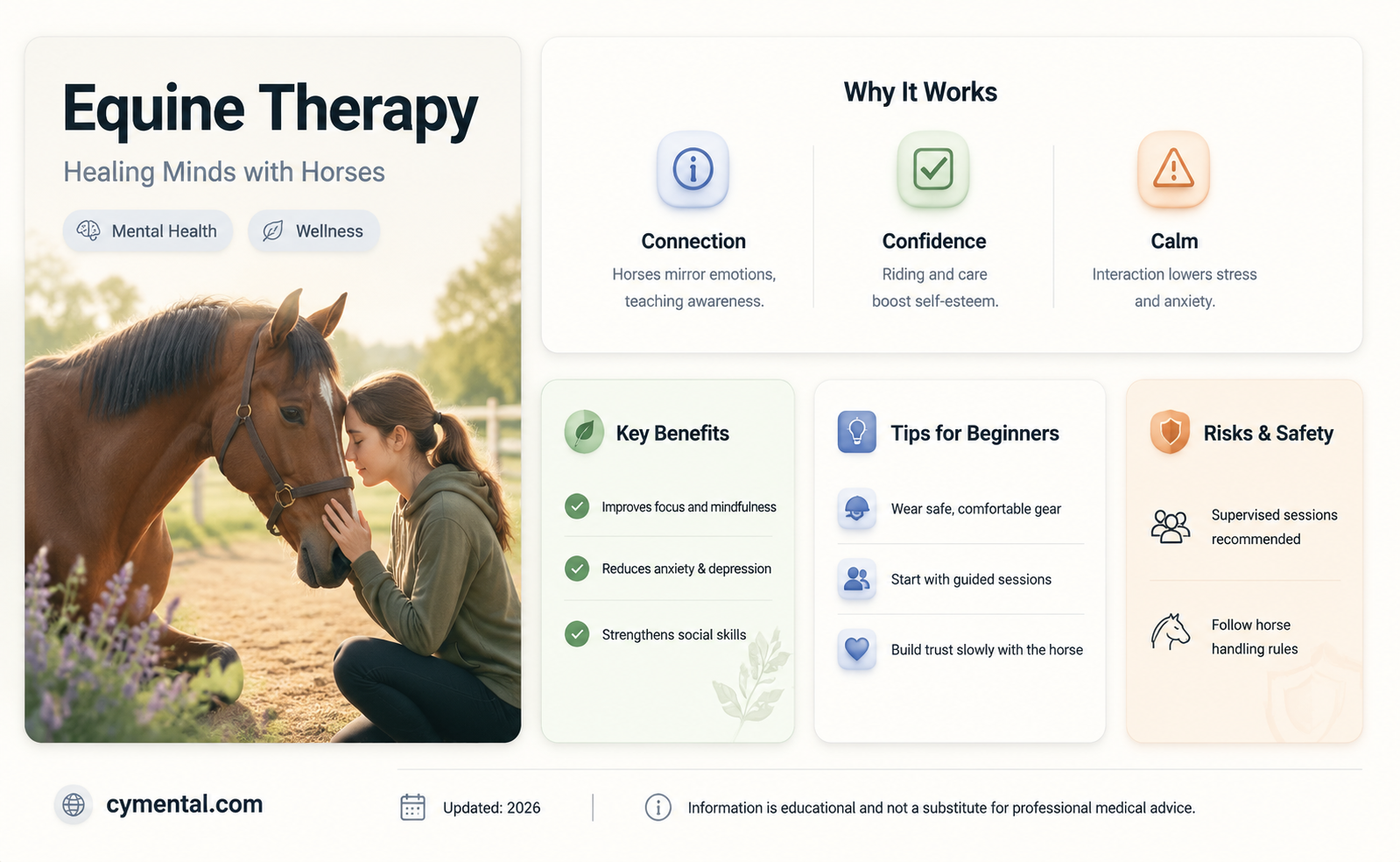
Horses have increasingly been recognized as powerful allies in supporting mental health, offering unique therapeutic benefits through their intuitive nature and non-judgmental presence. Equine-assisted therapy, a growing field in mental health treatment, leverages the bond between humans and horses to address issues such as anxiety, depression, PTSD, and trauma. Interacting with horses encourages emotional regulation, builds trust, and fosters mindfulness, as individuals learn to communicate and connect with these sensitive animals. The physical activity involved in horse care and riding also releases endorphins, promoting a sense of well-being. Additionally, the responsibility of caring for a horse can boost self-esteem and provide a sense of purpose, making equine therapy a holistic approach to healing and personal growth.
| Characteristics | Values |
|---|---|
| Emotional Regulation | Horses provide immediate feedback to human emotions, helping individuals become more aware of and regulate their emotional states. |
| Stress Reduction | Interacting with horses has been shown to lower cortisol levels, reducing stress and anxiety. |
| Mindfulness and Presence | Horse-assisted activities encourage mindfulness, as individuals must focus on the present moment to effectively communicate with the horse. |
| Confidence Building | Successfully interacting with and caring for a horse can boost self-esteem and confidence. |
| Social Skills | Group equine-assisted activities promote teamwork, communication, and social interaction, aiding those with social anxiety or difficulties. |
| Physical Activity | Horseback riding and grooming provide gentle physical exercise, which is beneficial for mental health. |
| Non-Judgmental Support | Horses offer unconditional acceptance, creating a safe space for individuals to express themselves without fear of judgment. |
| Responsibility and Routine | Caring for a horse establishes a sense of purpose, routine, and responsibility, which can be therapeutic for mental health. |
| Sensory Stimulation | The tactile and sensory experience of being around horses can be calming and grounding for individuals with sensory processing issues. |
| Trauma Recovery | Equine-assisted therapy has been used to help individuals process and recover from trauma, fostering trust and emotional healing. |
| Improved Mood | Interactions with horses release endorphins and oxytocin, contributing to improved mood and overall well-being. |
| Cognitive Development | Horse-related activities can enhance problem-solving skills, decision-making, and cognitive flexibility. |
| Attachment and Bonding | Building a bond with a horse can help individuals develop healthier attachment styles and relationships. |
| Nature Connection | Being outdoors with horses promotes a connection to nature, which has been linked to reduced symptoms of depression and anxiety. |
| Evidence-Based Practice | Numerous studies and programs (e.g., EAGALA, PATH Intl.) support the effectiveness of equine-assisted therapy for mental health. |
Explore related products


$12.5 $12.5


What You'll Learn

Equine-assisted therapy benefits for anxiety and depression
Horses, with their innate sensitivity and non-judgmental presence, offer a unique therapeutic environment for individuals struggling with anxiety and depression. Equine-assisted therapy (EAT) leverages the horse-human connection to foster emotional regulation, self-awareness, and confidence. Unlike traditional talk therapy, EAT engages participants in hands-on activities with horses, such as grooming, leading, or riding, which encourages mindfulness and grounding in the present moment. This approach is particularly effective for those who find verbal expression challenging, as the focus shifts to non-verbal communication and physical interaction.
One of the key benefits of EAT for anxiety is its ability to reduce stress through the release of oxytocin, often referred to as the "bonding hormone." Studies have shown that interacting with horses can lower cortisol levels, the body’s primary stress hormone, while increasing oxytocin, promoting a sense of calm and trust. For individuals with depression, the structured yet dynamic nature of EAT provides a sense of accomplishment and purpose. Tasks like leading a horse through an obstacle course require focus and problem-solving, which can help break the cycle of negative thoughts and feelings of helplessness.
Practical implementation of EAT often involves sessions lasting 45–60 minutes, conducted 1–2 times per week for 6–8 weeks, though this can vary based on individual needs. Therapists typically work alongside equine specialists to ensure safety and tailor activities to the participant’s goals. For example, someone with social anxiety might start with simple grooming exercises to build comfort around the horse before progressing to more interactive tasks. It’s important to note that no prior horse experience is necessary, making EAT accessible to a wide range of individuals, including adolescents and adults.
While EAT is not a standalone cure for anxiety or depression, it complements traditional therapies by addressing emotional and behavioral challenges in a novel way. The horse’s immediate feedback—whether through body language or response to cues—provides real-time opportunities for self-reflection and growth. For instance, a participant who struggles with assertiveness might learn to set boundaries by guiding a horse firmly yet gently, translating this skill into their personal relationships. This tangible, experiential learning often leads to deeper insights than verbal discussions alone.
Incorporating EAT into a mental health regimen requires careful consideration of individual preferences and physical abilities. For those with mobility issues, ground-based activities like grooming or leading can be just as effective as riding. Additionally, the outdoor setting of most EAT programs offers the added benefit of exposure to nature, which has been independently linked to improved mental well-being. As with any therapy, consistency and openness to the process are key to experiencing the full benefits of this powerful, horse-centered approach.
Supporting Mental Health: Practical Ways to Help Someone in Need
You may want to see also
Explore related products


$14.95 $14.95

$19.99 $7.95


Horses reducing stress through mindfulness and connection
Horses, with their innate sensitivity and non-judgmental presence, create an environment uniquely suited for fostering mindfulness and reducing stress. Unlike traditional therapy settings, equine-assisted activities place individuals in a natural, outdoor space where the focus shifts from internal turmoil to external engagement. The rhythmic motion of grooming or walking alongside a horse encourages a meditative state, grounding the mind in the present moment. Studies suggest that just 30 minutes of interaction with horses can significantly lower cortisol levels, the body’s primary stress hormone, making this a practical and accessible tool for stress management.
To harness the stress-reducing benefits of horses, start with simple, intentional practices. Begin by standing quietly near a horse, observing its breathing and mirroring its calm rhythm. This synchrony promotes a sense of connection and activates the parasympathetic nervous system, inducing relaxation. For deeper engagement, try mindful grooming, focusing on the texture of the horse’s coat and the repetitive motion of the brush. These activities not only reduce stress but also cultivate mindfulness, a skill that can be transferred to daily life. Avoid overstimulation by limiting sessions to 45–60 minutes, especially for beginners or those with high anxiety.
The connection formed between humans and horses is a powerful antidote to stress, rooted in the animal’s ability to mirror emotions without judgment. Horses are highly attuned to body language and energy, responding to even subtle shifts in human behavior. This dynamic encourages self-awareness and emotional regulation, as individuals learn to manage their reactions in the presence of these perceptive creatures. For instance, a tense posture or hurried movements may cause a horse to step away, providing immediate feedback on one’s emotional state. Over time, this interaction fosters a sense of calm and control, reducing stress through heightened self-awareness.
While equine-assisted activities are beneficial for all ages, they are particularly impactful for adolescents and adults struggling with chronic stress or anxiety. Programs tailored to these groups often incorporate structured exercises, such as leading a horse through an obstacle course, which requires focus and presence. For children, unstructured play with horses, like free grooming or gentle riding, can be equally effective. Regardless of age, consistency is key—regular sessions, ideally once or twice a week, maximize the stress-reducing benefits. Always prioritize safety by working with trained professionals and ensuring a comfortable environment for both participant and horse.
Empowering Actions: Simple Ways to Make a Positive Impact Today
You may want to see also
Explore related products


Building confidence and trust via horse interactions
Horses, with their innate sensitivity and non-judgmental nature, serve as powerful catalysts for building confidence and trust in individuals struggling with mental health issues. Unlike humans, horses respond to authenticity and consistency, forcing participants to cultivate these traits in themselves. This dynamic creates a safe space for individuals to confront insecurities and develop self-assurance through real-time feedback from the horse. For instance, a person who hesitates or projects uncertainty will find the horse mirroring that energy, refusing to move or engaging in avoidance behaviors. Conversely, clear, confident cues are met with cooperation, providing immediate validation of the individual’s ability to lead and communicate effectively.
To harness this potential, structured equine-assisted activities are designed to gradually challenge participants while fostering trust. A common exercise involves leading a horse through an obstacle course, requiring the individual to assert themselves while remaining calm and focused. For children aged 8–12, simpler tasks like grooming or guiding the horse in a small pen can build foundational confidence. Adolescents and adults might progress to more complex activities, such as mounting and directing the horse from the ground, which demand greater assertiveness and trust in one’s abilities. Practitioners often recommend weekly 45–60-minute sessions over 6–8 weeks to observe measurable improvements in self-esteem and interpersonal trust.
While the benefits are significant, it’s crucial to approach these interactions with caution. Horses are large, powerful animals, and participants must be physically and emotionally prepared. Individuals with severe anxiety or trauma may initially find the experience overwhelming, so sessions should be tailored to their comfort level. For example, starting with passive observations or gentle touch exercises can help build familiarity before progressing to more active roles. Additionally, certified equine therapists should always supervise to ensure safety and provide guidance, as misinterpreted horse behavior can lead to setbacks.
The transformative power of horse interactions lies in their ability to bypass verbal communication, tapping directly into emotional and behavioral patterns. A study published in the *Journal of Mental Health Counseling* found that participants in equine-assisted therapy reported a 30% increase in self-confidence after just eight sessions. This is particularly impactful for individuals who struggle with traditional talk therapy, as the horse becomes a non-threatening partner in the healing process. By focusing on the present moment and the tangible results of their actions, participants learn to trust themselves and their instincts, translating these skills into other areas of life.
Incorporating horse interactions into mental health treatment requires intentionality and respect for both the participant and the animal. Practitioners should emphasize the reciprocal nature of the relationship, teaching individuals to read the horse’s cues as much as they assert their own. For example, a participant who learns to recognize a horse’s signs of discomfort will become more attuned to their own emotional boundaries. This mutual understanding fosters a deeper sense of trust and confidence, proving that the bond between human and horse is not just therapeutic—it’s transformative.
Can Faith and Divine Intervention Aid Mental Health Struggles?
You may want to see also
Explore related products


Emotional regulation skills learned through equine activities
Horses, with their innate sensitivity and non-judgmental presence, offer a unique platform for developing emotional regulation skills. Unlike humans, horses respond to authenticity, forcing individuals to confront and manage their emotions in real-time. For instance, a tense or anxious handler will often elicit a skittish response from a horse, while calm, consistent energy fosters trust and cooperation. This immediate feedback loop creates a tangible incentive for self-regulation, making equine activities an effective tool for those struggling with emotional control.
Consider the process of grooming a horse. This seemingly simple task requires focus, patience, and awareness of both the horse’s body language and one’s own emotional state. A rushed or frustrated approach can lead to resistance from the horse, whereas a mindful, deliberate approach strengthens the bond and reinforces emotional stability. Over time, this practice translates into daily life, helping individuals recognize and modulate their emotions before they escalate. For children aged 8–12, structured grooming sessions of 20–30 minutes, twice weekly, have shown improvements in impulse control and emotional resilience.
Persuasively, equine-assisted activities provide a non-verbal outlet for processing complex emotions, particularly for individuals who struggle with verbal expression. Groundwork exercises, such as leading a horse through an obstacle course, demand clear communication and emotional consistency. A participant must balance assertiveness with empathy, mirroring the delicate balance required in human relationships. This experiential learning bypasses the need for explicit emotional labeling, making it particularly effective for adolescents and adults with trauma histories. Studies indicate that consistent participation in such activities (1–2 sessions per week for 8–12 weeks) can lead to measurable reductions in anxiety and improved emotional regulation.
Comparatively, traditional talk therapy often relies on cognitive processing, which can be challenging for individuals with limited emotional vocabulary or those who dissociate from their feelings. Equine activities, however, engage the body and emotions simultaneously, offering a more holistic approach. For example, mounting and riding a horse require trust, courage, and the ability to manage fear—skills directly applicable to navigating emotional challenges. This embodied learning is particularly beneficial for individuals with ADHD or PTSD, who often benefit from kinesthetic interventions.
Practically, incorporating equine activities into a mental health regimen requires careful consideration. Start with short, supervised sessions to build rapport with the horse and ensure safety. Wear appropriate attire, including closed-toe shoes and a helmet for riding. For those new to horses, begin with groundwork exercises before progressing to mounted activities. Pair these sessions with reflective journaling or guided discussions to integrate emotional insights. While equine activities are not a standalone treatment, they complement traditional therapies by providing a dynamic, experiential dimension to emotional regulation training.
Empowering Change: Simple Ways You Can Make a Difference Today
You may want to see also
Explore related products

$17.99 $17.99


PTSD symptom relief with horse-based therapeutic programs
Horses, with their intuitive nature and non-judgmental presence, have emerged as powerful allies in alleviating PTSD symptoms through structured therapeutic programs. Equine-assisted therapy (EAT) leverages the unique bond between humans and horses to address emotional and psychological challenges, offering a complementary approach to traditional treatments like cognitive-behavioral therapy (CBT) or medication. Unlike conventional methods, EAT engages individuals in hands-on activities with horses, fostering trust, self-awareness, and emotional regulation in a natural setting.
Consider the mechanics of a typical session: participants engage in groundwork exercises, such as leading or grooming a horse, under the guidance of a trained therapist and equine specialist. These activities require focus and presence, grounding individuals in the moment and disrupting the intrusive thoughts or hypervigilance often associated with PTSD. For instance, a veteran struggling with flashbacks might find that the rhythmic act of brushing a horse’s coat calms their nervous system, reducing anxiety and promoting mindfulness. Studies suggest that even short-term engagement, such as 8–12 weekly sessions, can yield measurable improvements in symptom severity, particularly in areas like emotional numbing and avoidance behaviors.
The effectiveness of horse-based programs lies in their ability to mirror and address core PTSD challenges. Horses, as prey animals, are highly attuned to human body language and emotional states, providing immediate feedback that encourages self-reflection. For example, a participant exhibiting tense or aggressive behavior may notice the horse responding with wariness, prompting them to adjust their approach and practice emotional control. This real-time interaction fosters a sense of agency and mastery, counteracting feelings of helplessness common in PTSD. Additionally, the physical presence of a horse can serve as a grounding anchor, helping individuals reconnect with their bodies and the present moment.
Practical considerations are essential for maximizing the benefits of these programs. Participants should wear closed-toe shoes and comfortable clothing to ensure safety and ease of movement during sessions. Programs often cater to diverse age groups, from adolescents to older adults, with tailored activities to suit varying physical abilities and therapeutic goals. For instance, younger individuals might engage in more dynamic tasks like obstacle courses, while older participants may focus on quieter interactions such as halter work. Cost and accessibility vary, but many organizations offer sliding-scale fees or scholarships to ensure inclusivity.
While horse-based therapy is not a standalone cure for PTSD, its holistic approach addresses symptoms on multiple levels—emotional, physical, and psychological. By combining the therapeutic power of human-animal interaction with structured interventions, these programs offer a unique pathway to healing. For those seeking alternative or supplementary treatments, equine-assisted therapy stands out as a compelling option, blending ancient wisdom with modern psychological insights to restore balance and resilience.
Seeking Support: Discovering Accessible Resources for Guidance and Assistance
You may want to see also
Frequently asked questions
Yes, horses can help with mental health through equine-assisted therapy (EAT) and equine-assisted activities (EAA). Interacting with horses has been shown to reduce stress, anxiety, and depression while promoting emotional regulation and self-confidence.
Horses improve mental health by providing non-judgmental companionship, encouraging mindfulness, and fostering trust and communication. Their responsive nature helps individuals develop emotional awareness and coping skills.
Horses can assist with conditions such as anxiety, depression, PTSD, ADHD, and autism. They are also beneficial for individuals dealing with trauma, grief, or low self-esteem.
Yes, studies have shown that equine-assisted therapy can reduce cortisol (stress hormone) levels, improve mood, and enhance social skills. Research supports its effectiveness for various mental health challenges.
No, horseback riding experience is not required. Many equine therapy programs focus on ground-based activities, such as grooming, leading, or interacting with horses, making it accessible to everyone.