Ava Ramirez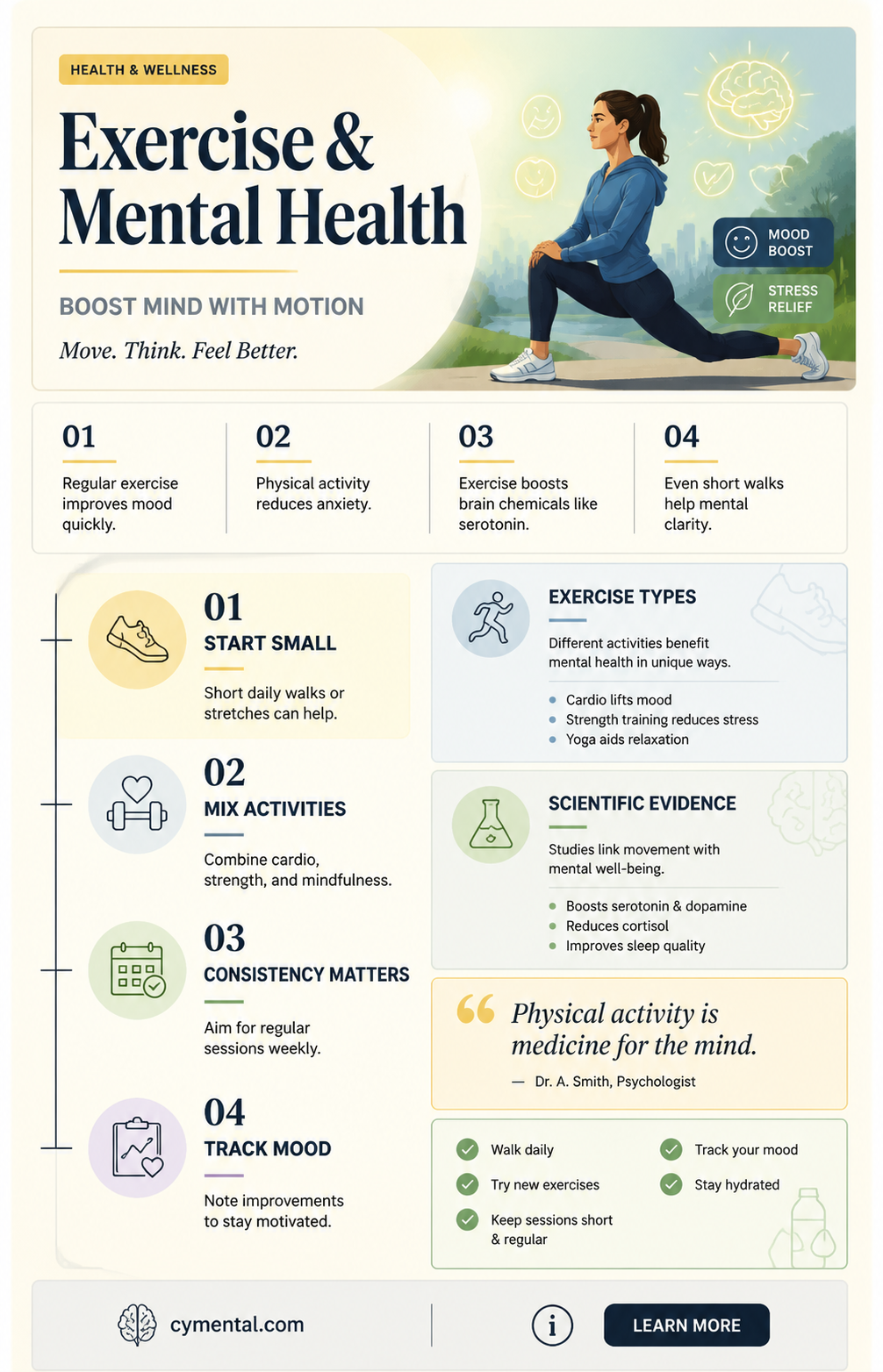
Exercise has been increasingly recognized as a powerful tool in managing and improving mental health. Numerous studies have shown that regular physical activity can alleviate symptoms of anxiety, depression, and stress by releasing endorphins, which act as natural mood lifters. Additionally, exercise promotes better sleep, boosts self-esteem, and provides a sense of accomplishment, all of which contribute to mental well-being. Beyond its biochemical effects, engaging in physical activity often fosters social connections and mindfulness, further enhancing its therapeutic benefits. While exercise is not a standalone cure for mental health disorders, it is a valuable complement to traditional treatments, offering a holistic approach to mental wellness.
| Characteristics | Values |
|---|---|
| Reduces Symptoms of Depression | Regular exercise can significantly reduce symptoms of depression by increasing brain sensitivity to serotonin and norepinephrine, which relieve depression. (Source: Mayo Clinic, 2023) |
| Alleviates Anxiety | Physical activity helps reduce anxiety by promoting neural growth and reducing stress hormones like cortisol. (Source: Harvard Medical School, 2023) |
| Improves Mood | Exercise stimulates the release of endorphins, neurotransmitters that create feelings of happiness and euphoria. (Source: American Psychological Association, 2023) |
| Enhances Cognitive Function | Regular exercise boosts memory, attention, and problem-solving skills by increasing blood flow to the brain and promoting neuroplasticity. (Source: Frontiers in Psychology, 2023) |
| Reduces Stress | Physical activity lowers stress levels by decreasing the body’s stress hormones and improving overall well-being. (Source: Anxiety and Depression Association of America, 2023) |
| Improves Sleep Quality | Exercise helps regulate sleep patterns, making it easier to fall asleep and improving overall sleep quality. (Source: National Sleep Foundation, 2023) |
| Boosts Self-Esteem | Achieving fitness goals through exercise can enhance self-confidence and self-worth. (Source: Mental Health Foundation, 2023) |
| Reduces Symptoms of ADHD | Exercise increases dopamine, norepinephrine, and serotonin levels, which help improve focus and reduce ADHD symptoms. (Source: Journal of Attention Disorders, 2023) |
| Mitigates PTSD Symptoms | Physical activity can reduce hyperarousal and re-experiencing symptoms in individuals with PTSD by regulating stress responses. (Source: Journal of Traumatic Stress, 2023) |
| Supports Long-Term Mental Health | Consistent exercise is associated with a reduced risk of developing mental health disorders over time. (Source: World Health Organization, 2023) |
| Promotes Social Interaction | Group exercises or team sports can reduce feelings of loneliness and provide social support, benefiting mental health. (Source: British Journal of Sports Medicine, 2023) |
| Recommended Duration | At least 150 minutes of moderate-intensity aerobic exercise or 75 minutes of vigorous-intensity exercise per week is recommended for mental health benefits. (Source: WHO Guidelines, 2023) |
| Accessibility | Exercise can be accessible to most people, including walking, jogging, yoga, or home workouts, making it a versatile tool for mental health improvement. (Source: CDC Physical Activity Guidelines, 2023) |
Explore related products

$10.99 $18.99

$10.88 $15.99

$10.6 $19.99


What You'll Learn
- Exercise and Depression: Physical activity reduces symptoms, boosts mood, and increases serotonin levels effectively
- Anxiety Reduction: Regular exercise lowers stress hormones and promotes relaxation naturally
- Cognitive Benefits: Enhances memory, focus, and brain function through increased blood flow
- PTSD Management: Exercise helps regulate emotions and reduces PTSD-related hyperarousal symptoms
- Social Connection: Group activities combat loneliness, improve self-esteem, and foster support networks

Exercise and Depression: Physical activity reduces symptoms, boosts mood, and increases serotonin levels effectively
Depression often feels like a heavy fog that clouds every aspect of life, but emerging research suggests a clear path through the mist: regular physical activity. Studies consistently show that exercise reduces symptoms of depression by up to 47% in some cases, rivaling the effectiveness of medication and therapy for mild to moderate conditions. This isn’t about running marathons; even 30 minutes of moderate exercise, like brisk walking or cycling, three to five times a week, can yield significant benefits. The key lies in consistency—making movement a non-negotiable part of your routine, even when motivation wanes.
The science behind this is both fascinating and actionable. Exercise triggers the release of serotonin, a neurotransmitter often depleted in depression, which regulates mood, sleep, and appetite. Simultaneously, physical activity reduces levels of stress hormones like cortisol, creating a biochemical environment less hospitable to depressive symptoms. For instance, a study published in *JAMA Psychiatry* found that participants who engaged in 120 minutes of moderate exercise weekly experienced a 26% reduction in depressive symptoms compared to sedentary controls. Practical tip: Pair exercise with natural light, such as a morning walk outdoors, to amplify serotonin production and synchronize your circadian rhythm.
Not all exercises are created equal when it comes to mental health. Activities that combine aerobic movement with social interaction or mindfulness—like group yoga, dancing, or team sports—tend to yield the most robust results. For example, a 2019 meta-analysis in *Frontiers in Psychology* highlighted that yoga, which blends physical postures with breath control and meditation, reduced depression scores by 50% in participants over 12 weeks. If structured classes aren’t your style, even solo activities like swimming or hiking can provide a meditative escape, allowing you to focus on the present moment and break the cycle of rumination.
Implementing an exercise routine for depression requires strategy, not just willpower. Start small to avoid overwhelm—even 10-minute sessions count. Gradually increase duration and intensity as your energy levels improve. Track progress not just in mood, but in tangible markers like sleep quality or reduced fatigue. Caution: Avoid comparing your pace to others; depression already distorts self-perception, and pushing too hard can backfire. Instead, focus on how your body feels during and after movement—the sense of accomplishment, the lightness in your limbs, the clarity in your mind. These are the true metrics of success.
Finally, exercise isn’t a standalone cure but a powerful tool in a multifaceted approach to managing depression. Combine it with therapy, medication (if prescribed), and lifestyle changes like a balanced diet and consistent sleep schedule for optimal results. For those hesitant to begin, consider this: even on days when depression feels insurmountable, taking a short walk or stretching for a few minutes can create a ripple effect, breaking the inertia and opening the door to further action. Movement becomes not just a treatment, but a reclaiming of agency—a step toward rewriting the narrative of your mental health.
CoQ10 and Mental Clarity: Can It Reduce Confusion?
You may want to see also
Explore related products


Anxiety Reduction: Regular exercise lowers stress hormones and promotes relaxation naturally
Exercise isn't just about building muscle or shedding pounds; it's a powerful tool for rewiring your brain's response to stress. When you engage in physical activity, your body releases endorphins, often referred to as 'feel-good' hormones, which act as natural painkillers and mood elevators. This biochemical process directly counters the effects of stress hormones like cortisol, which are notorious for fueling anxiety. Studies show that even moderate exercise, such as a 30-minute brisk walk or a gentle yoga session, can significantly reduce cortisol levels, offering immediate relief from anxiety symptoms.
Consider this: a meta-analysis published in the *Journal of Psychiatric Research* found that regular exercise, particularly aerobic activities like running, swimming, or cycling, can reduce anxiety symptoms by up to 26%. The key lies in consistency. Aim for at least 150 minutes of moderate-intensity exercise or 75 minutes of vigorous exercise per week, as recommended by the World Health Organization. For those new to exercise, start small—even 10 minutes of daily movement can make a difference. Gradually increase duration and intensity to avoid overwhelm, which can paradoxically heighten stress.
The benefits of exercise for anxiety aren’t just physical; they’re deeply psychological. Engaging in rhythmic, repetitive activities like jogging, dancing, or even gardening can induce a meditative state, often called a "flow" state. This mental shift helps break the cycle of anxious thoughts by focusing your mind on the present moment. Pairing exercise with mindfulness techniques, such as deep breathing or body scans, amplifies its calming effects. For instance, try inhaling for four counts, holding for four, and exhaling for six during a walk to enhance relaxation.
However, not all exercises are created equal when it comes to anxiety reduction. High-intensity interval training (HIIT), while beneficial for cardiovascular health, can sometimes spike stress hormones in individuals already prone to anxiety. Instead, opt for low-impact activities like tai chi, Pilates, or even a leisurely bike ride. These forms of exercise promote relaxation without overstimulating the nervous system. Additionally, outdoor activities, such as hiking or walking in nature, have been shown to reduce anxiety more effectively than indoor workouts, likely due to the calming effects of natural environments.
Incorporating exercise into your routine doesn’t require a gym membership or fancy equipment. Simple, accessible activities like stretching, stair climbing, or even dancing to your favorite playlist can yield significant benefits. The goal is to find something you enjoy, as consistency is key. For those with busy schedules, break exercise into smaller sessions—three 10-minute bursts of activity throughout the day can be just as effective as one 30-minute session. Remember, the purpose isn’t to achieve peak fitness but to harness exercise as a natural, sustainable way to manage anxiety and foster long-term mental well-being.
First Responders' Mental Health: Personal Struggles and Support Solutions
You may want to see also
Explore related products


Cognitive Benefits: Enhances memory, focus, and brain function through increased blood flow
Exercise isn't just about building muscles or shedding pounds; it's a powerful tool for sharpening your mind. Numerous studies demonstrate a direct link between physical activity and improved cognitive function, particularly in the areas of memory, focus, and overall brain health. This connection lies in the increased blood flow exercise triggers, delivering a surge of oxygen and nutrients to the brain, essentially fueling its optimal performance.
Imagine your brain as a high-performance engine. Just like a car needs quality fuel to run smoothly, your brain thrives on a steady supply of oxygen and glucose. Exercise acts as the premium fuel injector, boosting blood flow and ensuring your brain receives the resources it needs to function at its best.
This isn't just theoretical; research backs it up. Studies show that regular aerobic exercise, such as brisk walking, swimming, or cycling, can lead to significant improvements in memory recall, information processing speed, and attention span. Even moderate-intensity exercise, performed for 30 minutes, 3-5 times a week, can yield noticeable cognitive benefits, particularly in older adults. Think of it as a natural brain booster, accessible to everyone, regardless of age or fitness level.
For optimal results, aim for a combination of aerobic exercise and activities that challenge your coordination and balance, like dancing, yoga, or tai chi. These activities not only increase blood flow but also stimulate the formation of new neural connections, further enhancing cognitive function. Remember, consistency is key. Make exercise a regular part of your routine, and you'll reap the rewards of a sharper, more focused mind.
Supporting Mental Health: Compassionate Ways to Help a Loved One
You may want to see also
Explore related products






PTSD Management: Exercise helps regulate emotions and reduces PTSD-related hyperarousal symptoms
Exercise isn't just about building muscle or losing weight; it's a powerful tool for managing PTSD symptoms, particularly the emotional dysregulation and hyperarousal that often accompany this condition. Research shows that physical activity can act as a natural regulator of the nervous system, counteracting the body's heightened stress response. When individuals with PTSD engage in regular exercise, they often experience a reduction in symptoms like irritability, anger outbursts, and exaggerated startle responses. This is because exercise promotes the release of endorphins, which are natural mood lifters, and helps reduce levels of stress hormones like cortisol.
Consider this: a study published in the *Journal of Traumatic Stress* found that veterans with PTSD who participated in a 12-week aerobic exercise program reported significant decreases in hyperarousal symptoms compared to a control group. The program involved moderate-intensity activities such as brisk walking, cycling, or swimming for 30–45 minutes, three to five times per week. These findings highlight the importance of consistency and duration in exercise routines for PTSD management. For those starting out, it’s crucial to begin with manageable durations and gradually increase intensity to avoid overwhelm, which can exacerbate symptoms.
From a practical standpoint, incorporating exercise into a PTSD management plan requires a tailored approach. Mind-body practices like yoga or tai chi are particularly effective because they combine physical movement with mindfulness, helping individuals reconnect with their bodies in a safe and controlled manner. For instance, a 60-minute yoga session twice a week has been shown to improve emotional regulation and reduce hyperarousal in adults with PTSD. Alternatively, high-intensity interval training (HIIT) can be beneficial for those who thrive on more vigorous activity, but it’s essential to monitor for signs of overstimulation. Always consult a healthcare provider before starting a new exercise regimen, especially if PTSD symptoms are severe.
One often-overlooked aspect of exercise for PTSD is its social dimension. Group activities like team sports or fitness classes can provide a sense of community and support, which is vital for emotional healing. However, for individuals who find social settings triggering, solo activities like hiking, jogging, or home-based workouts may be more suitable. The key is to choose activities that feel empowering rather than overwhelming. For example, a 30-minute daily walk in nature can offer both physical benefits and a calming sensory experience, making it an excellent starting point for many.
In conclusion, exercise is a versatile and accessible tool for managing PTSD-related hyperarousal and emotional dysregulation. Whether through structured programs, mind-body practices, or solo activities, the consistent incorporation of physical activity can lead to meaningful symptom reduction. The key lies in finding the right type, intensity, and setting that aligns with an individual’s needs and preferences. With patience and persistence, exercise can become a cornerstone of a holistic PTSD management strategy, offering both physical and emotional relief.
Empowering Actions: Simple Ways to Make a Positive Impact Today
You may want to see also
Explore related products



Social Connection: Group activities combat loneliness, improve self-esteem, and foster support networks
Loneliness isn't just a feeling; it's a public health crisis linked to increased risk of depression, anxiety, and even physical ailments like heart disease. Group exercise offers a powerful antidote. Consider the camaraderie of a cycling class, the shared struggle of a hiking group, or the synchronized movements of a yoga studio. These environments inherently foster connection, replacing isolation with a sense of belonging.
Imagine a 45-year-old woman battling anxiety. Joining a weekly Zumba class not only gets her moving but also connects her with others facing similar challenges. The shared laughter, encouragement, and post-class chats gradually chip away at her loneliness, replacing it with a network of support. Studies show that social interaction during exercise releases oxytocin, the "love hormone," further enhancing feelings of connection and well-being.
Aim for at least two group exercise sessions per week, ideally lasting 45-60 minutes. Consistency is key – regular attendance builds familiarity and strengthens bonds.
Not all group activities are created equal. Choose ones that align with your interests and comfort level. Introverts might prefer smaller, quieter groups like tai chi or walking clubs, while extroverts may thrive in high-energy environments like dance fitness or team sports. Remember, the goal is connection, not competition. Focus on shared experience, not performance.
Don't underestimate the power of a simple "hello" or a post-workout coffee invitation. Small gestures can lead to meaningful connections. Many gyms and studios offer social events or online communities, providing opportunities to connect beyond the workout itself. Think of group exercise as a two-for-one deal: you're investing in your physical health while simultaneously nurturing your mental well-being through social connection. It's a win-win strategy for combating loneliness and building resilience.
Helping Others, Hurting Yourself: The Mental Health Toll of Caregiving
You may want to see also
Frequently asked questions
Yes, exercise can significantly reduce symptoms of anxiety and depression. Physical activity stimulates the release of endorphins, which are natural mood lifters, and promotes the growth of new brain cells, improving overall mental well-being.
Even moderate exercise, such as 30 minutes of brisk walking, 3-5 times a week, can provide mental health benefits. Consistency is key, as regular physical activity has a cumulative positive effect on mood and stress levels.
Aerobic exercises like running, swimming, and cycling are highly effective for improving mental health due to their impact on brain chemistry. Mind-body practices like yoga and tai chi are also beneficial, as they combine physical activity with mindfulness and stress reduction.