Harper Lewis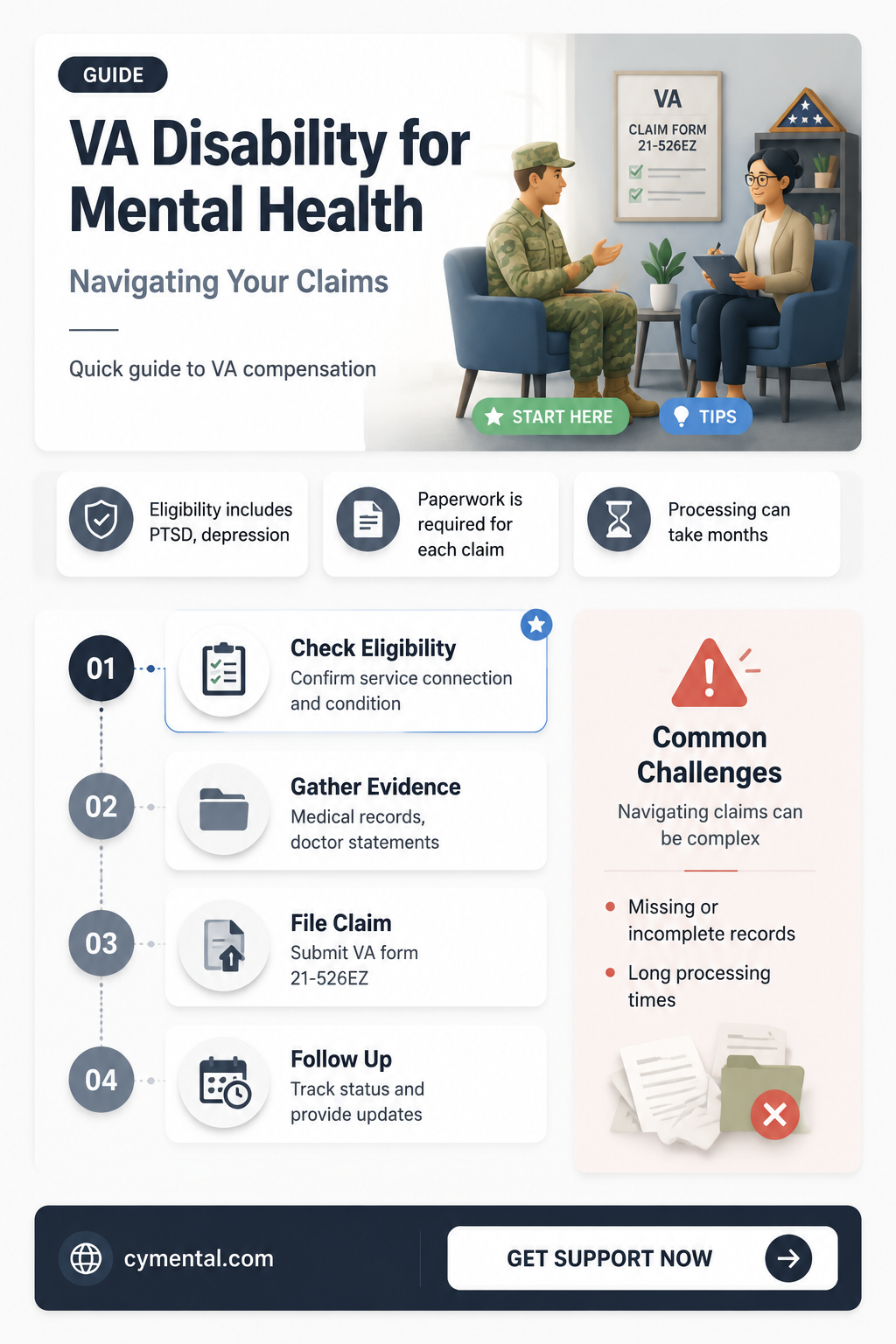
The question of whether one can receive a 100% VA disability rating for mental health conditions is a significant and complex topic. The Department of Veterans Affairs (VA) provides disability compensation to veterans who have been diagnosed with a mental health condition that is connected to their military service. However, obtaining a 100% disability rating for mental health issues can be challenging and depends on various factors, including the severity of the condition, the veteran's ability to function in daily life, and the impact on their employability. Veterans must undergo a thorough evaluation by a VA-approved healthcare provider, who will assess the condition's severity and its effects on the veteran's overall well-being. It's important to note that each case is unique, and the VA uses a detailed rating schedule to determine the appropriate level of compensation.
Explore related products


What You'll Learn
- Eligibility Criteria: Understand the requirements to qualify for a 100% VA disability rating for mental health conditions
- Types of Mental Health Conditions: Explore which specific mental health disorders can potentially lead to a 100% disability rating
- Documentation and Evidence: Learn about the necessary medical records and supporting documents needed to substantiate a claim
- Application Process: Navigate the steps involved in filing a claim for VA disability benefits, including forms and deadlines
- Appeals and Denials: Discover the procedures for appealing a denied claim and seeking further review or reconsideration

Eligibility Criteria: Understand the requirements to qualify for a 100% VA disability rating for mental health conditions
To qualify for a 100% VA disability rating for mental health conditions, veterans must meet specific eligibility criteria set forth by the Department of Veterans Affairs. The process involves a thorough evaluation of the veteran's mental health status, including the severity and impact of their condition on daily life and employability.
First and foremost, the veteran must have a diagnosed mental health condition that is linked to their military service. This connection can be established through various means, such as service medical records, lay statements from fellow service members, or medical opinions from treating physicians. The condition must be chronic and severe enough to warrant a 100% disability rating, which typically means that the veteran is unable to maintain substantially gainful employment due to their mental health symptoms.
The VA uses a rating schedule to assess the severity of mental health conditions, which includes criteria such as the frequency and severity of symptoms, the impact on social and occupational functioning, and the presence of any suicidal ideation or behavior. Veterans must meet the criteria for a 100% rating, which includes symptoms such as gross impairment in thought processes or communication, persistent delusions or hallucinations, grossly inappropriate behavior, persistent danger of hurting self or others, intermittent inability to perform activities of daily living, and disorientation to time or place.
In addition to meeting the diagnostic and severity criteria, veterans must also demonstrate that their mental health condition is directly related to their military service. This can be challenging, as it requires a clear nexus between the condition and the veteran's time in service. Veterans may need to provide additional evidence, such as statements from treating physicians or mental health professionals, to establish this connection.
Once the eligibility criteria are met, veterans can apply for a 100% VA disability rating for their mental health condition. The application process involves submitting a claim to the VA, along with supporting evidence such as medical records, lay statements, and any other relevant documentation. Veterans may also need to undergo a VA examination to assess the severity of their condition and its impact on their daily life and employability.
In conclusion, qualifying for a 100% VA disability rating for mental health conditions requires veterans to meet specific eligibility criteria, including a diagnosed mental health condition linked to military service, severe symptoms that impact daily life and employability, and a clear nexus between the condition and the veteran's time in service. The application process can be complex and may require additional evidence and examinations to establish eligibility.
Will Life Improve? A Journey Through Hard Times and Hope
You may want to see also
Explore related products


Types of Mental Health Conditions: Explore which specific mental health disorders can potentially lead to a 100% disability rating
Post-Traumatic Stress Disorder (PTSD) is a mental health condition that can result from experiencing or witnessing a traumatic event. Symptoms include flashbacks, nightmares, severe anxiety, and uncontrollable thoughts about the event. In severe cases, PTSD can significantly impair an individual's ability to function in daily life, potentially qualifying them for a 100% disability rating.
Major Depressive Disorder (MDD), commonly known as depression, is another condition that can lead to a 100% disability rating. MDD is characterized by persistent feelings of sadness, hopelessness, and a lack of interest in activities. It can also cause physical symptoms such as chronic pain, sleep disturbances, and changes in appetite. When depression is severe and treatment-resistant, it can render an individual unable to maintain employment or perform daily tasks.
Schizophrenia is a chronic brain disorder that affects how a person thinks, feels, and behaves. Symptoms include delusions, hallucinations, trouble with thinking, and concentration. Schizophrenia can be disabling, as it may lead to difficulty in maintaining relationships, holding a job, and performing everyday tasks. In severe cases, individuals with schizophrenia may qualify for a 100% disability rating.
Anxiety disorders, such as Generalized Anxiety Disorder (GAD) and Panic Disorder, can also potentially lead to a 100% disability rating. GAD is characterized by excessive worry and anxiety that interfere with daily life, while Panic Disorder involves recurrent panic attacks that can be debilitating. When these conditions are severe and persistent, they can significantly impact an individual's ability to function in various aspects of life.
It's important to note that qualifying for a 100% disability rating for mental health conditions typically requires extensive documentation and evaluation by mental health professionals. The Veterans Affairs (VA) system has specific criteria and processes for determining disability ratings, which involve assessing the severity and impact of the condition on the individual's daily life and ability to work.
Understanding the Process of Involuntary Psychiatric Hospitalization
You may want to see also
Explore related products


Documentation and Evidence: Learn about the necessary medical records and supporting documents needed to substantiate a claim
To substantiate a claim for VA disability benefits based on mental health, it is crucial to gather comprehensive medical records and supporting documents. These records serve as the foundation of your claim, providing the necessary evidence to demonstrate the severity and impact of your mental health condition. Medical records should include diagnoses, treatment plans, medication lists, therapy session notes, and any hospitalizations or emergency room visits related to your mental health. It is also important to obtain records from any private healthcare providers, as the VA will consider all relevant medical evidence in evaluating your claim.
In addition to medical records, supporting documents can help strengthen your claim by providing further context and evidence of your condition's impact on your daily life. These documents may include statements from family members, friends, or coworkers who can attest to changes in your behavior or functioning, as well as any legal or financial documents that demonstrate the consequences of your mental health condition, such as divorce papers, bankruptcy filings, or employment termination letters. It is essential to ensure that all documents are well-organized and clearly labeled, making it easier for the VA to review and understand the evidence presented.
When gathering documentation, it is important to be thorough and proactive. Reach out to all potential sources of records and documents, and follow up on any outstanding requests in a timely manner. Keep copies of all correspondence and submissions for your own records, and consider using a checklist to ensure that you have collected all necessary information. By taking a systematic and organized approach to documenting your claim, you can increase the likelihood of a successful outcome and secure the benefits you deserve.
Remember, the burden of proof lies with the claimant, so it is crucial to provide as much evidence as possible to support your mental health disability claim. This may involve obtaining additional evaluations or assessments from mental health professionals, as well as gathering evidence of any secondary conditions that may be related to your primary mental health diagnosis. By presenting a well-documented and comprehensive claim, you can help ensure that the VA has a clear understanding of your condition and its impact on your life, ultimately increasing your chances of receiving the maximum benefits available.
Where to Get CPR and First Aid Certified: A Comprehensive Guide
You may want to see also
Explore related products


Application Process: Navigate the steps involved in filing a claim for VA disability benefits, including forms and deadlines
To initiate the application process for VA disability benefits, veterans must first gather all necessary documentation. This includes medical records, service records, and any other relevant evidence that supports their claim. Once the documentation is collected, veterans can begin filling out the required forms. The primary form for disability compensation is the VA Form 21-526EZ, which can be submitted online, by mail, or in person at a VA regional office.
After submitting the initial application, veterans may be required to undergo a VA medical examination to assess the severity of their condition. This examination is crucial as it helps the VA determine the appropriate disability rating and compensation amount. Veterans should be prepared to provide detailed information about their symptoms, treatment history, and how their condition affects their daily life.
The VA will then review the application and supporting evidence to make a decision on the claim. This process can take several months, and veterans may need to provide additional information or attend follow-up examinations during this time. It is important for veterans to be patient and proactive in following up on their claim status.
If the claim is approved, veterans will receive a notification letter outlining their disability rating and the amount of compensation they will receive. The compensation is typically paid monthly and is tax-free. Veterans should note that they have the right to appeal the VA's decision if they believe their claim was denied unfairly or if they are seeking a higher disability rating.
Throughout the application process, veterans may find it helpful to seek assistance from a VA-accredited claims agent or attorney. These professionals can provide guidance on the application process, help gather supporting evidence, and represent veterans in appeals. By understanding the steps involved and seeking the necessary support, veterans can navigate the VA disability benefits application process more effectively.
Navigating Mental Health in the Workplace: Understanding Your Rights
You may want to see also
Explore related products


Appeals and Denials: Discover the procedures for appealing a denied claim and seeking further review or reconsideration
If your claim for VA disability benefits for mental health has been denied, you have the right to appeal the decision. The appeals process involves several steps, and understanding these procedures is crucial for seeking further review or reconsideration. Here's a detailed guide on how to navigate the appeals process effectively.
First, it's important to understand the reasons behind the denial. The VA will provide a written explanation, known as a Statement of the Case (SOC), which outlines the evidence considered and the rationale for the denial. Review this document carefully to identify any discrepancies or missing information that could support your claim.
Once you have identified the issues with the denial, you can file a Notice of Disagreement (NOD) with the VA. This is a formal statement indicating that you disagree with the decision and wish to appeal. The NOD should be submitted within one year of the date of the SOC. It's essential to include specific details about why you disagree with the denial and what evidence you believe supports your claim.
After submitting the NOD, the VA will review your case and may request additional evidence or schedule a hearing. If a hearing is scheduled, it's crucial to attend and provide any new evidence or testimony that supports your claim. The hearing officer will then make a decision based on the evidence presented.
If the hearing officer denies your appeal, you can further appeal to the Board of Veterans' Appeals (BVA). The BVA is an independent agency within the VA that reviews appeals from veterans. You can submit a VA Form 9, Appeal to the Board of Veterans' Appeals, within 60 days of the hearing officer's decision. The BVA will then review your case and make a final decision.
Throughout the appeals process, it's important to seek assistance from a veterans' service organization or a qualified attorney. These professionals can provide guidance and support to help you navigate the complex appeals process and increase your chances of a successful outcome.
In conclusion, appealing a denied VA disability claim for mental health requires a thorough understanding of the appeals process and a strategic approach. By carefully reviewing the reasons for the denial, submitting a well-supported NOD, attending hearings, and seeking professional assistance, you can increase your chances of obtaining the benefits you deserve.
Mastering Mental Math: Strategies for Quick and Accurate Calculations
You may want to see also
Frequently asked questions
Yes, it is possible to receive a 100% VA disability rating for mental health conditions if your symptoms significantly impact your daily life and ability to work.
Conditions such as post-traumatic stress disorder (PTSD), major depressive disorder, anxiety disorders, and schizophrenia can potentially qualify for a 100% rating, depending on the severity of symptoms.
You will need to provide medical records, statements from mental health professionals, and possibly lay statements from friends or family members who can attest to the impact of your mental health condition on your daily functioning.
The VA uses a rating schedule that assesses the severity of your symptoms and their impact on your social and occupational functioning. A 100% rating is typically assigned when there is total occupational and social impairment.