Madison Cole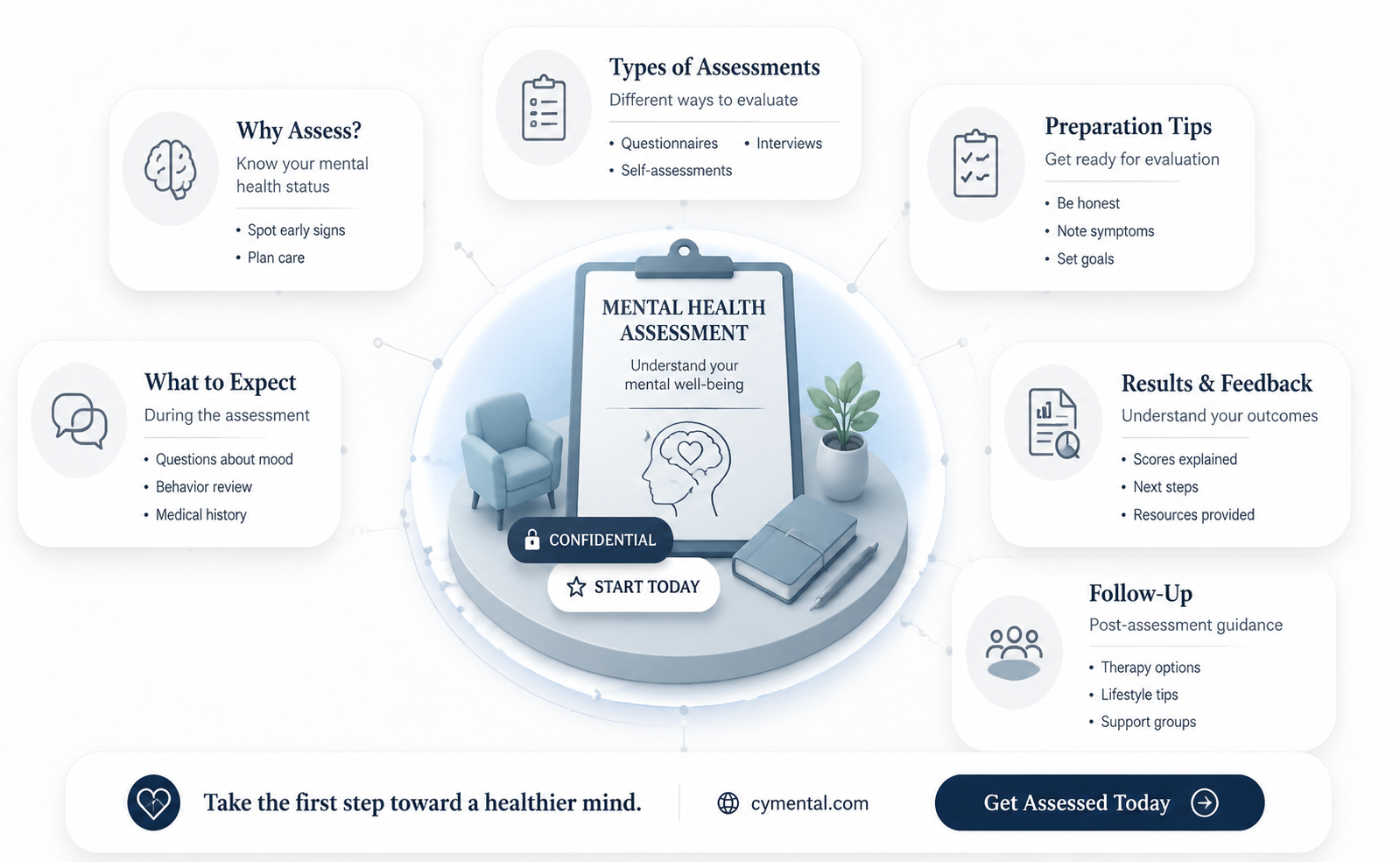
If you're wondering, Can I get a mental disorder exam?, it's important to know that seeking an evaluation for mental health concerns is a proactive and courageous step. Mental health professionals, such as psychiatrists, psychologists, and licensed therapists, are trained to assess and diagnose a wide range of mental disorders. They use various tools, including interviews, questionnaires, and sometimes medical tests, to gather information about your symptoms, medical history, and personal experiences. This comprehensive evaluation helps them determine if you meet the criteria for a specific mental disorder and develop an appropriate treatment plan. Remember, early diagnosis and treatment can significantly improve outcomes, so don't hesitate to reach out for help if you're struggling with your mental health.
Explore related products


What You'll Learn
- Types of Mental Health Assessments: Understand the various evaluations available, such as psychological tests and psychiatric interviews
- Reasons for Seeking an Evaluation: Explore common motivations, including symptom management, diagnosis clarification, and treatment planning
- Preparing for the Exam: Learn what to expect, how to prepare, and what information to bring to ensure a comprehensive assessment
- Finding a Mental Health Professional: Discover resources for locating qualified practitioners, such as psychologists, psychiatrists, or therapists
- Confidentiality and Cost Concerns: Address common worries about privacy, insurance coverage, and the financial aspects of mental health evaluations

Types of Mental Health Assessments: Understand the various evaluations available, such as psychological tests and psychiatric interviews
Psychological tests and psychiatric interviews are two primary methods used in mental health assessments. Psychological tests can include a range of tools such as personality tests, intelligence tests, and neuropsychological tests. These are designed to measure various aspects of a person's mental abilities, personality traits, and emotional functioning. For instance, the Minnesota Multiphasic Personality Inventory (MMPI) is a widely used test to assess personality traits and psychopathology. On the other hand, psychiatric interviews are structured conversations between a mental health professional and a patient to gather information about the patient's symptoms, medical history, and social circumstances. The Diagnostic and Statistical Manual of Mental Disorders (DSM) provides guidelines for conducting such interviews to diagnose mental disorders accurately.
In addition to these, there are other specialized assessments that focus on specific areas of mental health. For example, the Beck Depression Inventory (BDI) is a self-report questionnaire used to measure the severity of depressive symptoms. Similarly, the Post-Traumatic Stress Disorder (PTSD) Checklist (PCL) is used to assess symptoms of PTSD. These tools are valuable in both clinical settings and research to understand and diagnose mental health conditions better.
It's important to note that mental health assessments are not one-size-fits-all. The choice of assessment tool depends on the individual's presenting symptoms, the clinician's expertise, and the context of the assessment. For instance, a neuropsychological test might be more appropriate for someone experiencing cognitive difficulties, while a personality test might be more useful for understanding long-standing behavioral patterns.
The process of undergoing a mental health assessment can be daunting for some individuals. It's essential to approach it with an open mind and honesty to ensure accurate results. Mental health professionals are trained to provide a non-judgmental and supportive environment to help individuals feel comfortable during the assessment process.
In conclusion, mental health assessments encompass a variety of tools and methods, each serving a unique purpose in understanding and diagnosing mental health conditions. By combining these assessments, mental health professionals can gain a comprehensive picture of an individual's mental health and develop an effective treatment plan.
Exploring Options for Accessible and Free Mental Health Support
You may want to see also
Explore related products


Reasons for Seeking an Evaluation: Explore common motivations, including symptom management, diagnosis clarification, and treatment planning
Individuals may seek a mental disorder evaluation for a variety of reasons, each as unique as the person themselves. One common motivation is symptom management. When symptoms of a mental health condition become overwhelming or interfere with daily life, an evaluation can provide a pathway to understanding and alleviating these symptoms. For instance, someone experiencing persistent feelings of sadness or anxiety might seek an evaluation to determine if they are suffering from depression or an anxiety disorder, and to explore potential treatment options.
Another reason for seeking an evaluation is diagnosis clarification. A person may have been previously diagnosed with a mental health condition but may not fully understand their diagnosis or may be experiencing new symptoms that suggest a different or additional condition. In such cases, an evaluation can help clarify the diagnosis and ensure that the individual is receiving the most appropriate treatment. For example, someone diagnosed with bipolar disorder may seek an evaluation if they are experiencing symptoms that are not typical of their condition, such as persistent psychotic symptoms, which could indicate a co-occurring condition like schizophrenia.
Treatment planning is also a significant reason for seeking a mental disorder evaluation. An evaluation can help determine the most effective treatment plan for an individual's specific needs, taking into account their symptoms, diagnosis, personal preferences, and lifestyle. This could involve exploring different types of therapy, medication, or other interventions. For instance, someone with a history of trauma might seek an evaluation to determine if eye movement desensitization and reprocessing (EMDR) therapy could be an effective treatment option for their post-traumatic stress disorder (PTSD).
In addition to these reasons, individuals may seek a mental disorder evaluation for other purposes, such as to address concerns about their mental health raised by family or friends, to explore the possibility of a learning disability or neurodevelopmental disorder, or to seek support for a personal or professional challenge. Regardless of the reason, seeking an evaluation is a proactive step towards understanding and addressing one's mental health needs.
Exploring Mental Health Court Access for Juveniles: A Comprehensive Guide
You may want to see also
Explore related products


$30.58 $48.99


Preparing for the Exam: Learn what to expect, how to prepare, and what information to bring to ensure a comprehensive assessment
To prepare for a mental disorder exam, it's essential to understand the process and what is expected of you. This knowledge can help alleviate anxiety and ensure you are well-prepared for the assessment. Start by researching the specific type of exam you will be taking, as different disorders may require different evaluation methods. Familiarize yourself with the symptoms and criteria for the disorder in question, as this will help you communicate effectively with the examiner.
Next, gather any relevant medical records, including previous diagnoses, treatment plans, and medication lists. It's also helpful to prepare a list of questions or concerns you may have, as this will facilitate a more productive conversation with the examiner. On the day of the exam, arrive early to allow time for check-in and any necessary paperwork. Dress comfortably and be prepared to spend several hours at the examination facility.
During the exam, be honest and open about your symptoms and experiences. The examiner is there to help you, not to judge you. If you are unsure about a question or need clarification, don't hesitate to ask. Remember that the goal of the exam is to gain a comprehensive understanding of your mental health, so it's crucial to provide accurate and detailed information.
After the exam, the examiner will likely provide you with feedback and recommendations for treatment or further evaluation. Be sure to ask any follow-up questions you may have and take notes on the next steps. It's also important to follow through with any recommended treatment plans or referrals, as this will help you manage your symptoms and improve your overall mental health.
In summary, preparing for a mental disorder exam involves researching the process, gathering relevant information, and being open and honest during the assessment. By taking these steps, you can ensure a comprehensive evaluation and receive the help you need to manage your mental health effectively.
Navigating Workers' Comp for Mental Health: A Comprehensive Guide
You may want to see also
Explore related products


Finding a Mental Health Professional: Discover resources for locating qualified practitioners, such as psychologists, psychiatrists, or therapists
If you're seeking a mental health professional, it's essential to know where to look. Start by consulting your primary care physician, who can provide referrals to qualified practitioners in your area. Additionally, consider reaching out to your insurance provider for a list of in-network mental health professionals. Online directories, such as those maintained by professional organizations like the American Psychological Association or the American Psychiatric Association, can also be valuable resources.
When researching potential mental health professionals, take the time to review their credentials and areas of expertise. Look for practitioners who are licensed in your state and have experience working with clients who have concerns similar to yours. You may also want to consider factors such as their therapeutic approach, availability, and location when making your decision.
Another option for finding a mental health professional is to ask for recommendations from friends, family, or community members. Personal referrals can provide valuable insights into a practitioner's style, approachability, and effectiveness. Additionally, consider reaching out to local mental health organizations or support groups, which may be able to offer recommendations or resources for finding a qualified professional.
Once you've compiled a list of potential mental health professionals, don't hesitate to reach out and ask questions. Many practitioners offer free initial consultations, which can provide an opportunity to discuss your concerns, learn more about their approach, and determine if they're a good fit for your needs. Remember, finding the right mental health professional is an important step in taking care of your mental well-being, and it's worth taking the time to find someone who can provide the support and guidance you need.
Can Hospitals Mandate Mental Evaluations? Understanding Your Rights
You may want to see also
Explore related products


Confidentiality and Cost Concerns: Address common worries about privacy, insurance coverage, and the financial aspects of mental health evaluations
One of the primary concerns individuals may have when considering a mental disorder exam is the confidentiality of their personal information. It's crucial to understand that mental health professionals are bound by strict ethical guidelines and laws, such as HIPAA in the United States, which protect patient privacy. Before undergoing any evaluation, it's advisable to discuss confidentiality protocols with the healthcare provider to ensure you are comfortable with how your data will be handled and stored.
Another significant worry is the cost associated with mental health evaluations. The financial burden can vary widely depending on factors such as the type of evaluation, the professional conducting it, and whether you have health insurance. Some insurance plans cover mental health services, but it's essential to check your policy's specifics to understand what is and isn't covered. If cost is a concern, consider seeking services from community mental health centers or universities that offer sliding scale fees based on income.
Additionally, the process of getting a mental disorder exam can be daunting due to the stigma surrounding mental health issues. It's important to recognize that seeking help is a sign of strength, not weakness. Mental health evaluations are designed to provide a comprehensive understanding of your mental state and to identify any potential disorders that may require treatment. The evaluation process typically involves a series of interviews, questionnaires, and sometimes psychological testing, all of which are conducted in a supportive and non-judgmental environment.
When preparing for a mental disorder exam, it's helpful to gather information about your symptoms, medical history, and any previous mental health treatments you've received. This can help the evaluator form a more accurate picture of your mental health and tailor the evaluation to your specific needs. It's also important to be honest and open during the evaluation process, as this will enable the evaluator to provide the most effective recommendations and treatment options.
In conclusion, while confidentiality and cost concerns are valid worries when considering a mental disorder exam, it's essential to weigh these concerns against the potential benefits of receiving an accurate diagnosis and appropriate treatment. By understanding your rights, exploring your options, and being proactive in your approach, you can navigate the evaluation process with confidence and take the first step towards improving your mental health.
Where to Get a Mental Evaluation: A Comprehensive Guide
You may want to see also
Frequently asked questions
A mental disorder exam, also known as a psychiatric evaluation, is a process where a mental health professional assesses your mental health to determine if you have a mental disorder. This typically involves a series of questions about your symptoms, medical history, and personal experiences.
A mental disorder exam can be conducted by a variety of mental health professionals, including psychiatrists, psychologists, licensed clinical social workers, and licensed professional counselors.
People seek a mental disorder exam for various reasons, such as experiencing persistent feelings of sadness, anxiety, or anger, having difficulty concentrating or sleeping, noticing changes in their appetite or energy levels, or feeling overwhelmed by life's challenges.
During a mental disorder exam, the mental health professional will typically ask you a series of questions about your symptoms, medical history, and personal experiences. They may also observe your behavior and body language, and in some cases, they may use standardized assessment tools or tests to help diagnose your condition.
The length of a mental disorder exam can vary depending on the complexity of your case and the type of assessment being conducted. It can range from a brief 30-minute consultation to a more comprehensive evaluation that takes several hours or even multiple sessions.