Noah Parker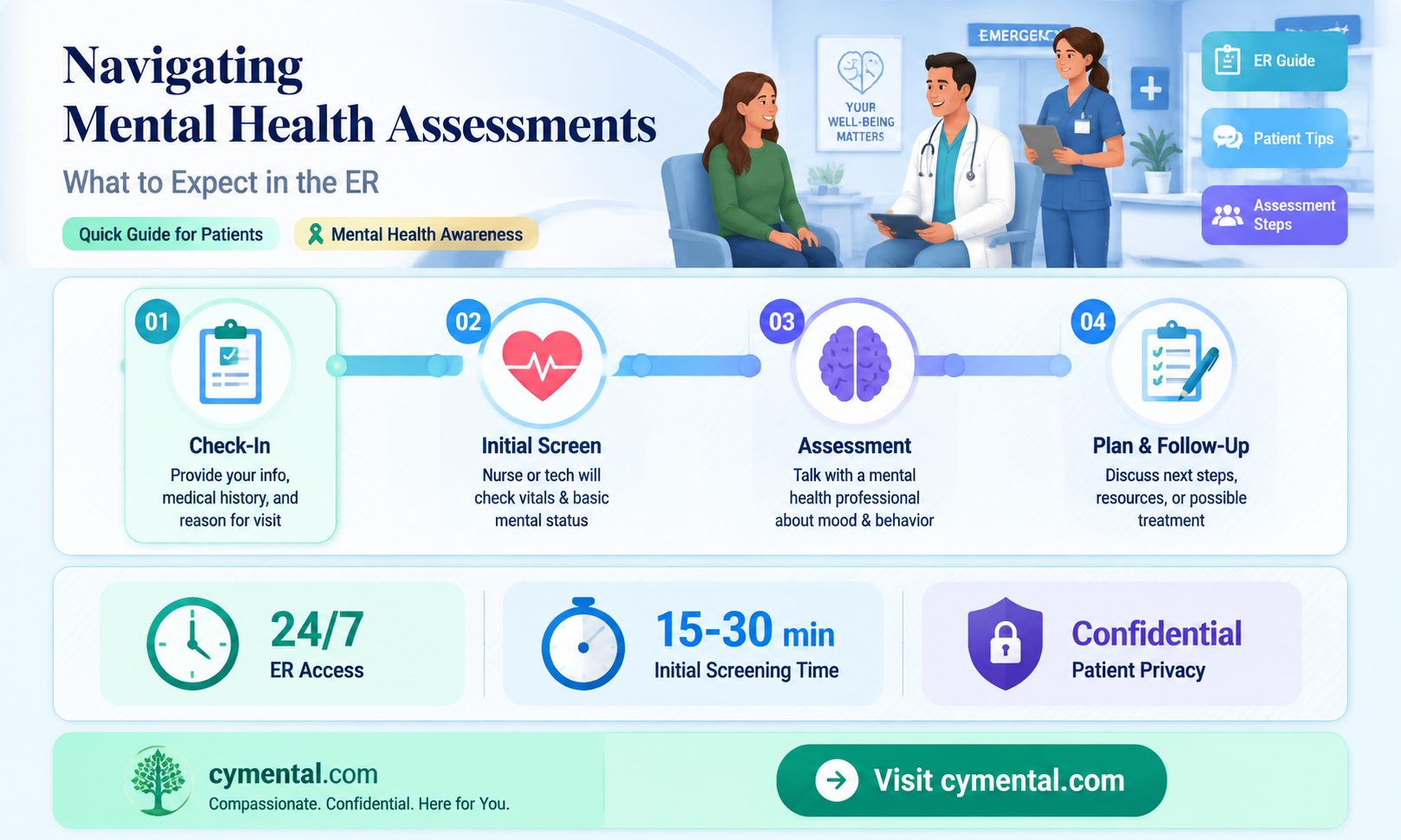
If you're experiencing a mental health crisis, it's crucial to seek immediate help. While emergency rooms (ERs) are typically associated with physical health emergencies, they can also provide initial assessments and support for mental health issues. In many cases, ERs have protocols in place to address mental health crises, including suicide attempts, severe anxiety, or psychotic episodes. They can offer a safe environment for stabilization, medication management, and connection to further mental health resources. However, it's important to note that ERs may not be equipped to provide long-term mental health care, and follow-up appointments with a mental health professional are often necessary. If you're unsure whether your situation qualifies as a mental health emergency, it's always better to err on the side of caution and seek help.
Explore related products


What You'll Learn

What is a mental health assessment?
A mental health assessment is a comprehensive evaluation conducted by a healthcare professional to determine a patient's mental health status. It typically involves a series of questions, observations, and sometimes psychological tests to gather information about the patient's symptoms, medical history, and current circumstances. The assessment aims to identify any mental health conditions, such as depression, anxiety, or psychosis, and to develop an appropriate treatment plan.
In the context of an emergency room (ER), a mental health assessment may be conducted when a patient presents with symptoms that suggest a mental health crisis, such as suicidal thoughts, hallucinations, or extreme agitation. The assessment in the ER is often more focused and rapid than a standard mental health evaluation, as the goal is to quickly determine the patient's immediate needs and ensure their safety.
During a mental health assessment in the ER, the healthcare provider will likely ask the patient about their current symptoms, any previous mental health diagnoses, and their medical history. They may also observe the patient's behavior and physical appearance for signs of distress or instability. In some cases, the provider may use screening tools or questionnaires to help identify specific mental health conditions.
The outcome of the assessment will determine the next steps in the patient's care. If the assessment indicates that the patient is experiencing a mental health crisis, they may be admitted to the hospital for further evaluation and treatment. Alternatively, the patient may be referred to a mental health clinic or other outpatient services for ongoing care.
It is important to note that a mental health assessment in the ER is not a substitute for a comprehensive mental health evaluation by a psychiatrist or other mental health specialist. The ER assessment is designed to address immediate concerns and ensure the patient's safety, while a full evaluation by a specialist can provide a more detailed diagnosis and long-term treatment plan.
Navigating the Complex Process: Can Psychologists Secure Release from Mental Institutions?
You may want to see also
Explore related products


When to seek an assessment?
If you or someone you know is experiencing a mental health crisis, it's crucial to seek immediate help. While many people associate emergency rooms with physical injuries, they can also provide essential mental health assessments and interventions. Here are some key indicators that it might be time to seek an assessment:
- Severe Symptoms: If you're experiencing severe symptoms such as suicidal thoughts, hallucinations, or extreme anxiety, an emergency room can provide immediate stabilization and assessment.
- Sudden Onset: If your symptoms have appeared suddenly or have rapidly worsened, it's important to seek urgent care to determine the cause and appropriate treatment.
- Inability to Cope: If you feel overwhelmed and unable to cope with your symptoms, an ER can offer a safe space for evaluation and support.
- Risk to Self or Others: If there's a risk of harm to yourself or others, emergency services can intervene and provide necessary protection and assessment.
When you arrive at the ER, be prepared to provide as much information as possible about your symptoms, any medications you're taking, and any previous mental health treatments. The healthcare professionals will use this information to conduct a thorough assessment and develop an appropriate treatment plan. Remember, seeking help is a sign of strength, and there's no shame in asking for support when you need it most.
Finding Hope: Where to Turn for Depression Support and Healing
You may want to see also
Explore related products


What happens during an ER mental health assessment?
During an ER mental health assessment, a multidisciplinary team of healthcare professionals works together to evaluate a patient's mental and emotional state. This team typically includes psychiatrists, psychologists, social workers, and emergency department physicians. The assessment process is designed to be thorough and efficient, as ER settings often require rapid decision-making to ensure patient safety.
The initial step in the assessment involves a brief screening by an ER physician or nurse, who will ask basic questions about the patient's symptoms, medical history, and any recent stressors or triggers. This screening helps determine whether a more comprehensive mental health evaluation is necessary. If further assessment is required, the patient will be referred to a mental health professional within the ER.
A psychiatrist or psychologist will then conduct a more in-depth interview, exploring the patient's symptoms in greater detail, as well as their personal and family history, substance use, and any previous mental health treatments. This interview may be supplemented by standardized assessment tools, such as questionnaires or rating scales, to help quantify the severity of the patient's symptoms.
In addition to the verbal interview, the mental health professional may also observe the patient's behavior, mood, and thought processes. They may look for signs of distress, agitation, or disorientation, as well as any indications of self-harm or suicidal ideation. The professional will also assess the patient's cognitive functioning, including their memory, attention, and decision-making abilities.
Following the assessment, the mental health professional will develop a treatment plan tailored to the patient's specific needs. This plan may include medication, therapy, or referral to a specialized mental health facility. In cases where the patient is deemed a risk to themselves or others, involuntary hospitalization may be considered.
Throughout the entire process, patient confidentiality is maintained, and the patient's rights are respected. The goal of the ER mental health assessment is to provide timely, effective care that addresses the patient's immediate needs and sets them on a path toward recovery.
Accessing Your Mental Health Records: A Comprehensive Guide
You may want to see also
Explore related products


Who can request a mental health assessment in the ER?
In emergency situations, mental health assessments can be requested by a variety of individuals. Primarily, this includes healthcare professionals such as emergency room doctors, nurses, and physician assistants who are trained to recognize the signs and symptoms of mental health crises. These professionals can initiate an assessment based on their clinical judgment and the presenting patient's condition.
Additionally, mental health assessments in the ER can be requested by law enforcement officers who may encounter individuals in crisis during their duties. Social workers and crisis intervention team members who are often embedded within emergency services can also request assessments. Family members or friends of the individual in crisis may also request an assessment if they are concerned about the person's mental well-being and believe they require immediate attention.
It's important to note that the process for requesting a mental health assessment can vary depending on the specific policies and protocols of the emergency room. Some ERs may have dedicated mental health professionals on staff who can be consulted directly, while others may rely on telepsychiatry services for assessments. Understanding the specific procedures of the ER in question can help ensure that the request for a mental health assessment is handled efficiently and effectively.
In some cases, individuals may request a mental health assessment for themselves if they are experiencing a crisis and feel they need immediate help. Self-referral can be an important step for those who are proactive about their mental health care. However, it's crucial to be aware that the ER is typically designed to handle acute medical emergencies, and mental health assessments may not always be available or prioritized in the same way as physical health emergencies.
Overall, the ability to request a mental health assessment in the ER is a critical component of ensuring that individuals in crisis receive the care they need. By understanding who can request an assessment and the processes involved, individuals and their support networks can better navigate the complexities of the emergency mental health care system.
The Rising Tide of Mental Health Challenges: A Growing Concern
You may want to see also
Explore related products


What are the potential outcomes of an ER mental health assessment?
An ER mental health assessment can lead to several potential outcomes, each tailored to the individual's specific needs and circumstances. One possible outcome is the development of a treatment plan, which may include medication, therapy, or a combination of both. This plan is typically created in collaboration with the patient and their healthcare providers, ensuring that it aligns with their goals and preferences.
Another potential outcome is the provision of crisis intervention services. These services are designed to address immediate mental health concerns and provide support during times of crisis. They may include one-on-one counseling, group therapy, or access to emergency psychiatric care.
In some cases, an ER mental health assessment may result in the patient being admitted to an inpatient psychiatric unit. This is typically reserved for individuals who are experiencing severe mental health symptoms that cannot be safely managed in an outpatient setting. Inpatient care provides a higher level of supervision and support, allowing patients to focus on their recovery in a controlled environment.
Additionally, an ER mental health assessment may lead to referrals for ongoing care. This could include connecting the patient with a psychiatrist, psychologist, or other mental health professionals who can provide long-term treatment and support. Referrals may also be made to community resources, such as support groups or housing assistance programs, to help address any social determinants of health that may be impacting the patient's mental well-being.
It is important to note that the outcomes of an ER mental health assessment are highly individualized and depend on a variety of factors, including the patient's symptoms, medical history, and personal preferences. Healthcare providers work closely with patients to ensure that they receive the most appropriate and effective care possible.
Dive into Sanity: Wayne's World GIFs for Mental Health Wins
You may want to see also
Frequently asked questions
Yes, you can receive a mental health assessment in the ER. Emergency rooms are equipped to handle a variety of medical emergencies, including mental health crises. If you are experiencing a mental health emergency, such as suicidal thoughts, severe anxiety, or psychosis, the ER can provide immediate assistance and evaluation.
During a mental health assessment in the ER, a healthcare professional will evaluate your mental state, including your thoughts, feelings, and behaviors. They may ask you questions about your symptoms, medical history, and any medications you are currently taking. The assessment may also include a physical examination to rule out any underlying medical conditions that could be contributing to your mental health symptoms. Based on the assessment, the healthcare provider may recommend treatment options, such as medication, therapy, or hospitalization.
The length of time it takes to receive a mental health assessment in the ER can vary depending on several factors, including the severity of your symptoms, the availability of healthcare professionals, and the overall volume of patients in the ER. In general, mental health assessments can take anywhere from 30 minutes to several hours. It is important to be patient and cooperative during the assessment process to ensure that you receive the appropriate care.