Madison Cole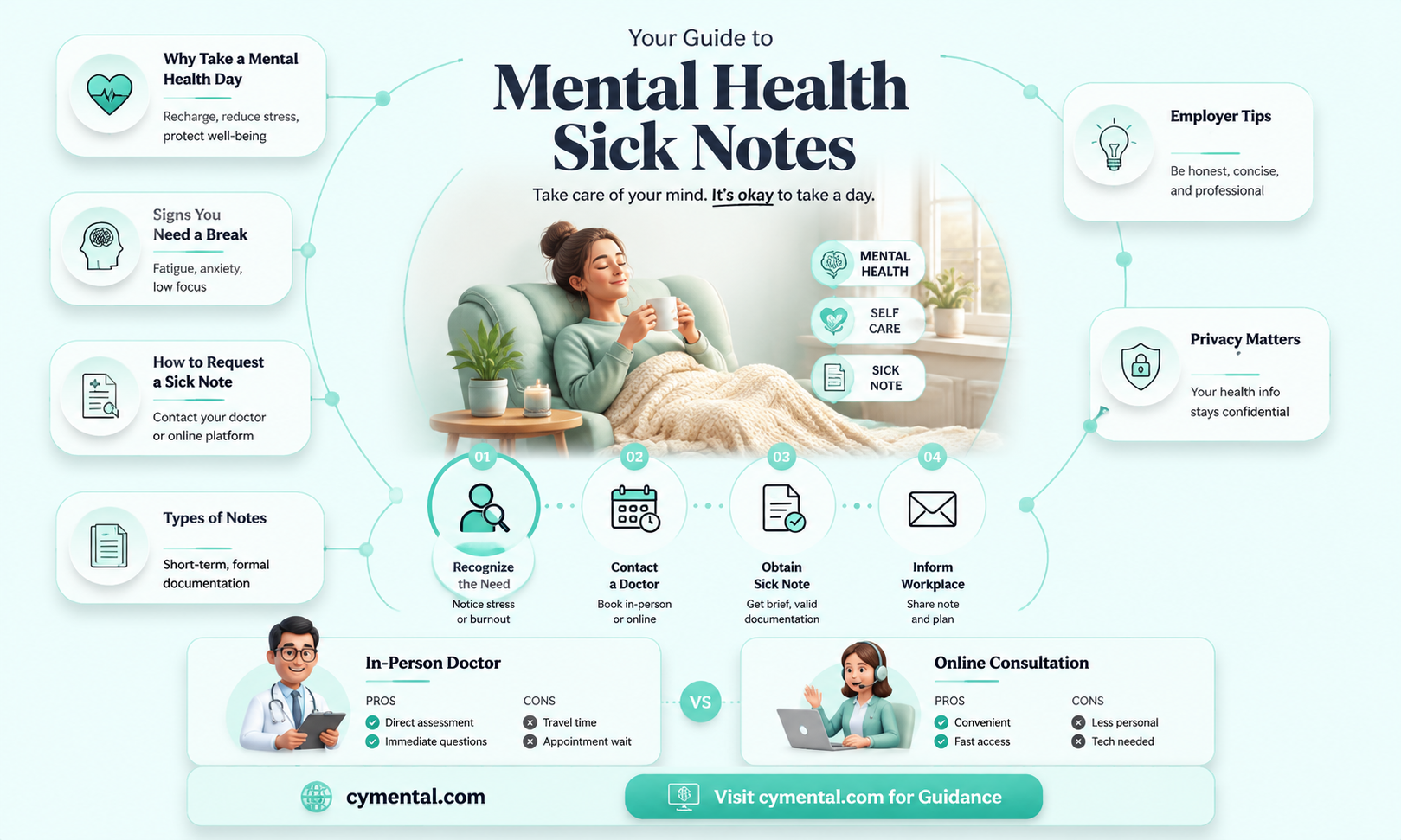
The question of whether one can obtain a sick note for mental health is an important and nuanced topic. In recent years, there has been a growing recognition of the impact of mental health issues on an individual's ability to work and function in daily life. As a result, many healthcare providers and employers are now more understanding and accommodating of mental health-related absences. However, the process of obtaining a sick note for mental health can vary depending on the country, the specific mental health condition, and the policies of the employer. It is essential to approach this topic with sensitivity and awareness of the potential complexities involved.
Explore related products


What You'll Learn
- Eligibility for mental health sick leave: Understand the criteria for qualifying for a mental health-related sick note
- Process of obtaining a sick note: Learn the steps involved in getting a sick note from a healthcare professional
- Legal protections and rights: Explore the legal aspects and employee rights surrounding mental health sick leave
- Impact on employment and career: Consider the potential effects of taking mental health sick leave on one's job and career prospects
- Alternatives to sick notes for mental health: Discover other options or resources available for addressing mental health concerns in the workplace

Eligibility for mental health sick leave: Understand the criteria for qualifying for a mental health-related sick note
To qualify for a mental health-related sick note, you must meet specific eligibility criteria set by your employer or governing body. These criteria typically require a formal diagnosis from a licensed mental health professional, such as a psychiatrist, psychologist, or therapist. The diagnosis must indicate that your mental health condition is severe enough to impact your ability to perform your job duties.
In addition to a formal diagnosis, you may need to provide documentation supporting your claim, such as medical records, therapy notes, or a letter from your mental health provider. This documentation should outline the nature of your condition, the severity of your symptoms, and the recommended treatment plan.
It's important to note that eligibility criteria can vary depending on your location, employer, and the specific policies in place. Some employers may have more stringent requirements, such as a minimum number of days worked or a specific process for requesting a sick note. Others may offer more flexible options, such as remote work or modified duties, to accommodate employees with mental health conditions.
When requesting a mental health sick note, it's crucial to be honest and transparent about your condition. Falsifying information or exaggerating your symptoms can lead to serious consequences, including denial of your request or even termination of your employment.
Remember, taking care of your mental health is essential, and seeking support when needed is a sign of strength, not weakness. If you're struggling with your mental health, don't hesitate to reach out to a professional for help.
Navigating Gun Ownership and Mental Health: A Complex Intersection
You may want to see also
Explore related products


Process of obtaining a sick note: Learn the steps involved in getting a sick note from a healthcare professional
To obtain a sick note for mental health reasons, the first step is to recognize the need for one. This may involve identifying symptoms that are interfering with your ability to work or perform daily tasks. Common signs include persistent feelings of sadness, anxiety, or stress that are impacting your overall well-being. Once you've acknowledged the need for a sick note, the next step is to schedule an appointment with a healthcare professional who can assess your condition.
During your appointment, it's crucial to be open and honest about your mental health struggles. Provide specific examples of how your symptoms are affecting your work or personal life. The healthcare professional may ask questions about your symptoms, their duration, and any previous treatments you've sought. They may also perform a physical examination to rule out any underlying medical conditions that could be contributing to your mental health issues.
If the healthcare professional determines that your mental health symptoms are significant enough to warrant a sick note, they will typically provide you with a written document stating your condition and the recommended duration of your absence from work. This note should include specific details about your diagnosis, treatment plan, and any limitations or restrictions you may need to follow during your recovery.
It's important to note that the process of obtaining a sick note for mental health reasons can vary depending on your location and the healthcare system you're using. In some cases, you may need to see a specialist, such as a psychiatrist or psychologist, to receive a sick note. Additionally, some employers may have specific requirements or forms that need to be filled out by the healthcare professional.
In conclusion, obtaining a sick note for mental health reasons involves recognizing the need for one, scheduling an appointment with a healthcare professional, and being open and honest about your symptoms. The healthcare professional will assess your condition and provide a written document stating your diagnosis and recommended treatment plan. Remember that the process may vary depending on your location and healthcare system, so it's important to be proactive in understanding the requirements and steps involved.
Exploring Clergy's Role in Mental Health Hospitalization: Ethical and Legal Insights
You may want to see also
Explore related products


Legal protections and rights: Explore the legal aspects and employee rights surrounding mental health sick leave
Employees in many jurisdictions are entitled to mental health sick leave under various laws and regulations. For instance, the Americans with Disabilities Act (ADA) in the United States requires employers to provide reasonable accommodations, including mental health leave, to employees with disabilities. Similarly, the Family and Medical Leave Act (FMLA) allows eligible employees to take up to 12 weeks of unpaid leave for certain family and medical reasons, including mental health conditions.
To qualify for mental health sick leave, employees typically need to provide documentation from a healthcare provider stating that they are unable to perform their job duties due to a mental health condition. This documentation may include a diagnosis, a description of the symptoms, and an estimated duration of the leave. Employers may also require employees to follow specific procedures for requesting and documenting mental health leave, such as filling out forms or providing regular updates on their condition.
It is important for employees to be aware of their rights and the legal protections available to them when it comes to mental health sick leave. They should familiarize themselves with their employer's policies and procedures, as well as any applicable laws and regulations in their jurisdiction. If an employee believes that their rights have been violated, they may have recourse through internal grievance procedures, mediation, or legal action.
Employers, on the other hand, have a responsibility to ensure that they are complying with all relevant laws and regulations regarding mental health sick leave. This includes providing employees with accurate information about their rights, maintaining confidentiality, and making reasonable accommodations to support employees with mental health conditions. Failure to comply with these obligations can result in legal consequences, including fines, penalties, and lawsuits.
In conclusion, mental health sick leave is a complex issue that involves a range of legal protections and employee rights. By understanding these aspects, both employees and employers can work together to ensure that individuals receive the support and accommodations they need to maintain their mental health and well-being.
Exploring Your Options: A Guide to Mental Health Assessments
You may want to see also
Impact on employment and career: Consider the potential effects of taking mental health sick leave on one's job and career prospects
Taking mental health sick leave can have significant implications for one's job and career prospects. While it is essential to prioritize mental well-being, the decision to take time off work for mental health reasons should be carefully considered in terms of its potential impact on professional life.
One of the primary concerns is the potential stigma associated with mental health issues in the workplace. Despite growing awareness and efforts to reduce stigma, there may still be employers or colleagues who view mental health sick leave as a sign of weakness or lack of commitment. This perception could lead to negative consequences, such as being passed over for promotions, receiving fewer opportunities for career advancement, or even facing discrimination in the workplace.
Another consideration is the potential impact on job security. Depending on the company's policies and the individual's employment contract, taking mental health sick leave may affect one's eligibility for certain benefits, bonuses, or job protections. In some cases, it may even lead to termination of employment if the leave is deemed excessive or if the employer believes the employee is unable to fulfill their job duties.
Furthermore, taking mental health sick leave may also affect one's professional relationships. Colleagues may be required to take on additional responsibilities during the leave, which could lead to resentment or strained relationships upon return. Additionally, the employee may feel disconnected from the workplace and struggle to reintegrate into the team dynamic after an extended absence.
To mitigate these potential impacts, it is crucial for individuals to be proactive in managing their mental health and communicating with their employer. This may involve seeking support from a mental health professional, developing a plan for managing workload during leave, and maintaining open lines of communication with the employer and colleagues. By taking these steps, individuals can better navigate the complexities of taking mental health sick leave while minimizing its impact on their job and career prospects.
Prioritizing Your Well-being: How to Get Time Off Work for Mental Health
You may want to see also
Alternatives to sick notes for mental health: Discover other options or resources available for addressing mental health concerns in the workplace
Instead of relying solely on sick notes, employees struggling with mental health issues can explore a variety of alternative resources and options within the workplace. One such option is to utilize Employee Assistance Programs (EAPs), which are confidential services provided by many employers to help employees manage personal and professional challenges. EAPs often offer counseling sessions, stress management workshops, and referrals to mental health professionals.
Another alternative is to engage in open communication with supervisors or HR departments. Many workplaces are increasingly recognizing the importance of mental health and are willing to work with employees to create supportive environments. This might involve discussing flexible work arrangements, workload adjustments, or access to mental health resources.
Additionally, employees can seek support from colleagues through peer support groups or by simply reaching out to trusted coworkers. Building a strong support network within the workplace can help alleviate feelings of isolation and provide a sense of community.
For those who prefer digital resources, there are numerous mental health apps and online platforms available that offer tools for stress management, meditation, and therapy. Some popular options include Headspace, Calm, and BetterHelp. These resources can be accessed discreetly and at any time, making them convenient for employees who may not feel comfortable seeking help through traditional channels.
Lastly, employees can also consider taking proactive steps to maintain their mental health, such as practicing self-care, setting boundaries, and prioritizing work-life balance. By focusing on preventative measures, individuals can potentially reduce the need for sick notes and create a healthier, more sustainable work environment.
Exploring Privacy: Can Bar Examiners Access Mental Health Records?
You may want to see also
Frequently asked questions
Yes, you can get a sick note for mental health issues. Many healthcare providers recognize the importance of mental health and can provide a note if you are experiencing symptoms that affect your ability to work or attend school.
The process typically involves scheduling an appointment with a healthcare provider, such as a doctor or a therapist. During the appointment, you would discuss your symptoms and how they impact your daily life. If the provider deems it necessary, they may issue a sick note.
The duration of a sick note for mental health can vary depending on your specific situation and the recommendation of your healthcare provider. It could range from a few days to several weeks or even longer if needed.
Generally, a sick note will not include specific details about your mental health condition. It will usually just state that you are unable to work or attend school due to health reasons. However, you may need to provide more information if required by your employer or school.
Yes, there are many resources available to help you manage your mental health. These can include therapy sessions, support groups, online resources, and helplines. Your healthcare provider can help you find the resources that are best suited to your needs.