Lucas Bennett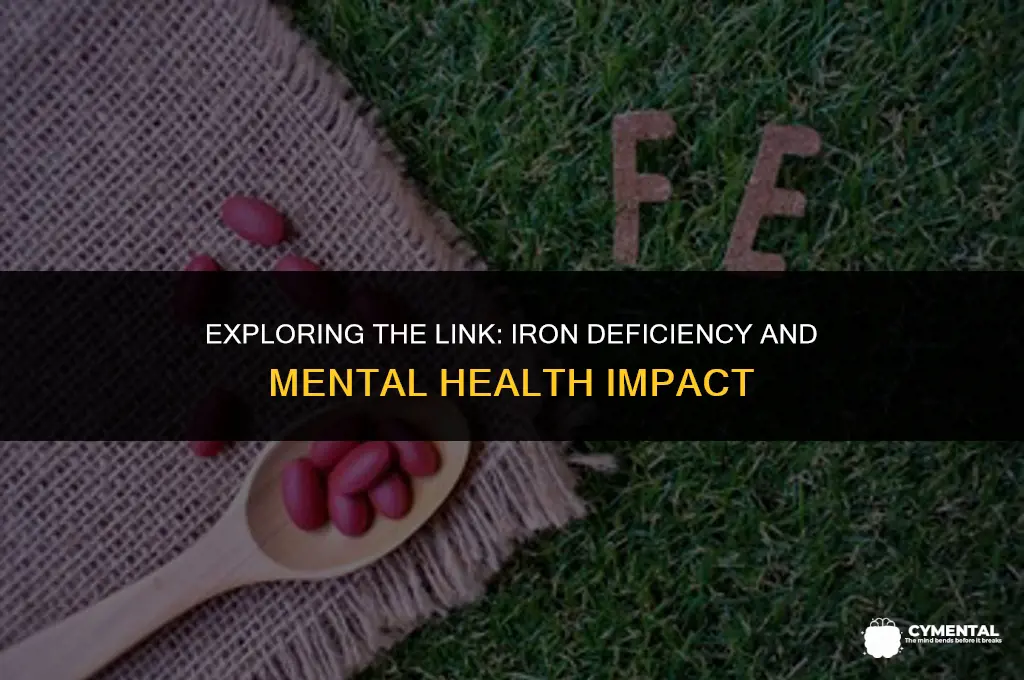
Iron deficiency, a common nutritional issue, has been linked to various mental health concerns. Research suggests that inadequate iron levels can contribute to conditions such as depression, anxiety, and cognitive impairment. This connection is thought to be due to iron's role in the production of neurotransmitters like serotonin and dopamine, which are crucial for regulating mood and cognitive function. Furthermore, iron deficiency can lead to reduced oxygen transport in the brain, potentially exacerbating mental health symptoms. While more research is needed to fully understand the relationship between iron deficiency and mental health, it is clear that maintaining adequate iron levels is essential for overall well-being.
| Characteristics | Values |
|---|---|
| Condition | Iron deficiency |
| Effect on Mental Health | Can lead to symptoms such as depression, anxiety, irritability, and cognitive impairment |
| Mechanism | Iron plays a crucial role in the production of neurotransmitters like serotonin and dopamine, which regulate mood and cognitive function |
| Prevalence | Common, especially in populations with poor dietary intake or increased iron demands |
| Diagnosis | Through blood tests measuring serum iron, transferrin saturation, and ferritin levels |
| Treatment | Iron supplementation, dietary changes to increase iron intake, and addressing underlying causes |
| Prognosis | Generally good with appropriate treatment, but severe or prolonged deficiency can lead to long-term cognitive and emotional difficulties |
| Complications | Anemia, weakness, fatigue, and decreased immune function |
| Prevention | Maintaining a balanced diet rich in iron, especially for at-risk populations like pregnant women and young children |
| Research | Ongoing studies to fully understand the complex relationship between iron deficiency and mental health outcomes |
| Public Awareness | Important to educate the public about the signs and risks of iron deficiency to promote early detection and intervention |
Explore related products





What You'll Learn
- Iron's Role in Brain Function: Iron is crucial for cognitive processes and neurotransmitter synthesis, impacting mental health
- Symptoms of Iron Deficiency: Fatigue, irritability, and difficulty concentrating are common mental health symptoms linked to low iron levels
- Impact on Mood Disorders: Iron deficiency may exacerbate conditions like depression and anxiety by affecting serotonin and dopamine regulation
- Cognitive Development in Children: Adequate iron intake is essential for proper brain development and function in children
- Treatment and Prevention: Addressing iron deficiency through diet or supplements can help improve mental health outcomes

Iron's Role in Brain Function: Iron is crucial for cognitive processes and neurotransmitter synthesis, impacting mental health
Iron plays a pivotal role in brain function, acting as a key component in the synthesis of neurotransmitters such as dopamine, serotonin, and norepinephrine. These neurotransmitters are essential for regulating mood, motivation, and cognitive processes. Iron deficiency can lead to a reduction in the production of these neurotransmitters, potentially resulting in symptoms of depression, anxiety, and cognitive impairment.
The brain's high demand for iron is due to its involvement in various enzymatic reactions and the maintenance of myelin, the fatty substance that insulates nerve fibers. Iron is also crucial for the proper functioning of mitochondria, the energy-producing structures within cells. When iron levels are low, mitochondrial function can be impaired, leading to decreased energy production and further exacerbating cognitive and mood disturbances.
Research has shown that iron deficiency can affect mental health across the lifespan. In children and adolescents, iron deficiency has been linked to attention deficit hyperactivity disorder (ADHD) and poor cognitive performance. In adults, iron deficiency can contribute to the development of depression and anxiety disorders. Older adults with iron deficiency may experience a decline in cognitive function and an increased risk of neurodegenerative diseases such as Alzheimer's.
It is important to note that while iron deficiency can impact mental health, excessive iron intake can also be detrimental. Iron overload can lead to oxidative stress and damage to brain cells. Therefore, maintaining optimal iron levels through a balanced diet and, if necessary, supplementation under the guidance of a healthcare professional is crucial for supporting brain health.
In conclusion, iron's role in brain function is multifaceted and critical for maintaining mental health. Ensuring adequate iron intake and addressing iron deficiency can be an important step in supporting cognitive processes and emotional well-being.
Unveiling the Impact: Alcohol's Effects on Mental Health Explored
You may want to see also
Explore related products


Symptoms of Iron Deficiency: Fatigue, irritability, and difficulty concentrating are common mental health symptoms linked to low iron levels
Iron deficiency is a prevalent nutritional disorder that can significantly impact mental health. One of the primary symptoms associated with low iron levels is fatigue, which can manifest as a persistent feeling of tiredness and a lack of energy. This fatigue can be both physical and mental, making it difficult for individuals to perform daily tasks and maintain their usual level of activity. In addition to fatigue, irritability is another common symptom of iron deficiency. This irritability can lead to mood swings, increased anxiety, and a general sense of unease, affecting interpersonal relationships and overall well-being.
Difficulty concentrating is also a notable mental health symptom linked to iron deficiency. This cognitive impairment can manifest as trouble focusing on tasks, remembering information, and making decisions. Such difficulties can hinder academic and professional performance, leading to frustration and decreased self-esteem. Furthermore, iron deficiency can exacerbate existing mental health conditions, such as depression and anxiety disorders, making symptoms more severe and treatment more challenging.
The connection between iron deficiency and mental health symptoms is rooted in the role of iron in the body. Iron is essential for the production of hemoglobin, which transports oxygen to the brain and other tissues. Low iron levels can lead to reduced oxygen supply, impairing brain function and contributing to the development of mental health symptoms. Additionally, iron plays a crucial role in the synthesis of neurotransmitters, such as serotonin and dopamine, which regulate mood and cognitive function.
To address the mental health symptoms associated with iron deficiency, it is essential to increase iron intake through diet or supplementation. Foods rich in iron, such as red meat, poultry, fish, beans, and leafy green vegetables, can help replenish iron stores. In some cases, iron supplements may be necessary to achieve adequate iron levels. It is also important to consult with a healthcare professional to determine the underlying cause of iron deficiency and to develop an appropriate treatment plan.
In conclusion, iron deficiency can have a profound impact on mental health, leading to symptoms such as fatigue, irritability, and difficulty concentrating. By understanding the role of iron in the body and taking steps to increase iron intake, individuals can alleviate these symptoms and improve their overall well-being.
Exploring the Impact of Cell Phones on Mental Health
You may want to see also
Explore related products
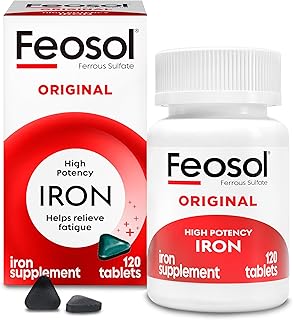


Impact on Mood Disorders: Iron deficiency may exacerbate conditions like depression and anxiety by affecting serotonin and dopamine regulation
Iron deficiency has a profound impact on mental health, particularly in the realm of mood disorders. Research indicates that low iron levels can exacerbate conditions such as depression and anxiety by disrupting the regulation of key neurotransmitters like serotonin and dopamine. Serotonin, often referred to as the "feel-good" hormone, plays a crucial role in mood regulation, appetite, and sleep. Dopamine, on the other hand, is involved in reward, motivation, and emotional responses. When iron levels are insufficient, the production and function of these neurotransmitters can be impaired, leading to a worsening of mood disorder symptoms.
Studies have shown that iron deficiency can lead to decreased serotonin levels in the brain, which is associated with increased symptoms of depression. Furthermore, the enzyme tryptophan hydroxylase, which is responsible for converting tryptophan into serotonin, requires iron as a cofactor. Without adequate iron, this enzyme's activity is reduced, resulting in lower serotonin production. Similarly, dopamine synthesis is also affected by iron deficiency, as the enzyme tyrosine hydroxylase, which converts tyrosine into dopamine, is iron-dependent. Reduced dopamine levels can contribute to feelings of apathy, fatigue, and anhedonia, which are common in depressive disorders.
In addition to its direct effects on neurotransmitter regulation, iron deficiency can also impact mental health indirectly. For instance, iron is essential for the proper functioning of the immune system, and deficiencies can lead to increased susceptibility to infections. Chronic infections, in turn, can contribute to inflammation, which has been linked to the development and exacerbation of mood disorders. Moreover, iron deficiency can lead to anemia, which is characterized by a lack of healthy red blood cells. Anemia can cause symptoms such as fatigue, weakness, and shortness of breath, which can further contribute to feelings of depression and anxiety.
It is important to note that while iron deficiency can exacerbate mood disorders, it is not the sole cause of these conditions. Depression and anxiety are complex disorders that are influenced by a variety of factors, including genetics, environment, and life experiences. However, addressing iron deficiency can be a crucial step in managing and improving mental health outcomes. Healthcare providers may recommend iron supplementation or dietary changes to increase iron intake in individuals with mood disorders and low iron levels. It is essential to consult with a healthcare professional before starting any new supplements, as excessive iron intake can also have negative health effects.
In conclusion, iron deficiency can have a significant impact on mental health, particularly in the context of mood disorders like depression and anxiety. By affecting the regulation of serotonin and dopamine, as well as contributing to other health issues such as anemia and inflammation, low iron levels can exacerbate the symptoms of these conditions. Addressing iron deficiency through proper supplementation and dietary changes can be an important component of a comprehensive treatment plan for individuals with mood disorders.
The Gut-Brain Connection: Unveiling the Impact of Gut Health on Mental Well-being
You may want to see also
Explore related products


Cognitive Development in Children: Adequate iron intake is essential for proper brain development and function in children
Iron plays a critical role in the cognitive development of children. It is essential for the production of hemoglobin, which carries oxygen to the brain, and for the synthesis of neurotransmitters like dopamine and serotonin that regulate mood and behavior. Iron deficiency, particularly in early childhood, can lead to long-lasting impairments in cognitive function.
Research has shown that children with iron deficiency anemia (IDA) often exhibit lower scores on cognitive tests compared to their non-anemic peers. They may struggle with attention, memory, and problem-solving skills. Furthermore, IDA can affect the development of the brain's structure and function, leading to potential delays in language acquisition and social skills.
The effects of iron deficiency on cognitive development can be particularly pronounced in infants and toddlers. During this period, the brain is rapidly developing, and adequate iron intake is crucial for the formation of neural connections. Iron deficiency in early childhood can result in irreversible damage to these connections, impacting cognitive abilities later in life.
It is important to note that the cognitive effects of iron deficiency can persist even after the deficiency is corrected. This underscores the importance of early intervention and prevention. Ensuring that children receive adequate iron intake through diet or supplementation, especially during critical periods of brain development, is essential for supporting their cognitive health.
In conclusion, adequate iron intake is vital for proper brain development and function in children. Iron deficiency can lead to significant cognitive impairments, which may have long-term consequences. Therefore, it is crucial to prioritize iron-rich foods in children's diets and to monitor their iron levels, particularly during early childhood when the brain is most vulnerable.
Exploring the Link: Hormones in Food and Mental Health Impact
You may want to see also
Explore related products


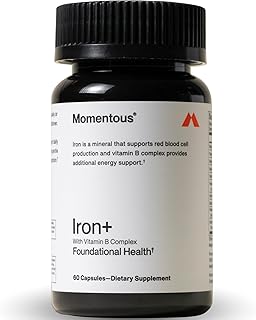

Treatment and Prevention: Addressing iron deficiency through diet or supplements can help improve mental health outcomes
Iron deficiency is a prevalent nutritional disorder that can have far-reaching effects on mental health. Addressing this deficiency through dietary changes or supplementation can significantly improve mental health outcomes. Here's a detailed exploration of how treatment and prevention strategies can be implemented:
Dietary Approaches
- Iron-Rich Foods: Incorporating iron-rich foods into the diet is a primary strategy for combating iron deficiency. Foods such as red meat, poultry, fish, beans, lentils, and leafy green vegetables are excellent sources of iron. Consuming these foods regularly can help replenish iron stores in the body.
- Enhancing Absorption: Certain dietary components can enhance iron absorption. For instance, vitamin C-rich foods like citrus fruits, bell peppers, and strawberries can improve iron absorption when consumed alongside iron-rich foods. Conversely, substances like tannins (found in tea and coffee) and calcium (in dairy products) can inhibit iron absorption and should be consumed in moderation.
- Balanced Diet: A balanced diet that includes a variety of nutrients is crucial for maintaining overall health, including mental well-being. Ensuring adequate intake of other essential nutrients like vitamin B12, folate, and omega-3 fatty acids can support mental health and complement iron supplementation.
Supplementation
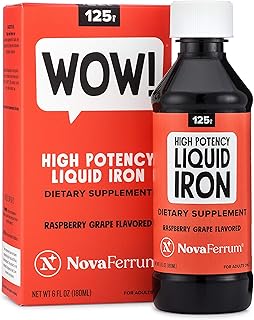
- Iron Supplements: When dietary intake is insufficient, iron supplements can be an effective way to address deficiency. Supplements are available in various forms, including ferrous sulfate, ferrous gluconate, and ferrous bisglycinate. The choice of supplement can depend on factors like bioavailability and tolerability.
- Dosage and Timing: The recommended dosage of iron supplements varies based on age, sex, and the severity of the deficiency. Typically, adults may require 15-30 mg of elemental iron daily. It's important to take supplements on an empty stomach to enhance absorption, and they should be taken consistently for the prescribed duration.
- Potential Side Effects: Iron supplements can cause side effects such as nausea, constipation, and stomach pain. To minimize these effects, it's advisable to start with a lower dose and gradually increase it. Taking supplements with food can also help reduce gastrointestinal discomfort.
Monitoring and Maintenance
- Regular Check-Ups: Regular monitoring of iron levels through blood tests is essential to ensure that treatment is effective. Healthcare providers can adjust the dosage or type of supplement based on these results.
- Long-Term Strategies: Preventing iron deficiency involves maintaining a healthy diet and lifestyle. For individuals at higher risk of deficiency, such as menstruating women or those with chronic conditions, ongoing supplementation may be necessary.
- Mental Health Support: While addressing iron deficiency can improve mental health outcomes, it's important to seek comprehensive mental health support. This may include therapy, medication, and lifestyle interventions to manage symptoms and promote overall well-being.
In conclusion, addressing iron deficiency through diet or supplements can play a crucial role in improving mental health outcomes. By understanding the dietary approaches, supplementation strategies, and the importance of monitoring and maintenance, individuals can take proactive steps to manage their iron levels and support their mental health.
Exploring the Link: Antibiotics and Their Impact on Mental Health
You may want to see also
Frequently asked questions
Yes, iron deficiency can significantly impact mental health. Iron plays a crucial role in the production of neurotransmitters like serotonin and dopamine, which are essential for mood regulation. Low levels of iron can lead to decreased production of these neurotransmitters, potentially resulting in symptoms of depression and anxiety.
Common symptoms of iron deficiency that can be mistaken for mental health issues include fatigue, irritability, difficulty concentrating, and mood swings. These symptoms can often be attributed to conditions like depression or anxiety, but they may actually be a result of low iron levels.
Iron deficiency can be diagnosed through a blood test that measures the levels of iron, ferritin (a protein that stores iron), and transferrin (a protein that transports iron). A healthcare provider may also perform a physical examination and take a medical history to identify any underlying causes of the deficiency.
Effective ways to treat iron deficiency include increasing dietary intake of iron-rich foods such as red meat, poultry, fish, beans, and leafy green vegetables. Iron supplements may also be prescribed by a healthcare provider. In some cases, intravenous iron therapy may be necessary for individuals who cannot absorb iron from oral supplements or have severe deficiency.