Ava Ramirez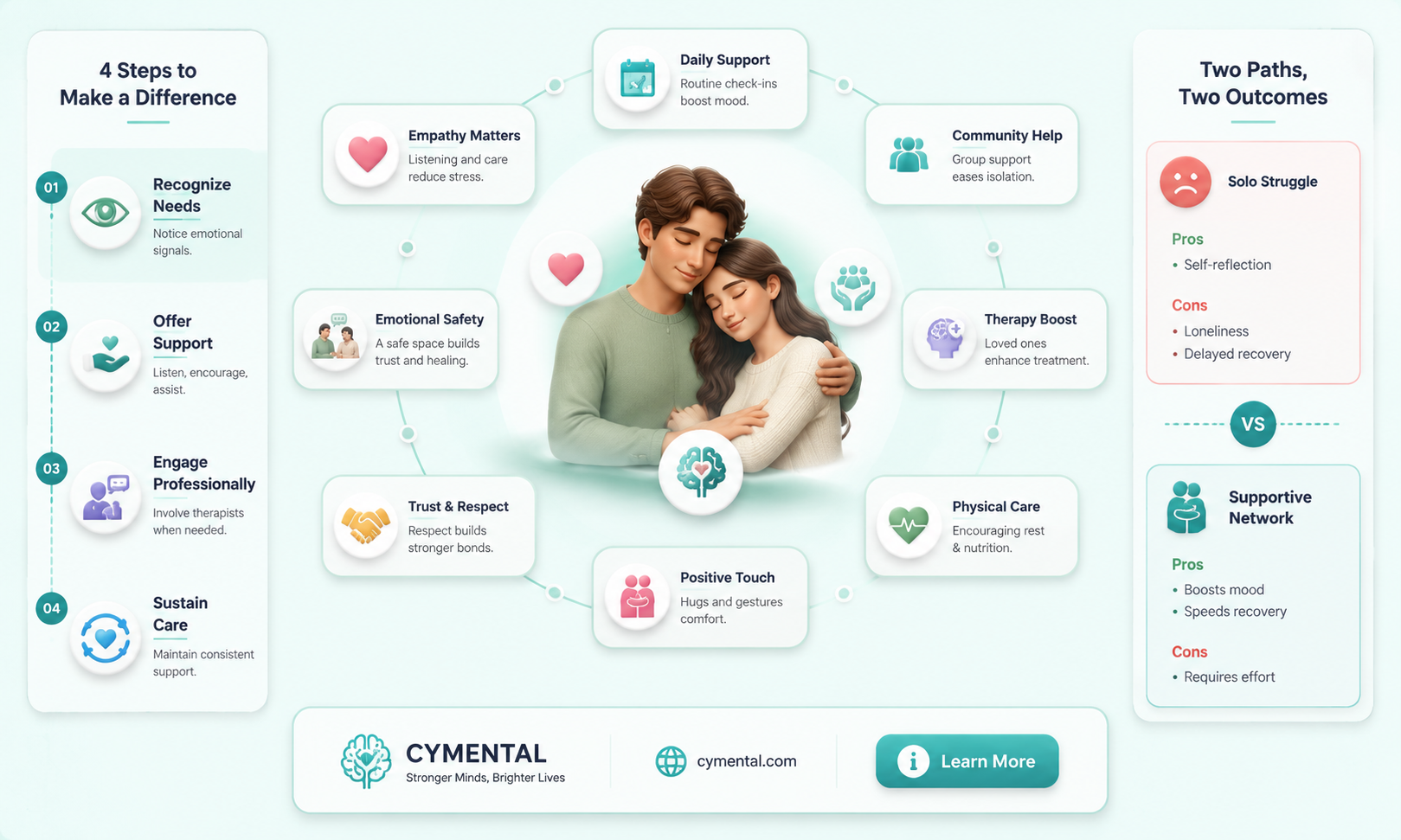
Love, in its various forms, has long been recognized as a powerful force in human life, offering emotional support, connection, and a sense of purpose. When considering its impact on mental illness, love—whether from partners, family, friends, or even self-love—can play a significant role in alleviating symptoms and fostering resilience. Emotional support from loved ones can reduce feelings of isolation, provide a safe space for expression, and encourage individuals to seek help. Additionally, the neurochemical effects of love, such as the release of oxytocin and dopamine, can promote feelings of well-being and reduce stress, which are particularly beneficial for those struggling with conditions like depression or anxiety. However, it’s important to note that while love can be a complementary tool in managing mental illness, it is not a substitute for professional treatment. The interplay between love and mental health highlights the importance of nurturing relationships and self-compassion as part of a holistic approach to healing.
| Characteristics | Values |
|---|---|
| Emotional Support | Provides a sense of security, belonging, and understanding, reducing feelings of loneliness and isolation common in mental illness. |
| Stress Reduction | Loving relationships can lower cortisol levels and promote relaxation, mitigating stress-related symptoms of mental health conditions. |
| Increased Self-Esteem | Feeling loved and valued can boost self-worth and confidence, counteracting negative self-perceptions often associated with mental illness. |
| Motivation for Recovery | Love can provide a reason to seek help, adhere to treatment plans, and make positive lifestyle changes. |
| Social Connection | Combats social withdrawal, a common symptom of many mental illnesses, by fostering meaningful relationships and a sense of community. |
| Healthy Coping Mechanisms | Encourages healthy ways of managing emotions and stress through communication, shared activities, and mutual support. |
| Improved Physical Health | Love and social support are linked to better physical health, which can positively impact mental well-being. |
| Hope and Purpose | Provides a sense of hope for the future and a reason to live, counteracting feelings of hopelessness and despair. |
| Neurochemical Changes | Love activates brain regions associated with reward, pleasure, and bonding, potentially influencing neurotransmitter levels and mood regulation. |
| Resilience | Helps individuals build resilience to cope with challenges and setbacks associated with mental illness. |
| Limitations | Love alone is not a cure for mental illness and should not replace professional treatment. It can complement therapy and medication but cannot substitute for them. |
Explore related products


$10.99 $18.99


What You'll Learn
- Emotional Support: Love provides comfort, reduces stress, and fosters emotional resilience against mental health challenges
- Social Connection: Loving relationships combat loneliness, a key risk factor for depression and anxiety
- Motivation for Recovery: Love inspires individuals to seek help and adhere to treatment plans
- Positive Psychology: Loving interactions boost serotonin and dopamine, improving mood and mental well-being
- Safe Attachment: Secure, loving bonds promote healthy coping mechanisms and reduce trauma impacts

Emotional Support: Love provides comfort, reduces stress, and fosters emotional resilience against mental health challenges
Love, in its myriad forms, acts as a powerful buffer against the corrosive effects of stress, a primary trigger for mental health challenges. When individuals experience consistent emotional support—whether from partners, family, or friends—cortisol levels, the body’s stress hormone, measurably decrease. A study published in *Psychosomatic Medicine* found that individuals in loving relationships exhibited a 10-12% lower cortisol response to stress compared to those without such support. This physiological benefit translates into reduced anxiety and depression symptoms, demonstrating that love isn’t merely emotional but biochemically impactful.
Consider the practical application of this insight: incorporating daily rituals of connection can amplify these effects. For instance, spending 15-20 minutes each day in meaningful conversation, free from distractions, strengthens emotional bonds and reinforces a sense of security. For those supporting someone with mental illness, active listening—repeating back what the person has said to confirm understanding—can make them feel heard and valued, reducing their stress burden. These small, intentional acts of love accumulate over time, building resilience against mental health challenges.
Comparatively, the absence of such support can exacerbate mental health issues. Loneliness, often described as a "social famine," has been linked to a 26% increased risk of depression and a 32% higher risk of cardiovascular disease, according to research from *Perspectives on Psychological Science*. Conversely, individuals with strong emotional support networks report higher levels of life satisfaction and lower rates of chronic mental health conditions. This contrast underscores the protective role of love, not as a cure-all but as a critical component of mental health maintenance.
To harness love’s stress-reducing potential, focus on quality over quantity. A single, deeply empathetic interaction can outweigh dozens of superficial exchanges. For caregivers, self-care is non-negotiable; burnout diminishes one’s ability to provide effective support. Scheduling regular "check-ins" with oneself—even 10 minutes of mindfulness or journaling—ensures emotional reserves remain intact. For those receiving support, expressing gratitude, even in small ways, reinforces the bond and encourages continued care.
In essence, love’s role in mental health is both preventative and restorative. By reducing stress, providing comfort, and fostering resilience, it creates an emotional safety net that mitigates the impact of mental health challenges. While not a standalone solution, it is an indispensable tool in the broader toolkit of mental wellness. Prioritize it, nurture it, and recognize its transformative power in both giving and receiving.
Supporting Your Boyfriend's Mental Health Through Nutrition and Diet
You may want to see also
Explore related products


Social Connection: Loving relationships combat loneliness, a key risk factor for depression and anxiety
Loneliness isn’t merely an emotional state; it’s a physiological stressor that triggers the body’s fight-or-flight response, elevating cortisol levels and inflaming the immune system. Chronically lonely individuals are 64% more likely to develop clinical dementia and 30% more likely to suffer premature death, according to a meta-analysis published in *Nature*. Loving relationships act as a buffer, reducing this stress response by fostering a sense of safety and belonging. When someone feels seen, heard, and valued, their nervous system shifts from hypervigilance to rest-and-digest mode, lowering anxiety and depression risks.
Consider the mechanics of social connection: a 20-minute conversation with a trusted partner releases oxytocin, the "bonding hormone," which counteracts cortisol and promotes emotional regulation. For those with anxiety disorders, consistent, affectionate interactions can serve as a form of exposure therapy, retraining the brain to associate social engagement with security rather than threat. Practical tip: Schedule daily check-ins with a loved one, even if brief, to maintain this biochemical balance. For older adults, who face heightened loneliness due to isolation, intergenerational programs pairing seniors with younger volunteers have shown to reduce depressive symptoms by 40% within six months.
Critics might argue that not everyone has access to loving relationships, but the quality of connection matters more than quantity. A single, deeply supportive bond can outweigh dozens of superficial interactions. For instance, a study in *JAMA Psychiatry* found that individuals with one confidant experienced a 50% reduction in depressive episodes compared to those with none. If a romantic partner isn’t available, cultivating close friendships or joining community groups can yield similar benefits. Caution: Avoid substituting digital interactions for in-person contact; while social media can reduce isolation, it often lacks the emotional depth needed to combat loneliness effectively.
To harness the power of social connection, start small. Engage in active listening during conversations, asking open-ended questions to deepen intimacy. For couples, allocate 10 minutes daily for uninterrupted, device-free dialogue. Group settings can be intimidating for those with social anxiety, so begin with low-stakes activities like book clubs or walking groups. For caregivers of mentally ill individuals, remember that your presence alone can mitigate their loneliness—physical touch, like a handhold, communicates safety more powerfully than words.
The takeaway is clear: loving relationships aren’t a luxury but a necessity for mental health. They transform loneliness from a silent epidemic into a manageable condition. By prioritizing connection—whether through partnerships, friendships, or community ties—individuals can fortify their emotional resilience against depression and anxiety. It’s not about grand gestures but consistent, meaningful engagement. In a world increasingly fragmented, love remains one of the most potent antidotes to isolation.
Seeking Mental Health Support: Can 111 Be a Helpful Resource?
You may want to see also
Explore related products



Motivation for Recovery: Love inspires individuals to seek help and adhere to treatment plans
Love, in its myriad forms, can be a powerful catalyst for individuals grappling with mental illness. The emotional support derived from familial bonds, romantic relationships, or friendships often provides the initial spark that motivates someone to acknowledge their struggles and seek professional help. For instance, a study published in the *Journal of Consulting and Clinical Psychology* found that individuals with strong social support systems were 50% more likely to initiate therapy compared to those who felt isolated. This statistic underscores the tangible impact of love in breaking down the barriers of stigma and denial that often accompany mental health issues.
Consider the practical steps love can inspire. A partner might gently encourage their significant other to schedule a psychiatric evaluation, offering to accompany them to the appointment. A parent might research evidence-based treatments for their child’s anxiety disorder, such as cognitive-behavioral therapy (CBT), which has a success rate of 50–75% in reducing symptoms. Even small gestures, like a friend consistently checking in during a depressive episode, can reinforce the belief that recovery is worth pursuing. These actions, rooted in care and concern, transform abstract intentions into actionable plans.
However, it’s crucial to acknowledge the potential pitfalls. Love, while motivating, is not a substitute for professional treatment. Over-reliance on emotional support alone can lead to burnout for caregivers or unrealistic expectations for the individual in recovery. For example, a spouse might feel pressured to "fix" their partner’s bipolar disorder, a condition that requires medication adherence and therapy. To avoid this, set clear boundaries: caregivers should prioritize self-care, and individuals in recovery should communicate their needs openly. Combining love with structured treatment plans ensures a balanced approach.
The comparative power of love becomes evident when examining its role alongside traditional interventions. While medication and therapy address the biochemical and cognitive aspects of mental illness, love provides the emotional scaffolding that fosters resilience. For instance, a 2018 study in *Psychiatry Research* revealed that patients with schizophrenia who reported high levels of familial support showed greater adherence to antipsychotic medication regimens, with compliance rates increasing from 40% to 70%. This synergy between emotional and clinical support highlights how love can amplify the effectiveness of treatment.
In conclusion, love serves as both a starting point and a sustaining force in the journey toward mental health recovery. It bridges the gap between recognizing the need for help and actively engaging in treatment. By understanding its role and limitations, individuals and their support networks can harness its power effectively. Whether through a partner’s encouragement, a parent’s advocacy, or a friend’s unwavering presence, love transforms the abstract goal of recovery into a tangible, achievable reality.
Boost Focus and Calm: Strategies for Achieving Mental Clarity
You may want to see also
Explore related products





Positive Psychology: Loving interactions boost serotonin and dopamine, improving mood and mental well-being
Love, in its myriad forms, has long been celebrated as a powerful force in human life. But beyond its romanticized portrayal, love—whether between partners, family members, or friends—plays a tangible role in mental health. Positive psychology reveals that loving interactions stimulate the release of serotonin and dopamine, neurotransmitters critical for mood regulation and emotional well-being. These chemical responses are not merely abstract; they translate into measurable improvements in mental health, offering a natural antidote to conditions like depression and anxiety.
Consider the mechanics: serotonin, often dubbed the "feel-good" hormone, stabilizes mood and promotes feelings of happiness. Dopamine, associated with reward and pleasure, reinforces positive behaviors and motivation. A warm embrace, a heartfelt conversation, or even a shared laugh triggers these neurotransmitters, creating a biological cascade that counters stress and negativity. Research shows that individuals with strong social connections report lower levels of cortisol, the stress hormone, further highlighting the physiological benefits of love.
To harness this effect, incorporate intentional loving interactions into daily life. For instance, spending 15–20 minutes engaging in meaningful conversation with a loved one can elevate dopamine levels, while physical touch, such as holding hands or hugging for at least 20 seconds, boosts oxytocin, which complements serotonin’s mood-enhancing effects. For those struggling with mental illness, these practices can serve as adjunctive strategies, not replacements for therapy or medication, but valuable tools in a holistic approach to healing.
However, it’s essential to recognize that not all relationships are nurturing. Toxic interactions can deplete serotonin and dopamine, exacerbating mental health challenges. The key lies in cultivating relationships that foster mutual respect, empathy, and positivity. For example, group activities like volunteering or shared hobbies not only strengthen bonds but also provide a sense of purpose, further amplifying the psychological benefits.
Incorporating loving interactions into mental health routines requires mindfulness and consistency. Start small: send a thoughtful message, practice active listening, or engage in acts of kindness. Over time, these actions create a positive feedback loop, where improved mental well-being encourages more loving behaviors. While love is not a cure-all, its role in boosting serotonin and dopamine underscores its potential as a transformative force in the journey toward mental wellness.
Finding Support: Where to Get Help for Depression and Healing
You may want to see also
Explore related products


Safe Attachment: Secure, loving bonds promote healthy coping mechanisms and reduce trauma impacts
Secure, loving bonds act as a buffer against the corrosive effects of trauma, rewiring the brain’s response to stress and fostering resilience. Attachment theory, rooted in decades of psychological research, demonstrates that individuals with secure attachments develop healthier coping mechanisms. When a person feels consistently supported and understood by a loved one, their amygdala—the brain’s alarm system—becomes less hyperactive, reducing the intensity of anxiety and fear responses. For example, a child who experiences a traumatic event but has a nurturing caregiver is less likely to develop PTSD, as the caregiver’s presence helps regulate their emotional and physiological reactions. This dynamic isn’t limited to childhood; adults with secure attachments to partners, friends, or family members exhibit similar neurobiological benefits, highlighting the lifelong importance of these bonds.
To cultivate safe attachment, prioritize consistency and emotional availability in relationships. For parents, this means responding promptly to a child’s needs, not just materially but emotionally—validating their feelings and offering comfort during distress. In adult relationships, active listening and empathy are key. For instance, if a partner shares a stressful experience, avoid dismissive phrases like “It’s not a big deal” and instead say, “That sounds really hard. How can I support you?” Practical steps include setting aside dedicated time for connection, such as daily check-ins or weekly date nights, free from distractions like phones or screens. Research shows that even 15–20 minutes of uninterrupted, empathetic interaction can strengthen attachment bonds over time.
A cautionary note: not all relationships labeled as “loving” are secure attachments. Toxic dynamics, such as codependency or emotional manipulation, can mimic attachment but ultimately exacerbate mental health issues. Signs of unhealthy attachment include feeling suffocated, walking on eggshells, or sacrificing personal boundaries to please the other person. To differentiate, assess whether the relationship fosters autonomy and growth or breeds anxiety and self-doubt. If in doubt, consult a therapist who specializes in attachment styles to identify patterns and develop healthier relational habits.
The takeaway is clear: safe attachment isn’t just about being in a relationship; it’s about the quality of that connection. Secure bonds act as a protective factor against mental illness by teaching individuals to regulate emotions, seek support, and view the world as a safe place. For those with pre-existing trauma or mental health challenges, nurturing these bonds can be transformative. Start small—a daily text to a loved one, a weekly call to a friend, or a commitment to therapy—and watch as these micro-actions compound into macro-resilience. In a world where trauma is often inevitable, love, when expressed through secure attachment, becomes a powerful antidote.
Empowering Self-Care Strategies: A Guide to Helping Yourself Thrive
You may want to see also
Frequently asked questions
Yes, love, in the form of emotional support, understanding, and connection, can significantly aid in managing mental illness by reducing stress, fostering resilience, and promoting a sense of belonging.
Love provides a sense of security and validation, which can alleviate symptoms of depression and anxiety by boosting self-esteem, reducing feelings of isolation, and encouraging healthier coping mechanisms.
No, romantic love alone cannot cure mental illness. While it can be supportive, professional treatment, therapy, and medication are often necessary for effective management and recovery.
Familial love offers a stable foundation of support, understanding, and encouragement, which can enhance mental health recovery by creating a safe environment and reducing stigma around seeking help.