Ava Ramirez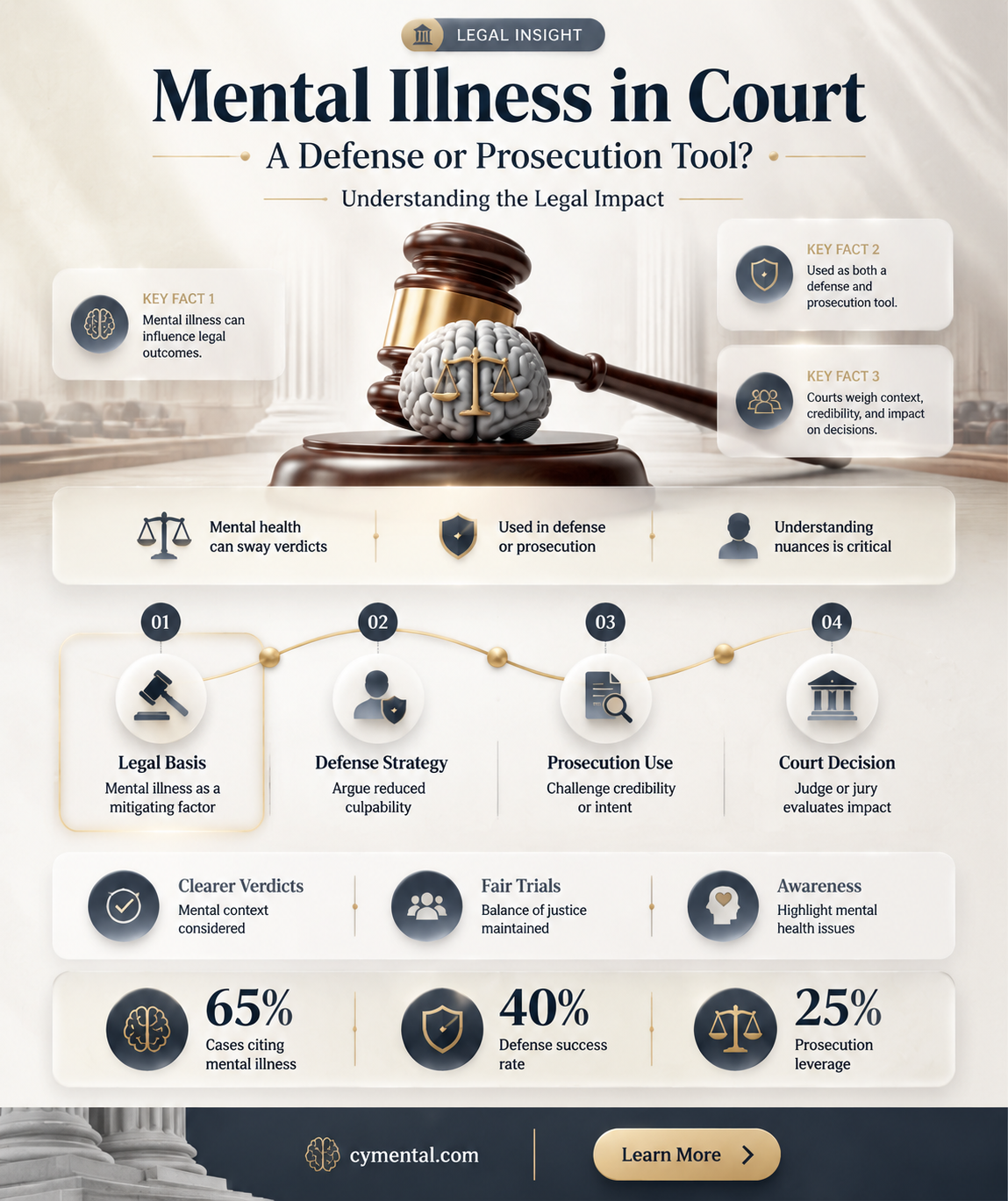
The question of whether mental illness can aid federal prosecution is a complex and multifaceted issue that intersects law, psychology, and ethics. While mental illness is often considered a mitigating factor in legal cases, reducing culpability or influencing sentencing, it can also be leveraged by prosecutors in certain circumstances. For instance, a defendant’s mental health history might be used to argue for stricter penalties if their condition is deemed to pose a heightened risk to public safety or if they are judged to lack remorse or insight into their actions. Additionally, mental illness can sometimes be central to establishing intent or capacity in cases where the defendant’s mental state is directly relevant to the crime. However, this approach raises significant ethical concerns, as it risks stigmatizing individuals with mental health conditions and potentially undermining their right to fair treatment under the law. Balancing the need for justice with compassion and understanding of mental health challenges remains a critical challenge in federal prosecution.
Explore related products


What You'll Learn

Mental Illness as Mitigating Factor in Sentencing
Mental illness can significantly influence sentencing outcomes in federal prosecutions, often serving as a mitigating factor that courts consider when determining punishment. Judges may view a defendant’s mental health condition as evidence of diminished culpability, particularly if the illness contributed to the criminal behavior. For instance, in cases involving schizophrenia or severe depression, defense attorneys frequently argue that the defendant’s impaired judgment or inability to fully comprehend the consequences of their actions warrants leniency. This approach aligns with the legal principle that punishment should reflect both the severity of the crime and the defendant’s capacity for responsibility.
To effectively leverage mental illness as a mitigating factor, defense teams must provide comprehensive documentation and expert testimony. Psychiatric evaluations, medical records, and histories of treatment are critical in establishing the defendant’s condition and its impact on their actions. For example, a defendant with bipolar disorder might present evidence of manic episodes that directly correlated with the timing of the offense. Prosecutors, however, may counter by arguing that the defendant’s illness does not absolve them of accountability, especially if the crime involved premeditation or harm to others. The court’s decision often hinges on balancing the need for public safety with the defendant’s potential for rehabilitation through treatment rather than incarceration.
Practical strategies for incorporating mental illness into sentencing arguments include emphasizing the defendant’s willingness to undergo treatment and their lack of prior criminal history. For younger defendants, particularly those aged 18–25 whose brains are still developing, mental health issues can be framed as a product of immaturity rather than malicious intent. In some cases, judges may opt for alternatives to prison, such as probation with mandatory mental health treatment, supervised release, or placement in specialized facilities. These outcomes not only address the defendant’s needs but also reduce recidivism by tackling the root causes of their behavior.
Comparatively, international legal systems often handle mental illness in sentencing more progressively than the U.S. federal system. Countries like Canada and the UK prioritize restorative justice models, where mental health treatment is integrated into sentencing guidelines. While the U.S. has made strides with initiatives like mental health courts, federal prosecutors still operate within a punitive framework that often prioritizes deterrence over rehabilitation. Advocates argue that adopting more nuanced approaches, such as those seen abroad, could lead to fairer outcomes for defendants with mental illness while maintaining public safety.
Ultimately, the role of mental illness in sentencing requires a delicate balance between compassion and justice. Defense attorneys must craft persuasive narratives that humanize their clients while addressing prosecutorial concerns about accountability. Judges, in turn, must weigh the evidence carefully, ensuring that sentences reflect both the circumstances of the crime and the defendant’s individual struggles. By treating mental illness as a mitigating factor, the legal system can move toward a more equitable and rehabilitative approach, one that acknowledges the complexities of human behavior and the potential for redemption.
Coconut Oil and Mental Health: Exploring Potential Benefits and Science
You may want to see also
Explore related products


$64.23 $64.99


Competency to Stand Trial Assessments
In federal prosecutions, the question of a defendant's competency to stand trial is a critical threshold issue. If a defendant is deemed incompetent, proceedings are halted until competency is restored, if possible. This assessment hinges on two key criteria: the defendant's ability to understand the proceedings against them and their capacity to assist in their own defense. Mental illness can significantly impair these abilities, but it doesn’t automatically render someone incompetent. Instead, it triggers a formal evaluation process, often involving forensic psychologists or psychiatrists, to determine whether the defendant meets the legal standard for competency.
The competency evaluation process is structured yet nuanced. It typically involves a clinical interview, psychological testing, and a review of the defendant’s legal and medical history. Tools like the *MacCAT-CA* (MacArthur Competence Assessment Tool for Criminal Adjudication) are commonly used to assess understanding of charges, roles of courtroom personnel, and potential consequences. For example, a defendant with schizophrenia might grasp the charges but struggle to rationally communicate with their attorney due to active delusions. In such cases, the evaluator must distinguish between mental illness symptoms and actual incompetency, ensuring the assessment is legally sound rather than purely clinical.
A defendant found incompetent isn’t necessarily off the hook. Federal law mandates efforts to restore competency, often through psychiatric treatment in a specialized facility. This could involve medication management, psychotherapy, or education about the legal process. For instance, antipsychotic medications like olanzapine or haloperidol might be prescribed for psychotic disorders, but dosages must balance symptom control with side effects that could impair cognition. The goal is restoration, not punishment, and treatment duration varies—some defendants regain competency within months, while others may never meet the threshold.
The interplay between mental illness and competency assessments raises ethical and legal dilemmas. For example, a defendant with severe depression might be competent but lack the emotional capacity to participate effectively. Courts must weigh the defendant’s rights against the state’s interest in pursuing justice. Additionally, cultural or linguistic barriers can complicate assessments, as symptoms of mental illness may be misinterpreted. Practitioners must remain vigilant to avoid biases and ensure evaluations are fair, culturally sensitive, and legally defensible.
Ultimately, competency to stand trial assessments serve as a safeguard, ensuring defendants are fit to participate in their defense before facing prosecution. While mental illness can complicate this determination, it’s not a blanket exemption. The process demands precision, empathy, and adherence to legal standards. For practitioners, understanding the intersection of mental health and criminal law is essential to upholding justice while protecting the rights of vulnerable defendants.
Athletes and Mental Health: Why Seeking Help Remains a Challenge
You may want to see also
Explore related products


Insanity Defense in Federal Cases
The insanity defense, a legal strategy rooted in centuries of jurisprudence, remains a complex and often misunderstood aspect of federal prosecution. In federal cases, this defense hinges on the defendant's ability to prove that, at the time of the crime, they were unable to appreciate the nature and quality or wrongfulness of their actions due to a severe mental illness. Unlike state laws, which vary widely, federal law adheres to the Durham Rule, later refined by the American Law Institute (ALI) test, which requires a direct causal link between the mental illness and the criminal act. This narrow standard makes successful insanity defenses rare, with fewer than 1% of federal cases employing it and an even smaller fraction resulting in acquittal.
Consider the case of John Hinckley Jr., who attempted to assassinate President Ronald Reagan in 1981. Hinckley's defense team argued that his actions were driven by severe mental illness, specifically schizophrenia and obsessive-compulsive disorder. The jury found him not guilty by reason of insanity, a verdict that sparked widespread debate and led to significant reforms in federal insanity defense laws. This example underscores the high bar defendants must clear: not merely proving mental illness, but demonstrating its direct role in rendering them incapable of understanding their actions. For practitioners, this requires meticulous documentation of the defendant's mental state, often involving expert testimony from psychiatrists or psychologists.
When preparing an insanity defense in federal court, attorneys must follow a precise set of steps. First, conduct a thorough psychiatric evaluation of the defendant, ideally by a forensic psychiatrist with experience in federal cases. Second, gather all relevant medical records, including prior diagnoses, treatment histories, and medication regimens. For instance, a defendant with a documented history of schizophrenia who was noncompliant with antipsychotic medication (e.g., haloperidol 10 mg daily) at the time of the offense may present a stronger case. Third, align the evidence with the ALI test, ensuring a clear causal connection between the mental illness and the criminal act. Caution: avoid conflating mental illness with mere emotional distress or personality disorders, as these rarely meet the federal standard.
Critics argue that the insanity defense undermines accountability, while proponents view it as a necessary safeguard for those unable to control their actions due to severe mental illness. A comparative analysis reveals that federal law is stricter than many state standards, such as the M’Naghten Rule, which focuses solely on cognitive incapacity. This rigidity reflects a broader societal skepticism toward mental illness as a mitigating factor in criminal behavior. However, for defendants like Hinckley, the defense offers a pathway to treatment rather than punitive incarceration, often resulting in confinement in a psychiatric facility until they are deemed no longer a danger to themselves or others.
In practice, the insanity defense in federal cases serves as both a legal and ethical litmus test. It challenges the justice system to balance accountability with compassion, particularly for individuals whose actions stem from profound mental illness. For legal professionals, understanding the nuances of this defense—its requirements, limitations, and implications—is essential. While rarely successful, when properly executed, it can provide a just outcome for defendants whose culpability is fundamentally altered by their mental state. As with any high-stakes legal strategy, preparation, precision, and a deep understanding of both the law and psychiatry are key.
Canine Companions: How Dogs Support Mental Health and Well-being
You may want to see also
Explore related products


![The Prosecution and Defense of Public Corruption: The Law and Legal Strategies 2024 Edition [LATEST EDITION]](https://m.media-amazon.com/images/I/41xrW2m8k4L._AC_UY218_.jpg)
Mental Health Impact on Plea Bargains
Mental illness can significantly alter the dynamics of plea bargaining in federal prosecutions, often tipping the scales in favor of defendants. For instance, a defendant diagnosed with schizophrenia or severe bipolar disorder may be deemed less culpable due to impaired decision-making capacity, prompting prosecutors to offer reduced charges or sentences. This leniency stems from legal precedents like *Clark v. Arizona* (2006), which acknowledges mental health as a mitigating factor in criminal responsibility. However, this advantage is not automatic; it hinges on robust medical evidence and strategic legal advocacy.
Consider the case of a defendant with PTSD stemming from military service, charged with nonviolent offenses like theft or fraud. Defense attorneys often leverage mental health evaluations to argue for plea deals that include diversion programs or probation instead of incarceration. For example, veterans’ courts in federal jurisdictions frequently prioritize treatment over punishment, recognizing trauma as a root cause of criminal behavior. Such outcomes require detailed psychiatric assessments and a clear nexus between the illness and the offense, making expert testimony indispensable.
Prosecutors, however, are not always receptive to mental health arguments, particularly in cases involving violent crimes or repeat offenders. They may counter that a defendant’s illness does not negate intent or public safety concerns. For instance, a defendant with antisocial personality disorder might face skepticism, as this condition is often viewed as a lack of empathy rather than a treatable illness. Defense strategies must therefore balance medical evidence with demonstrations of rehabilitation potential, such as enrollment in therapy or medication compliance.
Practical tips for leveraging mental health in plea bargains include securing a comprehensive psychological evaluation early in the case, ideally from a forensic psychiatrist with federal court experience. Attorneys should also highlight how treatment plans align with sentencing goals, such as reducing recidivism. For example, a defendant with severe depression might propose a plea deal that includes mandatory mental health treatment and regular court monitoring. This approach not only benefits the defendant but also reassures prosecutors and judges of accountability and public safety.
Ultimately, mental illness can be a double-edged sword in plea bargaining. While it may open doors to more lenient outcomes, it requires meticulous preparation and a nuanced understanding of both legal and medical frameworks. Defendants and their attorneys must navigate this terrain carefully, ensuring that mental health is portrayed not as an excuse, but as a critical factor shaping behavior and amenable to intervention. When executed effectively, this strategy can transform a federal prosecution into an opportunity for healing and rehabilitation.
Altruism's Healing Power: Can Selfless Acts Improve Mental Health?
You may want to see also
Explore related products


Prison Mental Health Care Obligations
Prisons are constitutionally obligated to provide adequate mental health care to inmates under the Eighth Amendment’s prohibition of cruel and unusual punishment. This mandate, established in *Estelle v. Gamble* (1976), requires correctional facilities to offer timely, competent treatment for diagnosed conditions. Failure to meet this standard can result in lawsuits, court-ordered reforms, and substantial financial penalties. For example, California’s prison system has faced repeated litigation for inadequate psychiatric staffing, leading to federally mandated improvements in medication management and therapy access. Despite these legal requirements, resource constraints and systemic neglect often leave inmates with severe mental illnesses untreated, exacerbating their conditions and increasing recidivism rates.
Effective prison mental health care hinges on a multi-tiered approach, beginning with comprehensive screening during intake. Inmates should undergo standardized assessments like the Brief Jail Mental Health Screen to identify immediate risks, such as suicidal ideation or psychosis. Follow-up evaluations by licensed clinicians must determine appropriate treatment plans, which may include antipsychotics (e.g., 10–20 mg/day of olanzapine for schizophrenia), cognitive-behavioral therapy, or crisis intervention. However, prisons often struggle to implement these protocols due to shortages of qualified staff and overreliance on segregation as a management tool, which can worsen mental health outcomes.
Federal prosecution of individuals with mental illness raises ethical and practical dilemmas, particularly when defendants’ competency to stand trial is in question. Under *Dusky v. United States* (1960), defendants must possess a rational and factual understanding of proceedings. Prisons play a critical role in restoring competency through court-ordered treatment programs, which may involve forced medication under strict judicial oversight. Yet, these programs are often underfunded and inconsistent, leaving some defendants in legal limbo for years. For instance, a 2019 report found that 40% of federal inmates awaiting competency restoration waited over six months for placement in specialized facilities.
Advocates argue that investing in prison mental health care not only fulfills legal obligations but also reduces long-term costs associated with incarceration and reoffending. A 2017 study in *Health Affairs* estimated that every dollar spent on prison mental health services saves $2.50 in future criminal justice expenses. Practical steps include expanding telehealth services to rural facilities, training correctional officers in de-escalation techniques, and integrating peer support programs. States like Washington have piloted "mental health courts" to divert nonviolent offenders into treatment, achieving recidivism reductions of up to 30%. Such initiatives demonstrate that addressing mental health in prisons is both a moral imperative and a fiscally responsible strategy.
Are Mental Health Diagnoses Helpful? Exploring Benefits and Limitations
You may want to see also
Frequently asked questions
No, a mental illness diagnosis does not automatically prevent federal prosecution. However, it may be considered during legal proceedings, particularly in determining competency to stand trial or as a mitigating factor during sentencing.
Mental illness can be a mitigating factor in federal sentencing, potentially leading to reduced penalties or alternative sentencing options, such as mental health treatment programs. However, it is not a guarantee of leniency and depends on the specifics of the case and the judge’s discretion.
Yes, mental illness can be used as a defense in federal court, particularly in cases where it affects the defendant’s ability to understand the nature of their actions or distinguish right from wrong. The insanity defense, though rarely successful, is one such example.