Noah Parker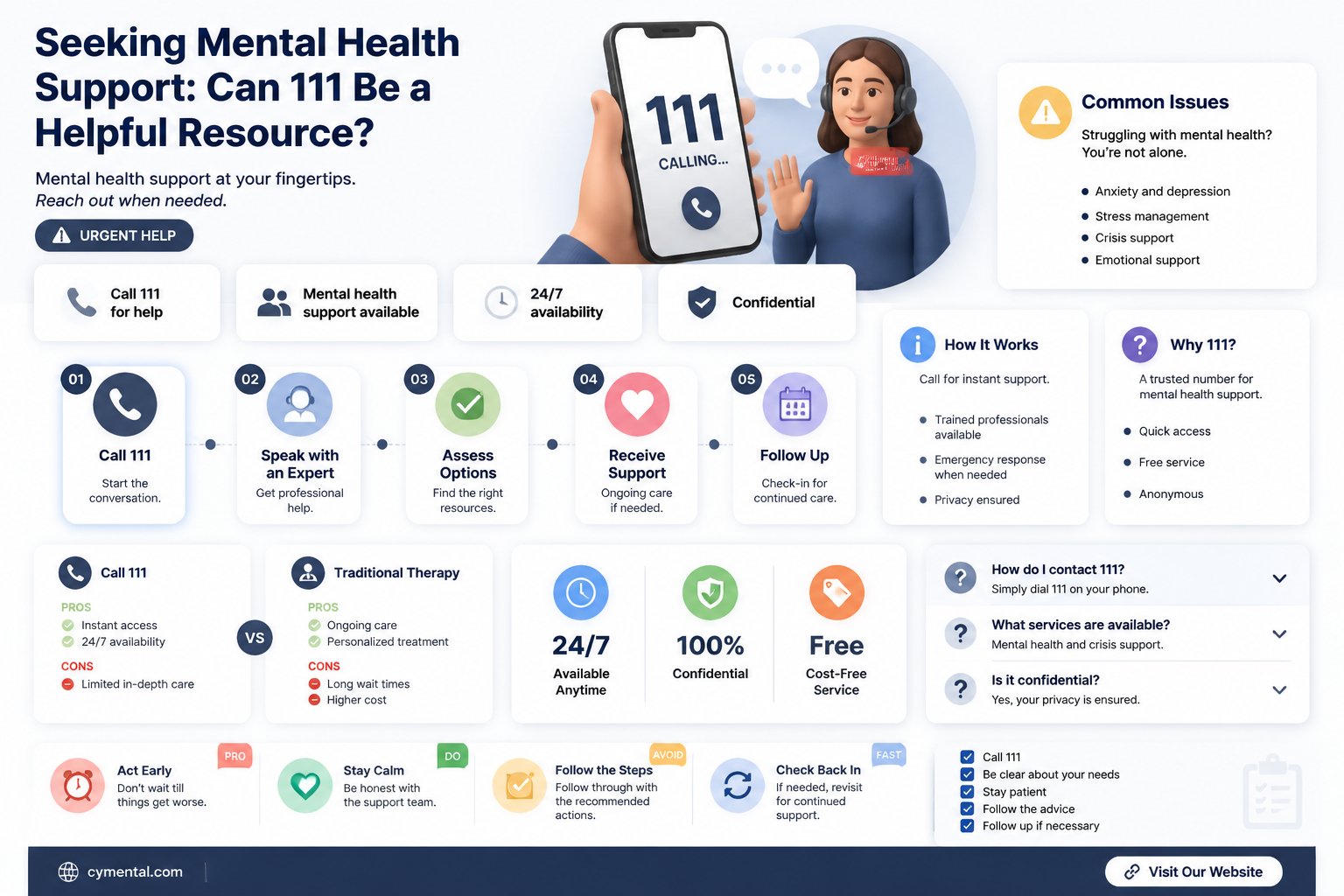
The question of whether 111, the non-emergency medical helpline in the UK, can assist with mental health concerns is a crucial one, as it addresses a growing need for accessible mental health support. While 111 is primarily designed for physical health issues, it can indeed play a role in mental health care by providing initial guidance, signposting to appropriate services, and offering reassurance during moments of crisis. Call handlers are trained to assess the severity of a situation and can direct individuals to mental health professionals, crisis teams, or local support services, ensuring that those in need receive timely and appropriate care. However, it’s important to note that 111 is not a substitute for specialized mental health services, and for ongoing or complex issues, seeking direct support from a mental health provider or GP is recommended.
| Characteristics | Values |
|---|---|
| Service Availability | 24/7, 365 days a year |
| Primary Purpose | Provides medical advice and triage for urgent but non-life-threatening conditions, including mental health concerns |
| Mental Health Support | Offers guidance for mild to moderate mental health issues, such as anxiety, stress, or low mood |
| Crisis Intervention | Not a crisis service; directs individuals in crisis to emergency services (e.g., 999 or local crisis teams) |
| Professional Staff | Staffed by trained healthcare professionals, including nurses and advisors |
| Confidentiality | Ensures confidentiality and privacy in all interactions |
| Referral Services | Can refer individuals to appropriate mental health services, such as NHS Talking Therapies or local support |
| Digital Access | Accessible via phone (111) and online (NHS 111 online) in some regions |
| Cost | Free to use for all residents in the UK |
| Limitations | Not a substitute for long-term mental health treatment or therapy |
| Follow-Up | May provide follow-up advice or direct to further resources as needed |
| Integration with NHS | Part of the NHS, ensuring alignment with national healthcare standards |
Explore related products


What You'll Learn
- Access to Crisis Hotlines: Connecting individuals with immediate support during mental health emergencies
- Therapy Resources: Providing information on affordable or free therapy options for mental health care
- Self-Help Tools: Offering guided exercises, apps, or techniques to manage stress and anxiety
- Community Support: Linking users to local or online mental health support groups and forums
- Educational Content: Sharing articles, videos, or tips to raise awareness and reduce stigma

Access to Crisis Hotlines: Connecting individuals with immediate support during mental health emergencies
In moments of acute mental distress, every second counts. Crisis hotlines like 111 serve as a vital bridge between despair and immediate support, offering a lifeline to individuals grappling with suicidal thoughts, severe anxiety, or overwhelming emotional pain. These services are staffed by trained professionals who provide real-time guidance, de-escalation techniques, and referrals to emergency resources. For instance, in the UK, dialing 111 connects callers to NHS advisors who can triage mental health emergencies and direct them to urgent care, such as Crisis Resolution Teams or A&E departments. This immediate access to trained support can be the difference between life and death.
Consider the mechanics of how these hotlines operate. When someone calls 111 for mental health concerns, the process is structured yet adaptable. The operator assesses the severity of the situation through a series of targeted questions, ensuring the caller feels heard while gathering critical information. For example, they might ask, "Are you feeling safe right now?" or "Do you have a plan to harm yourself?" Based on the responses, the caller may be connected to a mental health specialist, advised to seek in-person care, or guided through calming exercises. This tiered approach ensures resources are allocated efficiently while providing personalized support.
One of the most compelling aspects of crisis hotlines is their accessibility. Unlike therapy or psychiatric appointments, which often require scheduling and may involve wait times, hotlines like 111 are available 24/7, free of charge. This accessibility is particularly crucial for individuals without a support network or those who cannot afford private care. For young adults aged 16–25, who are at a heightened risk of mental health crises, knowing they can call 111 at any hour provides a sense of security. Practical tips for using these services include keeping the number saved in your phone, familiarizing yourself with the process, and encouraging loved ones to do the same.
However, it’s essential to recognize the limitations of crisis hotlines. While they excel at providing immediate support, they are not a substitute for long-term mental health care. For instance, someone experiencing chronic depression or PTSD may need ongoing therapy and medication, which hotlines cannot provide. Additionally, the effectiveness of a call depends on the caller’s willingness to engage and the operator’s ability to build rapport quickly. To maximize the benefit, callers should be as honest and open as possible, even if it feels uncomfortable. Remember, the goal is not to "fix" the problem in one call but to stabilize the individual and connect them to appropriate follow-up care.
In conclusion, crisis hotlines like 111 play a critical role in the mental health support ecosystem by offering immediate, accessible, and professional assistance during emergencies. They are not a panacea but a crucial first step in addressing acute distress. By understanding how these services work and their limitations, individuals can leverage them effectively, ensuring they or their loved ones receive the timely care needed to navigate moments of crisis.
Supporting Mental Health: Practical Ways to Help Someone in Need
You may want to see also
Explore related products


Therapy Resources: Providing information on affordable or free therapy options for mental health care
Access to mental health care is a critical yet often overlooked aspect of overall well-being. While services like 111 can provide immediate support and triage for mental health crises, they are not a long-term solution. For ongoing care, therapy is essential, but cost barriers frequently prevent individuals from seeking help. Affordable or free therapy options exist, though they are not always widely known. This guide outlines practical resources and strategies to bridge the gap between immediate crisis support and sustainable mental health care.
One of the most accessible resources for free or low-cost therapy is community mental health clinics. These clinics often operate on a sliding scale, adjusting fees based on income. For example, in the UK, charities like Mind and Rethink Mental Illness offer counseling services at reduced rates or free of charge. Similarly, in the U.S., federally funded health centers provide therapy services regardless of insurance status. To locate these clinics, visit the Substance Abuse and Mental Health Services Administration (SAMHSA) website and use their treatment locator tool. Be prepared to provide proof of income to qualify for reduced fees.
Another underutilized resource is university training clinics, where graduate students in psychology or counseling programs provide therapy under the supervision of licensed professionals. These services are typically offered at a fraction of the cost of private therapy. For instance, sessions at a university clinic might range from $10 to $40 per session, compared to $100 or more in private practice. While the therapists are trainees, they adhere to strict ethical guidelines and receive close supervision. To find such clinics, contact local universities with psychology or counseling programs and inquire about their community services.
For those who prefer digital solutions, online therapy platforms like BetterHelp and Talkspace offer subscription-based services that are often more affordable than traditional in-person therapy. Some platforms, such as 7 Cups, provide free peer support and low-cost professional counseling. Additionally, apps like Calm and Headspace, while not therapy replacements, can complement care by offering mindfulness and stress-reduction tools. When choosing an online platform, verify the credentials of the therapists and read reviews to ensure quality care.
Lastly, support groups and peer-led initiatives provide free or low-cost alternatives to individual therapy. Organizations like the National Alliance on Mental Illness (NAMI) offer peer-led support groups for individuals and families affected by mental illness. These groups foster a sense of community and provide coping strategies through shared experiences. While not a substitute for professional therapy, they can be a valuable supplement. To find local groups, visit NAMI’s website or contact your local mental health authority.
In conclusion, while 111 can offer immediate mental health support, it is not a substitute for ongoing therapy. By leveraging community clinics, university training programs, online platforms, and support groups, individuals can access affordable or free therapy options. Proactive research and utilization of these resources can make mental health care more accessible and sustainable for everyone.
Recognizing the Signs: When to Seek Help for Your Well-Being
You may want to see also
Explore related products


Self-Help Tools: Offering guided exercises, apps, or techniques to manage stress and anxiety
In the digital age, self-help tools have emerged as accessible, often free, resources for managing stress and anxiety. Guided exercises, such as mindfulness meditations and progressive muscle relaxation, are now available through apps like Calm and Headspace. These tools offer structured sessions, typically ranging from 5 to 30 minutes, tailored to different age groups and stress levels. For instance, Headspace’s "SOS" sessions provide immediate relief for acute anxiety, while Calm’s sleep stories cater to those whose stress disrupts rest. The key lies in consistency; integrating these exercises into daily routines, even for 10 minutes, can yield measurable reductions in cortisol levels, the body’s primary stress hormone.
While apps dominate the self-help landscape, techniques rooted in cognitive-behavioral therapy (CBT) are equally powerful. Apps like Moodfit and Sanvello incorporate CBT principles, offering journaling prompts, thought-challenging exercises, and mood tracking. For example, Sanvello’s "Check-In" feature encourages users to rate their mood daily, identify triggers, and apply coping strategies. Research indicates that such tools can reduce anxiety symptoms by up to 50% over 8 weeks, particularly in adults aged 18–45. However, these techniques require active engagement; passive scrolling through content won’t suffice. Users must commit to daily practice, treating these tools as mental health workouts rather than quick fixes.
A comparative analysis reveals that while apps provide convenience, traditional techniques like deep breathing and grounding exercises remain highly effective. The 4-7-8 breathing technique, for instance, involves inhaling for 4 seconds, holding for 7, and exhaling for 8, a method proven to lower heart rate and induce calm within minutes. Grounding exercises, such as the "5-4-3-2-1" technique (identifying 5 things you see, 4 you can touch, etc.), are particularly useful during panic attacks. These methods require no technology, making them accessible in any situation. Pairing them with app-based tools can create a comprehensive self-help toolkit, addressing both immediate and long-term stress management needs.
Despite their benefits, self-help tools are not one-size-fits-all. Teens and young adults may gravitate toward gamified apps like SuperBetter, which frames mental health challenges as quests to complete. Older adults, however, might prefer simpler interfaces like Insight Timer, which offers thousands of free meditations without overwhelming features. Caution is also warranted; over-reliance on digital tools can lead to "app fatigue," where users feel pressured to track every emotion. Combining these tools with offline practices, such as journaling or nature walks, ensures a balanced approach. Ultimately, self-help tools are most effective when viewed as complements to professional care, not replacements.
Finding Mental Health Support: A Guide to Accessible Resources and Services
You may want to see also
Explore related products


Community Support: Linking users to local or online mental health support groups and forums
In the UK, calling 111 can indeed connect individuals to mental health support, but one of its most underutilized strengths lies in linking users to community resources. Mental health crises often thrive in isolation, and breaking that cycle requires more than clinical intervention—it requires connection. When a caller dials 111, the service can act as a gateway to local or online support groups, forums, and peer networks tailored to specific needs, such as anxiety, depression, or bereavement. This approach leverages the power of shared experience, offering a sense of belonging and understanding that formal therapy alone cannot always provide.
Consider the practical steps involved. After assessing the caller’s needs, 111 operators can provide contact details for nearby support groups, often run by charities like Mind or Rethink Mental Illness. For those uncomfortable with in-person meetings, online forums like Elefriends or Reddit’s mental health communities offer anonymity and 24/7 access. These platforms foster real-time conversations, allowing users to share coping strategies, vent frustrations, or simply feel heard. For example, a young adult struggling with social anxiety might find solace in a Discord group focused on gradual exposure techniques, while a parent of a child with ADHD could benefit from a Facebook support group sharing school advocacy tips.
However, linking users to community support isn’t without challenges. Not all groups are created equal, and some may lack moderation or professional oversight. 111 operators must ensure recommendations are vetted, providing a list of trusted organizations rather than generic search results. Additionally, cultural sensitivity is crucial; for instance, BAME (Black, Asian, and Minority Ethnic) individuals may prefer groups like Black Minds Matter or South Asian Therapy, which address unique cultural barriers to mental health care. Tailoring suggestions to age, ethnicity, and specific diagnoses increases the likelihood of engagement.
The persuasive case for community support lies in its long-term impact. Studies show that peer support reduces hospital readmissions and improves medication adherence, particularly for chronic conditions like schizophrenia or bipolar disorder. For instance, a 2021 NHS report found that individuals engaged in community mental health groups reported a 30% increase in self-efficacy within six months. By connecting users to these networks, 111 doesn’t just address immediate crises—it equips individuals with tools for sustained recovery.
In conclusion, while 111 is often seen as a triage service, its role in fostering community connections is transformative. By linking users to local or online support groups, it bridges the gap between clinical care and everyday life, offering a lifeline that extends far beyond the initial call. For those navigating the isolating terrain of mental health struggles, these connections can be the difference between surviving and thriving.
Can You Force Someone to Get Mental Help? Ethical and Legal Considerations
You may want to see also
Explore related products




Educational Content: Sharing articles, videos, or tips to raise awareness and reduce stigma
Educational content plays a pivotal role in addressing mental health, and platforms like 111 can significantly amplify its impact. By sharing articles, videos, or practical tips, these services can demystify mental health issues, challenge misconceptions, and empower individuals to seek help. For instance, a well-crafted article explaining the signs of anxiety or depression in plain language can serve as a lifeline for someone unsure about their symptoms. Pairing this with actionable advice, such as breathing exercises or journaling prompts, transforms passive reading into an active step toward self-care.
Consider the power of video content in this context. Short, engaging videos can break down complex topics like cognitive behavioral therapy (CBT) or the science behind stress responses, making them accessible to a broader audience. For example, a 2-minute animation illustrating how CBT restructures negative thought patterns could resonate more deeply than a lengthy written explanation. Including age-specific content—like videos tailored for teenagers or seniors—ensures relevance and relatability, fostering a sense of inclusion.
However, sharing educational content isn’t without challenges. Overloading users with information or using clinical jargon can alienate rather than educate. A balanced approach is key: combine factual insights with relatable anecdotes or real-life examples. For instance, a tip on managing workplace stress could include a scenario of a professional using the 5-4-3-2-1 grounding technique during a high-pressure meeting. Such specificity makes the advice tangible and memorable.
To maximize impact, platforms like 111 should curate content with intentionality. Articles could be categorized by themes—such as "Understanding Anxiety" or "Supporting Loved Ones"—and paired with clear calls to action, like "Speak to a professional today." Additionally, incorporating user-generated content, such as testimonials or success stories, can humanize the conversation and reduce stigma by showing recovery is possible.
Ultimately, educational content shared through platforms like 111 has the potential to reshape societal attitudes toward mental health. By blending accessibility, relevance, and practicality, these resources can bridge the gap between awareness and action. Whether it’s a video, article, or tip, each piece of content is a step toward normalizing mental health conversations and encouraging timely intervention.
Supporting Mental Health: Effective Ways to Help a Loved One in Need
You may want to see also
Frequently asked questions
Yes, you can call 111 in the UK for mental health support. They can provide advice, direct you to appropriate services, or arrange for a mental health professional to call you back.
111 can assist with a range of mental health concerns, including anxiety, depression, stress, suicidal thoughts, and crisis situations. They will assess your needs and guide you to the right support.
If necessary, 111 can arrange for a mental health professional or emergency services to visit you, but this depends on the severity of your situation. They will assess your needs over the phone first.