Harper Lewis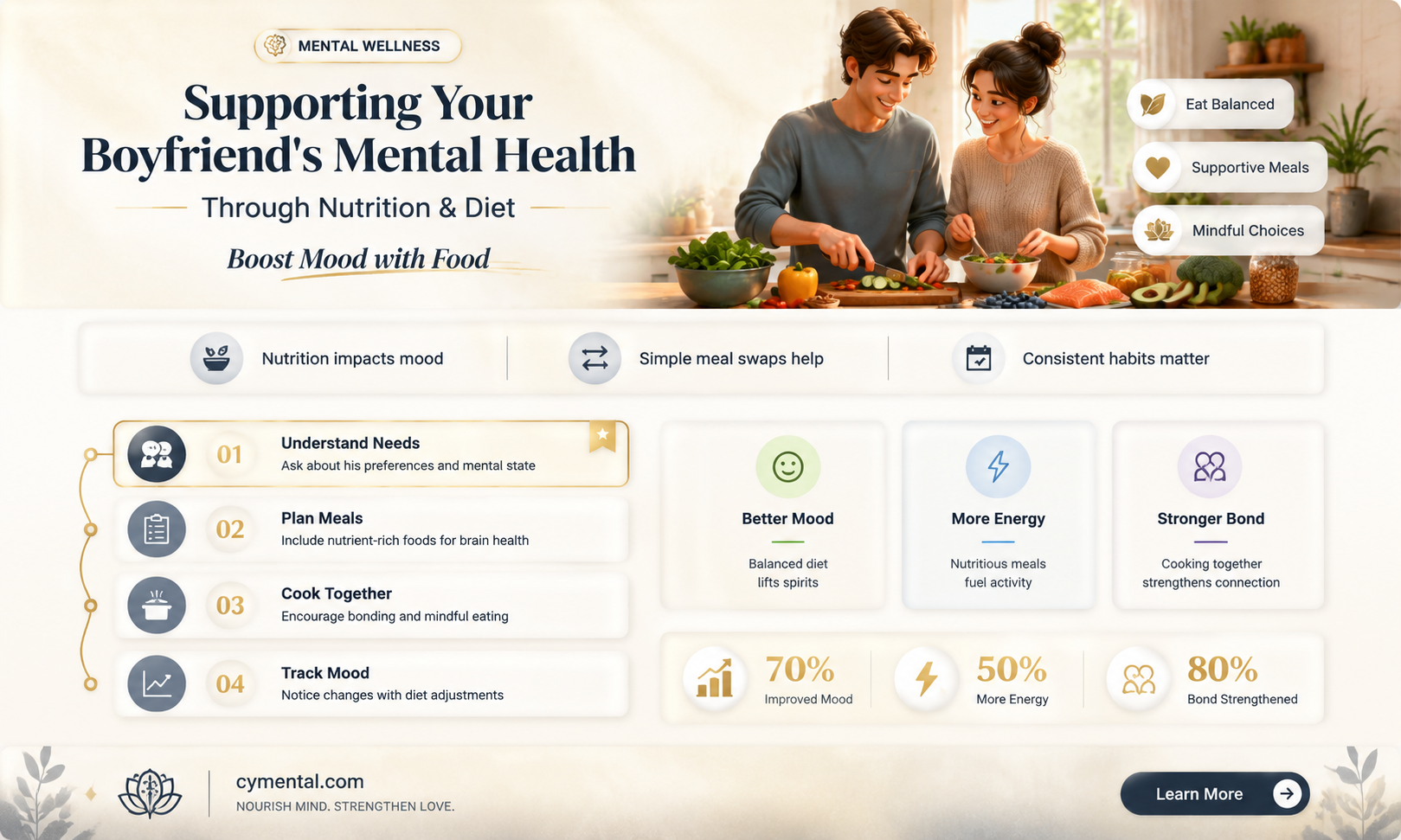
Supporting your boyfriend’s mental health through diet can be a meaningful and proactive approach, as there is growing evidence linking nutrition to mental well-being. A balanced diet rich in nutrients like omega-3 fatty acids, vitamins, and minerals can positively impact mood, reduce anxiety, and improve overall brain function. Incorporating foods such as fatty fish, leafy greens, nuts, seeds, and whole grains, while minimizing processed foods and sugar, may help stabilize his mental state. Additionally, staying hydrated and maintaining consistent meal times can further support emotional balance. While diet alone isn’t a cure for mental health issues, it can complement other treatments and show your boyfriend that you’re actively involved in his well-being, fostering a sense of care and partnership.
| Characteristics | Values |
|---|---|
| Nutrient-Rich Diet | A diet high in fruits, vegetables, whole grains, lean proteins, and healthy fats (e.g., omega-3 fatty acids) supports brain health and reduces inflammation, which is linked to depression and anxiety. |
| Omega-3 Fatty Acids | Found in fatty fish (salmon, mackerel), flaxseeds, and walnuts, omega-3s are crucial for brain function and mood regulation. |
| Vitamin D | Low levels of vitamin D are associated with depression. Include fortified foods, fatty fish, and sunlight exposure. |
| B Vitamins | B6, B9 (folate), and B12 are essential for neurotransmitter production. Sources include leafy greens, legumes, eggs, and dairy. |
| Magnesium | Magnesium deficiency can lead to anxiety and depression. Found in nuts, seeds, whole grains, and leafy greens. |
| Zinc | Low zinc levels are linked to depression. Include zinc-rich foods like oysters, beef, pumpkin seeds, and lentils. |
| Probiotics | Gut health impacts mental health. Probiotics in yogurt, kefir, sauerkraut, and kimchi can improve mood and reduce anxiety. |
| Limit Processed Foods | High sugar, refined carbs, and processed foods can worsen mood and energy levels. |
| Caffeine and Alcohol Moderation | Excessive caffeine and alcohol can increase anxiety and disrupt sleep, negatively impacting mental health. |
| Hydration | Dehydration can affect mood and cognitive function. Ensure adequate water intake. |
| Consistent Meal Timing | Regular meals stabilize blood sugar levels, preventing mood swings and irritability. |
| Individualized Approach | Dietary needs vary; consult a healthcare professional or dietitian for personalized advice. |
| Combined with Therapy | Dietary changes should complement, not replace, professional mental health treatment. |
Explore related products




What You'll Learn

Nutrient-rich foods for mood regulation
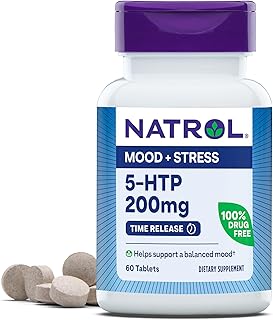
Diet plays a pivotal role in mental health, and certain nutrient-rich foods can directly influence mood regulation. Omega-3 fatty acids, found in fatty fish like salmon, mackerel, and sardines, are essential for brain function. Studies show that omega-3s can reduce symptoms of depression and anxiety by supporting neurotransmitter activity. Aim for at least two servings of fatty fish per week, or consider a high-quality fish oil supplement (1,000–2,000 mg daily) if dietary intake is insufficient. For vegetarians, flaxseeds, chia seeds, and walnuts are plant-based alternatives, though their conversion to active omega-3s in the body is less efficient.
Another critical nutrient for mood regulation is magnesium, often referred to as the "relaxation mineral." Magnesium deficiency has been linked to increased stress, anxiety, and depression. Foods like spinach, almonds, pumpkin seeds, and dark chocolate (70% or higher cocoa content) are excellent sources. Incorporating these into daily meals can help maintain optimal magnesium levels. For instance, a handful of almonds as a snack or a spinach salad with pumpkin seeds can provide a significant boost. If dietary intake falls short, a magnesium glycinate supplement (300–400 mg daily) can be beneficial, particularly for those under chronic stress.
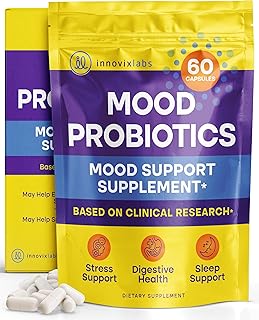
Probiotics and prebiotics are emerging as powerful allies in mood regulation, thanks to the gut-brain axis. Fermented foods like yogurt, kefir, sauerkraut, and kimchi contain live probiotics that support a healthy gut microbiome, which in turn influences serotonin production—a key neurotransmitter for mood. Pair these with prebiotic-rich foods like garlic, onions, bananas, and asparagus to nourish the beneficial bacteria. For a more targeted approach, consider a probiotic supplement with strains like *Lactobacillus* and *Bifidobacterium* (5–10 billion CFUs daily). Consistency is key, as it takes time for these microorganisms to establish a positive impact.
Finally, vitamin D and B vitamins are indispensable for emotional well-being. Vitamin D, often called the "sunshine vitamin," regulates mood and wards off seasonal affective disorder (SAD). Fatty fish, egg yolks, and fortified foods like milk and cereals are good dietary sources, but supplementation (1,000–2,000 IU daily) may be necessary, especially in regions with limited sunlight. B vitamins, particularly B6, B9 (folate), and B12, are crucial for neurotransmitter synthesis. Include foods like leafy greens, legumes, whole grains, and lean meats in his diet. If needed, a B-complex supplement can ensure adequate intake, particularly for those with restricted diets or malabsorption issues. Small, consistent dietary changes can yield significant improvements in mood and mental clarity over time.
Healing Hooves: How Horses Boost Mental Health and Well-being
You may want to see also
Explore related products


Omega-3s and brain health benefits
Omega-3 fatty acids are not just another health trend; they are essential nutrients with profound implications for brain function and mental health. Found predominantly in fatty fish like salmon, mackerel, and sardines, as well as in flaxseeds, walnuts, and supplements like fish oil, these fats play a critical role in maintaining the structure and function of brain cells. Research consistently links omega-3s to improved mood, reduced anxiety, and enhanced cognitive performance, making them a powerful tool in supporting your boyfriend’s mental well-being.
To harness these benefits, focus on incorporating omega-3-rich foods into his diet regularly. Aim for at least two servings of fatty fish per week, or consider a high-quality fish oil supplement if dietary intake is insufficient. For supplements, a daily dose of 1,000–2,000 mg of combined EPA and DHA (the active forms of omega-3s) is generally recommended, though consulting a healthcare provider for personalized advice is always wise. Pairing omega-3s with foods high in antioxidants, like berries or leafy greens, can further amplify their brain-boosting effects by reducing oxidative stress.
While omega-3s are not a cure-all, their impact on mental health is supported by robust science. Studies show that individuals with higher omega-3 intake tend to experience fewer symptoms of depression and anxiety. For example, a 2019 meta-analysis published in *Molecular Psychiatry* found that omega-3 supplements significantly reduced depressive symptoms in individuals with clinical depression. However, consistency is key—incorporating these fats into his daily routine, rather than sporadic use, will yield the most noticeable results over time.
Practical tips can make this dietary shift seamless. Swap out red meat for salmon in dinners, sprinkle chia seeds on breakfast yogurt, or keep a jar of walnuts handy for snacks. If your boyfriend isn’t a fan of fish, opt for algae-based omega-3 supplements, which are vegan-friendly and equally effective. Remember, small, sustainable changes are more likely to stick than drastic overhauls, ensuring long-term support for his mental health through nutrition.
ChatGPT and Mental Health: A Supportive Tool or Limited Aid?
You may want to see also
Explore related products





Impact of sugar on mental well-being
Sugar, often dubbed the "sweet poison," has a profound and often overlooked impact on mental well-being. While it’s commonly associated with physical health issues like obesity and diabetes, its role in mood disorders, anxiety, and cognitive function is equally significant. Research shows that high sugar intake triggers rapid spikes and crashes in blood glucose levels, leading to irritability, fatigue, and difficulty concentrating. For someone struggling with mental health, these fluctuations can exacerbate symptoms, making emotional regulation even more challenging.
Consider this: a study published in *Scientific Reports* found that men consuming more than 67 grams of sugar daily (roughly 16 teaspoons) had a 23% increased risk of developing depression over five years. For context, a single can of soda contains about 40 grams of sugar. Reducing sugar intake isn’t just about cutting out desserts; it’s about scrutinizing hidden sugars in processed foods, sauces, and beverages. Start by reading labels—aim for less than 25 grams of added sugar per day for optimal mental health benefits.
The mechanism behind sugar’s impact on mental health lies in its effect on the brain’s reward system. Consuming sugar releases dopamine, creating a temporary "high." Over time, this can lead to dependency, with cravings intensifying during stress or low mood. This cycle mirrors addictive behavior, making it harder to break free. Additionally, high sugar diets promote inflammation, which has been linked to depression and anxiety. Incorporating anti-inflammatory foods like fatty fish, berries, and leafy greens can counteract these effects while reducing sugar intake.
Practical steps to mitigate sugar’s impact include gradual reduction rather than abrupt elimination. Replace sugary snacks with whole foods like nuts, seeds, or fruit paired with protein. For example, swap a candy bar for an apple with almond butter. Hydration is key—sometimes thirst masquerades as sugar cravings. Keep a water bottle handy and add lemon or cucumber for flavor. Finally, prioritize consistent meals to stabilize blood sugar levels, ensuring each meal includes protein, healthy fats, and complex carbohydrates.
In conclusion, sugar’s influence on mental well-being is both immediate and long-term. By understanding its mechanisms and implementing targeted dietary changes, you can support your boyfriend’s mental health in a meaningful way. Small, consistent adjustments yield significant results, fostering a healthier mind and body.
Nature's Healing Power: Boosting Mental Health and Well-being Naturally
You may want to see also
Explore related products


Gut-brain connection and probiotics
The gut-brain connection is a fascinating and increasingly researched area, revealing how the health of our digestive system can significantly impact our mental well-being. This relationship is bidirectional, meaning the gut influences the brain, and vice versa. For instance, have you ever felt 'butterflies' in your stomach when nervous? This is a classic example of the brain-gut link in action. But it goes deeper; the gut microbiome, a complex community of microorganisms, plays a pivotal role in this connection, and probiotics are key players in maintaining its balance.
Understanding the Gut-Brain Axis:
The gut-brain axis refers to the communication network between the central nervous system (CNS) and the enteric nervous system (ENS) of the gastrointestinal tract. This connection is facilitated by various pathways, including neural, hormonal, and immunological routes. Research suggests that an imbalance in the gut microbiome can lead to inflammation and altered communication along this axis, potentially contributing to mental health issues. For example, studies have shown that individuals with depression often have different gut microbiota compositions compared to those without the disorder.
Probiotics: A Potential Mental Health Ally
Probiotics are live microorganisms that, when consumed in adequate amounts, provide health benefits. They are often referred to as 'good' bacteria and are naturally present in certain foods like yogurt, kefir, sauerkraut, and miso. These beneficial bacteria can also be taken as supplements. The idea is that by introducing specific strains of probiotics, you can positively influence the gut microbiome, thereby potentially improving mental health. A review of clinical trials suggests that probiotic supplementation may help reduce symptoms of depression, anxiety, and stress-related disorders.
Practical Tips for Probiotic Integration:
- Food Sources: Incorporate probiotic-rich foods into your boyfriend's diet. Fermented foods like kimchi, kombucha, and tempeh are excellent sources. For instance, a daily serving of yogurt with live cultures can be a simple yet effective start.
- Supplements: If dietary sources are insufficient, consider probiotic supplements. Look for strains like Lactobacillus and Bifidobacterium, which have shown promise in mental health studies. A typical dose ranges from 1 to 10 billion colony-forming units (CFUs) per day, but it's best to start with a lower dose and gradually increase.
- Consistency is Key: The effects of probiotics are not immediate. Encourage consistent consumption over several weeks to months for potential benefits.
- Personalization: Every individual's microbiome is unique. What works for one person may not work for another. Consider consulting a healthcare professional for personalized advice, especially if your boyfriend has specific health concerns.
A Holistic Approach:
While probiotics show promise, it's essential to view them as part of a broader strategy for supporting mental health. Dietary changes should be accompanied by other lifestyle modifications such as regular exercise, stress management techniques, and adequate sleep. Additionally, encouraging open conversations about mental health and seeking professional support when needed are crucial steps in fostering overall well-being. The gut-brain connection highlights the intricate link between our physical and mental health, offering a compelling reason to pay attention to our dietary choices.
Supporting Loved Ones: Practical Ways to Help with Anxiety and Depression
You may want to see also
Explore related products


Hydration and its mental health effects
Dehydration doesn't just affect physical performance; it can significantly impact mental health. Studies show that even mild dehydration (1-2% of body weight) can lead to mood disturbances, difficulty concentrating, and increased anxiety. For your boyfriend, ensuring adequate hydration could be a simple yet powerful way to support his mental well-being.
Consider this: the brain is roughly 75% water. When dehydrated, cognitive functions like memory, attention, and problem-solving suffer. A study published in the *Journal of Nutrition* found that women who were just 1% dehydrated reported headaches, fatigue, and difficulty concentrating. While this study focused on women, the implications for men are equally relevant. Encourage your boyfriend to carry a reusable water bottle and sip throughout the day, aiming for at least 8-10 cups (2-2.5 liters) of water daily, adjusted for activity level and climate.
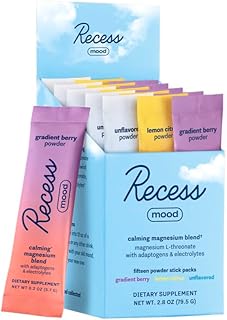
Hydration isn’t just about water intake; it’s also about electrolyte balance. Electrolytes like magnesium, potassium, and sodium are crucial for nerve function and mood regulation. Dehydration often leads to electrolyte imbalances, which can exacerbate symptoms of anxiety and depression. Incorporate electrolyte-rich foods like bananas, spinach, nuts, and seeds into his diet. For intense workouts or hot days, consider adding an electrolyte powder to his water, but avoid options high in sugar.
Practical tip: Start the day with a glass of water infused with lemon or cucumber to kickstart hydration. Remind him to drink water before, during, and after exercise, and to monitor urine color—a pale yellow hue indicates proper hydration. Small, consistent habits can make a big difference in both physical and mental health.
Finally, be mindful of dehydrating factors like caffeine and alcohol, which can counteract hydration efforts. If your boyfriend enjoys coffee or occasional drinks, encourage him to balance each caffeinated or alcoholic beverage with an extra glass of water. By prioritizing hydration, you’re not just quenching his thirst—you’re nurturing his mental clarity and emotional resilience.
Finding Support: Where to Go for Help in Difficult Times
You may want to see also
Frequently asked questions
Yes, diet plays a significant role in mental health. Nutrient-rich foods can support brain function, reduce inflammation, and stabilize mood, while poor dietary choices may worsen symptoms of anxiety, depression, or stress.
Focus on foods rich in omega-3 fatty acids (salmon, walnuts), antioxidants (berries, spinach), whole grains, lean proteins, and probiotics (yogurt, kefir). These support brain health and reduce inflammation.
Yes, limit processed foods, sugary snacks, refined carbs, and excessive caffeine or alcohol, as they can increase inflammation, disrupt sleep, and negatively impact mood and energy levels.
Plan balanced meals together, incorporate mood-boosting foods, and ensure regular, consistent eating times. Involving him in the process can also empower him to make healthier choices.
While diet is a powerful tool, it’s not a standalone solution. Encourage a holistic approach that includes therapy, regular exercise, adequate sleep, and open communication for comprehensive mental health support.