Madison Cole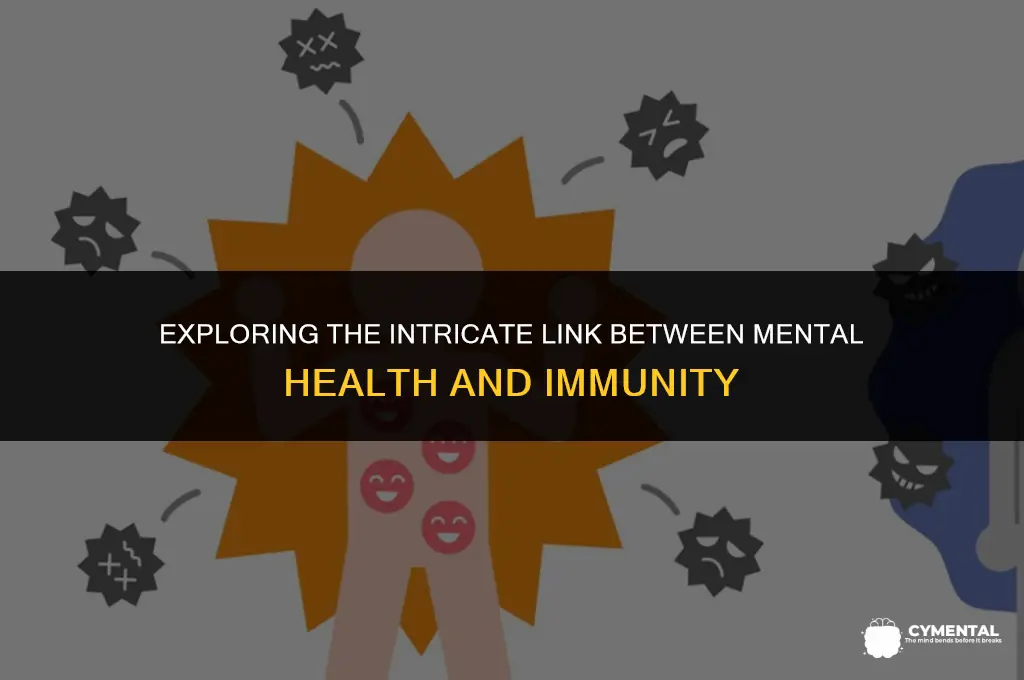
The intricate relationship between mental health and the immune system is a fascinating and complex topic that has garnered significant attention in recent years. Research has shown that our mental and emotional well-being can have a profound impact on our body's ability to fight off infections and diseases. Stress, anxiety, and depression have been linked to a weakened immune response, making individuals more susceptible to illnesses. On the other hand, a strong mental state can boost the immune system, helping us to recover faster and more effectively from ailments. This connection is thought to be due to the influence of psychological factors on the body's physiological processes, including the release of hormones and neurotransmitters that can modulate immune function. Understanding this relationship is crucial for developing holistic approaches to healthcare that address both the mind and the body.
| Characteristics | Values |
|---|---|
| Definition | Mental health refers to a person's emotional, psychological, and social well-being. It affects how we think, feel, and act. The immune system is the body's defense mechanism against infections and diseases. |
| Connection | Research suggests that mental health can indeed affect the immune system. Stress, anxiety, and depression can weaken the immune system, making the body more susceptible to illnesses. |
| Mechanism | The exact mechanism is not fully understood, but it's believed that mental health issues can lead to increased inflammation, reduced immune cell activity, and altered cytokine production. |
| Impact on Immune Cells | Studies have shown that mental health issues can reduce the number and function of immune cells such as natural killer cells, T cells, and B cells. |
| Impact on Inflammation | Chronic stress and mental health issues can lead to increased inflammation in the body, which can contribute to a range of health problems, including cardiovascular disease and autoimmune disorders. |
| Impact on Cytokine Production | Mental health issues can alter the production of cytokines, which are proteins that help regulate the immune response. This can lead to an imbalance in the immune system and increased susceptibility to infections. |
| Evidence from Studies | Numerous studies have found a link between mental health and immune system function. For example, a study published in the Proceedings of the National Academy of Sciences found that stress can impair the immune response to vaccines. |
| Clinical Implications | The connection between mental health and the immune system has important clinical implications. It suggests that mental health interventions could potentially improve immune function and overall health outcomes. |
| Potential Interventions | Interventions such as cognitive-behavioral therapy, mindfulness meditation, and exercise have been shown to improve mental health and may also have a positive impact on immune function. |
| Future Research Directions | Future research should focus on better understanding the mechanisms underlying the connection between mental health and the immune system, and developing targeted interventions to improve immune function in individuals with mental health issues. |
Explore related products


What You'll Learn
- Stress and Immunity: Chronic stress weakens the immune system, making the body more susceptible to illnesses
- Depression and Inflammation: Depression can lead to increased inflammation, which may impair immune function and overall health
- Anxiety and Immune Response: Anxiety disorders can disrupt the body's immune response, potentially increasing the risk of infections
- PTSD and Immunodeficiency: Post-traumatic stress disorder (PTSD) may contribute to immunodeficiency, making individuals more prone to diseases
- Mindfulness and Immune Boosting: Practicing mindfulness and meditation can help reduce stress and boost the immune system

Stress and Immunity: Chronic stress weakens the immune system, making the body more susceptible to illnesses
Chronic stress has a profound impact on the immune system, making the body more vulnerable to a range of illnesses. This is due to the fact that prolonged exposure to stress hormones, such as cortisol, can suppress the immune response. When the body is under chronic stress, it is in a constant state of fight-or-flight mode, which diverts resources away from the immune system and towards the brain and muscles. This can lead to a decrease in the production of immune cells, such as lymphocytes, and a reduction in the activity of natural killer cells, which are responsible for destroying infected cells and tumors.
One of the ways in which chronic stress can weaken the immune system is by disrupting the balance of the gut microbiome. The gut is home to a vast array of microorganisms, which play a crucial role in maintaining a healthy immune system. When the body is under stress, the gut microbiome can become imbalanced, leading to a decrease in the production of beneficial bacteria and an increase in the production of harmful bacteria. This can lead to a range of health problems, including digestive issues, allergies, and autoimmune disorders.
Chronic stress can also lead to a decrease in the production of antibodies, which are proteins that help to fight off infections. This can make the body more susceptible to illnesses, such as the common cold and flu. In addition, chronic stress can lead to an increase in inflammation, which can further weaken the immune system and contribute to a range of health problems, including heart disease, diabetes, and cancer.
There are a number of ways to reduce chronic stress and support the immune system. These include practicing relaxation techniques, such as meditation and deep breathing, engaging in regular physical activity, and maintaining a healthy diet. It is also important to get enough sleep, as sleep deprivation can further weaken the immune system. By taking steps to reduce chronic stress, individuals can help to support their immune system and reduce their risk of illness.
The Impact of Overweight on Mental Health: A Comprehensive Look
You may want to see also
Explore related products


Depression and Inflammation: Depression can lead to increased inflammation, which may impair immune function and overall health
Depression is a complex mental health disorder that affects millions of people worldwide. While it is primarily associated with emotional and psychological symptoms, recent research has revealed a surprising link between depression and physical health. Specifically, depression can lead to increased inflammation in the body, which may impair immune function and overall health.
Inflammation is a natural response of the immune system to injury or infection. However, chronic inflammation can be harmful and has been linked to various health problems, including heart disease, diabetes, and cancer. Studies have shown that people with depression tend to have higher levels of inflammatory markers in their blood, such as C-reactive protein (CRP) and interleukin-6 (IL-6). This suggests that depression may be associated with a state of chronic inflammation.
The exact mechanisms by which depression leads to increased inflammation are not fully understood. However, several factors may contribute to this relationship. For example, depression can lead to changes in behavior, such as poor diet, lack of exercise, and increased stress, which can all contribute to inflammation. Additionally, depression may affect the hypothalamic-pituitary-adrenal (HPA) axis, a system in the body that regulates stress and inflammation.
The implications of this relationship are significant. Not only does depression affect mental health, but it may also have a negative impact on physical health through its effects on inflammation. This suggests that treating depression may not only improve mental health outcomes but also have a positive impact on physical health.
There are several ways to reduce inflammation in the body, including lifestyle changes, medication, and therapy. For example, regular exercise, a healthy diet, and stress management techniques can all help to reduce inflammation. Additionally, certain medications, such as antidepressants and anti-inflammatory drugs, may be effective in reducing inflammation in people with depression.
In conclusion, the relationship between depression and inflammation is a complex and multifaceted one. While more research is needed to fully understand this relationship, it is clear that depression can have a negative impact on physical health through its effects on inflammation. By addressing depression and reducing inflammation, it may be possible to improve both mental and physical health outcomes.
Unleashing the Power of Movement: Exercise's Impact on Mental Health
You may want to see also
Explore related products



Anxiety and Immune Response: Anxiety disorders can disrupt the body's immune response, potentially increasing the risk of infections
Chronic anxiety has a profound impact on the body's immune system, potentially leading to a heightened risk of infections. This occurs because anxiety disorders can disrupt the normal functioning of the immune response, making it less effective at fighting off pathogens. Research has shown that individuals with anxiety disorders often have lower levels of certain immune cells, such as natural killer cells and T-cells, which are crucial for defending against infections.
One of the key mechanisms by which anxiety affects the immune system is through the release of stress hormones, such as cortisol. Elevated levels of cortisol can suppress the immune response, making it more difficult for the body to fight off infections. Additionally, chronic anxiety can lead to inflammation, which can further compromise the immune system.
Studies have also found that individuals with anxiety disorders may be more susceptible to certain types of infections, such as respiratory infections. This is likely due to the fact that anxiety can impair the function of the respiratory system, making it easier for pathogens to enter the body and cause infection.
Furthermore, anxiety can also impact the body's ability to recover from infections. Individuals with anxiety disorders may experience longer recovery times and may be more likely to develop complications from infections. This is because anxiety can interfere with the body's natural healing processes, making it more difficult to overcome illness.
In conclusion, anxiety disorders can have a significant impact on the immune system, potentially increasing the risk of infections and impairing the body's ability to recover from illness. It is important for individuals with anxiety disorders to be aware of these risks and to take steps to manage their anxiety and support their immune system.
Exploring the Surprising Link Between Viruses and Mental Health
You may want to see also
Explore related products


PTSD and Immunodeficiency: Post-traumatic stress disorder (PTSD) may contribute to immunodeficiency, making individuals more prone to diseases
Post-traumatic stress disorder (PTSD) is a mental health condition that can have far-reaching effects on an individual's overall well-being. One area of growing interest is the potential link between PTSD and immunodeficiency. Research suggests that individuals with PTSD may be more susceptible to diseases due to a compromised immune system. This connection is complex and multifaceted, involving both psychological and physiological factors.
One possible explanation for the link between PTSD and immunodeficiency is the chronic activation of the body's stress response system. When an individual experiences trauma, their body goes into a state of high alert, releasing stress hormones such as cortisol and adrenaline. In the short term, this response is beneficial, helping the body to cope with the immediate threat. However, in individuals with PTSD, this stress response can become chronic, leading to long-term exposure to high levels of stress hormones. This prolonged exposure can have a suppressive effect on the immune system, making it more difficult for the body to fight off infections and diseases.
Another factor that may contribute to the link between PTSD and immunodeficiency is the impact of trauma on the brain's regulation of immune function. The brain plays a crucial role in modulating the immune system, and trauma can disrupt this delicate balance. In individuals with PTSD, the brain's ability to regulate immune function may be impaired, leading to a weakened immune response. This can make individuals more prone to illnesses and infections, as their bodies are less able to defend against pathogens.
Furthermore, individuals with PTSD may also engage in behaviors that can negatively impact their immune system. For example, they may be more likely to smoke, abuse substances, or engage in other unhealthy behaviors as a way of coping with their symptoms. These behaviors can further compromise the immune system, making individuals more susceptible to diseases.
It is important to note that the link between PTSD and immunodeficiency is still an area of ongoing research, and more studies are needed to fully understand the complex relationship between these two conditions. However, the evidence that exists suggests that PTSD can have a significant impact on an individual's immune system, making them more prone to diseases and infections. This highlights the importance of addressing mental health conditions such as PTSD not only for the sake of mental well-being but also for overall physical health.
Navigating Choices: The Impact of Mental Health on Decision-Making
You may want to see also
Explore related products


$16.26


Mindfulness and Immune Boosting: Practicing mindfulness and meditation can help reduce stress and boost the immune system
Practicing mindfulness and meditation has been shown to have a profound impact on both mental and physical health. One of the key benefits of these practices is their ability to reduce stress levels, which in turn can lead to a stronger immune system. Chronic stress has been linked to a decrease in immune function, making the body more susceptible to illness and infection. By incorporating mindfulness and meditation into daily life, individuals can learn to manage stress more effectively, thereby supporting their immune health.
Mindfulness practices, such as deep breathing exercises and body scans, can help individuals become more aware of their thoughts and emotions, allowing them to respond to stressors in a more balanced and controlled manner. Meditation, on the other hand, involves focusing the mind on a specific object or thought, which can help to quiet the mental chatter that often accompanies stress. Both practices have been shown to reduce the production of stress hormones like cortisol, which can have a negative impact on immune function when present in high levels.
In addition to reducing stress, mindfulness and meditation can also have a direct impact on the immune system. Studies have shown that regular practice can increase the production of antibodies, which are proteins that help to fight off infection. Furthermore, mindfulness and meditation have been found to increase the activity of natural killer cells, which are a type of immune cell that helps to destroy infected cells and tumors.
To incorporate mindfulness and meditation into daily life, individuals can start by setting aside a few minutes each day to practice. This can involve simply sitting quietly and focusing on the breath, or using guided meditations available through apps and online resources. As with any new practice, it's important to be consistent and patient, as the benefits of mindfulness and meditation often become more pronounced with regular practice.
In conclusion, practicing mindfulness and meditation can be a powerful tool for reducing stress and boosting the immune system. By becoming more aware of our thoughts and emotions, and learning to respond to stressors in a more balanced way, we can support our overall health and well-being.
Exploring the Link: Kidney Stones and Mental Health Impact
You may want to see also
Frequently asked questions
Yes, mental health can significantly impact the immune system. Chronic stress, anxiety, and depression can lead to a weakened immune response, making the body more susceptible to infections and illnesses.
Stress triggers the release of cortisol, a hormone that can suppress the immune system's function. Prolonged exposure to high cortisol levels can reduce the body's ability to fight off infections and can also lead to inflammation, which can further compromise immune health.
Conditions such as depression, anxiety disorders, and post-traumatic stress disorder (PTSD) have been shown to have a negative impact on the immune system. These conditions can lead to chronic inflammation and a decreased ability to mount an effective immune response.
Yes, practices that promote positive mental health, such as mindfulness meditation, exercise, and social support, can help to boost the immune system. These practices can reduce stress, lower cortisol levels, and increase the production of immune-boosting hormones like oxytocin.
Managing stress through techniques like deep breathing, yoga, and journaling can help to improve mental health and, in turn, boost the immune system. Additionally, maintaining a healthy diet, getting regular exercise, and ensuring adequate sleep are all important for supporting both mental health and immune function.