Ava Ramirez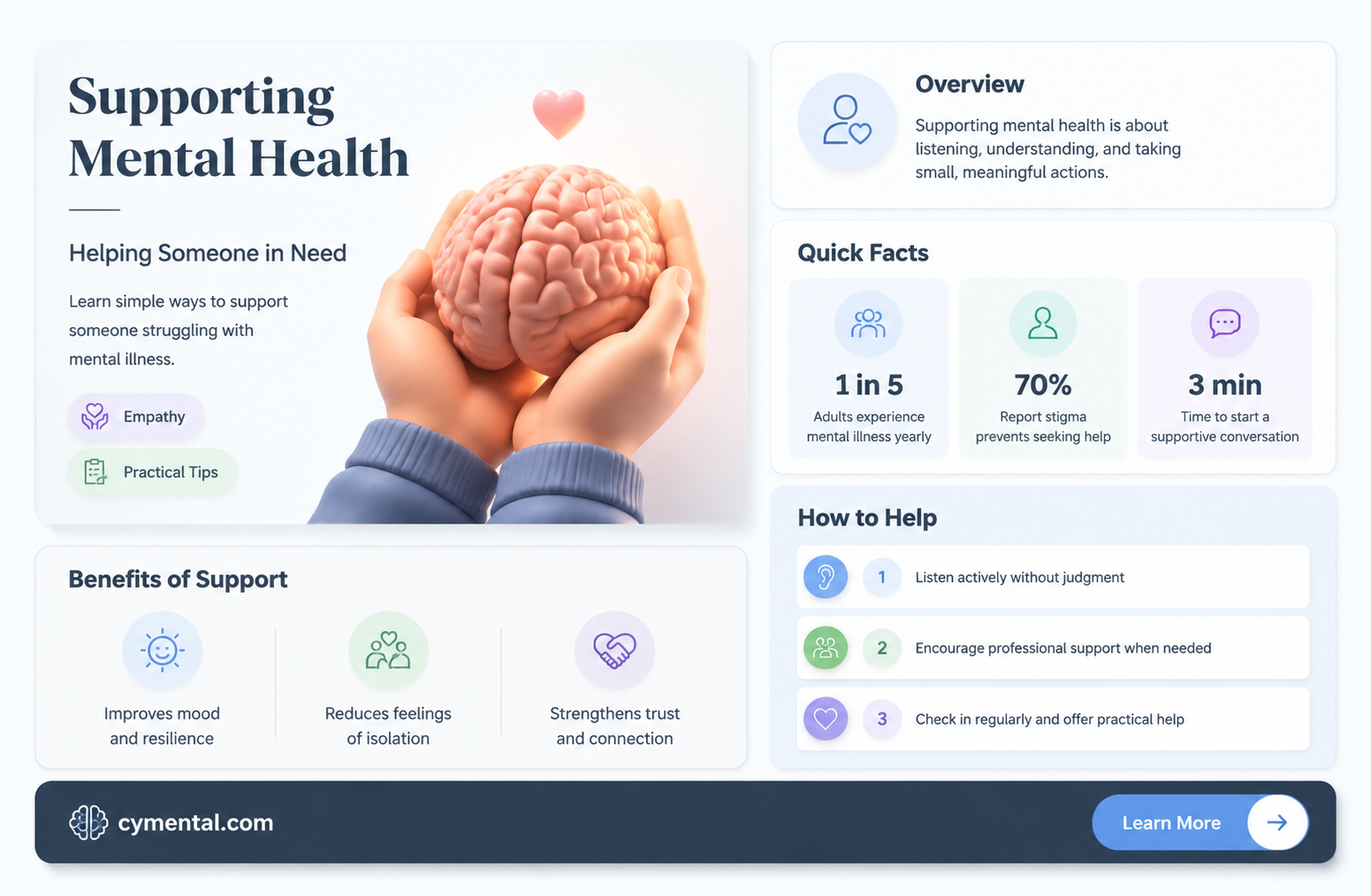
Helping someone with mental illness requires empathy, understanding, and patience. Mental health challenges can manifest in various ways, from anxiety and depression to more severe conditions like schizophrenia or bipolar disorder, and each individual’s experience is unique. Offering support begins with active listening, creating a safe space for the person to express their feelings without judgment. Encouraging professional help, such as therapy or medication, is crucial, as mental illness often requires specialized treatment. Small acts of kindness, like checking in regularly or assisting with daily tasks, can make a significant difference. It’s also important to educate oneself about the specific condition to better understand what the person is going through. While it can be challenging, providing consistent, compassionate support can help someone with mental illness feel less alone and more empowered to manage their condition.
Explore related products


What You'll Learn
- Recognizing Symptoms: Learn signs like mood swings, withdrawal, or changes in behavior to identify mental health issues
- Active Listening: Offer non-judgmental support by listening attentively and validating their feelings without interrupting
- Encouraging Treatment: Gently suggest professional help, therapy, or medication while respecting their autonomy and choices
- Creating Safe Spaces: Foster trust by being reliable, empathetic, and maintaining confidentiality in conversations
- Self-Care for Supporters: Prioritize your mental health to avoid burnout while helping someone with mental illness

Recognizing Symptoms: Learn signs like mood swings, withdrawal, or changes in behavior to identify mental health issues
Mental health issues often manifest through subtle yet significant changes in behavior, mood, and social interactions. Recognizing these signs early can be the first step in offering meaningful support. For instance, a person experiencing depression might exhibit persistent sadness, while someone with anxiety may show signs of excessive worry or restlessness. Understanding these indicators requires a keen eye and a compassionate approach, as they can vary widely depending on the individual and the specific condition.
One of the most noticeable symptoms is mood swings, which can range from extreme highs to debilitating lows. While everyone experiences mood fluctuations, those linked to mental illness are often disproportionate to the situation and persist over time. For example, a sudden shift from euphoria to deep despair within hours or days could signal bipolar disorder. Observing these patterns over time, rather than focusing on isolated incidents, is crucial for accurate identification.
Withdrawal from social activities or relationships is another red flag. People struggling with mental health issues may isolate themselves due to feelings of shame, fatigue, or overwhelming anxiety. A once outgoing friend who now avoids gatherings or a colleague who stops participating in team meetings could be silently battling internal struggles. Encouraging gentle re-engagement without pressure can help, but it’s equally important to respect their boundaries while urging professional support.
Changes in behavior, such as neglecting personal hygiene, drastic alterations in sleep patterns, or unexplained irritability, should not be overlooked. For instance, insomnia or oversleeping can be linked to depression, while sudden aggression might indicate unresolved trauma or stress. Practical steps like offering to accompany them to a doctor’s appointment or sharing resources for mental health services can make a difference. Remember, the goal is not to diagnose but to provide a supportive environment that encourages seeking professional help.
Finally, recognizing these symptoms requires empathy and patience. Avoid jumping to conclusions or dismissing concerns as "just a phase." Instead, approach the person with genuine concern, using open-ended questions like, "I’ve noticed some changes—how are you feeling?" or "Is there something you’d like to talk about?" By staying informed and proactive, you can play a vital role in helping someone navigate their mental health journey.
Boost Focus and Calm: Strategies for Achieving Mental Clarity
You may want to see also
Explore related products





Active Listening: Offer non-judgmental support by listening attentively and validating their feelings without interrupting
One of the most powerful tools in supporting someone with mental illness is the art of active listening. It’s not about offering solutions or fixing problems—it’s about creating a safe space where the person feels heard and understood. Active listening involves giving your full attention, nodding in acknowledgment, and using verbal cues like "I see" or "Tell me more" to encourage them to express themselves. Avoid interrupting or interjecting with your own experiences; this shifts the focus away from their feelings and can make them feel dismissed. Instead, reflect back what they’ve said to show you’re engaged, such as, "It sounds like you’re feeling overwhelmed right now." This simple act validates their emotions and fosters trust.
Consider the difference between passive hearing and active listening. Passive hearing is when you’re physically present but mentally absent, perhaps planning your response while the other person speaks. Active listening, on the other hand, requires intentionality—putting aside distractions like phones or internal thoughts to focus entirely on the speaker. For instance, if someone shares their anxiety about a social event, a passive response might be, "Just don’t go if it’s too much." An active listener would say, "It makes sense that you’re anxious about this. How can I support you in feeling more comfortable?" This approach acknowledges their struggle without judgment, making them feel seen and valued.
Validation is a cornerstone of active listening, but it’s often misunderstood. It doesn’t mean you agree with every sentiment expressed; rather, it means recognizing the legitimacy of their feelings. For example, if someone says, "I feel like a failure," a validating response could be, "It’s completely understandable to feel that way given what you’re going through." Avoid phrases like "You shouldn’t feel that way" or "It’s not that bad," as these minimize their experience. Research shows that validation reduces emotional distress and strengthens relationships, making it a critical skill when supporting someone with mental illness.
Practical tips can make active listening more effective. Maintain eye contact (when culturally appropriate) and use open body language—face the person, uncross your arms, and lean in slightly. Paraphrase their words to ensure clarity, such as, "So, what I’m hearing is that you’re frustrated because your efforts aren’t being recognized." Be mindful of tone; a calm, empathetic voice can soothe anxiety. Finally, ask open-ended questions to encourage deeper conversation, like, "What’s been the hardest part of this for you?" These techniques not only demonstrate your commitment to understanding but also empower the person to articulate their thoughts and feelings more clearly.
Active listening is a skill that requires practice, especially when emotions run high. It’s natural to want to offer advice or share similar experiences, but resist the urge. The goal is to provide a non-judgmental space where the person feels safe to explore their emotions. Over time, this approach builds resilience and strengthens your connection. Remember, you’re not there to solve their problems—you’re there to remind them they’re not alone. In a world where mental health struggles are often met with silence or stigma, your willingness to listen attentively and validate their feelings can be a lifeline.
Music's Impact: Enhancing Mental Agility and Emotional Well-being
You may want to see also
Explore related products


Encouraging Treatment: Gently suggest professional help, therapy, or medication while respecting their autonomy and choices
Recognizing when someone might benefit from professional mental health support is a delicate balance between observation and empathy. Signs such as persistent sadness, withdrawal from social activities, or changes in behavior often signal the need for intervention. However, suggesting treatment requires sensitivity to avoid alienating the individual. Start by expressing concern in a non-judgmental way, using "I" statements to share your observations without sounding accusatory. For example, "I’ve noticed you seem more withdrawn lately, and I’m worried about you." This approach opens the door for dialogue while respecting their autonomy.
Encouraging professional help involves framing it as a collaborative step toward well-being, not a critique of their current coping mechanisms. Highlight the benefits of therapy or medication in a factual, non-pressured manner. For instance, explain how cognitive-behavioral therapy (CBT) can provide tools to manage anxiety or how antidepressants, when prescribed by a psychiatrist, can help restore chemical imbalances. Avoid overwhelming them with details; instead, offer to help research therapists or accompany them to an initial appointment. Practical support, like offering to verify insurance coverage for mental health services, can make the idea of seeking help feel less daunting.
Respecting autonomy means acknowledging that the decision to pursue treatment ultimately lies with the individual. Avoid phrases like "You need to get help" or "This will fix you," which can feel dismissive of their struggles. Instead, emphasize that seeking help is a sign of strength and self-care. Share stories or statistics that normalize mental health treatment, such as the fact that 1 in 5 adults in the U.S. experiences mental illness annually, and many find relief through professional support. This contextualizes their experience and reduces stigma.
Finally, be prepared for resistance or hesitation, as fear of the unknown or past negative experiences can deter someone from seeking help. Offer patience and reassurance, letting them know you’re there regardless of their decision. Suggest starting small, such as a single consultation with a therapist or a conversation with a primary care physician about medication options. For example, selective serotonin reuptake inhibitors (SSRIs) are commonly prescribed for depression and anxiety, but dosages and types vary based on individual needs, which a professional can assess. By framing treatment as a gradual, personalized process, you empower them to take the first step on their terms.
Finding Support: Where to Get Help for Schizophrenia Treatment
You may want to see also
Explore related products




Creating Safe Spaces: Foster trust by being reliable, empathetic, and maintaining confidentiality in conversations
Trust is the cornerstone of any meaningful relationship, especially when supporting someone with mental illness. Without it, even the most well-intentioned efforts can fall flat. To foster trust, reliability is key. Show up consistently, whether it’s through regular check-ins, keeping promises, or simply being present when you say you will. For example, if you commit to a weekly phone call, make it a non-negotiable part of your schedule. This predictability creates a sense of security, signaling to the person that they can count on you. Inconsistency, on the other hand, can reinforce feelings of instability, which are often already heightened in individuals struggling with mental health.
Empathy transforms a safe space from a theoretical concept into a lived experience. It requires actively listening without judgment and validating the person’s feelings, even if you don’t fully understand them. For instance, instead of saying, “It’s not that bad,” try, “I can see how hard this is for you, and I’m here to help.” Empathy also means being mindful of your tone and body language—softening your voice, maintaining eye contact, or offering a gentle touch if appropriate. These small gestures communicate that you’re fully engaged and care about their experience. However, empathy isn’t about fixing or rescuing; it’s about acknowledging their reality and sitting with them in it.
Confidentiality is the invisible boundary that protects the safe space you’re building. Breaching it, even unintentionally, can erode trust instantly. Establish clear boundaries from the start by explicitly stating that what’s shared between you stays between you, unless there’s a risk of harm. For example, if someone confides in you about suicidal thoughts, you must balance confidentiality with the ethical responsibility to seek help. Outside of such critical situations, resist the urge to share personal details with others, even if it’s in the guise of seeking advice. This reinforces the person’s autonomy and control over their narrative, which is often compromised in mental health struggles.
Creating a safe space is a dynamic process that requires self-awareness and adaptability. Be mindful of your own biases, triggers, and limitations, as they can inadvertently affect the conversation. For instance, if you’ve experienced similar struggles, avoid projecting your journey onto theirs. Instead, use your experience to inform your approach while respecting their unique path. Additionally, recognize when professional help is needed and encourage it without shame or pressure. Safe spaces aren’t about replacing therapy or medication; they’re about providing a human connection that complements formal treatment. By being reliable, empathetic, and confidential, you become a stabilizing force in their life, offering a refuge where they can be vulnerable without fear.
Post-Pandemic Mental Health: Are Younger Generations Seeking More Support?
You may want to see also
Explore related products


Self-Care for Supporters: Prioritize your mental health to avoid burnout while helping someone with mental illness
Supporting someone with mental illness is an act of compassion, but it can also be emotionally taxing. Without intentional self-care, caregivers risk burnout, a state of emotional, physical, and mental exhaustion that diminishes their ability to help effectively. Recognizing the signs of burnout—irritability, chronic fatigue, detachment, or a sense of helplessness—is the first step in preventing it. Just as airlines instruct passengers to secure their oxygen masks before assisting others, supporters must prioritize their own mental health to sustain their ability to care.
One practical strategy for self-care is setting clear boundaries. Define specific times and limits for support, ensuring they align with your capacity. For instance, allocate dedicated hours for listening or assistance, and communicate these boundaries openly. This prevents over-commitment and fosters a healthier balance. Additionally, practice emotional compartmentalization by creating mental or physical spaces where you can step away from caregiving responsibilities. This might involve engaging in hobbies, exercising, or simply taking short breaks to recharge.
Another critical aspect of self-care is seeking external support. Caregivers are not immune to the emotional toll of supporting someone with mental illness, and professional help can provide valuable tools and perspective. Consider joining support groups for caregivers, where shared experiences can reduce feelings of isolation. Alternatively, individual therapy can offer a safe space to process emotions and develop coping strategies. For example, cognitive-behavioral therapy (CBT) has been shown to help caregivers reframe negative thoughts and manage stress effectively.
Physical self-care is equally important, as the mind and body are interconnected. Ensure you’re getting adequate sleep, as chronic sleep deprivation exacerbates stress and reduces resilience. Aim for 7–9 hours of sleep per night, and establish a consistent sleep routine. Nutrition also plays a role; prioritize a balanced diet rich in fruits, vegetables, and whole grains, which can stabilize mood and energy levels. Regular physical activity, even as simple as a 20-minute walk daily, releases endorphins and reduces stress hormones like cortisol.
Finally, cultivate a mindset of self-compassion. Caregivers often hold themselves to impossibly high standards, leading to guilt or frustration when they fall short. Remind yourself that you are doing your best, and that imperfection is human. Celebrate small victories, both in your caregiving role and in your personal life. By acknowledging your efforts and allowing yourself grace, you can sustain the resilience needed to support someone with mental illness without sacrificing your own well-being.
Metabolic Screening: A New Tool for Mental Health Diagnosis?
You may want to see also
Frequently asked questions
Yes, you can provide support by listening without judgment, encouraging professional help, and offering practical assistance like helping with daily tasks. However, it’s important to recognize your limits and avoid trying to diagnose or treat the condition yourself.
Look for signs like significant changes in behavior, mood, or functioning, such as withdrawal from social activities, persistent sadness, or difficulty concentrating. If you’re concerned, gently express your observations and encourage them to seek professional help.
Avoid dismissive statements like “Just snap out of it” or “It’s all in your head,” as these can invalidate their experiences. Also, refrain from comparing their struggles to others or offering unsolicited advice. Instead, focus on empathy and active listening.