Caleb Wright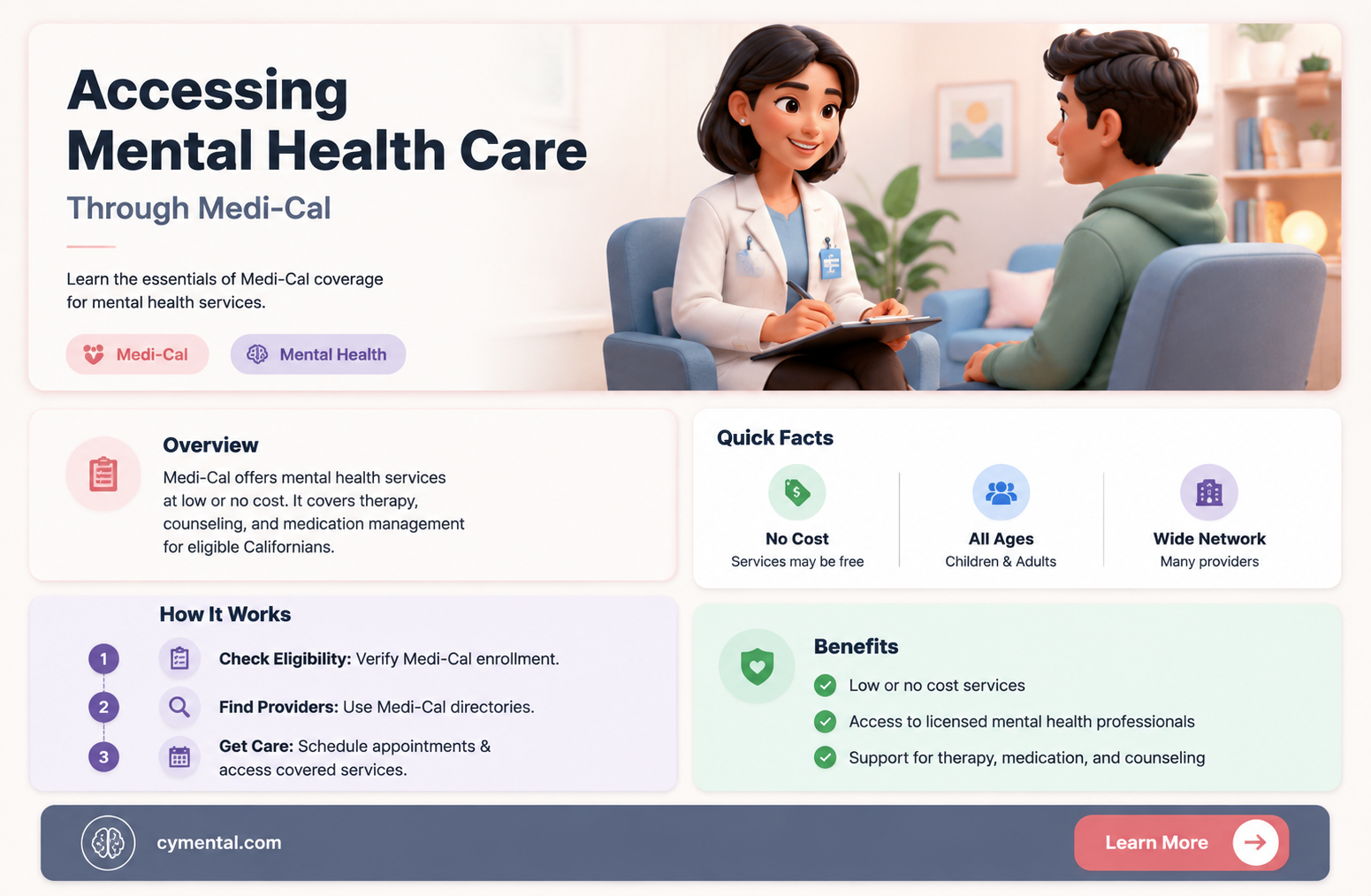
Medi-Cal, California's Medicaid program, offers comprehensive mental health services to eligible individuals, ensuring access to essential care for those in need. This program covers a wide range of mental health treatments, including therapy, counseling, and medication management, provided by licensed professionals. By addressing barriers to care, such as cost and availability, Medi-Cal plays a crucial role in supporting the well-being of millions of Californians. Whether dealing with anxiety, depression, or more severe conditions, individuals can seek assistance through Medi-Cal, promoting a healthier and more resilient community. Understanding the scope of these services is vital for anyone looking to utilize this resource effectively.
| Characteristics | Values |
|---|---|
| Eligibility | Available to Medi-Cal beneficiaries, including children, adults, and seniors. |
| Covered Services | Outpatient therapy, counseling, psychiatric consultations, crisis intervention, medication management, and inpatient care. |
| Provider Network | Access to a network of mental health providers, including therapists, psychologists, and psychiatrists. |
| Cost | Typically no out-of-pocket costs for covered services; copays may apply in some cases. |
| Specialized Programs | Includes programs for substance use disorders, serious mental illness, and children’s mental health. |
| Telehealth Services | Mental health services available via telehealth, including virtual therapy sessions. |
| Crisis Services | 24/7 crisis hotlines, mobile crisis teams, and short-term crisis residential programs. |
| Cultural Competency | Services tailored to diverse cultural and linguistic needs of beneficiaries. |
| Coordination of Care | Integrated care models to coordinate mental health with primary and physical healthcare. |
| Preventive Services | Screening and early intervention for mental health conditions, including depression and anxiety. |
| Limitations | Some services may require prior authorization; availability may vary by county. |
| Application Process | Apply for Medi-Cal through the state’s healthcare marketplace or county offices. |
| Federal Compliance | Complies with federal Medicaid requirements for mental health parity. |
Explore related products


What You'll Learn

Eligibility for Mental Health Services
Medi-Cal, California's Medicaid program, provides comprehensive mental health services to eligible individuals, but understanding who qualifies is crucial for accessing these benefits. Eligibility is primarily determined by income level, with specific thresholds varying by household size and category, such as pregnant women, children, or disabled adults. For example, as of 2023, a single adult may qualify with an annual income up to 138% of the Federal Poverty Level (FPL), approximately $18,754. Families of four can earn up to $38,295 annually to meet the criteria. These income limits are adjusted periodically, so checking the latest guidelines on the California Department of Health Care Services (DHCS) website is essential.
Beyond income, certain populations automatically qualify for Medi-Cal mental health services, regardless of earnings. Foster youth, individuals receiving Supplemental Security Income (SSI), and those enrolled in specific programs like the Aged, Blind, or Disabled Federal Poverty Level (ABDFPL) are examples. Additionally, children under 21 are covered through the Early and Periodic Screening, Diagnostic, and Treatment (EPSDT) program, which includes mental health screenings and necessary treatments. Understanding these categorical eligibility groups can streamline the application process and ensure timely access to care.
For those who meet income or categorical criteria, Medi-Cal covers a wide range of mental health services, including therapy, psychiatric consultations, and medication management. However, eligibility alone does not guarantee immediate access; beneficiaries must enroll in a managed care plan or county-organized health system, depending on their location. Some counties offer fee-for-service options, while others require enrollment in a health plan like Kaiser Permanente or Molina Healthcare. Knowing your county’s specific system is vital for navigating available resources effectively.
A common misconception is that Medi-Cal only covers severe mental health conditions. In reality, the program provides preventive and early intervention services, such as counseling for mild depression or anxiety. For instance, beneficiaries can access up to 24 outpatient therapy sessions annually, with additional visits approvable through a treatment authorization request. This flexibility ensures that individuals receive care tailored to their needs, regardless of the severity of their condition.
To apply for Medi-Cal mental health services, start by submitting an application through Covered California or your county’s social services office. Required documents typically include proof of income, residency, and identity. Once approved, contact your assigned health plan or county mental health office to schedule an initial assessment. Practical tips include keeping a record of all communications and being persistent in follow-ups, as processing times can vary. By understanding eligibility criteria and taking proactive steps, individuals can maximize their access to Medi-Cal’s robust mental health support system.
Gardening for Mental Health: Cultivating Peace and Well-Being Naturally
You may want to see also
Explore related products




Covered Mental Health Treatments
Medi-Cal, California's Medicaid program, provides comprehensive coverage for mental health treatments, ensuring that beneficiaries have access to essential services. Under the Early and Periodic Screening, Diagnostic, and Treatment (EPSDT) program, children and adolescents are entitled to a full range of mental health services, including screening, diagnosis, and treatment, regardless of whether the service is included in the Medi-Cal benefits package. This means that if a provider determines a service is medically necessary, it must be covered, even if it’s not explicitly listed in the state plan. For adults, Medi-Cal covers a broad spectrum of mental health treatments, from outpatient therapy to inpatient care, ensuring continuity of care across age groups.
Outpatient mental health services are a cornerstone of Medi-Cal’s coverage, offering beneficiaries access to individual and group therapy, psychiatric consultations, and medication management. For example, cognitive-behavioral therapy (CBT) sessions, typically lasting 45–60 minutes, are covered for conditions like depression, anxiety, and PTSD. Medication management includes prescriptions for antidepressants, mood stabilizers, and antipsychotics, with dosages tailored to individual needs. Beneficiaries should coordinate with their primary care provider or a mental health specialist to initiate these services, ensuring a seamless referral process.
Inpatient and residential treatment programs are also covered for individuals requiring intensive care. For instance, a 30-day residential program for severe depression or substance use disorder is eligible for coverage if deemed medically necessary by a qualified provider. Crisis intervention services, such as mobile crisis teams or short-term stabilization units, are available 24/7 to address acute mental health episodes. These services are particularly vital for individuals experiencing suicidal ideation or psychotic episodes, providing immediate support to prevent escalation.
Peer support and recovery services are another critical component of Medi-Cal’s mental health coverage. Certified peer specialists, individuals with lived experience of mental health challenges, offer guidance and support to beneficiaries navigating their recovery journey. These services, often provided in community settings, foster a sense of belonging and empowerment. For example, a peer-led wellness group might meet weekly to discuss coping strategies, with sessions lasting 90 minutes and open to adults aged 18 and older.
Practical tips for maximizing Medi-Cal’s mental health benefits include regularly updating your provider list, as coverage networks can change, and keeping detailed records of all treatments and prescriptions. Beneficiaries should also familiarize themselves with the appeal process, as denials of coverage can sometimes be overturned with additional documentation. By understanding the breadth of covered treatments and proactively engaging with available resources, individuals can access the care they need to support their mental health effectively.
Gym and Mind: How Physical Fitness Boosts Mental Well-Being
You may want to see also
Explore related products





Finding Medi-Cal Providers
Medi-Cal, California's Medicaid program, covers a wide range of mental health services, but finding the right provider can feel like navigating a maze. The key is understanding the types of providers available and how to locate them within the Medi-Cal network. Psychiatrists, psychologists, licensed clinical social workers, and marriage and family therapists are among the professionals who can offer mental health care under Medi-Cal. Each brings unique expertise, from medication management to talk therapy, so identifying your specific needs is the first step.
To begin your search, utilize the Medi-Cal provider directory, accessible online or by calling the Medi-Cal hotline. This directory allows you to filter by specialty, location, and language, ensuring you find a provider who meets your criteria. For instance, if you’re seeking therapy for a child, look for providers specializing in pediatric mental health. Similarly, if you need medication management, a psychiatrist within the network would be the appropriate choice. Remember, not all providers accept new patients, so calling ahead to confirm availability is crucial.
Another practical tip is to leverage community health centers and clinics, which often accept Medi-Cal and offer integrated mental health services. These facilities frequently have shorter wait times and provide a one-stop solution for both physical and mental health needs. For example, clinics like the Los Angeles County Department of Public Health or the San Francisco Department of Public Health have dedicated mental health teams. Additionally, some providers offer telehealth services, expanding access for those in rural or underserved areas.
While the Medi-Cal network is extensive, challenges like provider shortages or limited availability can arise. In such cases, consider reaching out to your county’s mental health plan for assistance. These plans are required to help Medi-Cal beneficiaries find appropriate care, even if it means coordinating with out-of-network providers under certain circumstances. Advocacy groups and nonprofit organizations, such as the National Alliance on Mental Illness (NAMI) California, also offer resources and support to navigate these hurdles.
Finally, don’t underestimate the power of personal recommendations. Ask your primary care physician, friends, or family members for referrals to trusted mental health providers within the Medi-Cal network. Online reviews and patient testimonials can provide additional insights, though they should be taken with a grain of salt. By combining these strategies, you can streamline the process of finding a Medi-Cal provider who aligns with your mental health needs and preferences.
Massage Therapy: A Powerful Tool for Mental Health and Wellness
You may want to see also
Explore related products





Crisis and Emergency Care
In a mental health crisis, every second counts. Medi-Cal provides immediate access to emergency psychiatric services, ensuring individuals receive the urgent care they need. This includes 24/7 crisis hotlines, mobile crisis teams, and emergency room evaluations. For instance, if someone is experiencing suicidal thoughts or severe psychosis, they can call the National Suicide Prevention Lifeline (988) or visit the nearest emergency department for stabilization. Medi-Cal covers these services without prior authorization, removing financial barriers during critical moments.
Navigating a crisis requires more than just immediate intervention—it demands a structured follow-up plan. Medi-Cal beneficiaries can access short-term crisis residential programs, which offer a safe, therapeutic environment for up to 16 days. These programs focus on stabilizing symptoms and connecting individuals to ongoing outpatient care. Additionally, Medi-Cal covers crisis intervention services, such as individual therapy sessions within 24 hours of a crisis. For children and youth, specialized mobile response teams provide age-appropriate assessments and interventions, ensuring tailored support during emergencies.
One common misconception is that emergency mental health care under Medi-Cal is limited to hospital visits. In reality, Medi-Cal supports a range of crisis services, including telepsychiatry consultations and peer support programs. Telepsychiatry allows individuals in remote areas to connect with mental health professionals via video, ensuring timely care regardless of location. Peer support specialists, who have lived experience with mental health challenges, offer empathy and practical guidance during crises. These options demonstrate Medi-Cal’s commitment to comprehensive, accessible emergency care.
While Medi-Cal covers essential crisis services, beneficiaries should be aware of potential gaps. For example, long-term residential treatment may require prior authorization and is subject to availability. Additionally, transportation to emergency services can be a barrier for some individuals. To address this, Medi-Cal’s Non-Emergency Medical Transportation (NEMT) program provides free or low-cost rides to mental health appointments and crisis centers. Proactive steps, such as keeping a list of local crisis resources and understanding Medi-Cal’s coverage details, can empower individuals to act swiftly in emergencies.
In conclusion, Medi-Cal’s crisis and emergency care services are designed to provide immediate, effective support during mental health emergencies. From hotlines and mobile teams to short-term residential programs, these resources ensure that individuals receive timely interventions. By understanding the available options and taking proactive measures, Medi-Cal beneficiaries can navigate crises with confidence, knowing they have access to the care they need.
Melodies of Healing: Music's Powerful Impact on Mental Well-Being
You may want to see also
Explore related products





Costs and Copayments
Medi-Cal, California's Medicaid program, covers a wide range of mental health services, but understanding the costs and copayments involved is crucial for beneficiaries. For most enrollees, there are no copayments for mental health services, including therapy, counseling, and psychiatric consultations. This is particularly beneficial for individuals with limited financial resources, as it removes a significant barrier to accessing care. However, certain populations, such as those in the Working Disabled Program or the Medically Needy Program, may face small copayments, typically ranging from $1 to $5 per visit. These fees are designed to be minimal, ensuring affordability while still providing comprehensive mental health support.
For children and young adults under the age of 21, Medi-Cal’s Early and Periodic Screening, Diagnostic, and Treatment (EPSDT) program ensures that all necessary mental health services are fully covered without any out-of-pocket costs. This includes preventive screenings, diagnostic assessments, and treatment plans tailored to the individual’s needs. Parents and guardians should take advantage of this program to address mental health concerns early, as timely intervention can significantly improve long-term outcomes. Scheduling regular EPSDT screenings through a primary care provider is a practical first step to access these benefits.
Prescription medications for mental health conditions, such as antidepressants or antipsychotics, are also covered under Medi-Cal, but copayments may apply for some beneficiaries. The cost typically ranges from $1 to $3 per prescription, depending on the medication tier. For those with complex mental health needs requiring multiple medications, this can add up, but Medi-Cal’s Low-Income Subsidy (LIS) program may further reduce or eliminate these costs. Beneficiaries should consult their healthcare provider or pharmacist to understand which medications are covered and explore options for minimizing expenses.
While Medi-Cal’s mental health coverage is robust, beneficiaries should be aware of potential limitations. For instance, some specialized therapies or out-of-network providers may not be fully covered, leading to higher out-of-pocket costs. To avoid unexpected expenses, always verify coverage by contacting your Medi-Cal managed care plan or county office before starting treatment. Additionally, keeping detailed records of all services and payments can help resolve billing discrepancies and ensure you’re only charged for what’s required.
In summary, Medi-Cal’s mental health coverage is designed to be accessible and affordable, with minimal or no copayments for most services. By understanding the specific costs associated with different programs and services, beneficiaries can maximize their benefits and focus on their mental well-being without financial stress. Proactive steps, such as utilizing EPSDT for youth, exploring LIS for prescriptions, and verifying coverage, can further enhance the value of Medi-Cal’s mental health offerings.
Urgent Care for Mental Health: Quick Support or Limited Solution?
You may want to see also
Frequently asked questions
Yes, Medi-Cal covers a wide range of mental health services, including therapy, counseling, psychiatric care, and medication management.
Medi-Cal covers services from licensed therapists, psychologists, psychiatrists, social workers, and other qualified mental health professionals.
Medi-Cal typically has low or no out-of-pocket costs for mental health services, depending on your income level and specific plan.
You can use the Medi-Cal provider directory on the official website or contact your county’s mental health plan for a list of participating providers.
Yes, Medi-Cal covers inpatient mental health treatment, including hospitalization and residential programs, when medically necessary.