Lucas Bennett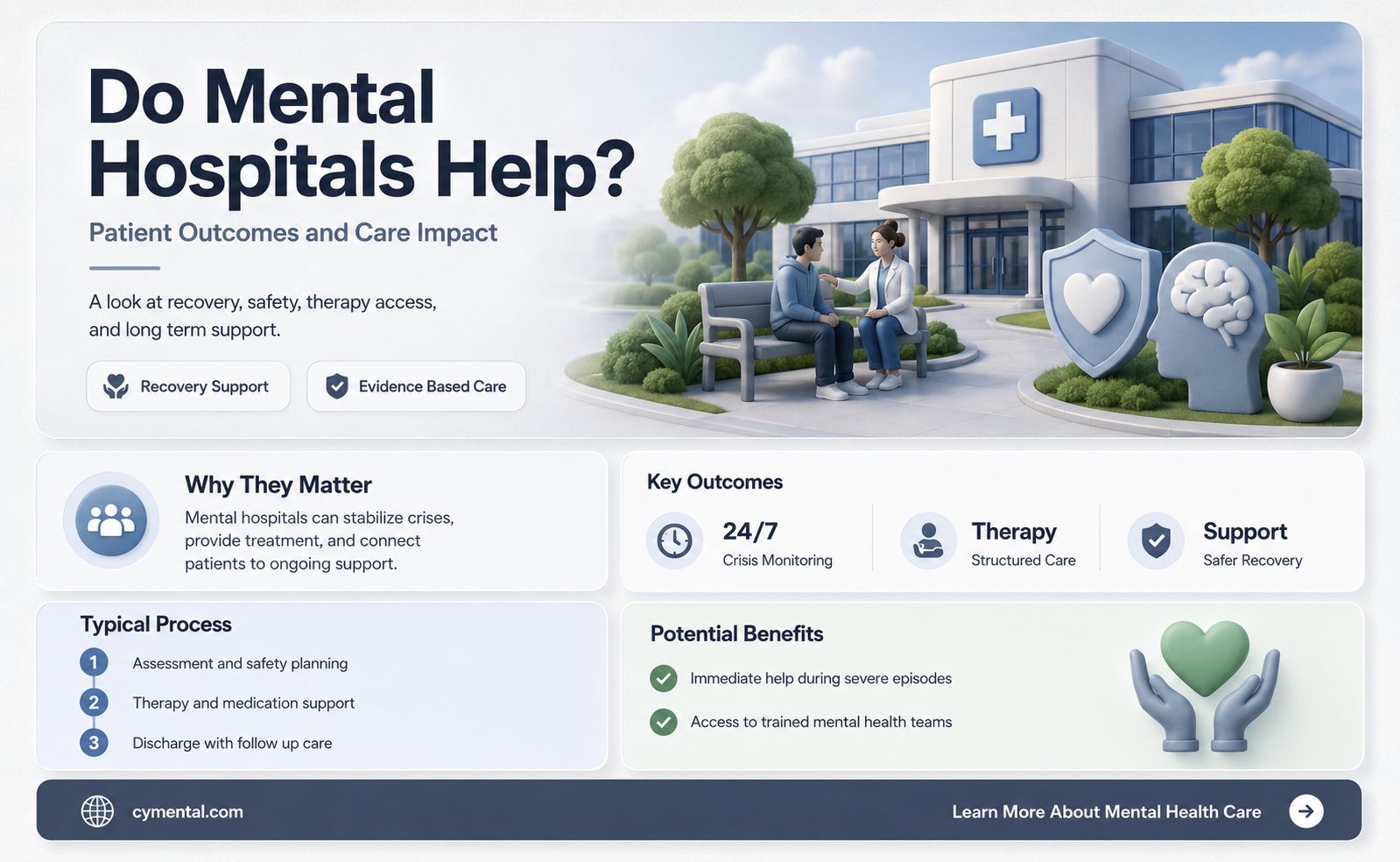
Mental hospitals, also known as psychiatric hospitals, have long been a subject of debate regarding their effectiveness in treating mental health disorders. Proponents argue that these facilities provide a structured environment with access to specialized care, including therapy, medication, and 24/7 supervision, which can be crucial for individuals experiencing severe or acute mental health crises. Critics, however, raise concerns about potential stigmatization, over-reliance on medication, and instances of inadequate care or patient rights violations. Despite these debates, mental hospitals often serve as a vital resource for those in need of intensive treatment, offering a lifeline for stabilization and recovery when outpatient options may fall short. The question of whether they truly help hinges on factors such as the quality of care, individualized treatment plans, and the integration of community-based support systems post-discharge.
| Characteristics | Values |
|---|---|
| Effectiveness of Treatment | Studies show mixed results. Some patients experience significant improvement in symptoms and functioning, while others may not respond as well. Success often depends on the severity of the condition, type of treatment, and individual factors. |
| Access to Specialized Care | Mental hospitals provide access to psychiatrists, psychologists, and other mental health professionals, offering specialized treatment not always available in outpatient settings. |
| Structured Environment | The structured daily routine in mental hospitals can help stabilize patients experiencing acute episodes of mental illness. |
| Safety and Crisis Management | Hospitals offer a safe environment for individuals at risk of self-harm or harm to others, providing crisis intervention and monitoring. |
| Medication Management | Hospitals can closely monitor medication adherence and adjust dosages as needed, which is crucial for many mental health conditions. |
| Group Therapy and Support | Group therapy sessions in hospitals can provide peer support and help patients develop coping mechanisms. |
| Length of Stay | Stays are typically short-term, focusing on stabilization rather than long-term recovery. |
| Stigma and Coercion | Hospitalization can carry a stigma, and involuntary commitment can be traumatic for some individuals. |
| Cost | Inpatient treatment can be expensive, and insurance coverage may vary. |
| Alternatives | Outpatient therapy, community mental health centers, and support groups can be effective alternatives for some individuals. |
Explore related products


What You'll Learn

Effectiveness of treatment programs in mental hospitals
Mental hospitals, often referred to as psychiatric hospitals, have long been a cornerstone of mental health treatment. However, their effectiveness in delivering treatment programs remains a subject of debate. Research indicates that structured, evidence-based programs within these facilities can significantly improve outcomes for patients with severe mental illnesses. For instance, a meta-analysis published in *JAMA Psychiatry* found that inpatient treatment programs incorporating cognitive-behavioral therapy (CBT) and pharmacotherapy reduced symptom severity by an average of 40% in patients with schizophrenia. This highlights the potential of mental hospitals to provide intensive, multidisciplinary care that outpatient settings may struggle to match.
One critical factor in the effectiveness of treatment programs is the duration of stay. Short-term hospitalizations, often lasting 5–7 days, are common due to insurance constraints, but they may not allow sufficient time for comprehensive treatment. In contrast, longer stays of 2–4 weeks, as seen in some European models, have been associated with better stabilization of acute symptoms and improved long-term outcomes. For example, a study in *The Lancet Psychiatry* showed that patients with bipolar disorder who received 3-week inpatient treatment had a 25% lower relapse rate compared to those discharged after one week. This underscores the importance of tailoring hospitalization length to individual needs rather than adhering to arbitrary timelines.
Another key element is the integration of pharmacological and psychosocial interventions. Medication alone is often insufficient for complex mental health conditions, yet many hospitals prioritize it due to its immediate efficacy. Combining medication with therapies like dialectical behavior therapy (DBT) or family therapy can address underlying issues and improve functional outcomes. For adolescents with depression, a study in *Journal of Child Psychology and Psychiatry* found that inpatient programs incorporating DBT reduced self-harm behaviors by 60% over six months. This suggests that holistic treatment models are more effective than siloed approaches.
Despite these successes, challenges remain. Staff shortages, inadequate funding, and outdated treatment protocols can hinder the effectiveness of mental hospital programs. Additionally, the stigma associated with hospitalization may deter individuals from seeking help, leading to delayed treatment and poorer outcomes. To address these issues, hospitals must prioritize staff training, adopt evidence-based practices, and engage in community outreach to reduce stigma. For instance, implementing peer support programs, where individuals with lived experience assist patients, has been shown to enhance engagement and recovery rates.
In conclusion, mental hospitals can be highly effective in delivering treatment programs, particularly for severe or acute conditions, when they employ structured, multidisciplinary approaches and adequate treatment durations. However, their success depends on addressing systemic challenges and embracing innovative practices. For individuals and families navigating mental health crises, understanding these factors can help in making informed decisions about inpatient care. By advocating for evidence-based, patient-centered programs, mental hospitals can fulfill their potential as vital resources in the mental health landscape.
Healing Hooves: How Horses Boost Mental Health and Well-being
You may want to see also
Explore related products

$20.49 $36.99


Impact of hospitalization on long-term mental health recovery
Hospitalization for mental health crises often serves as a critical intervention, providing immediate stabilization and safety for individuals in acute distress. However, its impact on long-term recovery is nuanced, influenced by factors such as the duration of stay, quality of care, and post-discharge support. Short-term hospitalizations (typically 5–14 days) can disrupt maladaptive patterns and introduce coping strategies, but prolonged stays (over 30 days) may lead to institutionalization, dependency, or disconnection from community resources. For example, a 2019 study in *The Lancet Psychiatry* found that patients hospitalized for more than 3 weeks were 20% less likely to reintegrate successfully into daily life compared to those with shorter stays. This highlights the importance of balancing immediate crisis management with long-term recovery goals.
Consider the case of a 28-year-old with severe depression who, after a 10-day hospitalization, received a structured aftercare plan including outpatient therapy, medication management, and peer support groups. Two years later, they reported significant improvement in functioning, attributing their progress to the hospital’s role in stabilizing their condition and connecting them to ongoing resources. In contrast, a 45-year-old with schizophrenia experienced repeated hospitalizations without coordinated aftercare, leading to a cycle of relapse and readmission. These examples underscore the need for hospitalization to act as a bridge, not an endpoint, in the recovery process.
From a practical standpoint, maximizing the long-term benefits of hospitalization requires proactive steps. First, ensure the treatment plan includes clear discharge goals, such as medication adherence, therapy engagement, and vocational or educational reintegration. Second, involve family or caregivers in the process to foster a supportive environment post-discharge. Third, advocate for access to community mental health services, such as case management or crisis hotlines, to prevent isolation. For instance, programs like Assertive Community Treatment (ACT) have been shown to reduce readmission rates by 30–50% by providing intensive, wraparound support.
Critics argue that hospitalization can be traumatic, particularly in under-resourced facilities where patients may experience overmedication, restraint, or neglect. A 2021 survey by the National Alliance on Mental Illness (NAMI) revealed that 40% of respondents felt their hospital stay worsened their mental health due to negative experiences. To mitigate this, hospitals must prioritize trauma-informed care, patient autonomy, and evidence-based practices. For example, implementing open dialogue models, which emphasize collaborative decision-making between patients, families, and clinicians, has been linked to better long-term outcomes in countries like Finland.
Ultimately, the impact of hospitalization on long-term recovery hinges on its ability to address immediate needs while laying the groundwork for sustained healing. While it can be a lifeline during crises, its effectiveness depends on individualized care, seamless transitions to community-based support, and a commitment to minimizing harm. By viewing hospitalization as one component of a broader recovery journey, rather than a standalone solution, mental health systems can better serve those in need. Practical tips include requesting a detailed aftercare plan before discharge, staying engaged in follow-up appointments, and exploring peer-led recovery programs to maintain momentum post-hospitalization.
Music's Power: Boosting Middle Schoolers' Mental Health and Well-Being
You may want to see also
Explore related products


Role of mental hospitals in crisis intervention
Mental hospitals serve as critical anchors in the storm of acute mental health crises, offering immediate stabilization for individuals experiencing severe episodes such as suicidal ideation, psychosis, or self-harm. Unlike outpatient settings, these facilities provide 24/7 medical supervision, ensuring safety during moments when a person’s judgment or impulse control is dangerously compromised. For instance, a patient in the throes of a manic episode may require rapid pharmacological intervention—such as intramuscular haloperidol (5–10 mg) or lorazepam (2 mg)—to prevent harm to themselves or others. This level of urgency and control is a cornerstone of crisis intervention, where time and containment are as vital as treatment.
Consider the case of a 28-year-old with treatment-resistant schizophrenia who, during a psychotic break, becomes a danger to family members. In this scenario, a mental hospital’s structured environment allows for rapid diagnostic reassessment, medication adjustments, and behavioral de-escalation techniques. The hospital’s multidisciplinary team—psychiatrists, nurses, and therapists—collaborates to address both the immediate crisis and underlying triggers, often within a 72-hour observation period. This contrasts sharply with emergency rooms, which are ill-equipped to manage prolonged psychiatric emergencies, or outpatient care, which lacks the intensity needed for acute cases.
However, the role of mental hospitals in crisis intervention is not without challenges. Overcrowding, staff shortages, and the stigma of involuntary admission can undermine their effectiveness. For adolescents (ages 13–17), the disruption of hospitalization may exacerbate feelings of alienation, requiring specialized pediatric units that incorporate family therapy and educational continuity. Similarly, elderly patients (ages 65+) with comorbid medical conditions demand geriatric psychiatric expertise to avoid adverse drug interactions, such as antipsychotics increasing the risk of falls. These nuances highlight the need for tailored, age-specific crisis protocols within hospital settings.
To maximize their utility, mental hospitals must integrate crisis intervention with long-term care planning. Discharge planning should begin within 48 hours of admission, involving case managers who coordinate outpatient follow-up, medication refills, and community resources like partial hospitalization programs. For example, a patient stabilized after a suicide attempt might transition to a dialectical behavior therapy (DBT) group, reducing the risk of recurrence by 50% compared to standard aftercare. Hospitals that fail to bridge this gap risk perpetuating a cycle of readmissions, undermining their role as crisis resolvers rather than temporary holding spaces.
Ultimately, mental hospitals are indispensable in crisis intervention, but their success hinges on balancing acute management with systemic support. They are not a panacea—their coercive nature and resource limitations necessitate complementary solutions like mobile crisis units and telehealth. Yet, for those teetering on the edge of catastrophe, these institutions remain a vital lifeline, offering a rare combination of medical authority and compassionate containment. Their evolution toward more humane, individualized care will determine whether they continue to help—or hinder—those in their darkest hours.
Supporting Reluctant Loved Ones: Strategies for Accessing Mental Health Care
You may want to see also
Explore related products


Patient experiences and satisfaction with mental hospital care
Patient experiences in mental hospitals vary widely, shaped by factors like facility resources, staff training, and individual treatment plans. A 2021 study published in the *Journal of Psychiatric and Mental Health Nursing* found that patients who received personalized care—such as therapy sessions tailored to their specific diagnoses—reported higher satisfaction levels. For instance, a 32-year-old patient with bipolar disorder noted significant improvement after a structured daily routine that included medication management, group therapy, and mindfulness exercises. This highlights the importance of individualized approaches in enhancing patient outcomes.
However, not all experiences are positive. Common complaints include feelings of isolation, lack of autonomy, and over-reliance on pharmacological interventions. A survey by the National Alliance on Mental Illness (NAMI) revealed that 40% of respondents felt their concerns were dismissed by staff, particularly in underfunded facilities. For example, a 25-year-old with anxiety disorder described feeling "like a number, not a person" during a three-week stay where medication adjustments were made without thorough consultation. Such experiences underscore the need for better staff training in empathetic communication and patient-centered care.
To improve satisfaction, mental hospitals can adopt evidence-based practices like peer support programs and family involvement. A study in *Psychiatric Services* found that patients participating in peer-led groups reported a 25% increase in perceived support and a 15% reduction in relapse rates within six months of discharge. Practical steps include integrating peer specialists into treatment teams and offering family education sessions to foster a collaborative care environment. For adolescents aged 13–17, involving parents in therapy sessions has shown to improve treatment adherence by up to 30%.
Despite challenges, many patients credit mental hospitals with providing life-saving interventions during crises. A 45-year-old with severe depression shared that a two-week hospitalization, which included electroconvulsive therapy (ECT) administered three times weekly, alleviated symptoms when other treatments failed. While ECT remains controversial, guidelines from the American Psychiatric Association emphasize informed consent and close monitoring to ensure safety and efficacy. This example illustrates how specialized treatments, when appropriately applied, can significantly improve patient satisfaction and long-term outcomes.
Ultimately, patient satisfaction with mental hospital care hinges on balancing clinical expertise with humane treatment. Facilities that prioritize dignity, transparency, and holistic care are more likely to foster positive experiences. For instance, hospitals that offer art therapy, outdoor activities, and flexible visiting hours report higher satisfaction rates. By addressing systemic issues like staffing shortages and incorporating patient feedback into service design, mental hospitals can better fulfill their mission of healing and recovery.
Moving Out: A Mental Health Boost or Added Stress?
You may want to see also
Explore related products

$21.99 $49.99


Alternatives to hospitalization for mental health treatment
Mental hospitals, while vital in acute crises, are not the only solution for mental health treatment. For many, less restrictive alternatives offer effective care without the disruption of hospitalization. These options prioritize continuity, community integration, and personalized support, addressing the root causes of mental health challenges rather than merely managing symptoms.
Outpatient Therapy and Medication Management: For individuals with mild to moderate mental health conditions, outpatient therapy paired with medication management can be transformative. Cognitive Behavioral Therapy (CBT), Dialectical Behavior Therapy (DBT), and other evidence-based modalities help patients develop coping strategies and reframe negative thought patterns. Medications, such as selective serotonin reuptake inhibitors (SSRIs) for depression or mood stabilizers for bipolar disorder, are often prescribed at dosages tailored to the individual’s needs. For example, starting with 10–20 mg of fluoxetine daily for depression, with adjustments based on response and side effects, can be managed effectively in an outpatient setting. Regular check-ins with a psychiatrist ensure medication efficacy and minimize risks, making this a viable alternative to hospitalization for stable patients.
Intensive Outpatient Programs (IOPs) and Partial Hospitalization Programs (PHPs): For those requiring more structured care but not 24/7 supervision, IOPs and PHPs bridge the gap between outpatient therapy and inpatient treatment. IOPs typically involve 9–12 hours of therapy per week, focusing on group sessions, skill-building, and psychoeducation. PHPs, more intensive, require 4–6 hours daily, often including individual therapy, medication management, and family involvement. These programs are particularly effective for conditions like severe anxiety, eating disorders, or early-stage psychosis. For instance, a PHP might incorporate daily mindfulness exercises and nutritional counseling for anorexia patients, offering comprehensive care without hospitalization.
Community-Based Support Systems: Peer support groups, such as those facilitated by the National Alliance on Mental Illness (NAMI), provide a sense of belonging and shared understanding. These groups, often free and accessible, complement professional treatment by fostering resilience and reducing isolation. Additionally, case management services connect individuals with resources like housing assistance, vocational training, and crisis hotlines. For example, a case manager might help a client with schizophrenia secure subsidized housing and enroll in a supported employment program, stabilizing their environment and reducing the likelihood of hospitalization.
Technology-Assisted Interventions: Digital tools, such as mobile apps and teletherapy platforms, are revolutionizing mental health care. Apps like Headspace or Calm offer guided meditation and stress reduction techniques, while platforms like BetterHelp provide access to licensed therapists via video conferencing. Wearable devices, such as smartwatches, can monitor physiological markers like heart rate variability, alerting users to potential anxiety or depressive episodes. For instance, a patient with generalized anxiety disorder might use a biofeedback app to practice deep breathing exercises when their heart rate exceeds 90 bpm, empowering self-regulation and reducing reliance on inpatient care.
While hospitalization remains essential for severe cases, these alternatives offer flexible, patient-centered approaches that address mental health holistically. By leveraging outpatient care, structured programs, community support, and technology, individuals can achieve stability and recovery without the constraints of a hospital setting. The key lies in tailoring interventions to the individual’s needs, ensuring accessibility, and fostering long-term resilience.
Exercise Boosts Elderly Mental Health: Benefits and Strategies for Wellbeing
You may want to see also
Frequently asked questions
Yes, mental hospitals can provide structured, intensive treatment, including therapy, medication, and crisis management, which can stabilize patients and support long-term recovery.
Mental hospitals primarily serve individuals with severe or acute conditions, but they may also offer programs for milder cases if outpatient care is insufficient.
Many mental hospitals use a combination of therapies and treatments to address both symptoms and underlying causes, though the focus may vary depending on the facility and patient needs.