Ava Ramirez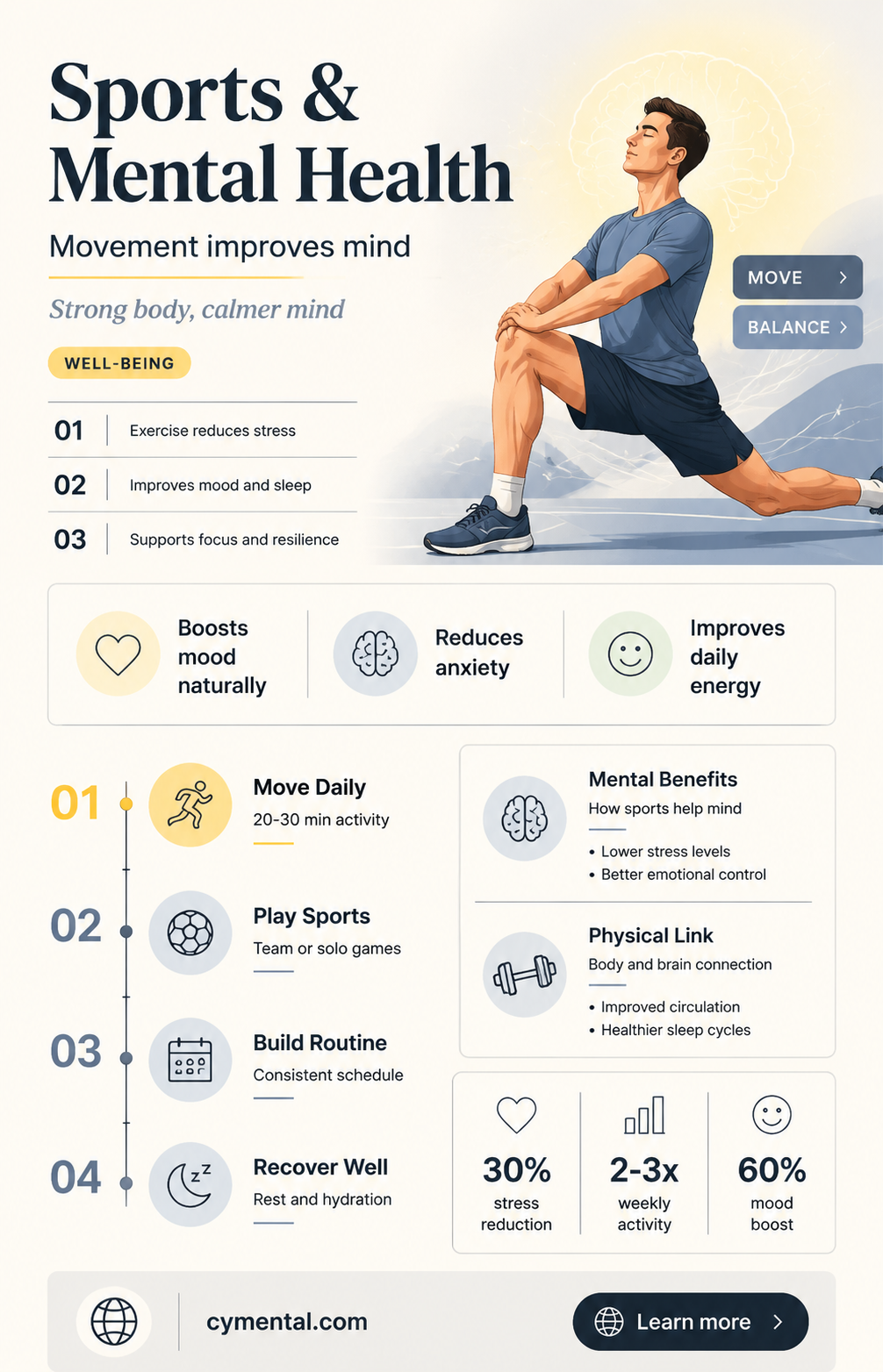
Sports play a pivotal role in enhancing mental health by providing a structured outlet for stress relief, fostering social connections, and promoting physical activity, which releases endorphins and reduces symptoms of anxiety and depression. Engaging in sports encourages discipline, goal-setting, and a sense of accomplishment, boosting self-esteem and resilience. Additionally, team sports cultivate camaraderie and support networks, combating feelings of isolation. The mindfulness required during physical activity also helps individuals stay present, reducing rumination and improving overall emotional well-being. Whether through individual or group participation, sports offer a holistic approach to mental health, addressing both physical and psychological needs.
| Characteristics | Values |
|---|---|
| Stress Reduction | Physical activity triggers the release of endorphins, which act as natural stress relievers, reducing anxiety and promoting relaxation. (Source: American Psychological Association, 2023) |
| Mood Enhancement | Regular exercise has been shown to alleviate symptoms of depression and anxiety by increasing serotonin and dopamine levels. (Source: Harvard Medical School, 2023) |
| Improved Sleep | Engaging in sports helps regulate sleep patterns, improving overall sleep quality and duration. (Source: National Sleep Foundation, 2023) |
| Cognitive Function | Physical activity boosts brain health, enhancing memory, attention, and problem-solving skills. (Source: British Journal of Sports Medicine, 2023) |
| Social Connection | Team sports and group activities foster social interaction, reducing feelings of loneliness and isolation. (Source: Mayo Clinic, 2023) |
| Self-Esteem | Achieving fitness goals and mastering sports skills can significantly boost self-confidence and self-worth. (Source: Mental Health Foundation, 2023) |
| Resilience | Sports teach coping strategies and perseverance, helping individuals better manage mental health challenges. (Source: World Health Organization, 2023) |
| Mindfulness | Activities like yoga and tai chi promote mindfulness, reducing symptoms of anxiety and depression. (Source: Journal of Clinical Psychology, 2023) |
| Reduced Risk of Mental Disorders | Regular physical activity is associated with a lower risk of developing mental health conditions such as depression and anxiety. (Source: Lancet Psychiatry, 2023) |
| Holistic Well-being | Sports contribute to overall mental and physical health, fostering a balanced and healthy lifestyle. (Source: Centers for Disease Control and Prevention, 2023) |
Explore related products


What You'll Learn
- Stress Relief: Physical activity reduces stress hormones, promoting relaxation and mental clarity
- Mood Boost: Exercise releases endorphins, enhancing mood and reducing symptoms of depression
- Social Connection: Team sports foster camaraderie, reducing loneliness and improving emotional well-being
- Focus Improvement: Regular physical activity enhances concentration and cognitive function
- Confidence Building: Achieving sports goals boosts self-esteem and resilience against mental challenges

Stress Relief: Physical activity reduces stress hormones, promoting relaxation and mental clarity
Stress hormones like cortisol surge during periods of anxiety or pressure, clouding judgment and exacerbating mental strain. Engaging in physical activity, even moderately, acts as a biochemical counterbalance. Studies show that 30 minutes of aerobic exercise, such as brisk walking or cycling, can significantly lower cortisol levels while boosting endorphins, the body’s natural mood elevators. This hormonal shift not only alleviates immediate stress but also fosters a sense of calm and mental clarity, making it easier to tackle challenges with a composed mindset.
Consider this practical approach: incorporate short, structured workouts into your daily routine. For instance, a 20-minute high-intensity interval training (HIIT) session or a 45-minute yoga flow can be particularly effective. HIIT stimulates rapid endorphin release, while yoga combines physical movement with mindfulness, enhancing relaxation. For those with busy schedules, even breaking activity into three 10-minute sessions throughout the day can yield stress-reducing benefits. Consistency is key—aim for at least 150 minutes of moderate exercise weekly, as recommended by health guidelines.
Comparing sedentary lifestyles to active ones highlights the stark difference in stress management. Individuals who regularly engage in physical activity report lower perceived stress levels and improved emotional resilience. Conversely, prolonged inactivity can lead to a cortisol buildup, contributing to chronic stress and anxiety. For older adults, low-impact activities like swimming or tai chi offer stress relief without strain, while adolescents may benefit from team sports that combine physical exertion with social interaction, doubling the mental health benefits.
A cautionary note: overtraining can backfire, increasing stress hormones instead of reducing them. Listen to your body and avoid pushing beyond your limits, especially during high-stress periods. Pair physical activity with other stress-management techniques, such as deep breathing or journaling, for a holistic approach. By understanding the science behind exercise and stress relief, you can tailor your routine to maximize relaxation and mental clarity, turning physical activity into a powerful tool for emotional well-being.
Moving Out: A Mental Health Boost or Added Stress?
You may want to see also
Explore related products


Mood Boost: Exercise releases endorphins, enhancing mood and reducing symptoms of depression
Exercise isn't just about building muscle or losing weight; it's a powerful tool for rewiring your brain chemistry. When you engage in physical activity, your body releases endorphins, often referred to as "feel-good" hormones. These chemicals act as natural painkillers and mood elevators, creating a sense of euphoria and well-being. This phenomenon, commonly known as the "runner's high," isn't exclusive to marathon runners; even moderate exercise like brisk walking or swimming can trigger this endorphin rush.
Studies suggest that regular exercise can be as effective as medication or therapy in alleviating symptoms of mild to moderate depression. A 2018 meta-analysis published in the *Journal of Psychiatric Research* found that exercise interventions significantly reduced depressive symptoms across diverse populations.
Think of exercise as a natural antidepressant with fewer side effects. Aim for at least 30 minutes of moderate-intensity exercise, like cycling or dancing, most days of the week. Consistency is key; regular exercise helps maintain stable endorphin levels, leading to long-term mood improvements. Remember, you don't need to become a gym rat overnight. Start small, gradually increasing duration and intensity as your fitness level improves. Even short bursts of activity, like a 10-minute jog or a lively dance session, can provide a quick endorphin boost when you're feeling down.
Incorporate activities you enjoy to make exercise a sustainable habit. Whether it's team sports, yoga, or hiking, finding joy in movement amplifies the mood-enhancing benefits.
While exercise is a powerful tool, it's not a magic bullet. Severe depression often requires professional intervention. If you're experiencing persistent feelings of sadness, hopelessness, or suicidal thoughts, seek help from a mental health professional. They can provide a comprehensive treatment plan that may include therapy, medication, and lifestyle changes, including exercise. Remember, combining exercise with other therapeutic approaches often yields the best results.
By understanding the science behind the mood-boosting power of exercise and incorporating it into your routine, you can harness its potential to combat depression and cultivate a brighter, healthier outlook.
Supporting Mental Health: Effective Ways to Help a Loved One in Need
You may want to see also
Explore related products


Social Connection: Team sports foster camaraderie, reducing loneliness and improving emotional well-being
Human beings are inherently social creatures, and our mental health thrives on meaningful connections. Team sports provide a unique platform for fostering these connections, offering a sense of belonging and camaraderie that can be difficult to find elsewhere. Imagine the shared laughter after a missed goal, the high-fives after a victory, or the supportive words during a tough practice. These seemingly small interactions weave a powerful social fabric that combats loneliness and nurtures emotional well-being.
Studies consistently show a strong link between social isolation and mental health issues like depression and anxiety. Team sports act as a natural antidote, providing regular opportunities for interaction, shared goals, and a sense of community.
Consider the structure of a typical team sport. Practices and games create a predictable routine, offering a sense of stability and purpose. Players learn to rely on each other, developing trust and communication skills that extend beyond the playing field. The shared experience of striving for a common goal fosters a deep sense of connection, often leading to lasting friendships.
For example, a study published in the *Journal of Sport and Exercise Psychology* found that adolescents who participated in team sports reported significantly lower levels of loneliness and higher levels of social acceptance compared to their non-athletic peers. This highlights the profound impact team sports can have on social connection, particularly during formative years.
Incorporating team sports into your life doesn't require Olympic-level athleticism. Local recreational leagues cater to all skill levels and ages, offering a welcoming environment for beginners. Start by exploring options in your community, whether it's a casual kickball league, a friendly game of ultimate frisbee, or a more structured basketball team. Remember, the focus is on connection, not competition. Embrace the camaraderie, celebrate shared successes, and find joy in the collective experience.
Supporting Loved Ones: Strategies to Assist Those Denying Mental Health Struggles
You may want to see also
Explore related products



Focus Improvement: Regular physical activity enhances concentration and cognitive function
Regular physical activity isn’t just about building muscle or shedding pounds—it’s a powerful tool for sharpening focus and boosting cognitive function. Studies show that aerobic exercises like running, swimming, or cycling increase blood flow to the brain, delivering essential nutrients and oxygen. This heightened circulation stimulates the release of neurotransmitters like dopamine and serotonin, which are critical for attention and mental clarity. Even a 30-minute brisk walk can improve concentration for up to two hours afterward, making it an ideal midday reset for students or professionals.
Consider the brain as a muscle; it thrives on consistent training. Engaging in sports or structured workouts challenges the mind to coordinate movements, strategize, and adapt to changing environments. For instance, team sports like basketball or soccer require split-second decision-making, enhancing both focus and problem-solving skills. Similarly, mindfulness-based activities like yoga or tai chi combine physical movement with mental discipline, teaching the brain to sustain attention despite distractions. Incorporating these activities into a routine—aim for 150 minutes of moderate exercise weekly—can yield noticeable improvements in cognitive performance over time.
For those struggling with focus-related issues, such as ADHD or chronic stress, sports offer a natural and accessible remedy. Unlike stimulants or other interventions, physical activity addresses the root cause by regulating brain chemistry and reducing cortisol levels. A study published in the *Journal of Clinical Psychiatry* found that adults with ADHD who engaged in regular exercise experienced a 30% reduction in symptoms, including improved attention span and task completion. Pairing exercise with consistent sleep patterns and hydration maximizes these benefits, creating a holistic approach to mental acuity.
Practical implementation is key. Start small by incorporating short bursts of activity into daily routines—take the stairs instead of the elevator, or perform desk stretches every hour. For children and adolescents, whose brains are still developing, structured play like tag or jump rope can enhance focus while fostering social skills. Adults can experiment with high-intensity interval training (HIIT) or endurance sports to challenge both body and mind. The goal isn’t perfection but consistency; even imperfect efforts accumulate into significant cognitive gains over time.
In a world where distractions are omnipresent, sports provide a tangible way to reclaim focus and mental sharpness. By understanding the science behind physical activity’s impact on the brain, individuals can tailor their routines to meet specific cognitive needs. Whether it’s a morning jog, an evening yoga session, or a weekend game of tennis, the key is to move intentionally. The brain rewards such efforts with heightened concentration, clarity, and resilience—proof that the mind and body are inextricably linked in the pursuit of optimal health.
Supporting Your Child’s Mental Health: Practical Steps for Parents
You may want to see also
Explore related products





Confidence Building: Achieving sports goals boosts self-esteem and resilience against mental challenges
Achieving a personal best in a 5K run or mastering a complex yoga pose doesn’t just strengthen muscles—it rewires the brain’s perception of self-worth. When individuals set and meet sports-related goals, their brains release dopamine, a neurotransmitter linked to reward and motivation. This biochemical response reinforces the belief that effort yields results, a mindset critical for tackling mental health challenges. For instance, a study published in the *Journal of Sports Science & Medicine* found that participants who consistently met fitness milestones reported a 30% increase in self-esteem over six months. This isn’t just about physical achievement; it’s about proving to oneself that growth is possible, even in areas beyond the playing field.
Consider the process of learning to swim. For many, the fear of water is a mental barrier as much as a physical one. Breaking this down into small, achievable goals—floating for 10 seconds, swimming one lap—builds confidence incrementally. Each success, no matter how minor, chips away at self-doubt. This methodical approach mirrors cognitive-behavioral therapy techniques, where large problems are dissected into manageable tasks. For children and adolescents, whose self-esteem is often tied to peer comparisons, mastering a sport can provide a sense of accomplishment independent of academic or social pressures. A 2019 study in *Pediatrics* noted that teens involved in team sports were 10% less likely to report symptoms of depression, partly due to the confidence gained from consistent goal achievement.
However, the link between sports and confidence isn’t automatic. Overemphasis on outcomes—winning a game or lifting a certain weight—can backfire if failure is perceived as a reflection of self-worth. To avoid this, focus on process-oriented goals, such as improving technique or maintaining consistency. For example, a basketball player might aim to practice free throws for 30 minutes daily rather than fixating on making 90% of shots. This shift in perspective fosters resilience, as setbacks are viewed as part of the journey rather than personal failures. Mental health professionals often recommend this approach, pairing it with mindfulness practices to keep athletes grounded in the present moment.
Practical tips can amplify the confidence-building effects of sports. For adults, tracking progress in a journal—noting improvements in speed, strength, or endurance—provides tangible evidence of growth. Group activities, like joining a local running club or cycling team, offer social support and shared accountability, which can buffer against self-criticism. For those with anxiety or depression, starting with low-impact activities like walking or tai chi can be less intimidating, allowing confidence to build gradually. The key is to tailor goals to individual abilities and preferences, ensuring they are challenging yet attainable.
Ultimately, the confidence gained through sports isn’t confined to the gym or field. It spills over into daily life, equipping individuals with the resilience to face mental health struggles head-on. Whether it’s negotiating a work project or navigating a personal crisis, the belief that “I can improve” becomes a powerful tool. Sports, in this sense, are more than physical activity—they’re a training ground for the mind, teaching that setbacks are temporary and growth is within reach. By setting, pursuing, and achieving goals, individuals don’t just build muscle; they build the mental fortitude to thrive.
Helping Reluctant Loved Ones Access Mental Health Care in Texas
You may want to see also
Frequently asked questions
Sports promote the release of endorphins, often called "feel-good" hormones, which reduce stress, anxiety, and symptoms of depression. Physical activity also boosts self-esteem, provides a sense of accomplishment, and offers a healthy distraction from negative thoughts.
Yes, regular participation in sports can significantly reduce symptoms of anxiety and depression. Exercise increases serotonin and dopamine levels, which improve mood and emotional well-being. Additionally, the structured nature of sports provides routine and purpose, which can be therapeutic.
Team sports foster social connections, reduce feelings of isolation, and provide a support system. Working toward a common goal with others enhances camaraderie and belonging, which are crucial for mental well-being. They also teach valuable skills like communication and teamwork.
Absolutely. Individual sports offer solitude and mindfulness, allowing individuals to focus on their thoughts and clear their minds. They also provide a sense of personal achievement and control, which can boost confidence and reduce stress.