Noah Parker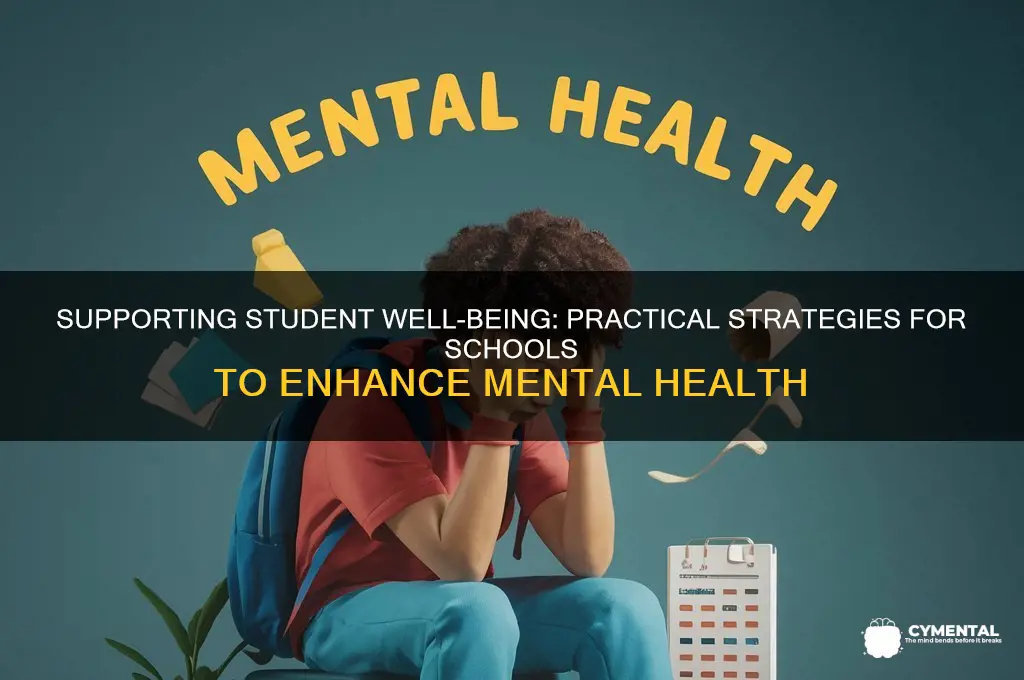
Schools play a pivotal role in supporting students' mental health by creating a nurturing and inclusive environment that fosters emotional well-being. By implementing evidence-based programs, such as mindfulness practices, counseling services, and mental health education, schools can equip students with essential coping skills and reduce stigma surrounding mental health issues. Additionally, training teachers and staff to recognize signs of distress, promoting open communication, and fostering a culture of empathy can ensure students feel safe and supported. Collaborating with mental health professionals and integrating resources like peer support groups or crisis intervention plans can further enhance the school’s ability to address students’ needs. Ultimately, by prioritizing mental health, schools can empower students to thrive academically, socially, and emotionally.
| Characteristics | Values |
|---|---|
| Implement Mental Health Education | Integrate age-appropriate mental health curricula into the school syllabus. Teach students about emotional regulation, stress management, and coping strategies. |
| Provide Access to Counselors | Ensure every school has trained mental health professionals (counselors, psychologists) available for students to seek support. |
| Create Safe Spaces | Designate quiet, confidential areas where students can express their feelings or seek help without judgment. |
| Promote Peer Support Programs | Establish peer mentoring or buddy systems where students can support each other under professional guidance. |
| Encourage Open Communication | Foster a culture where students feel comfortable discussing mental health concerns with teachers and staff. |
| Reduce Academic Pressure | Implement balanced assessment systems and avoid excessive homework or competitive environments. |
| Promote Physical Activity | Incorporate regular physical education and extracurricular activities to reduce stress and improve mood. |
| Monitor Bullying and Cyberbullying | Implement strict anti-bullying policies and educate students about the impact of bullying on mental health. |
| Collaborate with Parents | Engage parents through workshops and regular updates to create a supportive home environment. |
| Offer Mindfulness and Relaxation Techniques | Introduce mindfulness exercises, yoga, or meditation sessions to help students manage anxiety and stress. |
| Provide Crisis Intervention | Train staff to identify signs of mental health crises and have protocols in place for immediate intervention. |
| Celebrate Diversity and Inclusion | Promote inclusivity and celebrate cultural diversity to reduce stigma and foster a sense of belonging. |
| Regular Mental Health Screenings | Conduct anonymous screenings to identify students at risk and provide early interventions. |
| Flexible Learning Environments | Allow for flexible schedules or accommodations for students dealing with mental health challenges. |
| Access to Digital Mental Health Tools | Provide access to apps or online resources that offer mental health support and self-help tools. |
| Professional Development for Staff | Train teachers and staff to recognize mental health issues and respond appropriately. |
Explore related products


What You'll Learn

Integrate mental health education into curricula
Mental health education is not a luxury but a necessity, and its integration into school curricula can be a powerful tool to foster resilience and emotional intelligence from a young age. By treating mental health as an essential subject, schools can normalize conversations around emotions, stress, and well-being, reducing the stigma that often prevents students from seeking help. For instance, incorporating age-appropriate lessons on topics like emotional regulation, stress management, and self-care can equip students with practical skills to navigate life’s challenges. In elementary schools, this might look like teaching children to identify and name their emotions through storytelling or art, while in high schools, it could involve workshops on mindfulness, time management, and healthy coping strategies.
To effectively integrate mental health education, schools should adopt a tiered approach that aligns with developmental stages. For younger students (ages 5–11), focus on foundational concepts like emotional vocabulary and empathy-building activities. Middle schoolers (ages 12–14) could benefit from lessons on peer pressure, body image, and the impact of social media on mental health. High school curricula (ages 15–18) should delve deeper into topics like anxiety, depression, and substance abuse, providing actionable resources and crisis intervention strategies. Each tier should build on the previous one, ensuring students develop a comprehensive understanding of mental health over time.
One practical tip for implementation is to embed mental health lessons within existing subjects rather than creating a standalone course. For example, English classes could analyze literature that explores mental health themes, science classes could discuss the brain-body connection, and physical education could emphasize the link between exercise and mental well-being. This interdisciplinary approach ensures mental health education is not siloed but woven into the fabric of daily learning. Schools can also partner with mental health professionals to design curricula, ensuring content is evidence-based and culturally sensitive.
However, integrating mental health education requires careful consideration of potential pitfalls. Teachers must receive adequate training to deliver this content sensitively and avoid inadvertently triggering students. Schools should also monitor the emotional impact of these lessons, providing additional support for students who may struggle with the material. A balanced approach is key—while it’s important to address difficult topics, the focus should remain on empowerment and prevention rather than fear or pathology.
In conclusion, integrating mental health education into school curricula is a proactive step toward creating a generation that values and prioritizes emotional well-being. By providing students with knowledge, skills, and resources, schools can foster a culture of resilience and compassion. This investment in mental health education not only benefits individual students but also strengthens the broader community, creating a ripple effect of positive change.
Assessing Mental Illness Impairment: Essential Tools for Clinicians
You may want to see also
Explore related products


$32.44 $70.95


Train staff in recognizing mental health signs
Staff training in mental health awareness is a critical yet often overlooked pillar of school support systems. Untrained eyes might miss the subtle signs of distress in students—withdrawn behavior, sudden changes in academic performance, or persistent irritability. These indicators, when caught early, can prevent crises. Schools must prioritize equipping teachers, administrators, and support staff with the skills to recognize these signals, ensuring a proactive rather than reactive approach to student well-being.
Consider the following steps for effective staff training: begin with foundational workshops led by mental health professionals, covering common mental health challenges in adolescents, such as anxiety, depression, and self-harm tendencies. Incorporate role-playing scenarios to simulate real-life situations, allowing staff to practice identifying signs and responding appropriately. For instance, a teacher might learn to differentiate between typical teenage moodiness and symptoms of depression, like prolonged sadness or loss of interest in favorite activities. Follow up with ongoing training sessions to address emerging trends, such as the impact of social media on mental health or the rise of eating disorders in younger age groups.
However, training alone is insufficient without a clear protocol for action. Schools should establish a step-by-step process for staff to follow when they suspect a student is struggling. This could include documenting observed behaviors, privately approaching the student to express concern, and referring them to the school counselor or external mental health resources. Caution staff against overstepping their role—they are not therapists, but they can be vital links to professional help. For example, a teacher noticing a student self-harming should avoid confronting the student directly about the behavior but instead report it immediately to the school’s mental health team.
The benefits of such training extend beyond individual student support. A staff trained in mental health awareness fosters a school culture of empathy and understanding, reducing stigma and encouraging students to seek help when needed. For instance, a teacher who openly discusses stress management strategies in class normalizes conversations about mental health, making students more likely to confide in trusted adults. Schools that invest in this training not only safeguard their students but also empower their staff to contribute meaningfully to a healthier learning environment.
Music's Power: Boosting Middle Schoolers' Mental Health and Well-Being
You may want to see also
Explore related products


Provide accessible counseling services
Schools can significantly impact student mental health by providing accessible counseling services, but the key lies in removing barriers to entry. Traditional counseling models often require appointments scheduled weeks in advance, a system that fails students in crisis or those hesitant to seek help. Implementing a "drop-in" counseling hour daily allows students to access support spontaneously, reducing the stigma associated with making an appointment. This model, piloted in several high schools, saw a 40% increase in counseling utilization within the first semester, particularly among students who had never sought help before.
However, accessibility goes beyond availability. Schools must ensure counselors are trained in evidence-based practices tailored to adolescent mental health. Cognitive Behavioral Therapy (CBT), for instance, has proven effective in managing anxiety and depression in students aged 13–18, with studies showing a 50–75% reduction in symptoms after 12–16 sessions. Equally important is cultural competency training for counselors, as students from marginalized communities often face unique stressors. A 2021 survey revealed that 65% of Latino and Black students felt more comfortable discussing mental health with counselors who shared their cultural background or had specific training in cultural sensitivity.
Another critical aspect is integrating counseling services into the school ecosystem. Locating counseling offices in central, non-stigmatizing areas—such as near the library or student lounge—normalizes mental health support. Schools can also embed counselors in classrooms for brief, informal check-ins, bridging the gap between academic and emotional well-being. For example, a middle school in Oregon implemented a "Counselor in the Classroom" program, where counselors spent one hour weekly in each grade level, leading to a 30% increase in students self-referring for additional support.
Finally, technology can enhance accessibility without replacing human interaction. Online platforms offering anonymous chat-based counseling or mental health screenings can serve as a first step for reluctant students. However, these tools must be supplemented with clear pathways to in-person support. A hybrid model, combining virtual resources with face-to-face counseling, ensures students receive the right level of care at the right time. Schools adopting such approaches report higher overall satisfaction with mental health services, with 85% of students feeling their needs were met compared to 55% in schools without integrated systems.
In conclusion, providing accessible counseling services requires a multi-faceted approach: flexible scheduling, specialized training, strategic placement, and technological integration. By addressing these elements, schools can create a supportive environment where students feel empowered to seek help, ultimately fostering better mental health outcomes.
Art's Healing Power: Boosting Mental Health Through Creativity
You may want to see also
Explore related products


Promote inclusive and supportive environments
Schools play a pivotal role in shaping the mental health of students by fostering environments that feel safe, inclusive, and supportive. One critical step is to embed diversity and inclusion into the fabric of school culture. This means actively celebrating differences—whether cultural, racial, gender, or ability-related—through curriculum design, extracurricular activities, and visible representation in leadership roles. For instance, schools can integrate culturally responsive teaching practices, ensuring that all students see their identities reflected in the learning materials and classroom discussions. This not only validates their experiences but also reduces feelings of alienation, a common precursor to mental health struggles.
Creating a supportive environment also requires intentional policies and practices that address bullying and discrimination head-on. Schools should implement zero-tolerance policies for harmful behaviors, coupled with restorative justice programs that focus on accountability and healing rather than punishment. Peer mentoring programs can be particularly effective here, pairing younger or vulnerable students with trained older peers who provide guidance and emotional support. Research shows that such programs reduce anxiety and depression symptoms by up to 30% in participating students, particularly in middle and high school age groups.
Physical spaces within schools can either reinforce exclusion or promote belonging. Thoughtful design choices, such as flexible seating arrangements, quiet zones, and sensory-friendly areas, can accommodate diverse needs and preferences. For example, a "calm corner" equipped with stress-relief tools like fidget toys, weighted blankets, or guided meditation tablets can offer students a private space to regulate their emotions. Schools should also ensure accessibility for students with disabilities, both physically and digitally, to signal that everyone is valued and included.
Finally, staff training is non-negotiable in fostering inclusive and supportive environments. Educators and administrators must be equipped to recognize signs of mental distress, use inclusive language, and respond empathetically to students’ needs. Professional development programs should cover topics like trauma-informed practices, LGBTQ+ inclusivity, and cultural humility. Schools can also partner with mental health professionals to provide ongoing support and resources, ensuring that staff feel confident in their ability to create a nurturing atmosphere. By prioritizing these measures, schools can transform themselves into sanctuaries where every student feels seen, heard, and supported.
Moving Out: A Mental Health Boost or Added Stress?
You may want to see also
Explore related products

$13.03 $18.99


$15.99 $21.95


Encourage regular physical activity and mindfulness practices
Physical activity and mindfulness practices are powerful tools for improving mental health, yet they are often overlooked in educational settings. Research shows that just 30 minutes of moderate exercise daily can reduce symptoms of anxiety and depression in adolescents. Schools can leverage this by integrating movement into the daily routine—whether through structured physical education classes, active recess periods, or even short "brain breaks" during lessons. For younger students, this might mean incorporating games that promote coordination and teamwork, while older students could benefit from activities like yoga or team sports. The key is consistency; regular engagement ensures that these practices become habits rather than occasional distractions.
Mindfulness, on the other hand, teaches students to manage stress by focusing on the present moment. Schools can introduce mindfulness through guided meditations, breathing exercises, or even mindful walking sessions. For instance, a 5-minute mindfulness practice at the start of each day can help students center themselves and reduce morning anxiety. Teachers can lead these sessions or use apps designed for classroom use, such as Calm or Headspace. For younger age groups, mindfulness can be woven into storytelling or art activities, making it accessible and engaging. The goal is to provide students with practical skills they can use anytime, anywhere, to calm their minds.
Combining physical activity with mindfulness amplifies their benefits. For example, a school could offer after-school clubs that pair sports with meditation, or integrate mindful movement into PE classes. This dual approach not only improves physical health but also teaches students to recognize and regulate their emotions. Caution should be taken, however, to avoid overloading students with too many new practices at once. Start small—perhaps with one mindfulness session and one extra physical activity per week—and gradually increase frequency as students become more comfortable.
Practical implementation requires collaboration between educators, administrators, and mental health professionals. Schools can train teachers in basic mindfulness techniques or partner with local organizations to bring in experts. Additionally, creating dedicated spaces—like a quiet corner for meditation or an outdoor area for active play—can encourage participation. For older students, offering elective courses on mindfulness or sports psychology can deepen their understanding and engagement. By embedding these practices into the school culture, educators can foster a supportive environment where mental health is prioritized alongside academic achievement.
Ultimately, encouraging regular physical activity and mindfulness practices in schools is an investment in students’ long-term well-being. These habits not only alleviate immediate stress but also equip students with lifelong tools for managing mental health challenges. Schools that adopt this approach send a clear message: mental health matters, and taking care of it is a shared responsibility. With thoughtful planning and consistent effort, these practices can become a cornerstone of a healthier, more resilient school community.
Exercise Boosts Elderly Mental Health: Benefits and Strategies for Wellbeing
You may want to see also
Frequently asked questions
Schools can foster a supportive environment by promoting open conversations about mental health, reducing stigma, and providing training for staff to recognize signs of distress. Creating safe spaces, such as counseling offices or wellness centers, and implementing peer support programs can also help students feel supported.
Integrating mental health education into the curriculum can teach students about emotional well-being, stress management, and resilience. Lessons on mindfulness, coping strategies, and healthy relationships can empower students with tools to manage their mental health effectively.
Schools can partner with mental health professionals, community organizations, and local healthcare providers to offer additional resources, such as counseling services, workshops, and crisis intervention. Establishing clear referral pathways ensures students receive timely and appropriate support beyond what the school can provide.