Madison Cole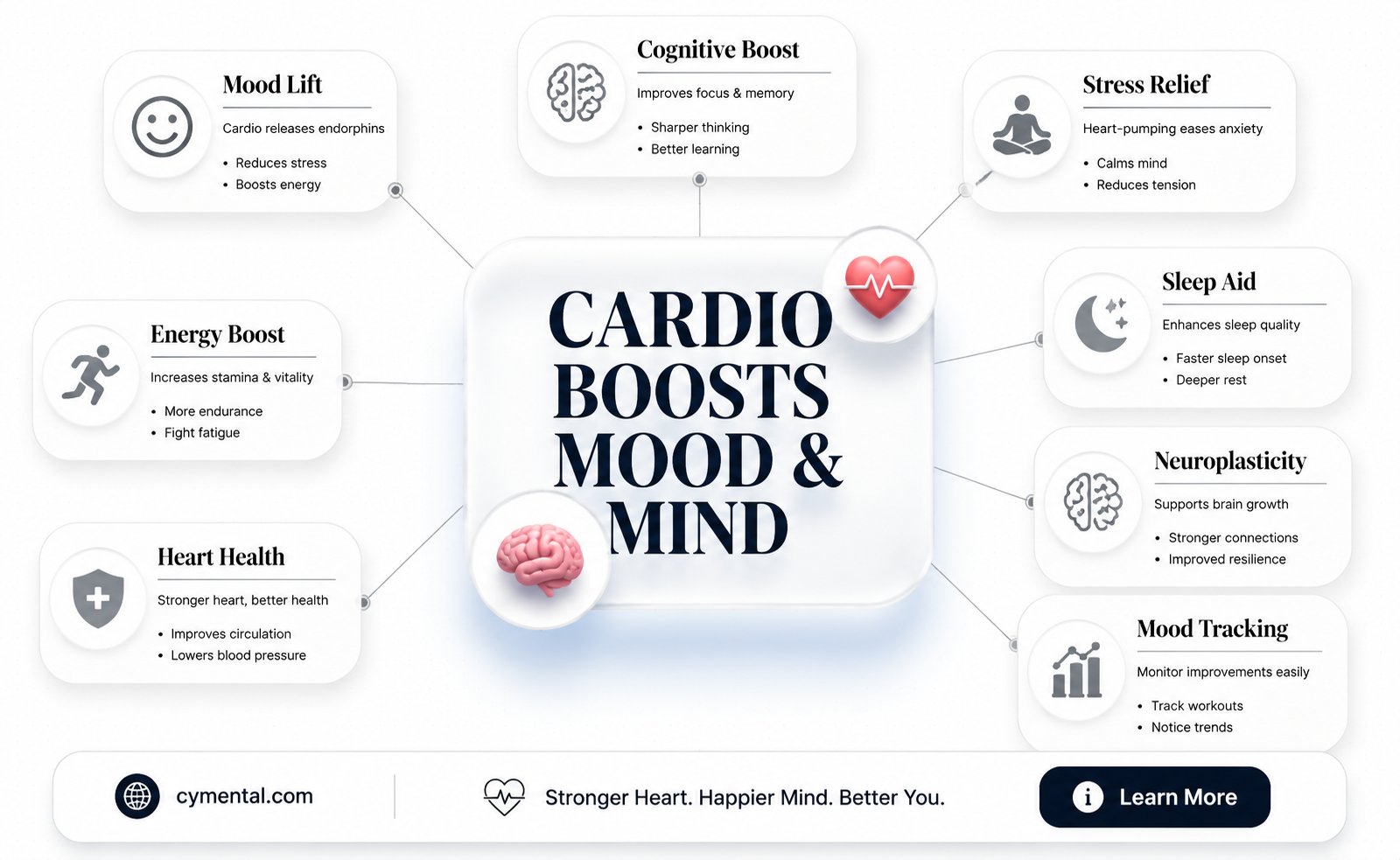
Cardio exercise, such as running, swimming, or cycling, has long been recognized for its physical health benefits, but its impact on mental health is equally significant. Numerous studies have shown that engaging in regular cardiovascular activity can reduce symptoms of anxiety and depression, boost mood, and improve overall mental well-being. This is largely due to the release of endorphins, often referred to as feel-good hormones, which occur during exercise. Additionally, cardio helps reduce stress by lowering cortisol levels and promotes better sleep, both of which are crucial for mental health. By enhancing cognitive function and fostering a sense of accomplishment, cardio exercise can also improve self-esteem and resilience, making it a powerful tool for maintaining and improving mental health.
| Characteristics | Values |
|---|---|
| Reduces Stress | Cardio exercises like running, swimming, or cycling lower cortisol levels, promoting relaxation. |
| Improves Mood | Releases endorphins, serotonin, and dopamine, which enhance mood and reduce symptoms of depression and anxiety. |
| Enhances Cognitive Function | Increases blood flow to the brain, improving memory, focus, and overall cognitive performance. |
| Alleviates Anxiety | Regular cardio reduces anxiety symptoms by regulating neurotransmitters and promoting calmness. |
| Boosts Self-Esteem | Achieving fitness goals through cardio improves body image and self-confidence. |
| Reduces Symptoms of Depression | Acts as a natural antidepressant by increasing brain-derived neurotrophic factor (BDNF). |
| Improves Sleep Quality | Regulates sleep patterns, making it easier to fall asleep and stay asleep. |
| Increases Resilience to Mental Stress | Enhances the brain's ability to cope with stress and adversity. |
| Promotes Neuroplasticity | Stimulates the growth of new neurons and neural connections, supporting mental health. |
| Reduces Risk of Cognitive Decline | Regular cardio is linked to a lower risk of Alzheimer's and other neurodegenerative diseases. |
| Enhances Emotional Regulation | Helps manage emotional responses by balancing brain chemistry. |
| Supports Overall Mental Well-Being | Combines physical and psychological benefits to foster a healthier mind. |
Explore related products


What You'll Learn
- Cardio and Stress Reduction: Physical activity lowers cortisol, reduces anxiety, and promotes relaxation
- Mood Enhancement: Releases endorphins, boosts serotonin, and improves overall emotional well-being
- Cognitive Benefits: Enhances memory, focus, and brain function through increased blood flow
- Anxiety and Depression: Regular cardio reduces symptoms, comparable to medication or therapy effects
- Sleep Improvement: Regulates sleep patterns, aiding mental health recovery and stability

Cardio and Stress Reduction: Physical activity lowers cortisol, reduces anxiety, and promotes relaxation
Stress, an inevitable part of modern life, triggers the release of cortisol, often dubbed the "stress hormone." Chronic elevation of cortisol is linked to anxiety, depression, and even physical ailments like heart disease. Here’s where cardio steps in as a potent antidote. Studies show that moderate-intensity aerobic exercise, such as brisk walking, cycling, or swimming, significantly lowers cortisol levels. A 2018 meta-analysis published in *Psychoneuroendocrinology* found that just 30 minutes of cardio, performed 3-5 times weekly, reduces cortisol by up to 25% in adults aged 18-65. This hormonal shift isn’t just a number—it translates to tangible mental health benefits, including reduced anxiety and improved mood.
To harness cardio’s stress-reducing power, focus on consistency over intensity. High-intensity interval training (HIIT) can sometimes spike cortisol temporarily, so opt for steady-state activities like jogging or dancing. For beginners, start with 20-minute sessions and gradually increase duration and frequency. Incorporate mindfulness by paying attention to your breath and body during exercise, amplifying its relaxation effects. Pro tip: Pair cardio with outdoor environments, as exposure to nature further enhances stress reduction, according to research from the *International Journal of Environmental Health Research*.
Anxiety thrives in a sedentary body, but cardio disrupts its cycle. Physical activity stimulates the release of endorphins, the body’s natural mood elevators, while simultaneously reducing anxiety-related brain activity. A 2020 study in *Frontiers in Psychiatry* revealed that individuals who engaged in regular cardio reported a 30% decrease in anxiety symptoms compared to inactive peers. For those with generalized anxiety disorder, combining cardio with cognitive-behavioral therapy (CBT) yields even greater benefits, as exercise primes the brain for therapeutic interventions.
Relaxation isn’t just about calming the mind—it’s about restoring the body’s equilibrium. Cardio promotes parasympathetic nervous system activity, the body’s "rest and digest" mode, counteracting the fight-or-flight response triggered by stress. Post-exercise, many people experience a phenomenon known as "runner’s high," a state of euphoria and deep relaxation. To maximize this effect, end your cardio session with a 5-10 minute cool-down, incorporating stretching or meditation. This transition signals to your body that it’s time to unwind, reinforcing the relaxation response.
Incorporating cardio into your routine doesn’t require a gym membership or fancy equipment. Simple activities like dancing, jumping rope, or even vigorous housecleaning count. The key is to find something enjoyable and sustainable. For older adults or those with physical limitations, low-impact options like water aerobics or stationary cycling are equally effective. Remember, the goal isn’t to achieve peak fitness but to lower stress and enhance mental well-being. Start small, stay consistent, and let cardio become your daily ritual for a calmer, more resilient mind.
Emergency Interventions: Boosting Mental Health in Crisis Situations?
You may want to see also
Explore related products


Mood Enhancement: Releases endorphins, boosts serotonin, and improves overall emotional well-being
Cardio exercise acts as a natural mood elevator, harnessing the body’s chemistry to combat stress, anxiety, and depression. During physical activity, the brain releases endorphins, often dubbed "feel-good hormones," which act as natural painkillers and trigger positive feelings. A 30-minute session of moderate-intensity cardio, such as brisk walking or cycling, can stimulate this release, offering immediate emotional relief. For sustained benefits, aim for 150 minutes of moderate cardio or 75 minutes of vigorous activity weekly, as recommended by the World Health Organization. Consistency is key—regular exercise builds a cumulative effect, making mood enhancement more pronounced over time.
Serotonin, another critical neurotransmitter linked to mood regulation, also gets a boost from cardio. This "happiness hormone" helps regulate sleep, appetite, and overall well-being. Studies show that aerobic exercises like running, swimming, or dancing increase serotonin production, particularly when performed outdoors in natural light. For older adults, low-impact activities like water aerobics or tai chi can yield similar benefits without strain. Pairing cardio with sunlight exposure amplifies serotonin synthesis, making morning or midday workouts particularly effective. Even short bursts of activity, like a 10-minute jog, can provide a noticeable uplift in mood.
Beyond biochemical changes, cardio fosters emotional resilience by reducing cortisol, the stress hormone. High cortisol levels are linked to anxiety and depression, but sustained aerobic activity helps normalize its production. High-intensity interval training (HIIT), for instance, has been shown to significantly lower cortisol levels while improving mood in as little as 20 minutes per session. For those new to exercise, starting with shorter durations and gradually increasing intensity minimizes overwhelm and maximizes benefits. Incorporating mindfulness during cardio, such as focusing on breath or rhythm, enhances its calming effects.
Practical tips can make mood-enhancing cardio more accessible. Group activities like Zumba or team sports combine social interaction with exercise, doubling their emotional impact. For introverts or busy individuals, solo activities like treadmill workouts or stationary biking with music or podcasts can be equally effective. Tracking progress through apps or journals can provide motivation and tangible evidence of improvement. Finally, pairing cardio with a balanced diet rich in omega-3 fatty acids and complex carbohydrates further supports serotonin and endorphin production, creating a holistic approach to emotional well-being.
In essence, cardio is a powerful tool for mood enhancement, working through endorphins, serotonin, and stress reduction. By tailoring intensity, duration, and setting to individual needs, anyone can harness its benefits. Whether through a morning run, a dance class, or a swim, consistent aerobic activity offers a natural, sustainable way to improve emotional health—one step, stroke, or beat at a time.
Belonging and Mental Health: How Connection Impacts Well-Being
You may want to see also
Explore related products


Cognitive Benefits: Enhances memory, focus, and brain function through increased blood flow
Cardio exercise isn’t just about building endurance or burning calories—it’s a powerful tool for sharpening your mind. When you engage in activities like running, swimming, or cycling, your heart pumps more blood, delivering oxygen and nutrients to the brain. This increased blood flow stimulates the release of chemicals that enhance neural connections, directly improving memory, focus, and overall brain function. For instance, studies show that just 30 minutes of moderate cardio, such as brisk walking or jogging, can boost cognitive performance for up to two hours afterward.
Consider this: the hippocampus, a brain region critical for memory, is particularly sensitive to the effects of cardio. Research from the *Proceedings of the National Academy of Sciences* found that regular aerobic exercise increases hippocampal volume, leading to better memory retention and recall. For older adults, this is especially significant, as age-related cognitive decline can be slowed or even reversed with consistent cardio. Aim for 150 minutes of moderate aerobic activity weekly, as recommended by the World Health Organization, to maximize these benefits.
To harness these cognitive gains, incorporate cardio into your routine strategically. High-intensity interval training (HIIT), for example, alternates between intense bursts and recovery periods, which has been shown to improve executive function—the brain’s ability to plan, focus, and multitask. If HIIT feels too intense, opt for steady-state cardio like cycling or swimming. Pairing exercise with tasks requiring mental focus, such as memorizing a list during a walk, can amplify the brain-boosting effects.
However, overdoing it can backfire. Excessive cardio without adequate recovery may lead to mental fatigue or stress, undermining cognitive benefits. Balance is key. For beginners, start with 20-minute sessions three times a week, gradually increasing duration and intensity. Hydration and proper nutrition, particularly omega-3 fatty acids and antioxidants, support both physical performance and brain health.
Incorporating cardio into your lifestyle isn’t just about physical fitness—it’s an investment in your mental acuity. Whether you’re a student preparing for exams, a professional tackling complex projects, or a senior aiming to stay sharp, cardio offers a simple yet effective way to enhance memory, focus, and brain function. Start today, and let your heart fuel your mind.
Personal Training: A Powerful Tool for Mental Health Improvement
You may want to see also
Explore related products


Anxiety and Depression: Regular cardio reduces symptoms, comparable to medication or therapy effects
Regular cardio exercise isn’t just about physical fitness—it’s a potent tool for managing anxiety and depression. Studies show that engaging in aerobic activities like running, swimming, or cycling for 30 minutes, 3-5 times a week, can significantly reduce symptoms of these mental health conditions. This isn’t anecdotal; it’s backed by research comparing the effects of exercise to those of medication and therapy. For instance, a meta-analysis published in *JAMA Psychiatry* found that regular cardio can be as effective as antidepressants in mild to moderate cases of depression. The key lies in its ability to boost endorphins, reduce stress hormones like cortisol, and promote neuroplasticity—changes in the brain that enhance mood and resilience.
To harness these benefits, consistency is crucial. Aim for moderate-intensity workouts, such as brisk walking or cycling at a pace that elevates your heart rate but still allows conversation. High-intensity interval training (HIIT) can also be effective, but it’s less sustainable for some individuals due to its demanding nature. For those with anxiety, starting with shorter sessions and gradually increasing duration can prevent overwhelm. Pairing cardio with mindfulness practices, like focusing on your breath during exercise, amplifies its calming effects. Remember, the goal isn’t to achieve peak performance but to create a routine that feels manageable and enjoyable.
Comparing cardio to traditional treatments like medication or therapy reveals both similarities and unique advantages. While medication provides quick symptom relief, its effects often plateau over time and come with side effects. Therapy, on the other hand, addresses root causes but requires significant time and emotional investment. Cardio offers a middle ground: it’s accessible, cost-effective, and empowers individuals to take an active role in their mental health. Unlike medication, it also improves physical health, reducing risks of chronic diseases often linked to depression and anxiety. However, it’s not a one-size-fits-all solution; combining it with therapy or medication can yield the best outcomes for severe cases.
Practical tips can make incorporating cardio into your routine easier. For busy schedules, break workouts into 10-minute sessions throughout the day—research shows accumulated activity provides similar benefits to a single long session. Choose activities you genuinely enjoy, whether it’s dancing, hiking, or team sports, to increase adherence. Tracking progress with a fitness app or journal can also boost motivation. For older adults or those with physical limitations, low-impact options like water aerobics or stationary biking are equally effective. The takeaway? Cardio isn’t just exercise—it’s a sustainable, evidence-based strategy for alleviating anxiety and depression, offering a path to mental clarity and emotional stability.
ECT and Mental Clarity: Unlocking Focus and Cognitive Benefits
You may want to see also
Explore related products


Sleep Improvement: Regulates sleep patterns, aiding mental health recovery and stability
Quality sleep is the cornerstone of mental health, yet it often eludes those grappling with anxiety, depression, or stress. Cardio exercise emerges as a potent tool to recalibrate sleep patterns, creating a ripple effect that stabilizes mood, cognition, and emotional resilience. Research indicates that moderate-intensity aerobic activity, such as brisk walking or cycling for 30 minutes daily, can advance sleep onset by up to 14 minutes and increase total sleep time by 23 minutes in adults over 40. For younger individuals, high-intensity interval training (HIIT) may yield even more pronounced benefits, though consistency trumps intensity for long-term sleep regulation.
The mechanism lies in cardio’s ability to modulate body temperature and circadian rhythms. Exercise elevates core temperature, which then drops post-workout, signaling the body to produce melatonin—the sleep hormone. A study in the *Journal of Sleep Research* found that individuals who engaged in cardio at least 5 hours before bedtime experienced deeper REM sleep, critical for emotional processing and memory consolidation. However, timing is crucial: evening workouts within 2 hours of bedtime can delay sleep due to heightened adrenaline, so aim for morning or afternoon sessions.
Practical implementation requires tailoring to individual needs. For shift workers or those with insomnia, low-impact cardio like swimming or yoga-based movement can reduce cortisol levels without overstimulation. Adolescents, whose sleep is often disrupted by hormonal changes and screen time, may benefit from team sports or dance, which combine physical activity with social interaction—a dual boost for mental health. Conversely, older adults should prioritize joint-friendly activities like stationary biking or water aerobics to avoid injury while reaping sleep-enhancing benefits.
Caution must be exercised to avoid overtraining, which can exacerbate sleep disturbances and mental fatigue. Monitoring heart rate variability (HRV) via fitness trackers can indicate when the body is under stress, signaling the need for rest over additional cardio. Pairing exercise with a consistent sleep hygiene routine—such as dimming lights, limiting caffeine after 2 PM, and maintaining a cool bedroom temperature—amplifies its effectiveness. When cardio is integrated thoughtfully, it becomes not just a physical regimen but a therapeutic intervention for mental health recovery.
The takeaway is clear: cardio’s role in sleep improvement is not ancillary but central to its mental health benefits. By regulating sleep patterns, it addresses a root cause of many psychological challenges, offering a sustainable path to stability. Start small—even 10 minutes of daily movement can initiate positive changes—and gradually build to recommended levels. In the interplay of body and mind, cardio’s gift of restorative sleep is perhaps its most transformative contribution.
Assessing Mental Illness Impairment: Essential Tools for Clinicians
You may want to see also
Frequently asked questions
Yes, cardio exercise has been shown to improve mental health by reducing symptoms of anxiety, depression, and stress. It increases the production of endorphins, which are natural mood lifters, and promotes better sleep and overall well-being.
Aim for at least 150 minutes of moderate-intensity cardio or 75 minutes of vigorous-intensity cardio per week, as recommended by health guidelines. Even shorter sessions, like 20–30 minutes daily, can provide noticeable mental health benefits over time.
Yes, regular cardio can be a complementary treatment for long-term mental health conditions like depression. It helps regulate neurotransmitters like serotonin and dopamine, reduces inflammation, and improves brain function, though it should be paired with professional treatment for best results.