Lucas Bennett
Journaling has long been recognized as a powerful tool for self-reflection and emotional expression, and its potential benefits for mental health have garnered significant attention in recent years. By putting thoughts and feelings into words, individuals can gain clarity, process emotions, and track patterns in their mental well-being. Research suggests that journaling may reduce stress, anxiety, and symptoms of depression, while fostering a sense of mindfulness and self-awareness. Whether through structured prompts or free-form writing, this practice offers a safe and private space for individuals to explore their inner world, making it a valuable complement to traditional mental health therapies.
Explore related products




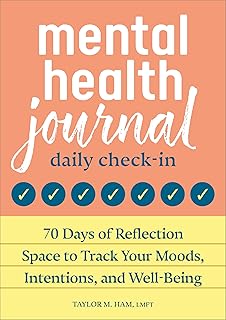
What You'll Learn

Stress reduction through daily writing
Journaling for just 15–20 minutes daily can significantly lower stress levels by providing a structured outlet for emotions and thoughts. Research from the University of Texas suggests that expressive writing, particularly about stressors, reduces cortisol levels and improves mood. Unlike venting verbally, writing allows for reflection without immediate judgment, helping to clarify problems and identify patterns. For maximum benefit, focus on describing emotions, exploring causes of stress, and brainstorming solutions rather than simply recounting events.
Consider the process as a mental decluttering tool. Start by setting a timer to avoid overthinking and write freely, ignoring grammar or structure. Use prompts like, *“What’s weighing on me today?”* or *“How can I reframe this situation?”* to guide your thoughts. For those new to journaling, begin with 5–10 minutes daily and gradually increase. Consistency matters more than duration—even brief entries can interrupt the cycle of rumination that fuels stress.
Comparing journaling to other stress-relief methods highlights its accessibility and depth. While meditation focuses on mindfulness, journaling actively engages problem-solving skills. Unlike exercise, it requires no physical exertion, making it ideal for all ages and abilities. A study in *Advances in Psychiatric Treatment* found that journaling is particularly effective for individuals who struggle with verbalizing emotions, offering a private space to process feelings without pressure.
Practical tips can enhance the stress-reducing effects of journaling. Keep your journal in a visible, easily accessible place to foster habit formation. Experiment with formats—bullet points, lists, or even doodles—to keep the practice engaging. For added structure, try the *“Worry Time”* technique: dedicate 10 minutes daily to write down anxieties, then close the journal, symbolically containing those thoughts. Over time, this practice trains the brain to compartmentalize stress, reducing its impact on daily life.
Incorporating journaling into a broader self-care routine amplifies its benefits. Pair it with deep breathing exercises before writing to calm the mind, or review entries weekly to track progress and celebrate small victories. For teens and young adults, digital journaling apps with prompts can make the practice feel less daunting. Ultimately, the goal is not to eliminate stress but to develop resilience—and daily writing is a powerful, evidence-backed tool to achieve that.
Finding Support: Where to Seek Help for Depression and Healing
You may want to see also
Explore related products

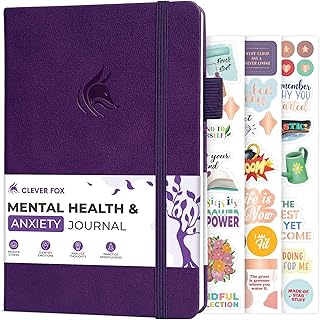


Tracking mood patterns for self-awareness
Journaling isn't just about recording daily events; it's a powerful tool for deciphering the intricate language of your emotions. By tracking mood patterns, you transform scattered feelings into actionable insights, fostering a deeper understanding of yourself. This practice goes beyond mere venting—it’s about identifying triggers, recognizing cycles, and uncovering hidden connections between your thoughts, behaviors, and emotional states.
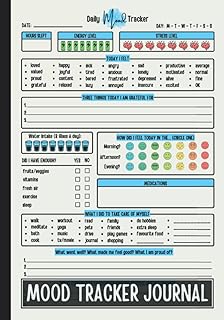
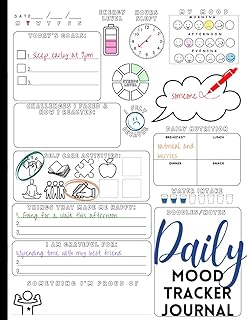
To begin tracking mood patterns effectively, establish a consistent journaling routine. Dedicate 5–10 minutes daily to rate your mood on a scale of 1 to 10, noting any significant events, stressors, or achievements. Pair this with brief reflections on physical sensations, energy levels, and social interactions. For instance, a sudden drop in mood might correlate with poor sleep or skipping meals. Over time, these entries become a data set, revealing trends like premenstrual irritability, midweek burnout, or post-social anxiety. Tools like color-coding or mood charts can visually amplify these patterns, making them easier to interpret.
While tracking moods is insightful, it’s crucial to approach this practice with caution. Avoid over-analyzing or labeling yourself based on temporary fluctuations. Mood tracking is not a diagnostic tool but a mirror for self-reflection. If patterns suggest persistent issues—such as prolonged sadness or frequent anxiety spikes—consult a mental health professional. Additionally, resist the urge to force positivity; acknowledge all emotions without judgment. The goal is not to eliminate negative moods but to understand and manage them constructively.
The true value of tracking mood patterns lies in its ability to empower proactive self-care. Once you identify recurring triggers, you can experiment with targeted interventions. For example, if evening journaling reveals stress peaks on Mondays, consider scheduling a relaxing activity or setting boundaries at work. Similarly, recognizing seasonal mood dips might prompt you to increase sunlight exposure or seek social support. By translating patterns into actionable strategies, you shift from passive observation to active transformation, turning journaling into a catalyst for mental well-being.
Empowering Change: Simple Ways You Can Make a Difference Today
You may want to see also
Explore related products


Processing emotions and trauma effectively
Journaling serves as a powerful tool for processing emotions and trauma, offering a private, non-judgmental space to explore and articulate complex feelings. Unlike verbal communication, writing allows for unfiltered expression, enabling individuals to confront emotions that may feel overwhelming or taboo. Research suggests that expressive writing, particularly about traumatic events, can reduce stress and improve mental health outcomes. For instance, a study published in the *Journal of Traumatic Stress* found that participants who wrote about their deepest thoughts and feelings regarding trauma experienced significant decreases in symptoms of depression and anxiety over time. This process doesn’t require perfection—it’s about raw, honest engagement with one’s inner world.
To effectively process trauma through journaling, structure can enhance its therapeutic benefits. Start by setting aside 15–20 minutes daily in a quiet, distraction-free environment. Begin with a prompt like, “What emotions am I avoiding?” or “How has this event changed me?” Write continuously without editing or censoring. Over time, introduce reflective questions such as, “What patterns do I notice in my responses?” or “What small step can I take toward healing today?” For those dealing with severe trauma, pairing journaling with professional therapy is crucial, as unguided exploration can sometimes exacerbate distress. Tools like bullet journaling or gratitude lists can also complement deeper emotional work by fostering mindfulness and perspective.
A comparative analysis reveals that journaling differs from other emotional processing methods, such as talking or meditation, in its ability to create a tangible record of progress. This written archive allows individuals to track changes in their emotional state, identify triggers, and celebrate growth. For example, a person journaling about grief might notice a shift from anger-dominated entries to reflections on acceptance and resilience. Unlike verbal therapy, journaling offers the flexibility to revisit and reframe past entries, providing ongoing opportunities for insight. However, it’s less effective for immediate crisis intervention, where real-time support is essential.
Persuasively, journaling’s accessibility makes it a democratized form of self-care. It requires nothing more than a pen and paper, yet its impact can rival more resource-intensive interventions. For adolescents and young adults, who often face barriers to mental health care, journaling offers a low-stakes way to explore emotions and build coping skills. A study in *Psychological Science* found that college students who engaged in expressive writing reported fewer health center visits for emotional distress. Encouraging this practice in schools or community programs could foster emotional literacy and resilience from a young age.
In conclusion, journaling is not merely a passive activity but an active process of emotional alchemy, transforming raw pain into understanding and growth. Its effectiveness lies in its simplicity, adaptability, and capacity to hold space for even the most difficult emotions. By committing to this practice with intention and patience, individuals can unlock profound healing and self-awareness. Whether used as a standalone tool or in conjunction with therapy, journaling remains a timeless, evidence-backed method for navigating the complexities of the human heart.
Animal Companionship: Boosting Mental Health and Emotional Well-Being in Humans
You may want to see also
Explore related products


Enhancing mindfulness and focus
Journaling cultivates mindfulness by anchoring you in the present moment, a practice backed by studies showing that expressive writing reduces rumination and enhances emotional clarity. When you commit thoughts to paper, you externalize mental clutter, creating space to observe your experiences without judgment. This process mirrors mindfulness meditation, but with the added benefit of a tangible record for reflection. For optimal results, dedicate 10-15 minutes daily to journaling, focusing on sensory details and emotions rather than narrative. Avoid overthinking; let the words flow freely to maximize the grounding effect.
Consider the act of journaling as a mental decluttering tool. Just as organizing a physical space improves focus, structuring your thoughts on paper sharpens mental clarity. Research indicates that journaling about goals and progress increases attentional control, particularly in adults aged 18-45. To enhance focus, try the "bullet journaling" method, which combines task lists with reflective prompts. For instance, pair a daily to-do list with a section for noting distractions. Over time, this practice trains your brain to recognize and redirect attention, improving productivity and mindfulness in tandem.
A persuasive argument for journaling’s role in focus lies in its ability to combat cognitive overload. In a world where the average person processes 34 gigabytes of information daily, journaling acts as a cognitive filter. By prioritizing thoughts and emotions, you train your brain to distinguish between noise and signal. Start with a simple prompt like, "What’s occupying my mind right now?" and write for 5 minutes without pause. This exercise not only clears mental bandwidth but also strengthens the prefrontal cortex’s role in attention regulation, as supported by neuroimaging studies.
Comparing journaling to other mindfulness practices highlights its unique advantages. Unlike meditation, which requires stillness, journaling accommodates restless minds by engaging both hemispheres of the brain. Unlike verbal therapy, it offers privacy and immediacy, allowing for unfiltered expression. To maximize focus, combine journaling with breathwork: take three deep breaths before writing to center yourself. This hybrid approach leverages journaling’s cognitive benefits while incorporating the physiological calming effects of mindful breathing, making it a potent tool for sustained attention.
Finally, journaling’s impact on mindfulness and focus is amplified through consistency and specificity. A study published in *Psychological Science* found that participants who wrote about their emotions with detail experienced greater emotional regulation and focus than those who wrote generically. Incorporate sensory details—what you see, hear, or feel—to deepen engagement. For example, instead of "I felt stressed," write, "My shoulders tensed as the deadline loomed." This level of detail not only enhances mindfulness but also creates a vivid record for future reflection, reinforcing focus and self-awareness over time.
Supporting Loved Ones: Strategies to Assist Those Denying Mental Health Struggles
You may want to see also
Explore related products


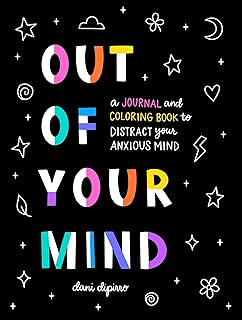
Building gratitude and positive thinking habits
Journaling isn't just about recording daily events; it's a powerful tool for rewiring your brain towards gratitude and positivity. Research suggests that consistently writing down things you're grateful for can significantly improve mental well-being. A study published in the *Journal of Positive Psychology* found that participants who wrote gratitude journals for just 10 weeks reported higher levels of optimism and life satisfaction compared to those who didn’t. The act of acknowledging the good in your life, no matter how small, trains your brain to focus on positivity rather than negativity.
To build a gratitude habit, start small. Dedicate five minutes each morning or evening to jot down three things you’re thankful for. These can be as simple as a warm cup of coffee, a kind word from a friend, or a beautiful sunset. The key is consistency. Over time, this practice shifts your mindset, making it easier to spot silver linings in challenging situations. For added impact, try elaborating on why you’re grateful for each item. This deepens the emotional connection and reinforces the positive memory.
Positive thinking doesn’t mean ignoring problems; it’s about approaching them with a constructive mindset. Journaling can help here too. When faced with a difficult situation, write down the facts, your emotions, and potential solutions. Then, reframe the problem by asking, “What’s one positive outcome that could come from this?” For example, instead of dwelling on a missed opportunity, focus on the lessons learned or the doors it might open. This technique, known as cognitive reframing, is backed by cognitive-behavioral therapy principles and can be practiced daily through journaling.
One caution: avoid forcing positivity. If you’re having a bad day, it’s okay to write about your struggles. Authenticity is crucial for journaling to be effective. Instead of pretending everything is perfect, acknowledge your feelings and then gently guide your thoughts toward what’s going well. For instance, you might write, “Today was hard, but I’m grateful I had a supportive friend to talk to.” This balanced approach fosters resilience and genuine optimism.
Incorporating gratitude and positive thinking into your journaling practice doesn’t require hours of writing. Even a few minutes daily can yield significant benefits. For teens and adults alike, this habit can improve mood, reduce stress, and enhance overall mental clarity. Pair it with other mindfulness practices, like deep breathing or meditation, for amplified results. Remember, the goal isn’t to eliminate negativity but to cultivate a mindset that sees possibility and goodness, even in the face of adversity. Start today—grab a notebook, set a timer, and watch your perspective transform.
Seeking Support: A Guide to Asking for Mental Health Help
You may want to see also
Frequently asked questions
Yes, journaling can help reduce stress and anxiety by allowing you to express and process your thoughts and emotions, providing clarity and a sense of release.
Consistency is key; journaling daily or a few times a week can yield the most significant mental health benefits, but even occasional entries can be helpful.
Absolutely, journaling helps improve mood by fostering self-reflection, gratitude, and identifying patterns that may affect emotional well-being.
There’s no one-size-fits-all approach; you can write freely, use prompts, or practice gratitude journaling—whatever feels most natural and beneficial for you.
While journaling is a valuable tool for self-care and emotional processing, it is not a substitute for professional therapy, especially for severe mental health conditions.