Ava Ramirez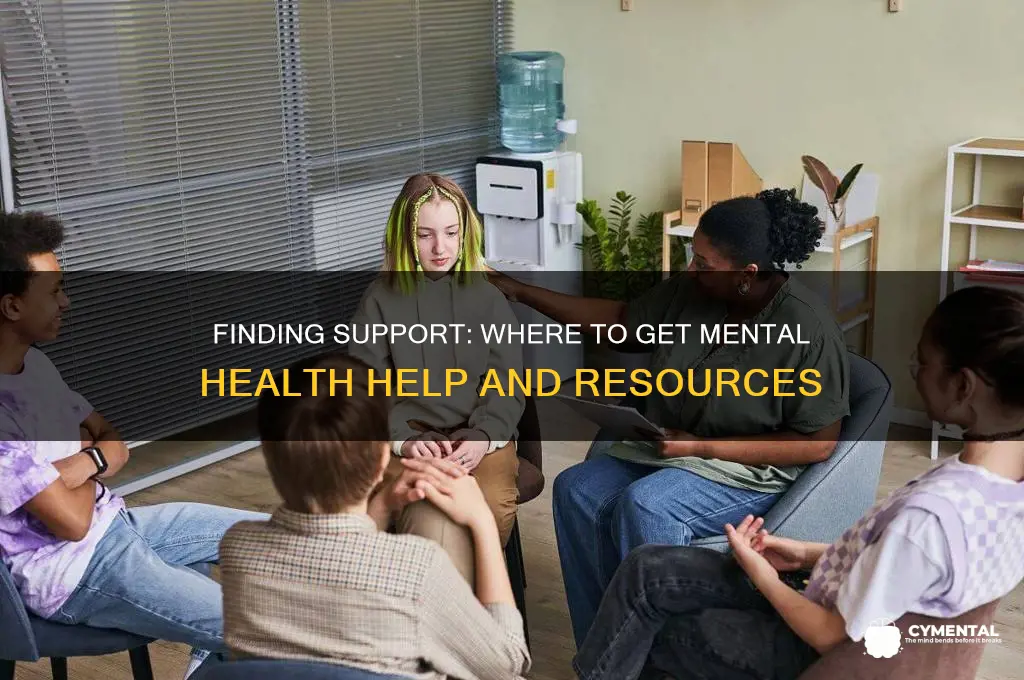
Seeking help for mental health is a crucial step toward well-being, and there are numerous resources available to support individuals in need. From professional services like therapists, psychologists, and psychiatrists to community-based organizations and online platforms, options vary depending on personal preferences and needs. Many countries offer free or subsidized mental health services through public healthcare systems, while private practices and telehealth platforms provide additional flexibility. Support groups, hotlines, and crisis intervention services are also available for immediate assistance. Additionally, educational resources and self-help tools can empower individuals to manage their mental health proactively. Recognizing the importance of reaching out is the first step, and knowing where to turn ensures that no one has to face their struggles alone.
| Characteristics | Values |
|---|---|
| Types of Help | Therapy, Counseling, Medication Management, Support Groups, Crisis Hotlines, Online Resources, Peer Support, Residential Treatment, Hospitalization |
| Providers | Psychiatrists, Psychologists, Licensed Therapists, Social Workers, Counselors, Primary Care Physicians, Nurse Practitioners, Peer Specialists |
| Settings | Private Practices, Community Mental Health Centers, Hospitals, Clinics, Schools, Universities, Online Platforms, Support Group Meetings |
| Cost | Varies widely; may be covered by insurance, sliding scale fees, free/low-cost options available, government-funded programs |
| Accessibility | In-person, Telehealth (video/phone), Mobile Apps, Websites, 24/7 Hotlines, Walk-in Clinics |
| Specializations | Anxiety, Depression, PTSD, Bipolar Disorder, Schizophrenia, Eating Disorders, Addiction, Child/Adolescent Mental Health, Geriatric Mental Health |
| Cultural Sensitivity | Culturally competent providers, multilingual services, LGBTQIA+ affirming care, faith-based counseling |
| Emergency Services | Crisis Hotlines (e.g., 988 in the U.S.), Emergency Rooms, Mobile Crisis Units, Suicide Prevention Lifelines |
| Self-Help Resources | Books, Online Articles, Apps (e.g., Calm, Headspace), Podcasts, Workshops, Webinars |
| Referral Sources | Primary Care Doctors, School Counselors, Employers (EAPs), Community Organizations, Online Directories (e.g., Psychology Today, SAMHSA) |
| Confidentiality | Protected by HIPAA (U.S.) and similar laws in other countries, exceptions for risk of harm |
| Wait Times | Varies by location and provider; can range from immediate (crisis services) to several weeks/months for regular therapy |
| Support for Families | Family Therapy, Parenting Classes, Support Groups for Caregivers, Educational Resources |
| Prevention Programs | School-based initiatives, Workplace Wellness Programs, Community Outreach, Public Awareness Campaigns |
| Global Availability | Varies by country; developed countries often have more resources, but international helplines and NGOs provide support globally |
Explore related products


What You'll Learn
- Local Mental Health Clinics: Find community-based clinics offering therapy, counseling, and psychiatric services for accessible support
- Online Therapy Platforms: Access licensed therapists and counselors remotely via video, chat, or phone sessions
- Support Hotlines: Call or text crisis hotlines for immediate emotional support and guidance in emergencies
- Support Groups: Join peer-led or professional groups for shared experiences, coping strategies, and community connection
- Employee Assistance Programs (EAPs): Utilize workplace resources for confidential mental health support and counseling services

Local Mental Health Clinics: Find community-based clinics offering therapy, counseling, and psychiatric services for accessible support
Local mental health clinics are often the cornerstone of accessible care, providing a range of services within the communities they serve. These clinics typically offer therapy, counseling, and psychiatric evaluations, ensuring that individuals can access support without the barriers of long wait times or high costs. For instance, many community-based clinics operate on a sliding fee scale, adjusting charges based on income, which makes professional help feasible for those with financial constraints. This model not only democratizes access but also fosters a sense of trust, as services are delivered by professionals who understand the local context and cultural nuances.
To locate a local mental health clinic, start by searching online directories such as the Substance Abuse and Mental Health Services Administration (SAMHSA) Treatment Locator or contacting your county’s health department. Many clinics also partner with schools, churches, or community centers, so reaching out to these institutions can yield valuable referrals. Once identified, inquire about the specific services offered—some clinics specialize in areas like trauma, addiction, or family therapy, while others provide comprehensive care. Additionally, ask about appointment availability; some clinics offer same-day or walk-in services for urgent needs, though this varies by location and funding.
One of the standout advantages of local clinics is their ability to integrate care into daily life. Unlike larger, more impersonal facilities, these clinics often emphasize continuity of care, with the same therapist or counselor working with clients over time. This consistency builds rapport and allows for more personalized treatment plans. For example, a clinic might pair a client with a therapist who speaks their native language or understands their cultural background, enhancing communication and trust. Such tailored approaches are particularly beneficial for marginalized communities, where mental health stigma or language barriers might otherwise deter seeking help.
However, it’s important to note that local clinics may face limitations due to funding or resource constraints. Services might be more basic compared to private practices, and wait times can still be an issue in underserved areas. To maximize the benefits, arrive prepared for your first visit: bring a list of symptoms, concerns, and any medications you’re taking. If you’re seeking psychiatric services, be aware that some clinics may require a referral from a primary care provider or therapist. Finally, don’t hesitate to ask about follow-up care or community resources; many clinics offer group therapy, workshops, or referrals to additional support systems.
In conclusion, local mental health clinics serve as vital hubs for accessible, community-centered care. By offering therapy, counseling, and psychiatric services tailored to local needs, they bridge gaps in mental health support. While they may not replace specialized care in all cases, their affordability, cultural sensitivity, and integration into daily life make them an invaluable resource. Whether you’re seeking help for yourself or a loved one, these clinics provide a practical starting point for navigating the journey toward mental wellness.
Do Mental Hospitals Help: Exploring Effectiveness and Patient Outcomes
You may want to see also
Explore related products





Online Therapy Platforms: Access licensed therapists and counselors remotely via video, chat, or phone sessions
Online therapy platforms have revolutionized mental health care by breaking down geographical and logistical barriers. With just a smartphone or computer, individuals can connect with licensed therapists and counselors from anywhere in the world. This accessibility is particularly beneficial for those in remote areas, with busy schedules, or who prefer the comfort of their own space. Platforms like BetterHelp, Talkspace, and Calmerry offer flexible options, including video, chat, and phone sessions, ensuring users can choose the format that best suits their needs. For instance, someone with social anxiety might start with text-based therapy before transitioning to video sessions as they feel more comfortable.
One of the standout advantages of online therapy is its convenience. Traditional in-person therapy often requires commuting, waiting rooms, and rigid scheduling, which can deter individuals from seeking help. Online platforms eliminate these hurdles, allowing users to schedule sessions during lunch breaks, after work, or even on weekends. Additionally, many platforms offer 24/7 messaging, enabling users to reach out in moments of distress. For example, a person experiencing insomnia can message their therapist at 2 a.m. for immediate support, a level of accessibility unheard of in traditional settings.
However, online therapy isn’t a one-size-fits-all solution. While it’s ideal for managing conditions like anxiety, depression, and stress, it may not be suitable for severe mental health crises or disorders requiring intensive intervention. Users should also be cautious of platform credibility—ensure the therapists are licensed and the platform adheres to privacy regulations like HIPAA in the U.S. Reading reviews and understanding the platform’s policies can help avoid subpar services. For instance, some platforms offer a therapist-matching process, but users may need to switch therapists once or twice to find the right fit.
Cost is another critical factor. Online therapy is often more affordable than in-person sessions, with prices ranging from $60 to $90 per week, depending on the platform and plan. Some platforms accept insurance, while others offer financial aid for those with limited resources. For example, Open Path Collective connects users with affordable therapists, making mental health care more accessible to low-income individuals. Despite these benefits, users should weigh the costs against their budget and explore free resources like support groups or hotlines if needed.
In conclusion, online therapy platforms are a game-changer for mental health accessibility, offering flexibility, convenience, and affordability. While they may not replace traditional therapy for everyone, they provide a viable and effective option for many. By understanding their limitations, ensuring platform credibility, and considering cost, individuals can leverage these tools to take control of their mental well-being. Whether through video, chat, or phone sessions, the ability to connect with a licensed professional remotely has made mental health care more inclusive than ever.
Ice Bucket Challenge: Uniting Communities, Raising Awareness, and Boosting Mental Health
You may want to see also
Explore related products


Support Hotlines: Call or text crisis hotlines for immediate emotional support and guidance in emergencies
In moments of crisis, when emotions feel overwhelming and thoughts spiral out of control, immediate support can be a lifeline. Support hotlines offer exactly that—a direct connection to trained professionals who provide emotional grounding and practical guidance. These services are available 24/7, ensuring help is just a call or text away, regardless of the hour. For instance, the National Suicide Prevention Lifeline (988 in the U.S.) connects individuals to counselors who can de-escalate emergencies and offer coping strategies. Similarly, the Crisis Text Line (text HOME to 741741) provides silent, discreet support for those who prefer texting over speaking. These hotlines are not just for suicidal crises; they assist with anxiety, depression, trauma, and any situation where emotional support is urgently needed.
The effectiveness of support hotlines lies in their accessibility and immediacy. Unlike therapy appointments, which require scheduling and waiting, hotlines provide instant relief. This is particularly crucial for individuals experiencing acute distress, as delays can exacerbate their condition. For example, a person having a panic attack can call a hotline and receive breathing exercises and calming techniques in real time. Moreover, hotlines are staffed by professionals trained in active listening and crisis intervention, ensuring callers feel heard and validated. This immediate human connection can prevent isolation and provide a sense of hope during dark moments.
While hotlines are invaluable in emergencies, it’s important to recognize their limitations. They are not a substitute for long-term mental health treatment, such as therapy or medication. Instead, they serve as a bridge—a temporary resource to stabilize individuals until they can access ongoing care. For instance, a hotline counselor might help someone create a safety plan during a call and then encourage them to follow up with a mental health provider. Additionally, hotlines are not equipped to handle physical emergencies; in such cases, calling 911 is essential. Understanding these boundaries ensures hotlines are used effectively as part of a broader support system.
Practical tips can maximize the benefits of using a support hotline. First, keep a list of relevant numbers (e.g., 988, 741741) in an easily accessible place, such as your phone or wallet. If you’re hesitant to call, start with a text-based service, which can feel less intimidating. During the conversation, be honest about your feelings—the more information you provide, the better the counselor can assist. If you’re calling on behalf of someone else, stay calm and follow the counselor’s instructions to ensure safety. Finally, remember that reaching out is a sign of strength, not weakness. Hotlines are designed to help, and using them can be the first step toward healing.
Revitalize Your Mind: Strategies to Overcome Mental Exhaustion Effectively
You may want to see also
Explore related products


$15.71 $20

$12.14 $19.99


Support Groups: Join peer-led or professional groups for shared experiences, coping strategies, and community connection
Support groups offer a unique blend of empathy and practical advice, making them a powerful resource for mental health. Unlike one-on-one therapy, these groups harness the collective wisdom of individuals facing similar challenges. Whether led by peers or professionals, they provide a safe space to share experiences, learn coping strategies, and build a sense of belonging. For instance, groups like the National Alliance on Mental Illness (NAMI) Family Support Group cater to relatives of those with mental illness, offering structured sessions to navigate caregiving challenges.
Consider the structure of these groups as a key factor in their effectiveness. Peer-led groups, often free and community-based, foster a sense of equality and mutual understanding. Participants take turns sharing their stories, offering insights, and holding each other accountable. In contrast, professionally led groups, typically facilitated by therapists or counselors, provide a more structured environment with evidence-based techniques. For example, a cognitive-behavioral therapy (CBT) group might focus on identifying and challenging negative thought patterns, with sessions lasting 90 minutes weekly for 12 weeks.
Choosing the right group depends on your needs and preferences. If you’re seeking a sense of community and shared experience, a peer-led group like Depression and Bipolar Support Alliance (DBSA) chapters might be ideal. These groups often meet weekly in local community centers or online, with no cost to participants. For more targeted interventions, professionally led groups, such as those offered by mental health clinics or hospitals, may be more suitable. These often require a referral and may involve a fee, but they provide access to specialized expertise.
Practical tips can enhance your experience in a support group. First, commit to regular attendance; consistency builds trust and allows for deeper connections. Second, be open but respectful—share your experiences honestly while being mindful of others’ boundaries. Third, take notes during sessions to reflect on insights and strategies later. Finally, don’t hesitate to try multiple groups to find the right fit. For online groups, ensure the platform is secure and moderated to protect your privacy.
The takeaway is clear: support groups are not just about talking; they’re about transforming isolation into connection and helplessness into action. Whether you’re dealing with anxiety, grief, or chronic illness, these groups offer a structured yet compassionate environment to heal and grow. By leveraging the power of shared experiences, they remind us that we’re not alone—and that together, we can navigate even the toughest challenges.
Can You Force Someone to Get Mental Help? Ethical and Legal Considerations
You may want to see also
Explore related products



Employee Assistance Programs (EAPs): Utilize workplace resources for confidential mental health support and counseling services
Workplaces are increasingly recognizing the importance of mental health, and many offer Employee Assistance Programs (EAPs) as a confidential resource for employees. These programs provide access to professional counseling and support services, often at no cost to the employee. If you’re struggling with stress, anxiety, depression, or other mental health challenges, your EAP can be a valuable first step toward getting help.
How EAPs Work: Most EAPs offer a set number of counseling sessions (typically 3–6) with licensed therapists or counselors. These sessions are completely confidential, meaning your employer won’t know you’re using the service unless you choose to disclose it. EAPs often cover a range of issues, from work-related stress to personal challenges like relationship problems or grief. Some programs also provide referrals to long-term therapy or specialized resources if additional support is needed.
Accessing Your EAP: Start by checking your company’s intranet, employee handbook, or benefits portal for EAP details. If you’re unsure, contact your HR department—they can provide contact information and explain how to schedule an appointment. Many EAPs also offer 24/7 hotlines for immediate assistance, which can be particularly helpful during crises. Remember, using your EAP is a sign of strength, not weakness, and it’s a practical way to address mental health concerns before they escalate.
What to Expect: During your first EAP session, the counselor will assess your needs and discuss potential next steps. Sessions are typically 45–60 minutes long and can be conducted in person, over the phone, or via video call, depending on your preference and the program’s offerings. EAP counselors are trained to provide short-term solutions and coping strategies, but they can also help you navigate longer-term care if necessary.
Maximizing EAP Benefits: To get the most out of your EAP, be honest about your concerns during sessions. If you feel the counselor isn’t a good fit, don’t hesitate to ask for a different provider. Additionally, explore other EAP resources, such as legal or financial counseling, which are often included in these programs. By leveraging your workplace’s EAP, you can take proactive steps toward improving your mental health while maintaining confidentiality and convenience.
Music's Power: Boosting Middle Schoolers' Mental Health and Well-Being
You may want to see also
Frequently asked questions
Many community health centers, local nonprofits, and government-funded programs offer free or sliding-scale mental health services. Websites like SAMHSA (Substance Abuse and Mental Health Services Administration) and MentalHealth.gov provide directories to locate affordable care.
You can seek help through community clinics, telehealth platforms offering free consultations, or organizations like the National Alliance on Mental Illness (NAMI) and Crisis Text Line. Some therapists also offer pro bono or reduced-fee sessions.
Yes, platforms like BetterHelp, Talkspace, and 7 Cups provide online therapy and counseling. Additionally, apps like Calm, Headspace, and Sanvello offer tools for stress and anxiety management.
In an emergency, call 911 or the National Suicide Prevention Lifeline at 988. You can also visit the nearest emergency room for immediate assistance.
Use online directories like Psychology Today, GoodTherapy, or Zencare to filter by location, specialty, and insurance. Many therapists offer free consultations to help you determine if they’re a good fit.