Harper Lewis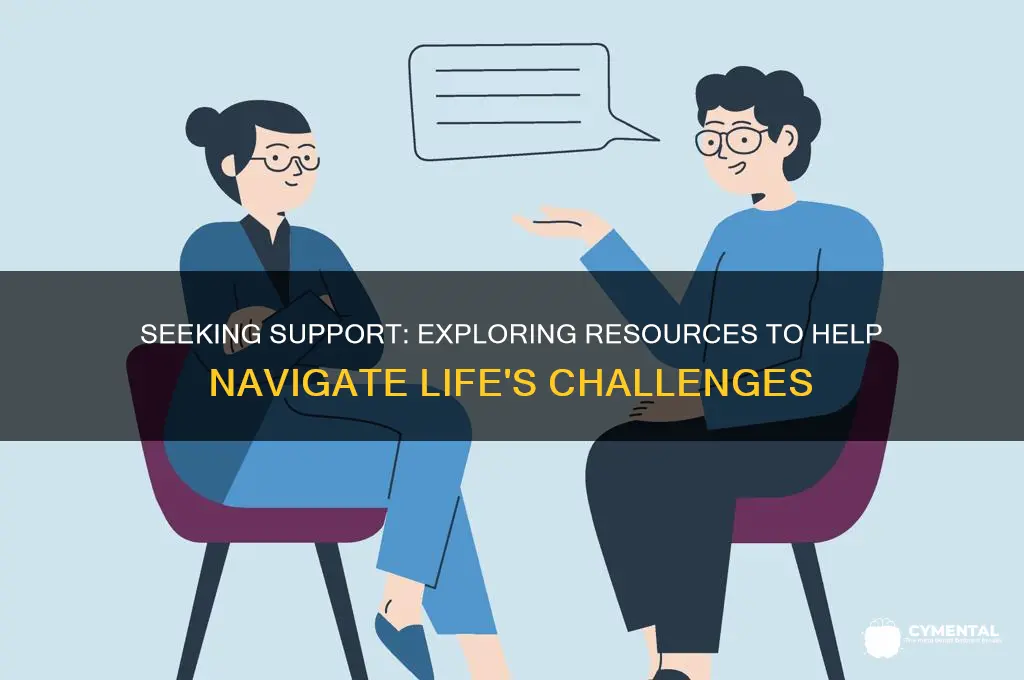
In today's fast-paced and often overwhelming world, many individuals find themselves grappling with challenges, whether they be personal, professional, or emotional, and wonder if there are resources or support systems available to help them navigate these difficulties. The question Is there anything to help? reflects a universal human need for assistance, guidance, and relief, and it opens up a conversation about the myriad of tools, strategies, and communities that exist to provide aid. From mental health resources and self-care practices to technological solutions and social networks, exploring the possibilities can offer hope and practical solutions to those seeking support in their journey toward well-being and success.
Explore related products


What You'll Learn
- Mental Health Support: Therapy, hotlines, apps, and self-care strategies for emotional well-being
- Financial Assistance: Grants, loans, scholarships, and budgeting tools to manage money
- Health Resources: Medical aid, insurance, clinics, and wellness programs for physical health
- Educational Tools: Tutoring, online courses, libraries, and study guides for learning
- Community Aid: Food banks, shelters, legal help, and local support networks

Mental Health Support: Therapy, hotlines, apps, and self-care strategies for emotional well-being
Therapy stands as a cornerstone of mental health support, offering structured, evidence-based interventions tailored to individual needs. Cognitive Behavioral Therapy (CBT), for instance, is proven effective for anxiety and depression, typically delivered in 12–20 sessions. Dialectical Behavior Therapy (DBT) focuses on emotional regulation and is particularly beneficial for borderline personality disorder. Therapy isn’t one-size-fits-all; modalities like psychodynamic therapy explore deeper emotional roots, while solution-focused brief therapy provides quick, goal-oriented strategies. Access has expanded with teletherapy, making it easier to connect with licensed professionals from home. However, consistency is key—attending sessions regularly maximizes benefits, even when progress feels slow.
Hotlines serve as immediate lifelines during crises, offering anonymity and 24/7 availability. The National Suicide Prevention Lifeline (988 in the U.S.) connects individuals with trained counselors who de-escalate emergencies and provide resources. Text-based services like Crisis Text Line (text HOME to 741741) cater to those uncomfortable with voice calls. For specific populations, hotlines like The Trevor Project (LGBTQ+ youth) or the Veterans Crisis Line offer specialized support. These services aren’t just for suicidal moments—they assist with overwhelming stress, loneliness, or uncertainty. While not a long-term solution, hotlines bridge gaps until more sustained care can begin.
Mental health apps democratize access to tools for emotional well-being, blending convenience with technology. Headspace and Calm use guided meditation to reduce stress, while Moodpath tracks symptoms to identify patterns of depression or anxiety. Apps like Woebot employ AI-driven CBT techniques, providing real-time coping strategies. However, efficacy varies—some apps lack clinical validation, so users should prioritize those backed by research. Incorporating these tools into daily routines, such as 10 minutes of meditation or mood logging, can foster mindfulness and self-awareness. They’re not replacements for therapy but valuable supplements for proactive self-care.
Self-care strategies form the foundation of emotional resilience, encompassing physical, mental, and social practices. Regular exercise, even 30 minutes of brisk walking daily, boosts endorphins and reduces anxiety. Sleep hygiene—maintaining a consistent sleep schedule and limiting screen time before bed—is critical for mood regulation. Journaling helps process emotions, while setting boundaries in relationships preserves mental energy. Creative outlets like painting or music provide catharsis, and mindfulness practices like deep breathing activate the parasympathetic nervous system, calming stress responses. These strategies require intentionality but yield compounding benefits over time, empowering individuals to take charge of their mental health.
Ice Bucket Challenge: Uniting Communities, Raising Awareness, and Boosting Mental Health
You may want to see also
Explore related products


Financial Assistance: Grants, loans, scholarships, and budgeting tools to manage money
Financial assistance comes in many forms, each tailored to different needs and circumstances. Grants, for instance, are often need-based or project-specific, offering funds that don’t require repayment. For example, the Federal Pell Grant provides up to $7,395 annually for low-income undergraduate students, while the Small Business Innovation Research (SBIR) program awards grants to startups for research and development. Understanding eligibility criteria—such as income level, academic performance, or business viability—is crucial to securing these opportunities. Grants are ideal for those seeking non-repayable aid but require thorough research and a compelling application.
Loans, on the other hand, are a common but riskier form of financial assistance. Federal student loans, like the Direct Subsidized Loan, offer lower interest rates (currently 5.5% for undergraduates) and flexible repayment plans, including income-driven options that cap payments at 10-20% of discretionary income. Private loans, while often faster to secure, carry higher interest rates (typically 8-12%) and fewer protections. Before borrowing, calculate the total cost of repayment using tools like the Federal Student Aid Loan Simulator to avoid long-term financial strain. Loans are best for those with a clear plan to manage debt responsibly.
Scholarships bridge the gap between grants and loans, offering merit-based or niche-specific funding without repayment. For instance, the Coca-Cola Scholars Program awards $20,000 to 150 high school seniors annually based on leadership and academic achievement, while the "Weird" Scholarship, like the $1,500 Duck Brand Duct Tape Stuck on Prom Contest, targets unique talents. To maximize scholarship potential, create a spreadsheet tracking deadlines, requirements, and essay prompts. Dedicate 5-10 hours weekly to applications, and tailor responses to align with each sponsor’s mission for higher success rates.
Budgeting tools are essential for managing any financial assistance effectively. Apps like Mint and YNAB (You Need A Budget) sync with bank accounts to track spending, set goals, and alert users to overspending. For manual trackers, the 50/30/20 rule—allocating 50% of income to needs, 30% to wants, and 20% to savings—provides a simple framework. Pair these tools with habits like automating savings and reviewing expenses monthly to build financial resilience. Whether you’re a student, entrepreneur, or individual, mastering budgeting ensures that grants, loans, or scholarships are used wisely.
In conclusion, financial assistance is not one-size-fits-all. Grants and scholarships offer non-repayable aid but require effort to secure, while loans provide immediate relief but demand careful management. Budgeting tools, meanwhile, are the backbone of financial stability, ensuring every dollar is accounted for. By understanding these options and their nuances, individuals can navigate their financial journeys with confidence and clarity.
Reading the Bible: A Path to Mental Health and Healing?
You may want to see also
Explore related products


Health Resources: Medical aid, insurance, clinics, and wellness programs for physical health
Access to medical aid is a cornerstone of physical health, yet millions worldwide struggle to afford essential treatments. Nonprofit organizations like Direct Relief and the World Health Organization’s Access to Medicines program bridge this gap by providing free or low-cost medications for chronic conditions such as diabetes, hypertension, and asthma. For instance, insulin, a life-saving drug for diabetics, can cost upwards of $300 per vial in the U.S., but these programs often distribute it at a fraction of the price. To leverage these resources, individuals should research local and international aid programs, verify eligibility criteria, and apply promptly, as supplies are often limited.
Health insurance remains a critical tool for managing healthcare costs, but navigating its complexities can be daunting. High-deductible plans, for example, offer lower premiums but require significant out-of-pocket spending before coverage kicks in, making them suitable for healthier individuals. In contrast, comprehensive plans with higher premiums provide immediate coverage for frequent medical needs. To optimize insurance benefits, policyholders should familiarize themselves with preventive care services covered under the Affordable Care Act, such as annual check-ups and vaccinations, which are typically free. Additionally, using in-network providers and understanding prescription drug tiers can significantly reduce expenses.
Community clinics serve as lifelines for underserved populations, offering affordable or sliding-scale services that include primary care, dental care, and mental health support. Federally Qualified Health Centers (FQHCs) are a prime example, providing care to over 30 million Americans annually, regardless of insurance status. These clinics often integrate wellness programs, such as nutrition counseling and smoking cessation classes, to address root causes of poor health. To locate a nearby clinic, individuals can use resources like the Health Resources and Services Administration’s (HRSA) Find a Health Center tool, which filters options by location, services, and payment methods.
Wellness programs, whether employer-sponsored or community-based, play a pivotal role in preventive care by promoting healthy habits and early disease detection. Corporate initiatives often include gym memberships, biometric screenings, and stress management workshops, with studies showing a 28% reduction in healthcare costs for participants. Public programs, such as the CDC’s National Diabetes Prevention Program, offer structured lifestyle interventions proven to reduce the risk of type 2 diabetes by 58% in adults over 60. Engaging in these programs requires commitment, but the long-term benefits—improved energy, reduced medication reliance, and enhanced quality of life—far outweigh the effort.
Comparing these health resources reveals a layered approach to physical well-being: medical aid addresses immediate needs, insurance provides financial protection, clinics offer accessible care, and wellness programs foster long-term health. Each resource has its strengths and limitations, but when combined strategically, they create a robust support system. For instance, someone with insurance might still rely on a community clinic for affordable dental care or join a wellness program to manage chronic conditions proactively. By understanding and utilizing these resources, individuals can take control of their health, ensuring both treatment and prevention are within reach.
Supporting Your Child’s Mental Health: Practical Steps for Parents
You may want to see also
Explore related products


Educational Tools: Tutoring, online courses, libraries, and study guides for learning
Tutoring stands out as a personalized catalyst for academic growth, particularly for students grappling with specific subjects or concepts. Unlike one-size-fits-all classroom instruction, tutoring tailors lessons to individual learning styles, pacing, and challenges. For instance, a math tutor might use visual aids for a kinesthetic learner or break complex problems into manageable steps for a struggling algebra student. Research from the National Tutoring Association shows that students receiving consistent tutoring can see up to a 30% improvement in test scores. To maximize effectiveness, schedule sessions 2–3 times per week, focusing on both problem areas and foundational skills. Parents and students should also communicate goals clearly with the tutor, whether it’s mastering a subject, preparing for exams, or building confidence.
Online courses democratize access to education, offering flexibility and affordability that traditional institutions often lack. Platforms like Coursera, Khan Academy, and edX partner with top universities to provide courses ranging from coding to philosophy, many of which are free or low-cost. For example, a high school student interested in computer science can enroll in MIT’s introductory Python course, while a working professional might pursue a micro-credential in digital marketing. However, self-discipline is critical; without structured deadlines, completion rates can drop below 10%. To succeed, set a realistic study schedule, join online forums for peer support, and leverage tools like Trello or Notion to track progress. For younger learners, parental oversight or a study buddy can enhance accountability.
Libraries remain unsung heroes of lifelong learning, offering more than just books. Modern libraries provide access to e-books, audiobooks, research databases, and even 3D printers, making them invaluable resources for students of all ages. For instance, a college student writing a thesis can access JSTOR through their local library, while a child learning to read can participate in storytime programs. Libraries also serve as quiet study spaces, particularly for those without reliable internet or a conducive home environment. To make the most of this resource, familiarize yourself with the library’s digital offerings, attend workshops on research skills or technology, and utilize interlibrary loan services for hard-to-find materials. Librarians are also excellent guides—don’t hesitate to ask for help.
Study guides are the scaffolding that supports independent learning, transforming overwhelming material into digestible chunks. Effective guides, such as those from CliffsNotes or Princeton Review, condense key concepts, provide practice questions, and offer mnemonic devices for memorization. For example, a student preparing for the SAT might use a study guide to focus on high-frequency vocabulary words or common math formulas. However, reliance on guides alone can lead to superficial understanding; pair them with active learning techniques like flashcards, teaching concepts to others, or applying knowledge to real-world scenarios. For younger learners, visual study guides with diagrams and color-coding can enhance retention. Create personalized guides by summarizing notes, identifying patterns, and reviewing them daily for at least 20 minutes to reinforce memory.
Healing Hooves: How Horses Boost Mental Health and Well-being
You may want to see also
Explore related products


Community Aid: Food banks, shelters, legal help, and local support networks
Food banks are a cornerstone of community aid, addressing immediate hunger needs with practical, accessible solutions. Unlike sporadic charity drives, modern food banks operate as structured systems, often partnering with grocery stores, farms, and donors to redistribute surplus food. For instance, many food banks now offer “choice pantries,” allowing visitors to select items based on their dietary needs or preferences, fostering dignity and reducing waste. To access these services, individuals typically need proof of residence and income; some banks also cater to specific groups, like seniors or veterans, with tailored programs. A practical tip: Call ahead to confirm operating hours and required documentation, as these can vary widely by location.
Shelters provide more than just a roof—they offer a lifeline for those facing homelessness, domestic violence, or displacement. Emergency shelters often provide short-term stays, while transitional housing programs offer longer-term solutions, pairing accommodation with job training, mental health services, or substance abuse counseling. For example, family shelters frequently include on-site childcare and educational programs to stabilize children during crises. A cautionary note: Shelter capacity is often limited, and waitlists are common. To increase your chances of placement, arrive early in the day and bring essential documents like IDs and medical records. For those seeking to help, donating items like hygiene kits or volunteering time can make a tangible difference.
Legal aid organizations bridge the gap between those in need and the often-inaccessible justice system. These services range from free consultations to full representation in cases involving eviction, domestic violence, immigration, or disability claims. For instance, many legal aid clinics host weekly walk-in sessions where attorneys provide advice on pressing issues. A key takeaway: Eligibility for free legal aid is typically income-based, but exceptions exist for vulnerable populations, such as survivors of abuse. Pro bono services from private firms also supplement these efforts, though availability varies by region. To navigate this resource, start by contacting your local legal aid society or using online directories like LawHelp.org.
Local support networks—often grassroots initiatives—fill gaps left by larger institutions, offering everything from meal deliveries to peer counseling. For example, mutual aid groups, which surged during the COVID-19 pandemic, rely on volunteers to provide services like grocery runs, prescription pickups, or emotional support. These networks thrive on community engagement; joining one often requires nothing more than a willingness to contribute time or skills. A comparative advantage of these groups is their flexibility—they can adapt quickly to emerging needs, such as organizing winter clothing drives or advocating for local policy changes. To find or start a network, leverage social media platforms or community bulletin boards, and remember: even small acts of participation can amplify collective impact.
Revitalize Your Mind: Strategies to Overcome Mental Exhaustion Effectively
You may want to see also
Frequently asked questions
Yes, there are several options to help manage stress and anxiety, including mindfulness practices, exercise, therapy, and in some cases, medication prescribed by a healthcare professional.
Absolutely! A balanced diet, regular physical activity, staying hydrated, and getting enough sleep are key. Consulting a nutritionist or doctor can also provide personalized guidance.
Yes, techniques like the Pomodoro method, reducing distractions, practicing mindfulness, and maintaining a healthy lifestyle can significantly improve focus and concentration.
Certainly! Establishing a consistent sleep schedule, creating a relaxing bedtime routine, avoiding screens before bed, and limiting caffeine intake can help improve sleep quality.
Yes, options include physical therapy, medication, acupuncture, mindfulness-based stress reduction, and lifestyle changes like regular exercise and a healthy diet. Always consult a healthcare provider for personalized advice.