Ava Ramirez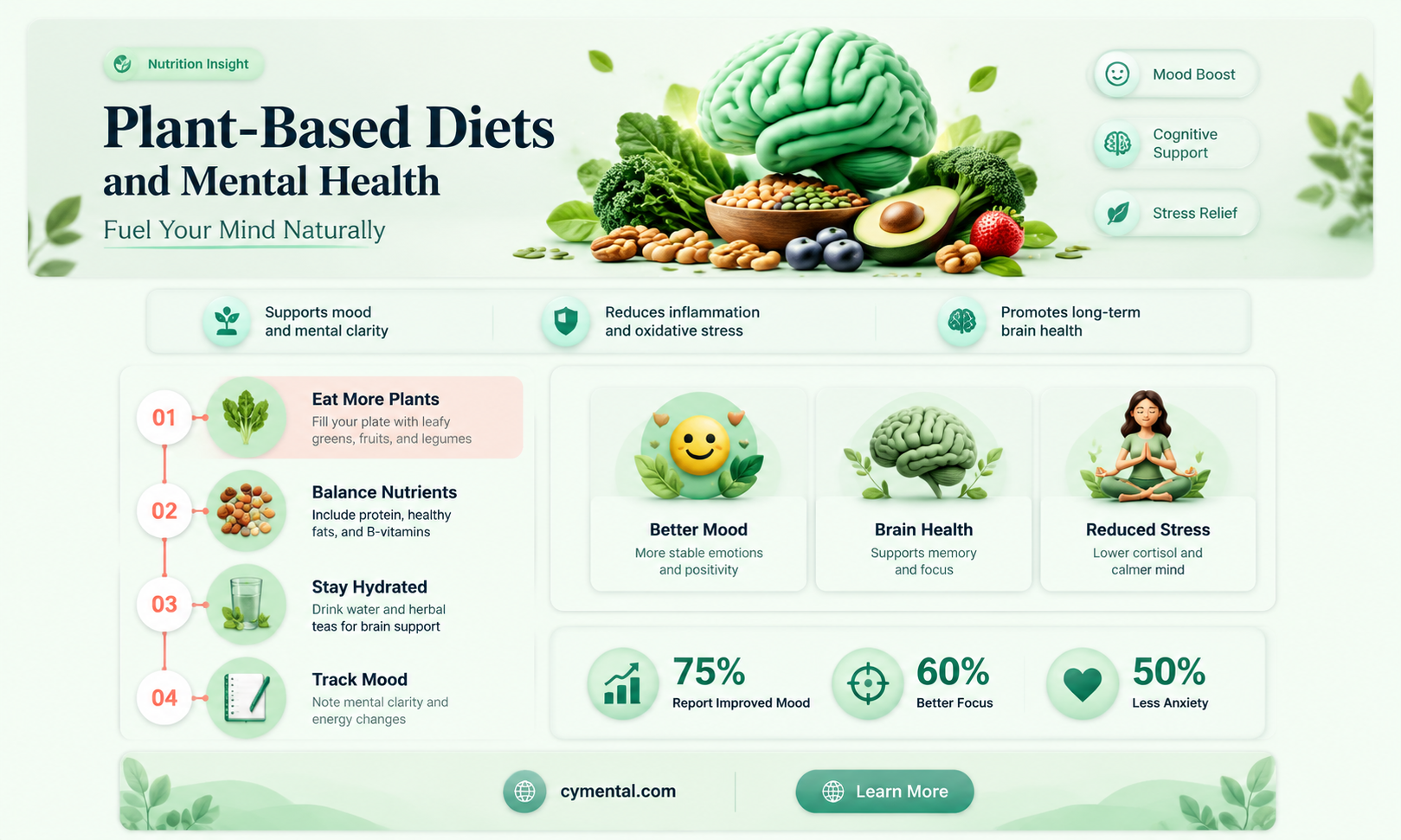
The relationship between diet and mental health has garnered significant attention, with growing interest in whether abstaining from meat can positively impact psychological well-being. Research suggests that plant-based diets, which exclude meat, may reduce symptoms of anxiety, depression, and stress, potentially due to higher intake of nutrients like antioxidants, fiber, and omega-3 fatty acids found in fruits, vegetables, and nuts. Additionally, avoiding processed meats, often linked to inflammation, could mitigate factors contributing to mental health issues. However, individual responses vary, and factors like overall diet quality, lifestyle, and genetic predispositions also play crucial roles. While evidence is promising, further studies are needed to establish a definitive link between meat-free diets and improved mental health.
Explore related products


What You'll Learn
- Reduced Inflammation: Lower inflammation linked to plant-based diets may improve mood and cognitive function
- Nutrient Intake: Meat-free diets can lack B12, iron, and omega-3s, potentially impacting mental health
- Gut-Brain Axis: Plant-based diets promote gut health, which may positively affect mental well-being
- Ethical Impact: Avoiding meat reduces moral distress, potentially lowering anxiety and stress levels
- Lifestyle Factors: Vegetarian/vegan diets often align with healthier habits, indirectly benefiting mental health

Reduced Inflammation: Lower inflammation linked to plant-based diets may improve mood and cognitive function
Chronic inflammation, often exacerbated by diets high in processed meats and saturated fats, is a silent saboteur of mental well-being. Studies suggest that elevated inflammatory markers like C-reactive protein (CRP) and interleukin-6 (IL-6) correlate with increased risk of depression, anxiety, and cognitive decline. Conversely, plant-based diets rich in fruits, vegetables, whole grains, and legumes provide a natural arsenal of anti-inflammatory compounds. For instance, flavonoids in berries, curcumin in turmeric, and omega-3 fatty acids in flaxseeds and walnuts actively suppress pro-inflammatory pathways, potentially mitigating these mental health risks.
Consider this: a 2018 study published in *Nutritional Neuroscience* found that participants following a plant-based diet for 16 weeks experienced significant reductions in CRP levels, alongside improvements in self-reported mood and cognitive function. While correlation doesn’t prove causation, the mechanism is compelling. By reducing systemic inflammation, plant-based diets may alleviate the neurobiological stress that contributes to mental health disorders. Practical tip: Incorporate at least 5 servings of colorful vegetables and 2 servings of anti-inflammatory spices like ginger or turmeric daily to maximize these benefits.
However, not all plant-based diets are created equal. A diet heavy in refined carbohydrates, sugars, and processed vegan foods can still promote inflammation. The key lies in prioritizing whole, nutrient-dense foods. For example, swapping refined grains for quinoa or brown rice, and choosing unsweetened plant milks over sugary alternatives, ensures you’re not inadvertently fueling inflammation. Caution: If you’re transitioning to a plant-based diet, monitor your intake of essential nutrients like vitamin B12 and iron, which are primarily found in animal products, to avoid deficiencies that could counteract mental health benefits.
For those hesitant to go fully plant-based, even modest reductions in meat consumption can yield results. A 2020 study in *Frontiers in Psychology* showed that individuals who reduced their meat intake by 50% while increasing plant foods experienced lower inflammation markers and improved emotional well-being. Start small: Replace one meat-based meal per day with a plant-focused option, like lentil soup or chickpea curry. Over time, these incremental changes can accumulate into significant anti-inflammatory effects, supporting both physical and mental health.
In conclusion, the link between reduced inflammation and improved mental health offers a compelling reason to embrace plant-based eating. By strategically incorporating anti-inflammatory foods and avoiding processed alternatives, you can harness this connection to enhance mood and cognitive function. Whether you’re fully plant-based or simply cutting back on meat, the evidence suggests that your brain may thank you for making the switch.
Rage Rooms and Mental Health: Smashing Stress or Just a Trend?
You may want to see also
Explore related products


Nutrient Intake: Meat-free diets can lack B12, iron, and omega-3s, potentially impacting mental health
A meat-free diet, while often praised for its health and environmental benefits, can inadvertently lead to nutrient deficiencies that may negatively impact mental health. Key nutrients like vitamin B12, iron, and omega-3 fatty acids are predominantly found in animal products, and their absence in plant-based diets requires careful planning to avoid potential mental health consequences. For instance, vitamin B12 deficiency has been linked to depression, anxiety, and cognitive decline, particularly in older adults. This nutrient is essential for nerve function and the production of neurotransmitters like serotonin and dopamine, which regulate mood.
To mitigate the risk of B12 deficiency, individuals following a meat-free diet should incorporate fortified foods such as nutritional yeast, plant-based milks, and breakfast cereals. A daily intake of 2.4 mcg of B12 is recommended for adults, but those over 50 may require higher doses due to reduced absorption. Supplementation is often necessary, as natural plant sources of B12 are virtually non-existent. Regular blood tests can help monitor levels and ensure adequacy, especially for those with a history of mental health issues.
Iron deficiency is another concern, as the non-heme iron found in plant foods is less readily absorbed than the heme iron in meat. This can lead to anemia, which is associated with fatigue, irritability, and difficulty concentrating—symptoms that overlap with mental health disorders. To enhance iron absorption, pair iron-rich plant foods like lentils, spinach, and tofu with vitamin C sources such as bell peppers, oranges, or strawberries. Avoiding tea and coffee with meals can also improve absorption. The recommended daily iron intake is 18 mg for adult women and 8 mg for men, though individual needs may vary.
Omega-3 fatty acids, particularly EPA and DHA, are critical for brain health and have been shown to reduce symptoms of depression and anxiety. While alpha-linolenic acid (ALA), a precursor to EPA and DHA, is abundant in flaxseeds, chia seeds, and walnuts, the conversion rate in the body is inefficient. Direct sources of EPA and DHA, such as algae-based supplements, are recommended for meat-free diets. Aim for at least 250–500 mg of combined EPA and DHA daily, especially for those with pre-existing mental health conditions.
In conclusion, while a meat-free diet can be part of a healthy lifestyle, it requires strategic planning to avoid nutrient deficiencies that could impair mental health. By prioritizing fortified foods, understanding absorption mechanisms, and considering supplementation, individuals can maintain optimal levels of B12, iron, and omega-3s. This proactive approach ensures that the mental health benefits of a plant-based diet are not undermined by nutritional gaps.
Iowa Mental Health Laws: Can You Force Someone to Get Help?
You may want to see also
Explore related products




Gut-Brain Axis: Plant-based diets promote gut health, which may positively affect mental well-being
The gut-brain axis is a bidirectional communication system linking the gastrointestinal tract and the central nervous system, influencing everything from mood to cognitive function. Emerging research suggests that plant-based diets, rich in fiber, antioxidants, and phytonutrients, can significantly enhance gut microbiota diversity—a key factor in maintaining this delicate balance. For instance, a study published in *Nutritional Neuroscience* found that participants following a plant-based diet for 16 weeks exhibited reduced symptoms of anxiety and depression, alongside improved gut health markers such as increased *Bifidobacterium* and *Lactobacillus* levels. These beneficial bacteria produce short-chain fatty acids (SCFAs) like butyrate, which have been shown to reduce inflammation and strengthen the gut barrier, indirectly supporting mental well-being.
To harness the gut-brain axis benefits of a plant-based diet, focus on incorporating prebiotic and probiotic foods. Prebiotics, found in foods like garlic, onions, and bananas, feed beneficial gut bacteria, while probiotics in fermented foods like kimchi, tempeh, and miso introduce healthy microbes. Aim for at least 25–30 grams of fiber daily, as fiber is the primary nutrient that fuels gut microbiota. For example, swapping animal protein for lentils or chickpeas not only increases fiber intake but also provides essential amino acids without the saturated fats found in meat. Pairing these dietary changes with consistent hydration and stress management techniques, such as mindfulness or yoga, can amplify the positive effects on both gut and mental health.
A comparative analysis of plant-based versus omnivorous diets reveals stark differences in gut microbiome composition. Omnivorous diets, often high in processed meats and low in fiber, are associated with reduced microbial diversity and higher levels of lipopolysaccharides (LPS), which can trigger systemic inflammation and negatively impact mental health. In contrast, plant-based diets foster a microbiome dominated by anti-inflammatory species, which may explain their link to lower rates of depression and anxiety. A 2021 study in *PLOS ONE* demonstrated that individuals on plant-based diets had 30% higher levels of SCFAs compared to meat-eaters, correlating with improved mood scores. This underscores the importance of dietary choices in modulating the gut-brain axis.
Practical implementation of a gut-friendly, plant-based diet requires planning but is achievable across all age groups. For children and adolescents, focus on colorful, nutrient-dense meals like vegetable stir-fries with tofu or quinoa bowls topped with avocado. Adults can experiment with plant-based protein sources like seitan or hemp seeds, while seniors may benefit from blended soups or smoothies to ensure adequate nutrient absorption. Caution should be taken to monitor vitamin B12 levels, as this nutrient is primarily found in animal products; supplementation or fortified foods like nutritional yeast can address potential deficiencies. By prioritizing gut health through plant-based eating, individuals may unlock a powerful tool for enhancing mental well-being.
Dance Therapy: Unlocking Mental Wellness Through Movement and Expression
You may want to see also
Explore related products





Ethical Impact: Avoiding meat reduces moral distress, potentially lowering anxiety and stress levels
For many, the decision to avoid meat extends beyond dietary preferences; it’s a moral stance rooted in concerns about animal welfare, environmental sustainability, and ethical consumption. This alignment of actions with values can significantly reduce moral distress, a psychological tension that arises when one’s behaviors conflict with personal beliefs. Studies suggest that individuals who perceive their lifestyle choices as ethically consistent report lower levels of anxiety and stress. For instance, a 2020 survey published in *PLOS ONE* found that vegetarians and vegans often experience greater psychological well-being due to reduced cognitive dissonance, a key driver of moral distress.
Consider the cognitive load of knowing that meat production involves practices many find unethical, such as factory farming or environmental degradation. For those who oppose these practices, consuming meat can create an internal conflict, amplifying stress and guilt. By eliminating meat, individuals remove this source of moral tension, fostering a sense of integrity and peace. Practical steps to achieve this include gradual transitions, like adopting "Meatless Mondays" or substituting animal products with plant-based alternatives. Apps like *Cronometer* or *MyFitnessPal* can help ensure nutritional balance during this shift, addressing concerns about deficiencies that might otherwise add stress.
A comparative analysis highlights the difference in mental health outcomes between those who align their diets with their ethics and those who do not. Research from the *Journal of Health Psychology* indicates that individuals whose dietary choices reflect their values exhibit lower cortisol levels, a biomarker of stress. Conversely, those who feel powerless to act on their ethical concerns may experience heightened anxiety. For example, a 30-year-old professional who transitions to a plant-based diet after learning about animal agriculture’s impact might report improved sleep and reduced intrusive thoughts within 3–6 months, according to anecdotal evidence from online forums like Reddit’s r/vegan.
Persuasively, avoiding meat isn’t just a personal health choice; it’s a proactive step toward mental clarity and emotional stability. By reducing moral distress, individuals can free up mental bandwidth previously consumed by ethical dilemmas. This shift allows for greater focus on other aspects of life, from relationships to career goals. To maximize this benefit, combine dietary changes with mindfulness practices, such as journaling about the ethical motivations behind your choices. This dual approach reinforces the connection between actions and values, amplifying the positive impact on mental health.
In conclusion, the ethical impact of avoiding meat offers a unique pathway to reducing anxiety and stress by alleviating moral distress. This isn’t merely about what’s on your plate—it’s about aligning your daily choices with your core beliefs. For those seeking mental health improvements, this strategy provides a tangible, actionable solution. Start small, stay informed, and embrace the psychological benefits of living in harmony with your values.
Finding Support: Where to Get Mental Health Help and Resources
You may want to see also
Explore related products


Lifestyle Factors: Vegetarian/vegan diets often align with healthier habits, indirectly benefiting mental health
Vegetarian and vegan diets often go hand in hand with a broader commitment to health-conscious living. This isn't merely about avoiding meat; it's a lifestyle shift that frequently includes increased consumption of fruits, vegetables, whole grains, and legumes. These foods are rich in nutrients like magnesium, zinc, and omega-3 fatty acids, all of which have been linked to improved mood regulation and reduced anxiety. For instance, a study published in the *Journal of Affective Disorders* found that individuals with higher intake of these nutrients reported lower levels of depression.
Consider the ripple effect of adopting a plant-based diet. It often encourages mindfulness about food choices, leading to more intentional eating habits. This mindfulness can extend beyond the plate, fostering a greater awareness of one’s overall well-being. For example, someone who switches to a vegan diet might also be more inclined to read food labels, track nutrient intake, or experiment with home cooking—all practices that promote a sense of control and accomplishment. These small, consistent actions can contribute to a more positive mental health outlook.
However, it’s crucial to approach this lifestyle shift with balance. While a vegetarian or vegan diet can align with healthier habits, it’s not a one-size-fits-all solution. For instance, simply cutting out meat without replacing it with nutrient-dense alternatives can lead to deficiencies in vitamin B12 or iron, which are essential for brain health. Practical tips include incorporating fortified foods like nutritional yeast for B12 or pairing iron-rich foods (e.g., spinach) with vitamin C sources (e.g., bell peppers) to enhance absorption.
The social aspect of this lifestyle also plays a role. Vegetarian and vegan communities often emphasize shared values like sustainability and compassion, which can foster a sense of belonging. Engaging with like-minded individuals through cooking classes, online forums, or local meetups can provide emotional support and motivation. This sense of connection is a powerful, often overlooked, contributor to mental well-being.
In conclusion, the mental health benefits of a vegetarian or vegan diet are not solely about the absence of meat but the holistic lifestyle changes that often accompany it. By focusing on nutrient-rich foods, mindful eating, and community engagement, individuals can harness these habits to support their mental health effectively. However, it’s essential to approach this transition thoughtfully, ensuring nutritional needs are met to avoid unintended consequences.
Urgent Care for Mental Health: Quick Support or Limited Solution?
You may want to see also
Frequently asked questions
Some studies suggest that a plant-based diet may be associated with reduced symptoms of depression, anxiety, and stress, possibly due to higher intake of nutrients like antioxidants, fiber, and healthy fats. However, individual results vary, and more research is needed to establish a direct causal link.
Eliminating meat can lead to deficiencies in nutrients like vitamin B12, iron, and omega-3 fatty acids, which are crucial for brain health. If not properly managed through supplementation or a balanced diet, these deficiencies could negatively impact mental health.
Some people report improved mood, clarity, and energy levels when adopting a meat-free diet, potentially due to reduced inflammation and improved gut health. However, these benefits are not universal and depend on overall dietary quality and individual factors.