Madison Cole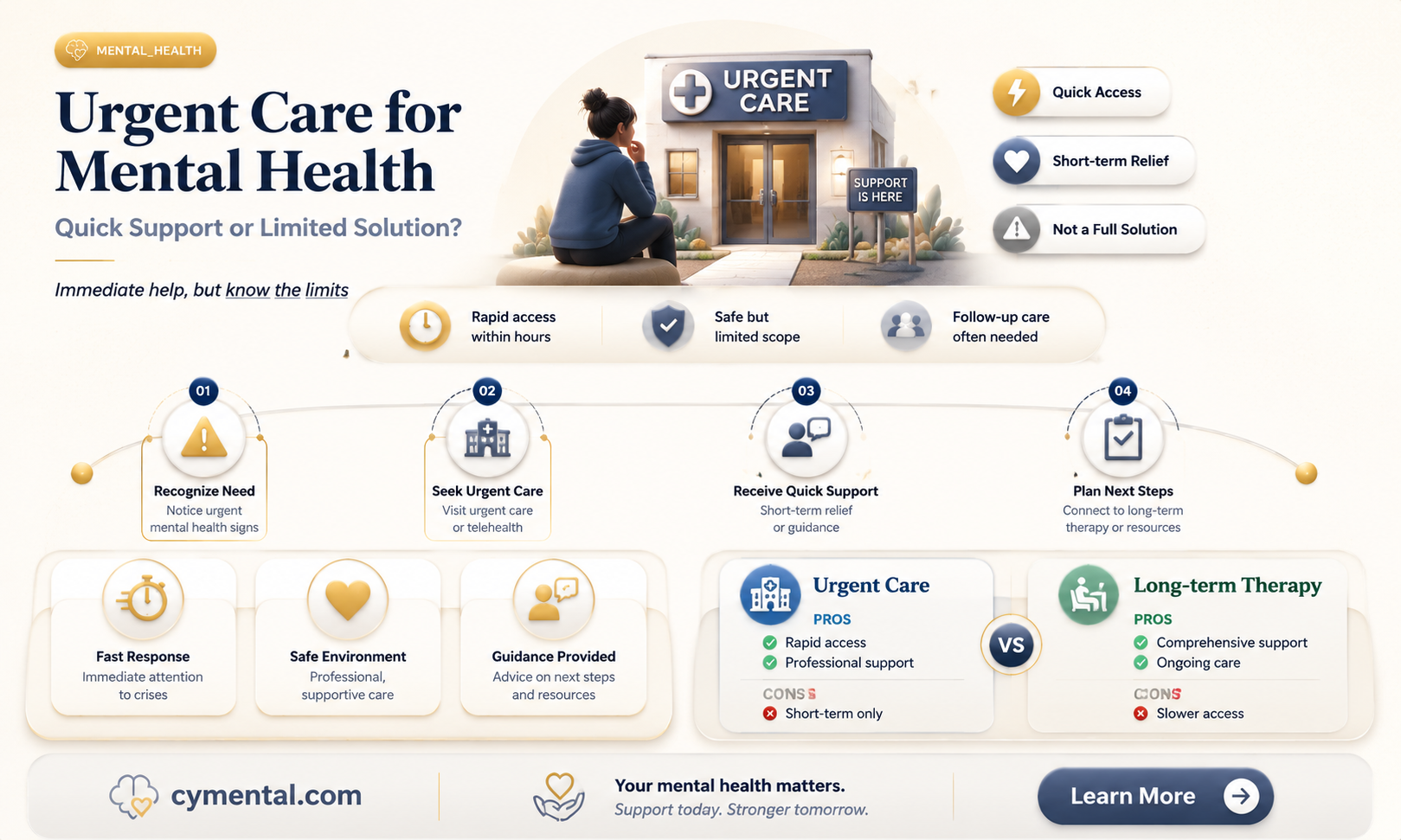
Urgent care centers are typically associated with treating physical ailments like injuries, infections, and minor illnesses, but their role in addressing mental health concerns is increasingly being recognized. While they are not a substitute for specialized mental health services, urgent care facilities can serve as a vital first point of contact for individuals experiencing acute mental health crises or those who lack immediate access to a psychiatrist or therapist. Many urgent care centers now employ professionals trained to assess and stabilize patients with conditions such as anxiety, depression, or panic attacks, offering interventions like crisis management, medication adjustments, and referrals to long-term care providers. This integration of mental health services into urgent care settings helps bridge gaps in care, particularly in areas with limited mental health resources, ensuring that individuals in distress receive timely support and guidance.
Explore related products


What You'll Learn
- Crisis intervention services available at urgent care centers for immediate mental health support
- Urgent care role in assessing and managing anxiety, depression, and panic attacks
- Referral processes from urgent care to specialized mental health professionals or therapists
- Availability of medication management for mental health conditions in urgent care settings
- Screening and initial treatment for suicidal ideation or self-harm risks at urgent care

Crisis intervention services available at urgent care centers for immediate mental health support
Urgent care centers are increasingly becoming vital access points for immediate mental health support, particularly in crisis situations. Unlike traditional emergency rooms, these centers often provide faster, more targeted interventions for individuals experiencing acute mental health episodes. Services typically include rapid assessments by trained professionals, such as psychiatric nurses or counselors, who can stabilize patients and develop short-term management plans. For instance, a person in the midst of a panic attack or suicidal ideation can receive immediate de-escalation techniques, medication adjustments, or referrals to specialized care. This approach bridges the gap between primary care and emergency psychiatric services, offering timely relief when every minute counts.
One of the key crisis intervention services available at urgent care centers is the administration of short-term medications to manage severe symptoms. For example, benzodiazepines like lorazepam (0.5–2 mg) may be prescribed for acute anxiety or agitation, while antipsychotics such as olanzapine (5–10 mg) can address psychotic symptoms. These medications are typically given under close supervision, with dosages tailored to the patient’s age, weight, and medical history. It’s crucial to note that these interventions are not long-term solutions but rather immediate measures to stabilize the individual until they can engage with ongoing treatment. Always follow up with a mental health provider within 24–48 hours to ensure continuity of care.
Another critical service is crisis counseling, which focuses on de-escalation and emotional support. Trained counselors use evidence-based techniques like cognitive-behavioral therapy (CBT) or dialectical behavior therapy (DBT) to help patients regain control during a crisis. For adolescents and young adults, who often face unique stressors, age-appropriate strategies such as mindfulness exercises or grounding techniques are employed. Parents or caregivers accompanying minors should be prepared to discuss the individual’s recent behavior and triggers, as this information aids in crafting an effective intervention plan.
Comparatively, urgent care centers offer a more accessible and less stigmatizing environment than emergency departments for mental health crises. They often have shorter wait times and a calmer setting, which can reduce anxiety for individuals already in distress. However, it’s essential to recognize their limitations—urgent care is not equipped to handle severe, life-threatening psychiatric emergencies like active psychosis with violent behavior. In such cases, immediate transport to a hospital emergency department is necessary. For less acute but still urgent situations, urgent care centers serve as a practical first step, providing stabilization and guidance toward appropriate long-term resources.
To maximize the effectiveness of urgent care for mental health crises, patients and caregivers should come prepared. Bring a list of current medications, recent mental health diagnoses, and any relevant medical history. If possible, arrive during quieter hours (early mornings or late evenings) to minimize wait times. After the visit, ensure a follow-up appointment with a mental health specialist is scheduled promptly. Urgent care centers are not a substitute for comprehensive mental health treatment but can be a lifeline during moments of acute need, offering immediate support and a pathway to sustained recovery.
Mental Therapists and SSI Disability: Can Therapy Strengthen Your Claim?
You may want to see also
Explore related products


Urgent care role in assessing and managing anxiety, depression, and panic attacks
Urgent care centers are increasingly becoming vital touchpoints for individuals experiencing acute mental health crises, including anxiety, depression, and panic attacks. Unlike primary care providers, urgent care facilities offer immediate access without the need for appointments, making them a practical option for those in distress. However, their role extends beyond mere accessibility; these centers are equipped to provide initial assessments, stabilization, and referrals, bridging the gap between emergency rooms and outpatient mental health services. For instance, a person experiencing a panic attack can receive rapid intervention, such as a low-dose benzodiazepine (e.g., 0.25–0.5 mg of alprazolam) under medical supervision, followed by a referral to a psychiatrist or therapist for long-term management.
Assessing mental health conditions in urgent care requires a structured yet compassionate approach. Clinicians use standardized tools like the Generalized Anxiety Disorder-7 (GAD-7) or Patient Health Questionnaire-9 (PHQ-9) to gauge symptom severity. For panic attacks, a quick differential diagnosis is crucial to rule out physical causes like hyperthyroidism or cardiovascular issues. While urgent care providers are not mental health specialists, they are trained to recognize red flags, such as suicidal ideation or psychosis, and escalate care accordingly. For example, a patient scoring 15 or higher on the PHQ-9 (indicating severe depression) would be referred to an emergency department for further evaluation.
Managing anxiety, depression, and panic attacks in urgent care involves a combination of pharmacological and non-pharmacological strategies. Short-term prescriptions, such as SSRIs (e.g., sertraline 25–50 mg daily) for depression or beta-blockers (e.g., propranolol 10–20 mg as needed) for anxiety, may be initiated, but long-term medication management is typically deferred to specialists. Non-pharmacological interventions include grounding techniques for panic attacks, such as the 5-4-3-2-1 method (identifying five things you see, four you can touch, etc.), and crisis hotline referrals. Practical tips, like maintaining a consistent sleep schedule and limiting caffeine intake, are also emphasized to help patients manage symptoms at home.
The comparative advantage of urgent care lies in its ability to provide timely, cost-effective care for mental health crises. Unlike emergency rooms, which are often overburdened and expensive, urgent care centers offer a less intimidating environment for individuals seeking help. However, their limitations must be acknowledged: they are not a substitute for comprehensive mental health treatment. For instance, while urgent care can stabilize a patient experiencing a panic attack, it cannot address the underlying causes of generalized anxiety disorder. Thus, their role is best understood as a critical first step in a continuum of care, ensuring patients receive the immediate attention they need while being guided toward appropriate long-term resources.
In conclusion, urgent care centers play a unique and increasingly important role in assessing and managing acute episodes of anxiety, depression, and panic attacks. By offering immediate access, structured assessments, and short-term interventions, they serve as a vital link in the mental health care system. However, their effectiveness depends on clear communication with patients about the limitations of their services and the importance of follow-up care. For individuals in crisis, urgent care can be a lifeline—a place to find relief, validation, and a path forward.
Nurturing Mental Well-Being: Essential Strategies for a Healthier Mind
You may want to see also
Explore related products


Referral processes from urgent care to specialized mental health professionals or therapists
Urgent care centers often serve as the first point of contact for individuals experiencing acute mental health crises, but their role extends beyond immediate stabilization. A critical aspect of their function is facilitating referrals to specialized mental health professionals or therapists, ensuring continuity of care and long-term support. This process, while straightforward in theory, requires careful coordination to address the unique needs of each patient. Here’s how it typically unfolds:
Step 1: Initial Assessment and Triage
During an urgent care visit, clinicians conduct a rapid assessment to gauge the severity of the mental health issue. This includes evaluating symptoms, risk factors (e.g., suicidal ideation, self-harm), and the patient’s support system. For instance, a 25-year-old presenting with panic attacks and no prior psychiatric history would be triaged differently from a 40-year-old with a history of bipolar disorder and medication non-adherence. The goal is to determine whether the patient requires immediate psychiatric intervention, hospitalization, or outpatient follow-up.
Step 2: Identifying Appropriate Referrals
Once stabilized, patients are referred to specialized providers based on their needs. For example, someone with severe depression and suicidal thoughts might be directed to a psychiatrist for medication management, while another with anxiety and relationship issues could benefit from a licensed therapist or counselor. Urgent care staff often maintain a directory of local mental health resources, including crisis hotlines, outpatient clinics, and telehealth platforms. Practical tip: Patients should ask for a written referral or contact information to streamline the next steps.
Step 3: Navigating Insurance and Access Barriers
One of the most challenging aspects of referrals is ensuring patients can access the recommended care. Urgent care providers may assist by verifying insurance coverage, identifying in-network providers, or suggesting sliding-scale clinics for uninsured individuals. For instance, a patient with Medicaid might be referred to a community mental health center, while someone with private insurance could be connected to a specialized anxiety disorder clinic. Caution: Delays in scheduling appointments can exacerbate symptoms, so urgent care staff should prioritize expedited referrals.
Step 4: Follow-Up and Care Coordination
The referral process doesn’t end with handing over a phone number. Effective urgent care centers implement follow-up protocols to ensure patients connect with their referred providers. This might involve a phone call 48–72 hours post-visit to confirm an appointment has been made or providing a care coordinator to assist with scheduling. For high-risk patients, such as those with active suicidal ideation, urgent care may collaborate with local crisis teams to ensure immediate support.
Takeaway: A Bridge, Not a Destination
Urgent care’s role in mental health is akin to a bridge—connecting patients to the specialized care they need. While these centers can provide temporary relief and stabilization, their referral processes are vital for fostering long-term recovery. By streamlining assessments, tailoring referrals, and addressing access barriers, urgent care ensures that patients don’t fall through the cracks. For anyone seeking mental health support, understanding this process empowers them to advocate for their needs and navigate the system more effectively.
Music as Therapy: How Curating Playlists Boosts Mental Well-Being
You may want to see also
Explore related products


Availability of medication management for mental health conditions in urgent care settings
Urgent care centers, traditionally seen as hubs for treating acute physical ailments like sprains or infections, are increasingly being asked to address mental health crises. While they may not replace specialized psychiatric care, their role in medication management for mental health conditions is evolving, particularly in bridging gaps in access and providing immediate stabilization.
One critical aspect is the ability to initiate or adjust medications for conditions like anxiety, depression, and insomnia. Common prescriptions include benzodiazepines (e.g., lorazepam 0.5–2 mg for acute anxiety) or short-term antidepressants (e.g., sertraline 25–50 mg for depression). However, urgent care providers must balance the risks of dependency and side effects, especially in patients without established psychiatric care. For instance, benzodiazepines are typically prescribed for no more than 2–4 weeks, with clear instructions to follow up with a mental health specialist.
A comparative analysis reveals that urgent care settings are better equipped for medication management in straightforward cases, such as mild to moderate depression or situational anxiety. They fall short in managing complex conditions like bipolar disorder or schizophrenia, which require long-term, nuanced treatment plans. For example, antipsychotics like olanzapine (5–10 mg) might be prescribed in emergencies but are not typically managed long-term in urgent care. Instead, these cases are referred to psychiatrists for comprehensive care, including therapy and ongoing medication adjustments.
To maximize the effectiveness of urgent care in medication management, patients should arrive prepared. Bring a list of current medications, allergies, and previous mental health treatments. Be honest about symptoms and substance use, as this informs safe prescribing practices. For instance, SSRIs like fluoxetine (20 mg) are often preferred for depression due to their lower risk profile, but they require monitoring for side effects like increased anxiety initially.
In conclusion, while urgent care is not a substitute for long-term psychiatric care, it plays a vital role in initiating or adjusting medications during mental health crises. By understanding its limitations and strengths, patients and providers can collaborate to ensure timely, safe, and effective treatment. Always follow up with a mental health specialist for ongoing care, as urgent care interventions are designed to stabilize, not to replace, comprehensive treatment.
Supporting Through Crisis: Effective Ways to Aid Mental Breakdown Recovery
You may want to see also
Explore related products



Screening and initial treatment for suicidal ideation or self-harm risks at urgent care
Urgent care centers, traditionally seen as hubs for treating physical ailments like sprains or infections, are increasingly becoming vital touchpoints for addressing acute mental health crises, particularly suicidal ideation and self-harm risks. While not replacements for specialized psychiatric care, these facilities can serve as critical first responders, offering immediate screening, stabilization, and referral services during moments of heightened vulnerability.
Screening Protocols: The First Line of Defense
Effective screening for suicidal ideation or self-harm risks begins with structured, evidence-based tools. The Columbia-Suicide Severity Rating Scale (C-SSRS) and the Ask Suicide-Screening Questions (ASQ) toolkit are widely adopted in urgent care settings due to their brevity and validity across age groups. Clinicians should ask direct questions such as, *“In the past few weeks, have you wished you were dead?”* or *“Have you thought about hurting yourself?”* Avoiding euphemisms ensures clarity and reduces the stigma that often prevents patients from disclosing distress. For adolescents, who may be less forthcoming, involving a trusted caregiver in the conversation can provide additional context, though confidentiality concerns must be balanced.
Initial Treatment: Stabilization and Safety Planning
Once a risk is identified, urgent care providers must prioritize stabilization. This includes removing immediate access to lethal means (e.g., medications, weapons) and initiating a safety plan. A safety plan typically comprises five steps: recognizing warning signs, employing internal coping strategies, contacting supportive individuals, connecting with mental health professionals, and seeking emergency services if necessary. For patients at high risk, oral medications like hydroxyzine (25–100 mg) may be prescribed to manage acute anxiety, though benzodiazepines are generally avoided due to misuse potential. The goal is to bridge the gap until definitive psychiatric care can be arranged, typically within 24–48 hours.
Referral and Follow-Up: Closing the Loop
Urgent care’s role extends beyond the initial encounter. Providers must ensure seamless referrals to emergency departments, inpatient psychiatric facilities, or outpatient mental health services, depending on the severity of risk. Warm handoffs—direct communication between urgent care staff and the receiving provider—improve continuity and patient engagement. Follow-up calls within 72 hours can reinforce support and assess adherence to the safety plan. For uninsured or underinsured patients, connecting them with community resources like the National Suicide Prevention Lifeline (988) or local crisis centers is essential.
Challenges and Ethical Considerations
While urgent care can play a pivotal role, limitations exist. Staff may lack specialized training in mental health crisis intervention, and facilities often lack the capacity for prolonged observation. Ethical dilemmas arise when balancing patient autonomy with duty to protect, particularly in cases where involuntary hospitalization is considered. Ongoing training in crisis intervention and collaboration with local mental health networks can mitigate these challenges, ensuring urgent care remains a competent and compassionate entry point for those in distress.
In sum, urgent care centers are uniquely positioned to address suicidal ideation and self-harm risks through targeted screening, stabilization, and referral practices. By integrating mental health protocols into their workflows, these facilities can save lives, reduce stigma, and strengthen the continuum of care for vulnerable populations.
Effective Strategies to Help Others: A Comprehensive Guide to Support
You may want to see also
Frequently asked questions
Urgent care facilities typically focus on immediate physical health concerns and are not equipped to provide long-term therapy or counseling. However, they may offer brief crisis intervention or referrals to mental health professionals.
Yes, urgent care providers can prescribe medication for mental health conditions like anxiety or depression, but this is usually a temporary solution. They may recommend follow-up with a psychiatrist or primary care physician for ongoing care.
Urgent care can assist in a mental health crisis by providing immediate stabilization and referrals to emergency services or crisis hotlines. However, for severe cases, an emergency room or specialized mental health facility is more appropriate.
Some urgent care centers may conduct basic mental health screenings, but they are not a substitute for comprehensive evaluations by mental health specialists. They can identify immediate concerns and recommend further care.
Urgent care can address acute symptoms of stress or burnout, such as physical complaints or mild anxiety, but they do not provide long-term solutions. They may suggest lifestyle changes or refer you to a mental health professional for ongoing support.