Lucas Bennett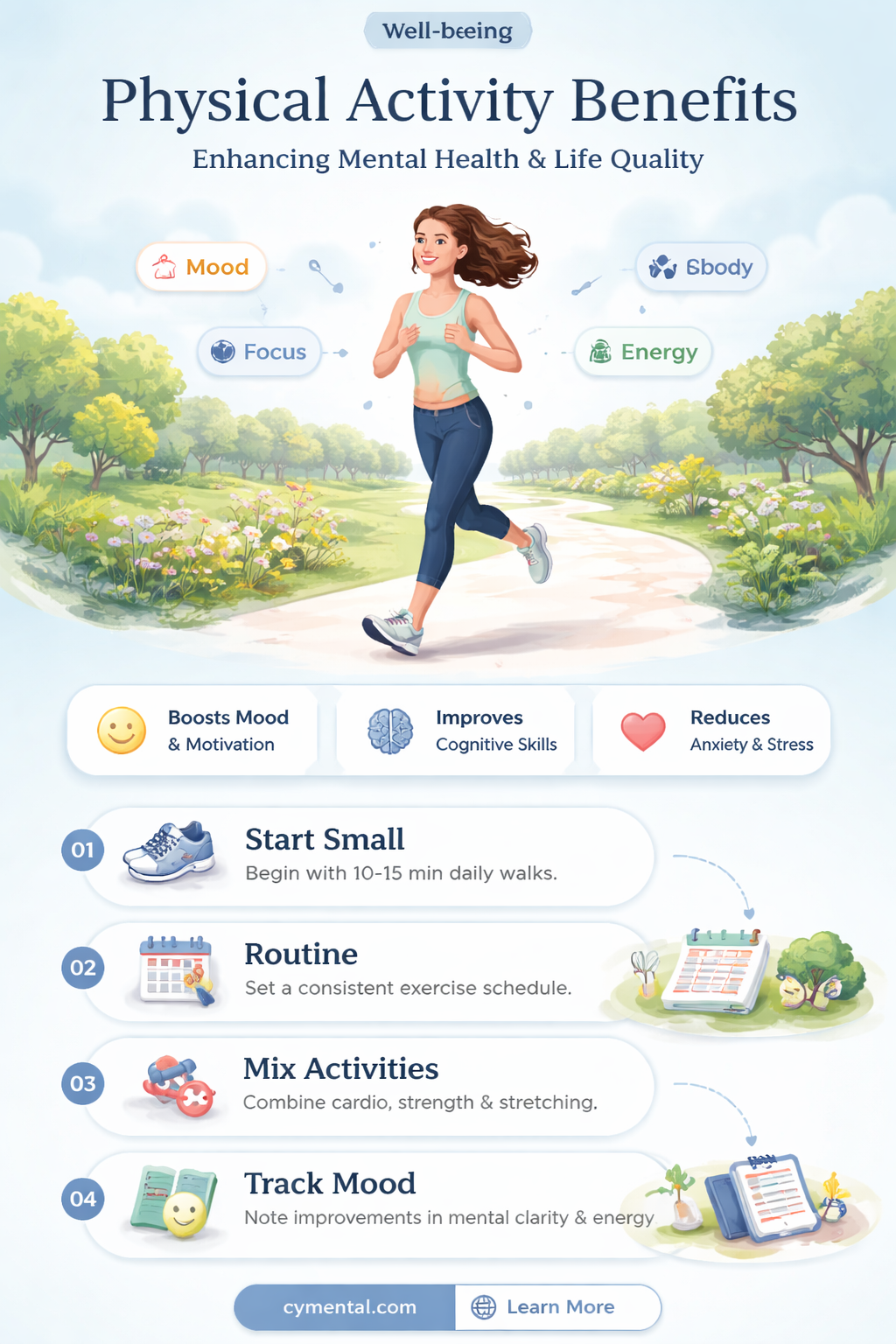
Physical activity has been increasingly recognized as a valuable tool for improving the overall well-being of mentally disabled individuals. Engaging in regular exercise and movement-based interventions can have profound effects on their mental health, cognitive function, and social skills. Research suggests that activities such as walking, swimming, or team sports not only enhance physical fitness but also reduce symptoms of anxiety, depression, and behavioral issues commonly associated with mental disabilities. Additionally, physical activity fosters a sense of accomplishment, boosts self-esteem, and provides opportunities for social interaction, which are crucial for building confidence and independence. By incorporating structured physical programs into their routines, mentally disabled individuals can experience significant improvements in both their mental and emotional health, highlighting the importance of holistic approaches to care.
Explore related products


What You'll Learn

Improved Mood and Reduced Anxiety
Engaging in regular physical activity can significantly enhance mood and reduce anxiety in mentally disabled individuals, offering a non-pharmacological approach to managing emotional well-being. Studies consistently show that activities like walking, swimming, or even gentle yoga release endorphins, the body’s natural mood lifters, which counteract feelings of sadness or stress. For instance, a 2019 study published in the *Journal of Intellectual Disabilities* found that adults with intellectual disabilities who participated in 30 minutes of moderate exercise three times a week reported a 25% reduction in anxiety symptoms over three months. This highlights the tangible impact of structured physical activity on mental health.
To maximize these benefits, caregivers and therapists should tailor activities to individual preferences and abilities. For children with autism, for example, repetitive movements like jumping on a trampoline or engaging in structured sports can provide a sense of predictability, reducing anxiety. Adults with Down syndrome may benefit from group activities like dancing or team sports, which foster social interaction and boost serotonin levels, further enhancing mood. The key is consistency; incorporating physical activity into daily routines ensures sustained emotional benefits.
However, it’s crucial to approach this with sensitivity and awareness of potential challenges. Overstimulation or exhaustion can negate the positive effects, so start with shorter sessions—10 to 15 minutes—and gradually increase duration as tolerance improves. For individuals with severe anxiety, pairing physical activity with calming techniques, such as deep breathing exercises before and after the session, can enhance relaxation. Additionally, monitoring for signs of discomfort or distress ensures the activity remains a positive experience.
A comparative analysis reveals that the benefits of physical activity extend beyond immediate mood enhancement. Unlike medication, which may have side effects or limited efficacy, exercise provides a holistic approach, improving sleep quality, self-esteem, and overall quality of life. For instance, a 2020 study in *Research in Developmental Disabilities* noted that participants who engaged in regular physical activity showed a 30% improvement in sleep patterns, which in turn reduced daytime anxiety. This interconnectedness underscores the value of physical activity as a cornerstone of mental health support.
In practical terms, integrating physical activity into the lives of mentally disabled individuals requires creativity and adaptability. Caregivers can incorporate movement into daily tasks, such as turning household chores into a game or using sensory tools like resistance bands during exercise. For those with limited mobility, chair-based exercises or water therapy can be equally effective. The goal is to make physical activity enjoyable and accessible, ensuring it becomes a natural part of their routine rather than a chore. By doing so, improved mood and reduced anxiety become achievable outcomes, enhancing both mental and physical well-being.
Health Class and Mental Health: Effective Support or Missed Opportunity?
You may want to see also
Explore related products


Enhanced Cognitive Function and Focus
Physical activity isn’t just about building muscles or burning calories—it’s a powerful tool for sharpening the mind, even for individuals with mental disabilities. Research consistently shows that regular exercise can enhance cognitive function and improve focus, regardless of cognitive baseline. For instance, a 2019 study published in the *Journal of Intellectual Disabilities* found that adults with intellectual disabilities who engaged in moderate aerobic exercise three times a week for 12 weeks demonstrated significant improvements in attention and working memory. This isn’t just anecdotal; it’s backed by neuroscience. Exercise increases blood flow to the brain, stimulates the release of neurotrophic factors like BDNF (brain-derived neurotrophic factor), and promotes neuroplasticity—all of which are critical for cognitive enhancement.
To harness these benefits, consider structured activities tailored to individual abilities. For children with autism or ADHD, for example, 20–30 minutes of daily physical activity, such as swimming, cycling, or even structured play like tag, can improve focus and reduce hyperactivity. Adults with Down syndrome or other intellectual disabilities may benefit from group exercises like yoga or tai chi, which combine physical movement with mindfulness, enhancing both cognitive and emotional regulation. The key is consistency: aim for at least 150 minutes of moderate-intensity exercise per week, as recommended by the World Health Organization, but break it into manageable sessions to avoid overwhelm.
One practical tip is to incorporate cognitive challenges into physical activities. For instance, a game of Simon Says or obstacle courses requiring problem-solving can engage both the body and mind simultaneously. For individuals with severe cognitive impairments, even simple movements like marching in place while counting or following visual cues can be effective. Caregivers and therapists should monitor progress and adjust intensity or complexity based on the individual’s response, ensuring the activity remains engaging without causing frustration.
Comparatively, sedentary lifestyles often exacerbate cognitive challenges in this population. A 2020 study in *Research in Developmental Disabilities* highlighted that individuals with mental disabilities who lead inactive lifestyles show faster cognitive decline and poorer attention spans than their active peers. This underscores the importance of prioritizing physical activity as a non-pharmacological intervention. While medication and therapy play crucial roles, exercise offers a holistic approach that addresses both physical and mental health.
In conclusion, enhanced cognitive function and focus through physical activity is not just possible but practical for mentally disabled individuals. By tailoring activities to their needs, ensuring consistency, and integrating cognitive challenges, caregivers and therapists can unlock significant improvements in mental clarity and attention. The science is clear: movement isn’t just medicine for the body—it’s fuel for the mind.
Children and Mental Health: Are They Aware of Available Support?
You may want to see also
Explore related products


Increased Social Interaction and Skills
Physical activity serves as a powerful catalyst for social interaction among mentally disabled individuals, breaking down barriers that often isolate them. Group exercises, team sports, or even walking clubs create structured environments where participants naturally engage with peers. For instance, a study published in the *Journal of Intellectual Disabilities* found that adults with intellectual disabilities who participated in weekly group swimming sessions showed a 40% increase in verbal communication and a 30% improvement in cooperative behaviors over six months. These activities provide a shared focus, reducing the pressure of initiating social contact and fostering organic connections.
To maximize social benefits, caregivers and therapists should prioritize activities that encourage collaboration rather than competition. For example, adaptive sports like wheelchair basketball or tandem cycling require teamwork, promoting communication and trust. For younger individuals (ages 10–18), incorporating games with clear roles—such as relay races or group obstacle courses—can teach turn-taking and problem-solving skills. A key takeaway: the activity’s design should emphasize interaction, not just physical movement, to ensure social skills are actively practiced.
However, not all mentally disabled individuals thrive in large groups, and forcing participation can be counterproductive. Start with smaller, controlled settings—perhaps a partner-based activity like badminton or a three-person yoga session—to build confidence. Gradually increase group size as comfort levels improve. For those with severe social anxiety, pairing physical activity with structured social scripts (e.g., "High-five after scoring a goal") can provide a safe framework for interaction. Consistency is critical; aim for at least 30 minutes of social-focused physical activity three times a week to see measurable progress.
A comparative analysis reveals that mentally disabled individuals who engage in physical activities with a social component report higher levels of belonging and self-esteem than those who exercise alone. For example, a community-based program in Canada paired mentally disabled adults with neurotypical volunteers for weekly hiking trips. Participants not only improved their physical health but also developed lasting friendships, with 75% reporting increased social confidence after one year. This highlights the dual benefit of physical activity: it strengthens both the body and social networks.
Incorporating technology can further enhance social interaction during physical activities. Apps like *FitTogether* allow users to track progress and share achievements with peers, creating a virtual community. For nonverbal individuals, wearable devices that signal turns or roles in a game can facilitate participation without requiring verbal communication. Practical tip: combine these tools with in-person activities to bridge the gap between virtual and real-world social skills. Ultimately, the goal is to use physical activity as a stepping stone to broader social integration, ensuring mentally disabled individuals not only move more but also connect more.
Mind Over Pain: Mental Strategies to Ease Chronic Discomfort
You may want to see also
Explore related products





Better Sleep Patterns and Rest
Sleep disturbances are a common challenge for individuals with mental disabilities, often exacerbating symptoms and reducing overall quality of life. Physical activity emerges as a powerful tool to regulate sleep patterns, offering a natural and accessible solution. Research indicates that moderate-intensity exercise, such as brisk walking or swimming, for at least 30 minutes daily, can significantly improve sleep onset and duration. For instance, a study published in the *Journal of Intellectual Disability Research* found that adults with intellectual disabilities who engaged in regular physical activity experienced a 20% reduction in sleep latency, the time it takes to fall asleep.
Implementing a structured exercise routine requires careful consideration of individual capabilities and preferences. For children and adolescents with mental disabilities, activities like cycling, dancing, or team sports can be particularly engaging. Parents and caregivers should aim for consistency, scheduling physical activity earlier in the day to avoid overstimulation close to bedtime. For adults, low-impact exercises such as yoga or tai chi not only promote physical health but also induce relaxation, fostering a conducive environment for rest. It’s crucial to monitor intensity levels, ensuring the activity is challenging enough to be beneficial but not exhausting.
The physiological mechanisms linking physical activity to better sleep are well-documented. Exercise increases body temperature, which then drops post-activity, signaling the body that it’s time to wind down. Additionally, physical exertion reduces levels of cortisol, the stress hormone, while boosting serotonin and melatonin, both of which play critical roles in sleep regulation. For individuals with conditions like autism or ADHD, where sensory processing differences often disrupt sleep, physical activity can serve as a grounding mechanism, helping to regulate the nervous system and promote calmness.
However, it’s essential to approach this intervention with sensitivity to individual needs. Over-exertion or late-evening workouts can have the opposite effect, leading to restlessness. Caregivers should observe how different types and timings of activities impact sleep quality, adjusting routines accordingly. For example, if evening walks result in delayed sleep, shifting the activity to late afternoon might yield better results. Incorporating relaxation techniques, such as deep breathing or stretching, post-exercise can further enhance the sleep-promoting benefits.
In conclusion, physical activity is a practical and effective strategy to improve sleep patterns in mentally disabled individuals. By tailoring routines to age, ability, and preference, and by understanding the underlying physiological benefits, caregivers can harness its potential to enhance both sleep and overall well-being. Consistency, moderation, and mindfulness are key to maximizing its impact, ensuring that rest becomes a restorative cornerstone of daily life.
Beto's Mental Health: Addressing Concerns and Seeking Supportive Solutions
You may want to see also
Explore related products




Boosted Self-Esteem and Confidence
Engaging in physical activity can profoundly elevate self-esteem and confidence in mentally disabled individuals by providing tangible achievements and a sense of mastery. For example, a study published in the *Journal of Intellectual Disabilities* found that participants who engaged in structured sports programs showed a 30% increase in self-reported confidence levels over six months. These activities, whether swimming, yoga, or team sports, offer clear goals—like completing a lap or mastering a pose—that foster a sense of accomplishment. For instance, a 14-year-old with autism who learned to ride a bike described it as “the best day ever,” highlighting how small victories can reshape self-perception.
To maximize these benefits, caregivers and therapists should focus on individualized progress, not competition. Start with 20–30 minutes of activity three times a week, gradually increasing duration and intensity based on the individual’s comfort. For children under 12, incorporate games or playful elements to keep engagement high. For adults, pair physical tasks with social interaction, such as group walks or partner exercises, to build confidence in both physical and social domains. A key caution: avoid pushing beyond their limits, as frustration can undermine progress. Instead, celebrate every milestone, no matter how small, to reinforce positive self-image.
Comparatively, mentally disabled individuals often face societal barriers that erode confidence, but physical activity counters this by placing them in a role of active participation rather than passive observation. Unlike sedentary activities, movement-based tasks provide immediate feedback—a ball caught, a step completed—that reinforces capability. A 2018 study in *Research in Developmental Disabilities* noted that participants in adaptive dance programs reported feeling “seen and valued” for their abilities, not their disabilities. This shift in perspective is critical, as it translates into broader life areas, such as school or work, where confidence gained through physical activity can improve engagement and performance.
Practically, incorporating physical activity into daily routines requires creativity and adaptability. For those with sensory sensitivities, low-impact activities like tai chi or water therapy can be less overwhelming. For individuals with mobility challenges, adaptive equipment—such as hand bikes or supported swings—can make participation accessible. Caregivers should also model encouragement, using phrases like “You’re getting stronger every day” instead of focusing on outcomes. Over time, this approach not only boosts self-esteem but also fosters resilience, as individuals learn to view challenges as opportunities for growth rather than obstacles to avoid.
Addressing Mental Health: Are Our Efforts Truly Making a Difference?
You may want to see also
Frequently asked questions
Yes, physical activity has been shown to improve mental health in individuals with disabilities by reducing symptoms of anxiety, depression, and stress while enhancing mood and overall well-being.
Suitable activities include walking, swimming, yoga, adapted sports (e.g., wheelchair basketball), and simple exercises tailored to the individual’s abilities and preferences.
Yes, regular physical activity can improve cognitive functions such as memory, attention, and problem-solving by promoting brain health and neural connectivity.
It is recommended to engage in at least 150 minutes of moderate-intensity aerobic activity per week, spread across several days, adjusted to the individual’s capabilities.
Yes, participating in group activities or sports can foster social interaction, build confidence, and reduce feelings of isolation, contributing to better mental health.