Harper Lewis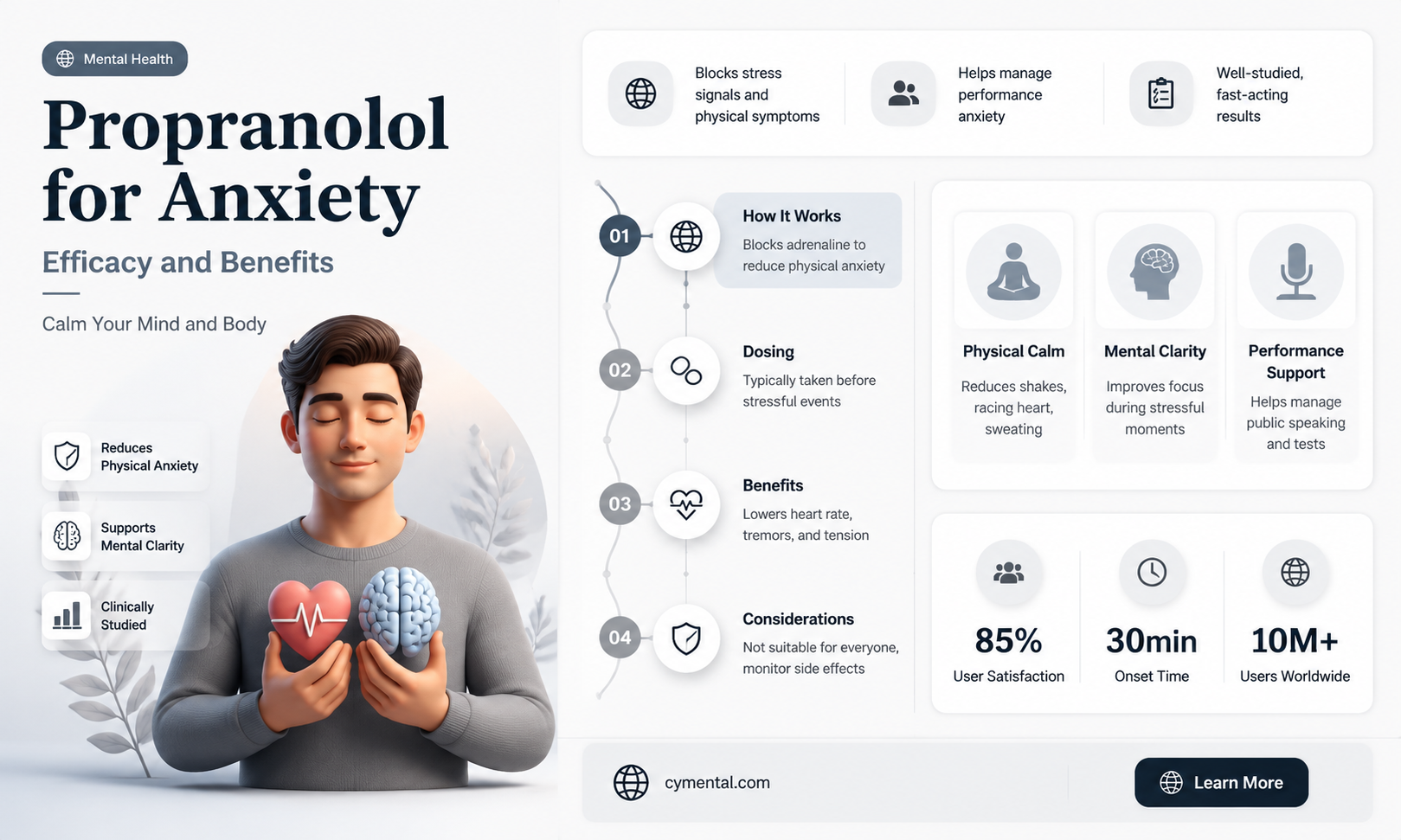
Propranolol, a beta-blocker primarily used to treat cardiovascular conditions such as hypertension and arrhythmias, has gained attention for its potential role in managing mental anxiety. While not a first-line treatment for anxiety disorders, propranolol is sometimes prescribed off-label to alleviate symptoms of situational anxiety, such as performance anxiety or panic attacks, by blocking the physical effects of adrenaline, like rapid heartbeat and trembling. Its ability to reduce the body’s stress response can help individuals feel calmer in high-pressure situations, though it does not address the underlying psychological causes of anxiety. Research suggests it may be particularly effective for short-term relief rather than long-term anxiety management, and its use is often complemented by therapy or other anxiety-specific medications. However, its efficacy and appropriateness vary by individual, and consultation with a healthcare provider is essential to determine if propranolol is a suitable option for managing mental anxiety.
Explore related products

$8.49 $11.99


What You'll Learn

Propranolol's mechanism in reducing physical symptoms of anxiety
Propranolol, a beta-blocker primarily used to treat cardiovascular conditions, has gained attention for its off-label use in managing the physical symptoms of anxiety. Unlike traditional anxiolytics, propranolol doesn't target the brain's chemistry directly. Instead, it works by blocking beta receptors in the body, particularly beta-1 receptors in the heart and beta-2 receptors in blood vessels and airways. This mechanism is key to understanding how it alleviates the physical manifestations of anxiety, such as rapid heartbeat, trembling, and sweating.
Consider the fight-or-flight response, a physiological reaction to stress triggered by the release of adrenaline. When adrenaline binds to beta receptors, it increases heart rate, blood pressure, and muscle tension, preparing the body for action. In anxiety, this response can be overactivated, leading to distressing physical symptoms. Propranolol steps in by blocking these receptors, effectively dampening the body's reaction to adrenaline. For instance, a typical dose of 10–40 mg taken 30–60 minutes before a stressful event can reduce heart palpitations, shaking hands, and even the "butterflies" sensation in the stomach. This makes it particularly useful for performance anxiety, such as public speaking or stage fright.
However, propranolol’s effectiveness isn’t universal, and its use requires careful consideration. While it excels at managing acute physical symptoms, it doesn’t address the underlying psychological causes of anxiety. For example, a musician might find it helpful to steady their hands before a performance, but it won’t alleviate long-term worries about their career. Additionally, propranolol isn’t suitable for everyone. Individuals with asthma, certain heart conditions, or diabetes should avoid it due to potential side effects like bronchospasm or masked hypoglycemia. Dosage and timing are critical—taking it too close to an event may reduce its efficacy, while higher doses (up to 80 mg) might be needed for severe symptoms, always under medical supervision.
A comparative analysis highlights propranolol’s unique role in anxiety management. Unlike benzodiazepines, which act on the central nervous system and can cause sedation or dependence, propranolol’s peripheral action minimizes cognitive side effects. This makes it a preferred choice for those needing clear-headedness during stressful situations. However, it’s not a standalone solution for generalized anxiety disorder (GAD) or panic disorder, where cognitive-behavioral therapy or SSRIs might be more appropriate. For situational anxiety, though, propranolol’s targeted approach offers a practical, short-term remedy.
In practice, propranolol’s utility extends beyond its pharmacological action. Its ability to break the cycle of physical symptoms can provide psychological relief, as individuals feel more in control of their bodies. For example, a student with test anxiety might find that reduced trembling and sweating allows them to focus better, indirectly improving performance. To maximize benefits, combine propranolol with mindfulness techniques or deep breathing exercises, which address the mental aspect of anxiety. Always consult a healthcare provider to tailor dosage and usage to individual needs, ensuring both safety and effectiveness.
Recognizing the Signs: When to Seek Mental Health Support
You may want to see also
Explore related products

$23.48 $25.35


Effectiveness of propranolol for performance-related anxiety
Propranolol, a beta-blocker primarily used to treat cardiovascular conditions, has gained attention for its off-label use in managing performance-related anxiety. Unlike general anxiety disorders, performance anxiety is situational, often triggered by specific events like public speaking, exams, or artistic performances. Propranolol’s mechanism of action—blocking adrenaline’s effects on beta receptors—reduces physical symptoms such as rapid heartbeat, trembling, and sweating, which can derail focus and confidence during high-pressure moments. This makes it a targeted solution for individuals whose anxiety manifests physically rather than cognitively.
Consider a musician preparing for a recital. Hours before the performance, their heart races, hands shake, and breathing quickens, despite thorough rehearsal. A typical dosage of 10–40 mg of propranolol taken 30–60 minutes prior to the event can mitigate these symptoms, allowing the performer to execute their skills without physiological interference. Unlike benzodiazepines, propranolol does not impair cognitive function or induce sedation, making it ideal for tasks requiring mental clarity and precision. However, it’s crucial to consult a healthcare provider to determine the appropriate dosage, as factors like age, weight, and medical history influence efficacy and safety.
While propranolol effectively addresses physical symptoms, it does not alter the psychological roots of performance anxiety. For instance, a student with chronic fear of public speaking may still experience intrusive thoughts or self-doubt, even if their heart rate remains steady. This limitation underscores the importance of combining propranolol with therapeutic interventions like cognitive-behavioral therapy (CBT) or mindfulness techniques. Propranolol acts as a bridge, providing immediate relief to enable practice and exposure, while long-term strategies address the underlying anxiety.
A comparative analysis reveals propranolol’s advantages over alternatives. Anti-anxiety medications like benzodiazepines, while effective, carry risks of dependence and cognitive impairment, making them less suitable for performance scenarios. Similarly, SSRIs, which target serotonin levels, require weeks to take effect and are better suited for generalized anxiety. Propranolol’s rapid onset (within 30 minutes) and short duration (4–6 hours) make it a practical choice for episodic use. However, it is not recommended for individuals with asthma, severe bradycardia, or hypotension, as it can exacerbate these conditions.
In practice, propranolol’s effectiveness hinges on timing and context. For optimal results, take the medication 30–60 minutes before the event, ensuring it reaches peak efficacy during the performance. Avoid alcohol and caffeine, as they can counteract propranolol’s effects. Additionally, start with the lowest effective dose (e.g., 10 mg) to minimize side effects like fatigue or dizziness. For recurring performances, consider a trial run under medical supervision to gauge individual response. While propranolol is not a cure-all, its ability to neutralize physical symptoms can transform daunting performances into opportunities for success.
Self-Control and Mental Health: A Powerful Tool for Disorder Management
You may want to see also
Explore related products


Side effects and risks of propranolol use
Propranolol, a beta-blocker primarily used to treat cardiovascular conditions, is increasingly prescribed off-label to manage symptoms of mental anxiety. While it can effectively reduce physical manifestations of anxiety, such as rapid heartbeat and trembling, its use is not without potential drawbacks. Understanding the side effects and risks is crucial for anyone considering this medication as part of their anxiety management strategy.
Common Side Effects and Their Management
Fatigue and dizziness are among the most frequently reported side effects of propranolol, often occurring within the first few weeks of treatment. These symptoms can be particularly pronounced in individuals taking higher doses, such as 40–80 mg per day. To mitigate these effects, starting with a lower dose and gradually increasing under medical supervision is recommended. Another common issue is cold extremities, as propranolol can reduce blood flow to the hands and feet. Wearing warm clothing and avoiding prolonged exposure to cold environments can help alleviate this discomfort. Patients should also be aware of potential gastrointestinal disturbances, including nausea and diarrhea, which may subside as the body adjusts to the medication.
Serious Risks and Contraindications
While rare, propranolol can pose serious risks, particularly in individuals with certain pre-existing conditions. For instance, it should be used with caution in patients with asthma or chronic obstructive pulmonary disease (COPD), as it may exacerbate breathing difficulties. Similarly, individuals with diabetes must monitor their blood sugar levels closely, as propranolol can mask symptoms of hypoglycemia. Abruptly discontinuing propranolol can lead to rebound hypertension or worsening anxiety symptoms, emphasizing the importance of tapering off the medication under a healthcare provider’s guidance. Pregnant or breastfeeding individuals should consult their doctor before using propranolol, as its safety in these populations is not well-established.
Long-Term Considerations and Monitoring
Long-term use of propranolol requires careful monitoring to ensure its benefits outweigh potential risks. Regular check-ups with a healthcare provider are essential to assess cardiovascular health, liver function, and overall well-being. Patients should report any unusual symptoms, such as persistent fatigue, mood changes, or signs of depression, as these may warrant dosage adjustments or alternative treatments. It’s also important to avoid alcohol while taking propranolol, as it can amplify side effects like dizziness and drowsiness. For older adults, particularly those over 65, lower starting doses are often recommended due to age-related changes in metabolism and increased sensitivity to medications.
Balancing Benefits and Risks
Propranolol can be a valuable tool in managing mental anxiety, especially for those who experience performance anxiety or situational stress. However, its side effects and risks underscore the need for individualized treatment plans. Patients should engage in open conversations with their healthcare providers to weigh the potential benefits against their specific health profile. Combining propranolol with non-pharmacological interventions, such as cognitive-behavioral therapy or mindfulness practices, can enhance its effectiveness while minimizing reliance on medication. Ultimately, informed decision-making and proactive monitoring are key to safely incorporating propranolol into an anxiety management regimen.
Guidance Counselors and Mental Health: Support, Resources, and Student Well-being
You may want to see also
Explore related products


Comparison with traditional anxiety medications
Propranolol, a beta-blocker primarily used to treat cardiovascular conditions, has gained attention for its off-label use in managing mental anxiety. Unlike traditional anxiety medications such as benzodiazepines (e.g., Xanax, Valium) or selective serotonin reuptake inhibitors (SSRIs, e.g., Zoloft, Lexapro), propranolol does not target the central nervous system directly. Instead, it works by blocking the effects of adrenaline, reducing physical symptoms like rapid heartbeat, trembling, and sweating that often accompany anxiety. This mechanism makes it particularly useful for performance anxiety or situational stress, such as public speaking or test-taking.
Traditional anxiety medications, like benzodiazepines, act quickly to alleviate symptoms by enhancing the effect of the neurotransmitter GABA, inducing a calming effect. While effective, they carry risks of dependence, cognitive impairment, and withdrawal symptoms, making them less ideal for long-term use. SSRIs, on the other hand, take weeks to show full effects as they gradually increase serotonin levels in the brain. They are generally safer for long-term use but may cause side effects like nausea, weight gain, or sexual dysfunction. Propranolol stands apart by addressing the physical manifestations of anxiety without the sedative or addictive properties of benzodiazepines, nor the delayed onset of SSRIs.
Dosage is a critical factor in comparing these medications. Propranolol is typically prescribed in doses ranging from 10 to 40 mg, taken 30 to 60 minutes before a stressful event. Its effects are short-lived, lasting 4 to 6 hours, which aligns with its use for acute anxiety episodes. Benzodiazepines, such as alprazolam (Xanax), are often prescribed in doses of 0.25 to 2 mg, with effects lasting 4 to 6 hours as well, but their potential for misuse and tolerance development limits their use. SSRIs, like sertraline (Zoloft), are usually started at 25 to 50 mg daily and may take 4 to 6 weeks to achieve therapeutic effects, requiring consistent long-term use.
For individuals seeking a non-habit-forming option to manage situational anxiety, propranolol offers a unique advantage. It is particularly beneficial for those who experience performance-related anxiety, such as musicians, athletes, or professionals facing high-pressure situations. However, it is not suitable for generalized anxiety disorder (GAD) or chronic anxiety, where SSRIs or other long-term treatments may be more appropriate. Patients should consult their healthcare provider to determine the best medication based on their specific needs, considering factors like the nature of their anxiety, potential side effects, and medical history.
In summary, propranolol’s role in managing mental anxiety is distinct from traditional medications. Its targeted approach to physical symptoms, lack of sedative effects, and low risk of dependence make it a valuable alternative for specific scenarios. However, it is not a one-size-fits-all solution, and its effectiveness depends on the type and severity of anxiety being treated. Understanding these differences empowers individuals and healthcare providers to make informed decisions tailored to individual needs.
Personal Training: A Powerful Tool for Mental Health Improvement
You may want to see also
Explore related products


Propranolol's role in long-term anxiety management
Propranolol, a beta-blocker primarily used to treat cardiovascular conditions, has gained attention for its off-label use in managing anxiety, particularly performance anxiety and situational stress. While it is not a first-line treatment for generalized anxiety disorder (GAD), its role in long-term anxiety management warrants examination, especially for individuals who experience specific, predictable anxiety triggers. Unlike benzodiazepines or SSRIs, propranolol does not address the underlying psychological causes of anxiety but rather mitigates the physical symptoms, such as rapid heartbeat, trembling, and sweating, that often exacerbate anxious feelings.
For long-term anxiety management, propranolol is typically prescribed in low doses, ranging from 10 to 40 mg, taken as needed before anxiety-inducing situations. For example, a musician performing on stage or a professional giving a presentation might take it 30 to 60 minutes beforehand. However, its use as a daily, long-term solution is less common due to concerns about dependency and reduced efficacy over time. Propranolol’s mechanism of action—blocking adrenaline receptors—can provide immediate relief, but it does not build resilience to anxiety in the way cognitive-behavioral therapy (CBT) or mindfulness practices might. This makes it a complementary tool rather than a standalone solution for chronic anxiety.
One of the challenges in using propranolol for long-term anxiety management is identifying the right candidates. It is most effective for individuals with situational anxiety, such as social phobia or specific phobias, rather than those with pervasive, generalized anxiety. For instance, a person with a fear of public speaking might benefit significantly, while someone with constant, background anxiety may not experience the same relief. Age and health status also play a role; younger adults and those without cardiovascular issues are better suited for propranolol use, as older adults or those with heart conditions may face increased risks.
Practical tips for incorporating propranolol into a long-term anxiety management plan include combining it with therapeutic interventions. For example, using propranolol to reduce physical symptoms during exposure therapy can make the process less daunting, allowing individuals to focus on psychological coping strategies. Additionally, tracking anxiety triggers and propranolol use in a journal can help identify patterns and determine whether the medication remains effective over time. It’s crucial to consult a healthcare provider regularly to monitor dosage and explore alternative treatments if propranolol’s benefits plateau.
In conclusion, propranolol’s role in long-term anxiety management is niche but valuable. It is best suited for individuals with specific, predictable anxiety triggers and should be used judiciously, in conjunction with other therapeutic approaches. While it offers immediate symptom relief, its long-term effectiveness depends on careful planning, monitoring, and integration with broader anxiety management strategies. For those who fit the profile, propranolol can be a powerful tool in reclaiming control over anxiety-inducing situations.
Emergency Interventions: Boosting Mental Health in Crisis Situations?
You may want to see also
Frequently asked questions
Yes, propranolol can help manage symptoms of mental anxiety by blocking the effects of adrenaline, reducing physical symptoms like rapid heartbeat, trembling, and sweating.
Propranolol works by blocking beta receptors in the body, which decreases the body’s response to stress hormones like adrenaline, helping to calm physical anxiety symptoms.
Propranolol is typically used for short-term relief of anxiety symptoms, such as before stressful events, rather than as a long-term treatment for chronic anxiety disorders.
Common side effects include fatigue, dizziness, and cold hands or feet. It’s important to consult a doctor to determine if propranolol is suitable for your specific needs.