Madison Cole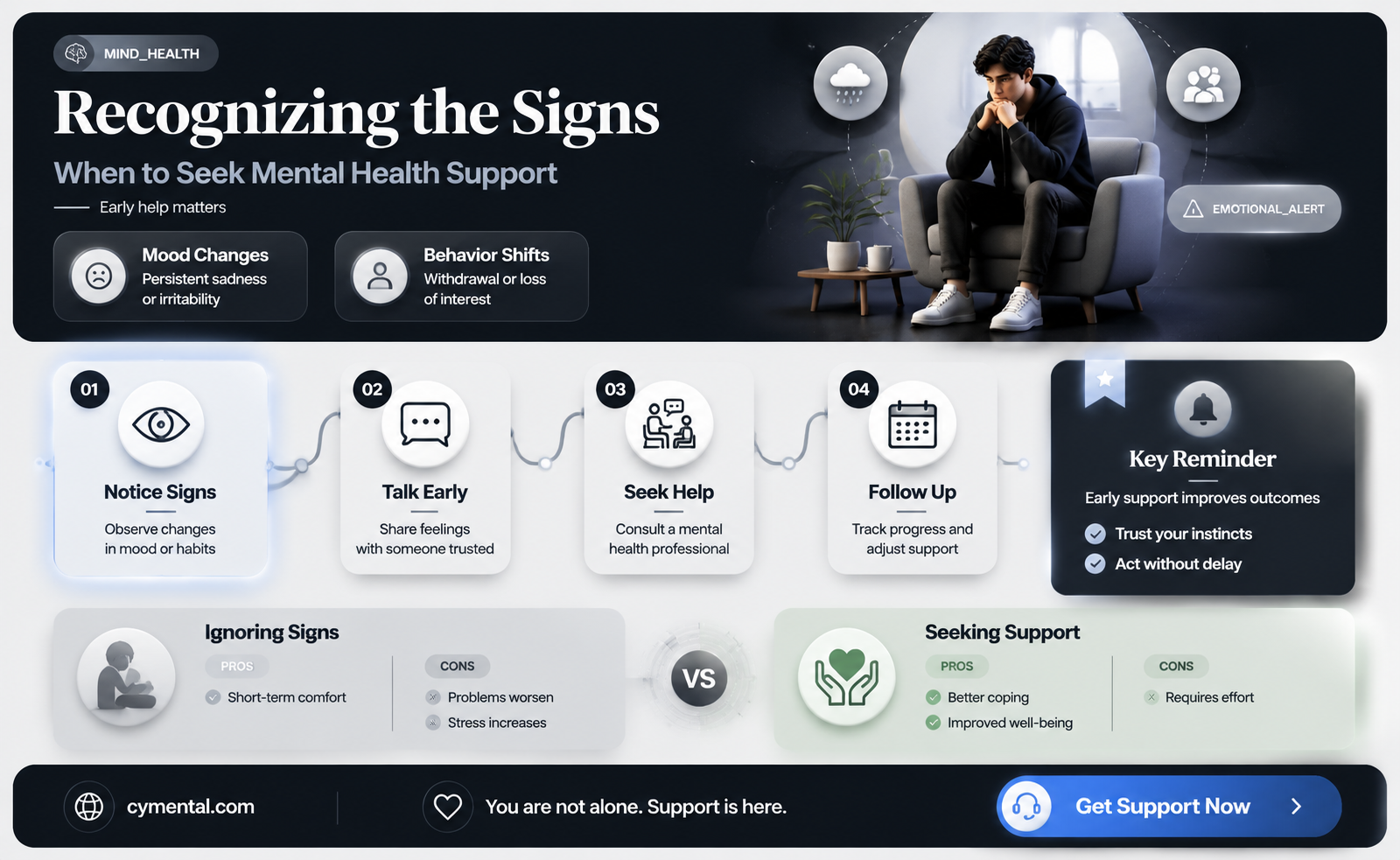
Seeking mental health support is a courageous and important step towards self-care and well-being. Many people wonder if they might need mental help, especially when facing challenges like persistent sadness, anxiety, or difficulty managing daily life. It’s essential to recognize that struggling with mental health is common and not a sign of weakness. If you’re questioning whether you need help, it’s often a sign that your inner voice is prompting you to pay attention to your emotional and psychological needs. Factors like changes in mood, sleep, or relationships, or feeling overwhelmed by stress, can indicate that professional guidance could be beneficial. Remember, reaching out for help is a proactive choice that can lead to healing, growth, and a better quality of life.
Explore related products

$16.98 $30


What You'll Learn
- Recognizing Symptoms: Identifying signs like persistent sadness, anxiety, or changes in behavior that may indicate mental health issues
- Seeking Professional Help: Understanding when and how to consult therapists, psychologists, or psychiatrists for support
- Self-Assessment Tools: Using online quizzes or checklists to evaluate emotional and psychological well-being
- Common Mental Health Disorders: Learning about depression, anxiety, PTSD, and other conditions to recognize personal struggles
- Stigma and Barriers: Addressing societal misconceptions and personal fears that prevent seeking mental health assistance

Recognizing Symptoms: Identifying signs like persistent sadness, anxiety, or changes in behavior that may indicate mental health issues
Persistent sadness that lingers beyond two weeks could be more than just a bad mood. This duration is a benchmark used by mental health professionals to differentiate between transient emotional responses and potential depression. If you find yourself constantly feeling down, losing interest in activities you once enjoyed, or experiencing unexplained fatigue, it’s time to pause and reflect. These symptoms, especially when accompanied by changes in sleep or appetite, are red flags that shouldn’t be ignored. Tracking these changes in a journal can help you identify patterns and provide concrete examples to discuss with a healthcare provider.
Anxiety, when it disrupts daily life, is another critical sign that mental health support may be needed. Occasional worry is normal, but if you’re experiencing frequent panic attacks, relentless fear, or avoidance behaviors, it’s a signal to seek help. For instance, someone who avoids social gatherings due to overwhelming fear of judgment may be dealing with social anxiety disorder. Practical steps like deep breathing exercises or progressive muscle relaxation can offer temporary relief, but they aren’t long-term solutions. Persistent anxiety often requires professional intervention, such as cognitive-behavioral therapy or medication, tailored to individual needs.
Changes in behavior, particularly those noticed by others, can be a silent cry for help. For example, a once outgoing person becoming withdrawn, or someone suddenly engaging in risky behaviors, may be struggling internally. These shifts often stem from underlying issues like trauma, stress, or undiagnosed mental health conditions. If friends or family express concern about your behavior, take it seriously. Their perspective can provide valuable insight into changes you might not recognize in yourself. Addressing these concerns early can prevent more severe complications down the line.
Recognizing these symptoms requires self-awareness and honesty. It’s easy to dismiss persistent sadness as "just a phase" or attribute anxiety to "being stressed." However, untreated mental health issues can escalate, affecting relationships, work, and physical health. A practical tip is to use screening tools available online, such as the PHQ-9 for depression or GAD-7 for anxiety, which can help gauge the severity of your symptoms. These tools aren’t diagnostic but can guide you in deciding whether to consult a professional. Remember, acknowledging the need for help is a sign of strength, not weakness.
Hydration and Clarity: Can Water Clear Mental Fog Effectively?
You may want to see also
Explore related products




Seeking Professional Help: Understanding when and how to consult therapists, psychologists, or psychiatrists for support
Recognizing the need for mental health support often begins with subtle signs: persistent sadness, overwhelming anxiety, or a sense of disconnection from life. These indicators, though common, can signal deeper issues that warrant professional intervention. Therapists, psychologists, and psychiatrists each offer distinct approaches to address these concerns, but knowing when and how to consult them is crucial for effective care.
Step 1: Identify the Severity and Duration of Symptoms
If feelings of distress persist for more than two weeks, interfere with daily functioning, or include thoughts of self-harm, it’s time to seek help. For instance, a teenager experiencing prolonged academic decline due to anxiety or an adult unable to leave the house due to panic attacks would benefit from immediate consultation. Tracking symptoms in a journal can provide concrete evidence to discuss with a professional.
Step 2: Understand the Roles of Mental Health Professionals
Therapists (often licensed counselors or social workers) focus on talk therapy, helping individuals navigate emotions and behaviors. Psychologists, with advanced degrees in psychology, offer diagnostic assessments and evidence-based therapies like cognitive-behavioral therapy (CBT). Psychiatrists, medical doctors specializing in mental health, can prescribe medications such as SSRIs (e.g., 20–40 mg of fluoxetine daily for depression) and often work alongside therapists for comprehensive care.
Caution: Avoid Self-Diagnosis and Delay
While online quizzes or articles like “Could I need mental help?” can raise awareness, they are not substitutes for professional evaluation. Delaying treatment can exacerbate conditions; for example, untreated anxiety may evolve into chronic disorders requiring longer-term interventions.
Start by contacting your primary care physician for a referral or use online platforms like Psychology Today to find licensed professionals. During the first session, be honest about your symptoms and expectations. Remember, seeking help is a sign of strength, not weakness, and the right professional can guide you toward meaningful recovery.
Praying for Peace: Exploring the Mental Health Benefits of Prayer
You may want to see also
Explore related products

$10.21 $18.95


Self-Assessment Tools: Using online quizzes or checklists to evaluate emotional and psychological well-being
Online self-assessment tools, such as quizzes and checklists, have become a popular first step for individuals questioning their mental health. These tools often promise quick insights into emotional and psychological well-being, covering areas like anxiety, depression, or stress. For example, platforms like Psychology Today and Mental Health America offer free, anonymous quizzes that provide immediate feedback based on user responses. While not diagnostic, they can highlight potential concerns and encourage further action, such as seeking professional help.
However, the reliability of these tools varies widely. Many are designed by mental health professionals and adhere to evidence-based criteria, while others lack scientific grounding. Users should critically evaluate the source and methodology of a quiz before placing trust in its results. For instance, a checklist from a reputable organization like the National Institute of Mental Health (NIMH) is more likely to offer accurate guidance than an anonymous blog post. Additionally, these tools are not one-size-fits-all; cultural, age-related, or situational factors can influence their effectiveness.
Using self-assessment tools effectively requires a balanced approach. Start by choosing quizzes from trusted sources and treating results as a starting point, not a definitive answer. For example, if a depression checklist suggests symptoms of moderate depression, it’s a signal to consult a mental health professional rather than a final verdict. Pairing these tools with self-reflection—journaling, tracking mood patterns, or discussing concerns with a trusted friend—can enhance their utility. Remember, they are screening tools, not substitutes for clinical evaluation.
One practical tip is to use multiple tools to cross-reference results. If three different anxiety quizzes consistently flag high stress levels, it strengthens the case for seeking help. Conversely, conflicting results may indicate the need for a more nuanced approach. Age-specific tools, such as those tailored for teens or seniors, can also improve accuracy. For instance, a quiz designed for adolescents might focus on school-related stress, while one for older adults might address loneliness or grief.
In conclusion, self-assessment tools can be a valuable entry point for understanding mental health concerns, but they require thoughtful use. Approach them as guides, not gospel, and prioritize professional consultation for definitive answers. By combining these tools with self-awareness and critical thinking, individuals can take proactive steps toward emotional well-being.
Mental Health Teams: A Housing Support Solution for Vulnerable Individuals
You may want to see also
Explore related products


$7.84 $14.99


Common Mental Health Disorders: Learning about depression, anxiety, PTSD, and other conditions to recognize personal struggles
Mental health disorders are more common than you might think, with nearly one in five adults in the U.S. experiencing mental illness each year. Recognizing the signs of conditions like depression, anxiety, and PTSD is the first step toward seeking help. Depression, for instance, often manifests as persistent sadness, loss of interest in activities, and changes in sleep or appetite. If you’ve felt this way for two weeks or more, it’s not just a bad day—it could be a signal to seek support. Anxiety, on the other hand, might show up as excessive worry, restlessness, or panic attacks. Understanding these symptoms isn’t about self-diagnosis but about knowing when to consult a professional.
Let’s break it down: PTSD, or post-traumatic stress disorder, can develop after experiencing or witnessing a traumatic event. Flashbacks, nightmares, and severe anxiety are common symptoms. For example, a veteran might relive combat scenes, or a survivor of a car accident might avoid driving altogether. Unlike general stress, PTSD symptoms persist for months and interfere with daily life. If you’ve experienced trauma and notice these signs, it’s crucial to reach out. Early intervention can prevent the condition from worsening.
Now, consider this: anxiety and depression often overlap, making it tricky to untangle. Someone with anxiety might feel paralyzed by fear, while someone with depression might feel numb. Yet both might struggle to leave the house or complete tasks. A practical tip? Keep a symptom journal. Note how often you feel overwhelmed, sad, or disconnected. Share this with a therapist, who can help differentiate between conditions and recommend tailored treatments, such as cognitive-behavioral therapy (CBT) or medication like SSRIs (selective serotonin reuptake inhibitors), often prescribed at doses starting at 10–20 mg daily for adults.
Here’s a comparative perspective: while depression and anxiety are widespread, conditions like bipolar disorder and OCD (obsessive-compulsive disorder) are less common but equally impactful. Bipolar disorder involves extreme mood swings, from manic highs to depressive lows, while OCD is marked by intrusive thoughts and repetitive behaviors. For instance, someone with OCD might spend hours washing their hands to alleviate anxiety. These disorders require specialized treatment, such as mood stabilizers for bipolar disorder or exposure and response prevention (ERP) therapy for OCD. Recognizing these differences ensures you advocate for the right kind of help.
Finally, a persuasive note: stigma often prevents people from acknowledging their struggles. But knowing the signs of these disorders empowers you to act. Mental health is as vital as physical health—you wouldn’t ignore a broken bone, so why neglect your mind? Start with small steps: educate yourself, talk to a trusted friend, or schedule a mental health screening. Remember, seeking help isn’t a sign of weakness; it’s a step toward reclaiming your well-being. Whether it’s depression, anxiety, PTSD, or another condition, understanding these disorders is the key to recognizing—and addressing—your personal struggles.
Austin's Impact: How the City Boosts Mental Health and Well-Being
You may want to see also
Explore related products


$6.79 $14.99


Stigma and Barriers: Addressing societal misconceptions and personal fears that prevent seeking mental health assistance
The fear of being labeled as 'crazy' or 'weak' often paralyzes individuals contemplating mental health support. This stigma, deeply rooted in societal misconceptions, paints therapy and medication as admissions of failure rather than acts of self-care. For instance, a 2020 study revealed that 40% of respondents avoided seeking help due to concerns about judgment from peers or family. Such avoidance can exacerbate conditions like anxiety or depression, turning manageable issues into chronic struggles. Recognizing this, organizations like the World Health Organization emphasize that mental health is as vital as physical health, yet the stigma persists, creating an invisible barrier that must be dismantled.
Consider the language we use daily: phrases like "suck it up" or "just stay positive" trivialize mental health struggles, reinforcing the idea that seeking help is unnecessary or shameful. This cultural narrative often begins in childhood, where emotional expression is discouraged, particularly among boys. For example, a teenager experiencing persistent sadness might internalize the belief that their feelings are invalid, fearing rejection if they voice their concerns. To counter this, educators and parents can reframe conversations, teaching that emotions are normal and seeking help is a sign of strength, not weakness. Practical steps include incorporating mental health education into school curricula and modeling vulnerability in family settings.
Personal fears, such as the unknowns of therapy or the side effects of medication, further deter individuals from reaching out. For instance, many worry about becoming dependent on antidepressants, unaware that most are non-addictive and prescribed with careful monitoring. A psychiatrist might start a patient on a low dose of SSRIs (e.g., 10 mg of escitalopram) and gradually adjust based on response, minimizing risks. Similarly, therapy formats like cognitive-behavioral therapy (CBT) are structured and goal-oriented, demystifying the process for skeptics. Addressing these fears requires accurate information—healthcare providers should offer transparent explanations, and individuals should research reputable sources like the National Institute of Mental Health.
Comparing mental health stigma to historical attitudes toward physical disabilities highlights its absurdity. Decades ago, using a wheelchair was seen as a limitation; today, it’s recognized as a tool for independence. Similarly, therapy and medication should be viewed as tools for mental well-being, not crutches. Campaigns like "Mental Health First Aid" are shifting this perspective by normalizing conversations and providing actionable steps for support. For employers, offering anonymous counseling services or mental health days can reduce stigma in the workplace. Ultimately, breaking down these barriers requires collective effort—challenging stereotypes, sharing personal stories, and advocating for policy changes that prioritize mental health parity.
Vitamin D's Role in Boosting Mental Health and Well-being
You may want to see also
Frequently asked questions
You may need mental health help if you experience persistent feelings of sadness, anxiety, or hopelessness; have trouble functioning in daily life; notice significant changes in sleep, appetite, or energy levels; or find yourself withdrawing from social activities. If these symptoms last for two weeks or more, it’s a good idea to seek professional support.
Asking for mental health help is a sign of strength, not weakness. Mental health is just as important as physical health, and seeking support when you need it is a responsible and courageous step toward taking care of yourself.
The type of professional you see depends on your needs. Therapists or counselors can provide talk therapy, psychologists can offer assessments and therapy, and psychiatrists can prescribe medication if needed. Start by consulting your primary care doctor or researching local mental health resources to find the right fit.