Noah Parker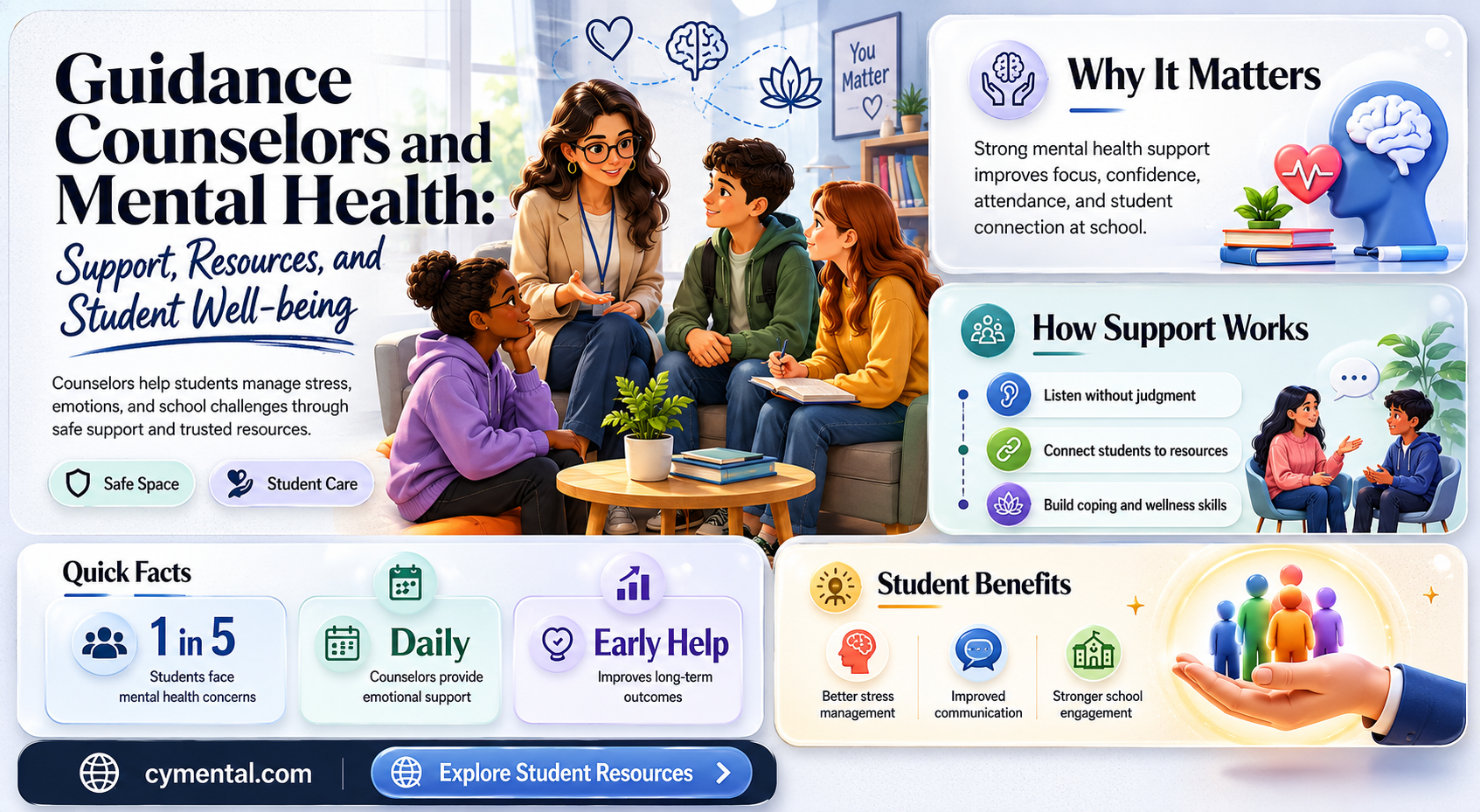
Guidance counselors play a crucial role in supporting students' overall well-being, including their mental health. While they are not licensed therapists, many counselors are trained to identify signs of mental health issues, provide initial support, and connect students with appropriate resources. They often serve as a safe and accessible point of contact for students struggling with stress, anxiety, depression, or other challenges, offering guidance, coping strategies, and referrals to mental health professionals when needed. By fostering a supportive environment and promoting mental health awareness, guidance counselors contribute significantly to students' emotional resilience and academic success.
| Characteristics | Values |
|---|---|
| Role in Mental Health | Guidance counselors often provide initial support and referrals for students experiencing mental health issues. They are not licensed therapists but can offer basic counseling and connect students with appropriate resources. |
| Training | Many guidance counselors have training in mental health first aid, crisis intervention, and basic counseling techniques. However, their primary focus is academic and career guidance. |
| Limitations | They are not qualified to diagnose or treat severe mental health disorders. Their role is more supportive and referral-based rather than therapeutic. |
| Collaboration | They often work with school psychologists, social workers, and external mental health professionals to ensure students receive comprehensive care. |
| Prevention & Education | Guidance counselors may conduct workshops or programs to promote mental health awareness and resilience among students. |
| Confidentiality | They adhere to confidentiality guidelines but may break confidentiality if there is an immediate risk of harm to the student or others. |
| Accessibility | Students can typically access guidance counselors during school hours, making them a readily available resource for initial mental health concerns. |
| Referral Network | They maintain a network of mental health professionals and community resources to refer students for specialized care. |
| Crisis Management | Guidance counselors are often the first point of contact during mental health crises in schools, providing immediate support and coordinating interventions. |
| Holistic Approach | They consider mental health as part of a student's overall well-being, linking it to academic performance, social interactions, and personal development. |
Explore related products

$9.59 $16.99


What You'll Learn

Role in Identifying Mental Health Issues
Guidance counselors often serve as the first line of defense in identifying mental health issues among students, acting as a critical bridge between academic performance and emotional well-being. Their unique position allows them to observe behavioral changes that teachers or parents might overlook. For instance, a sudden drop in grades, increased absenteeism, or social withdrawal can be early indicators of underlying mental health struggles. Counselors are trained to recognize these patterns and initiate conversations that might uncover deeper issues, such as anxiety, depression, or trauma.
Consider the analytical approach: Data from the American School Counselor Association highlights that 60% of students who receive mental health support from counselors show improvement in their overall functioning. This statistic underscores the effectiveness of early intervention, which relies heavily on a counselor’s ability to identify subtle signs of distress. For example, a student who frequently visits the counselor’s office complaining of headaches or stomachaches might be expressing somatic symptoms of stress or anxiety. By connecting these physical complaints to potential mental health concerns, counselors can facilitate timely referrals to specialized professionals.
From an instructive perspective, guidance counselors employ specific strategies to identify mental health issues. They often use structured assessments, such as the Behavioral and Emotional Screening System (BESS), to evaluate students’ emotional states. Additionally, counselors are trained to ask open-ended questions during one-on-one sessions, encouraging students to express their feelings without fear of judgment. For younger students (ages 10–14), counselors might use age-appropriate tools like drawings or storytelling to uncover emotional distress. For older teens (ages 15–18), discussions about future plans or peer relationships can reveal signs of depression or anxiety.
A persuasive argument for the counselor’s role lies in their ability to create a safe, non-threatening environment where students feel comfortable sharing their struggles. Unlike teachers or parents, counselors are perceived as neutral figures, free from the authority dynamics that might inhibit open communication. This trust is crucial for identifying mental health issues, as many students hesitate to disclose their feelings due to stigma or fear of repercussions. By fostering a confidential space, counselors can uncover issues that might otherwise remain hidden, such as self-harm tendencies or suicidal ideation.
Finally, a comparative analysis reveals that guidance counselors often identify mental health issues more effectively than other school staff due to their specialized training in psychology and counseling techniques. While teachers focus on academic progress, and administrators on school policies, counselors are uniquely equipped to address the emotional and psychological needs of students. Their holistic approach ensures that mental health concerns are not overlooked in the pursuit of academic excellence. For instance, a counselor might notice that a student’s lack of participation in class stems from social anxiety rather than disinterest, leading to targeted interventions that address both academic and emotional barriers.
In summary, guidance counselors play an indispensable role in identifying mental health issues by combining observational skills, structured assessments, and empathetic communication. Their ability to create a safe space for students, coupled with their specialized training, positions them as key figures in early intervention and support. By recognizing the subtle signs of distress and connecting students to appropriate resources, counselors not only improve individual well-being but also contribute to a healthier school environment.
Supporting Mental Health: Effective Ways to Help a Loved One in Need
You may want to see also
Explore related products




Providing Crisis Intervention Support
In moments of crisis, the role of a guidance counselor can be pivotal, offering immediate support and a stabilizing presence. Crisis intervention is a specialized skill set that counselors employ to address acute mental health episodes, such as panic attacks, suicidal ideation, or severe anxiety. Unlike long-term therapy, crisis intervention focuses on de-escalation, safety, and connecting individuals to appropriate resources. Counselors trained in this area act as first responders in emotional emergencies, providing a critical bridge between the onset of a crisis and ongoing care.
Consider a high school student experiencing a panic attack during exam week. A guidance counselor might first ensure the student’s physical safety by moving them to a quiet space, then use grounding techniques—such as deep breathing exercises or the 5-4-3-2-1 sensory method—to help regulate their nervous system. The counselor would assess the severity of the situation, ruling out immediate risks like self-harm, and then collaborate with parents, teachers, or mental health professionals to develop a follow-up plan. This immediate, structured response not only alleviates the student’s distress but also prevents the crisis from escalating.
While crisis intervention is essential, it’s not without challenges. Counselors must balance empathy with objectivity, ensuring their own emotional well-being while managing high-stress situations. Over-reliance on counselors for crisis support can also strain their capacity, particularly in under-resourced schools or institutions. To mitigate this, counselors often advocate for systemic changes, such as implementing peer support programs or training staff in basic crisis response techniques. Additionally, counselors must be mindful of legal and ethical boundaries, such as mandatory reporting requirements for self-harm or harm to others, which can complicate the trust-building process.
A key takeaway is that crisis intervention is both an art and a science. It requires counselors to be adaptable, drawing on evidence-based practices like Cognitive Behavioral Therapy (CBT) techniques while tailoring their approach to the individual’s needs. For instance, a counselor working with a college student in crisis might use CBT to challenge catastrophic thinking patterns, while also incorporating elements of motivational interviewing to encourage the student to seek long-term therapy. By combining these strategies, counselors not only address the immediate crisis but also empower individuals to build resilience for future challenges.
Ultimately, providing crisis intervention support is a testament to the versatility and impact of guidance counselors in mental health. It’s a role that demands quick thinking, compassion, and a deep understanding of human behavior. While counselors are not therapists, their ability to stabilize and guide individuals through crises makes them indispensable in educational and institutional settings. By mastering crisis intervention, counselors not only save lives but also foster environments where students and clients feel safe to seek help when they need it most.
Spirituality and Mental Health: Exploring Inner Peace for Well-Being
You may want to see also
Explore related products


Referrals to Mental Health Professionals
Guidance counselors often serve as the first line of defense in identifying mental health concerns among students. While they are not licensed therapists, their role is pivotal in recognizing signs of distress and connecting students with appropriate resources. Referrals to mental health professionals are a critical aspect of their work, ensuring that students receive specialized care beyond the scope of counseling sessions. This process involves careful assessment, collaboration, and follow-up to address the unique needs of each individual.
Consider the steps involved in making a referral. First, the counselor must establish trust and rapport with the student to encourage open communication about their struggles. This often begins with casual check-ins or structured conversations about academic and personal challenges. Once a potential mental health issue is identified, the counselor evaluates its severity. Mild concerns, such as temporary stress or adjustment difficulties, may be managed through in-house counseling or self-help strategies. However, more serious issues, like persistent anxiety, depression, or suicidal ideation, necessitate a referral to a licensed psychologist, psychiatrist, or therapist. The counselor then provides the student with a list of vetted professionals, often tailored to their specific needs, insurance coverage, and preferences.
One common challenge in this process is overcoming stigma or resistance from students. Many adolescents and young adults hesitate to seek help due to fear of judgment or lack of understanding about mental health treatment. Counselors address this by normalizing therapy and educating students about its benefits. For instance, they might explain that therapy is not just for "serious" issues but can also help with everyday challenges like improving relationships or building resilience. Practical tips, such as suggesting students bring a trusted friend or family member to their first appointment, can also reduce anxiety. Additionally, counselors often emphasize confidentiality to reassure students that their privacy will be protected.
The effectiveness of referrals depends heavily on collaboration between counselors, mental health professionals, and, when appropriate, parents or guardians. Counselors typically provide a brief summary of the student’s concerns to the referred professional, ensuring a smooth transition of care. They also follow up with the student to monitor progress and address any barriers to treatment, such as scheduling conflicts or financial constraints. For example, if a student lacks insurance coverage, counselors might connect them with low-cost clinics or community resources. This proactive approach ensures that referrals are not just made but also successfully implemented.
In conclusion, referrals to mental health professionals are a cornerstone of guidance counselors’ efforts to support student well-being. By combining empathy, assessment skills, and resourcefulness, counselors bridge the gap between initial concerns and specialized care. Their role is not just transactional but transformative, empowering students to take control of their mental health and thrive academically and personally. For schools and institutions, investing in robust referral systems and training counselors in this process is essential to fostering a supportive and inclusive environment.
Fasting and Mental Health: Unlocking the Mind's Potential Through Abstinence
You may want to see also
Explore related products


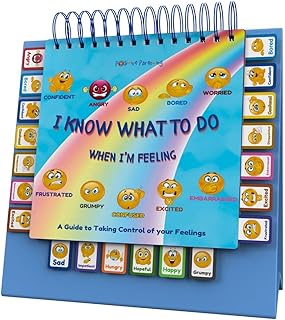


Promoting Emotional Well-being Strategies
Guidance counselors play a pivotal role in fostering emotional well-being among students by implementing targeted strategies that address both preventive and reactive needs. One effective approach is the integration of mindfulness practices into daily routines. For instance, counselors can lead 5- to 10-minute guided mindfulness sessions at the start of the school day or before exams. Research shows that consistent mindfulness practice reduces stress and anxiety in adolescents by up to 30%, making it a valuable tool for emotional regulation. Counselors should emphasize that mindfulness is not about achieving perfection but about cultivating awareness and acceptance of the present moment.
Another critical strategy is the development of emotional literacy programs. These initiatives teach students to identify, name, and express their emotions effectively. For example, counselors can use emotion charts or journaling exercises to help students track their feelings over time. Studies indicate that students who participate in emotional literacy programs demonstrate improved mood management and stronger interpersonal skills. Counselors should tailor these programs to different age groups—simplified activities for younger students and more complex exercises for high schoolers—to ensure relevance and engagement.
Peer support systems, facilitated by guidance counselors, also contribute significantly to emotional well-being. By training student leaders to provide informal support, counselors create a culture of empathy and understanding. Peer mentors can offer immediate assistance during moments of distress, reducing the stigma around seeking help. However, it’s essential to establish clear boundaries and provide ongoing supervision to ensure peer mentors feel supported in their roles. This approach not only benefits those receiving help but also empowers mentors by fostering a sense of purpose and responsibility.
Finally, counselors should collaborate with teachers and parents to create a cohesive support network. Regular check-ins and shared resources can help identify students at risk and provide timely interventions. For example, counselors can recommend that teachers incorporate emotional check-ins during class or suggest parents engage in open conversations about emotions at home. By aligning efforts across environments, counselors amplify the impact of their strategies and ensure students receive consistent support. This collaborative approach is particularly effective in addressing systemic stressors that affect emotional well-being.
Can You Force Someone to Seek Mental Health Treatment?
You may want to see also
Explore related products





Confidentiality and Trust in Counseling
Confidentiality is the cornerstone of any counseling relationship, particularly when addressing mental health. Without it, trust erodes, and the therapeutic alliance—the collaborative bond between counselor and client—crumbles. For guidance counselors working in schools or colleges, this principle is legally and ethically mandated under laws like FERPA (Family Educational Rights and Privacy Act) in the U.S., which protects student records, including counseling sessions. However, exceptions exist: counselors must disclose information if a client poses an imminent threat to themselves or others, or in cases of abuse, particularly involving minors. Understanding these boundaries is critical for both counselors and clients to ensure safety while fostering an environment where vulnerability is not punished.
Building trust requires more than legal compliance; it demands transparency and consistency. Counselors must explicitly explain confidentiality limits during the first session, using clear, age-appropriate language. For instance, a high school student might need a simplified explanation of when their conversations are private versus when a counselor must involve parents or authorities. This upfront honesty prevents misunderstandings and demonstrates respect for the client’s autonomy. Additionally, counselors should model trustworthiness by maintaining professionalism—avoiding dual relationships, securing session notes, and adhering to ethical guidelines. When clients see their counselor as reliable and predictable, they are more likely to engage openly, a prerequisite for effective mental health support.
Consider the case of a college student struggling with anxiety and depression. If the student fears their counselor might share personal struggles with professors or parents without consent, they may withhold critical information, hindering progress. Conversely, a counselor who clearly outlines confidentiality limits and consistently upholds them creates a safe space for exploration. For example, a counselor might say, “Our conversations are private unless you’re at risk of harm or involved in a situation requiring mandatory reporting. I’ll always discuss these limits with you if they arise.” This approach balances legal obligations with empathy, encouraging trust while prioritizing safety.
Practical strategies can further reinforce confidentiality and trust. Counselors should use encrypted platforms for virtual sessions, secure physical files, and avoid discussing cases in public spaces. For younger clients, visual aids like confidentiality “contracts” can help solidify understanding. For instance, a middle school counselor might use a simple infographic to explain, “What we talk about stays here unless someone’s in danger or the law says I must tell.” Equally important is the counselor’s tone and demeanor—calm, nonjudgmental, and empathetic—which signals that the client’s experiences are valid and respected. These small but intentional actions accumulate to create a foundation of trust, enabling clients to address mental health challenges without fear of exposure or retribution.
Ultimately, confidentiality and trust are not just ethical requirements but practical tools for effective counseling. When clients feel safe, they are more likely to disclose sensitive information, engage in self-reflection, and commit to therapeutic goals. For guidance counselors, this means navigating complex legal and emotional terrain with precision and care. By prioritizing transparency, consistency, and professionalism, counselors can transform their offices into sanctuaries where mental health struggles are met with understanding, not judgment. In doing so, they not only fulfill their role but also empower clients to take meaningful steps toward healing and growth.
Dropping Mental Filters: Unveiling New Perspectives on Everyday Experiences
You may want to see also
Frequently asked questions
Guidance counselors are trained to support students with academic, career, and personal challenges, but they are not licensed therapists. They can offer brief counseling, referrals to mental health professionals, and resources for further support.
Yes, guidance counselors are often trained to recognize signs of mental health issues. They can intervene by providing initial support, connecting students with appropriate resources, and collaborating with parents, teachers, and mental health professionals.
Guidance counselors support students by creating safe spaces for conversation, offering coping strategies, and helping students develop self-awareness. They also coordinate with school staff, recommend accommodations, and refer students to specialized mental health services when needed.