Noah Parker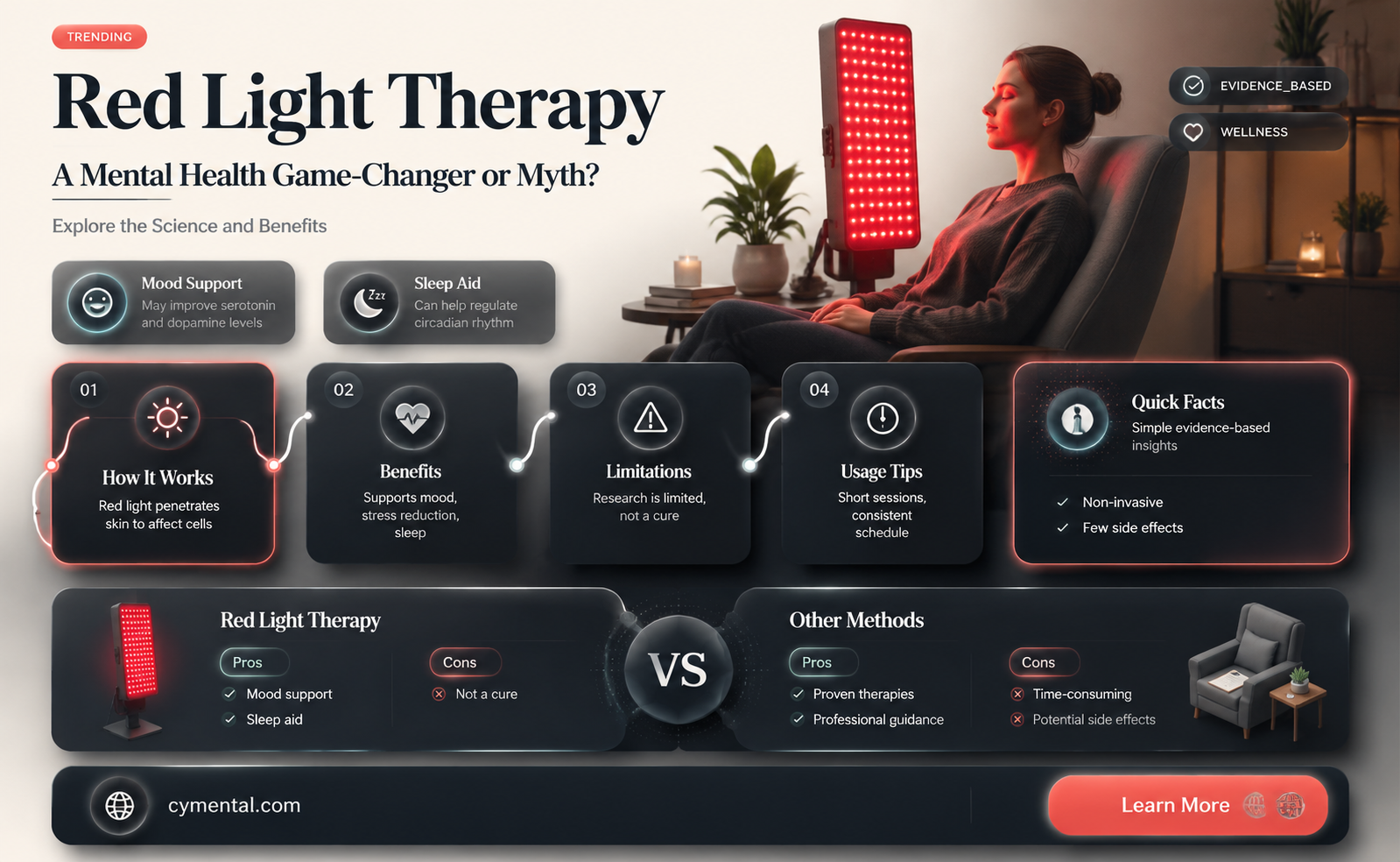
Red light therapy, a non-invasive treatment that uses specific wavelengths of red and near-infrared light, has gained attention for its potential benefits beyond skin health and pain management. Recent studies have begun to explore its impact on mental health, with preliminary research suggesting it may help alleviate symptoms of depression, anxiety, and seasonal affective disorder (SAD). The therapy is thought to work by enhancing mitochondrial function, reducing inflammation, and increasing blood flow, which could positively influence brain health and neurotransmitter activity. While the evidence is still emerging, early findings are promising, positioning red light therapy as a potential complementary approach to traditional mental health treatments. However, more rigorous research is needed to fully understand its efficacy and mechanisms in this context.
| Characteristics | Values |
|---|---|
| Mechanism of Action | Believed to stimulate mitochondrial function, reduce inflammation, and increase ATP production, which may positively impact brain function and mental health. |
| Effect on Depression | Some studies suggest red light therapy (RLT) may reduce symptoms of depression by modulating neurotransmitter levels (e.g., serotonin) and improving mood. |
| Effect on Anxiety | Preliminary research indicates RLT may help reduce anxiety symptoms, possibly by promoting relaxation and reducing stress hormones like cortisol. |
| Effect on Sleep | RLT has been linked to improved sleep quality, which is crucial for mental health, by regulating circadian rhythms and melatonin production. |
| Neuroprotection | May offer neuroprotective effects by reducing oxidative stress and promoting neuronal repair, potentially benefiting conditions like cognitive decline. |
| Inflammation Reduction | RLT is known to decrease inflammation, which is often associated with mental health disorders such as depression and anxiety. |
| Clinical Evidence | Limited but growing; some small-scale studies show promise, but larger, randomized controlled trials are needed for conclusive evidence. |
| Safety Profile | Generally considered safe with minimal side effects, such as mild skin irritation or discomfort during treatment. |
| Accessibility | Increasingly available in clinics and as at-home devices, making it a potentially convenient adjunct therapy. |
| Complementary Therapy | Often used alongside traditional treatments (e.g., medication, therapy) rather than as a standalone solution. |
| Wavelengths Used | Typically uses wavelengths between 630-660 nm (red light) and 810-850 nm (near-infrared light) for therapeutic effects. |
| Treatment Duration | Sessions usually last 10-20 minutes, with frequency varying based on the condition being treated. |
| Cost | Varies widely; at-home devices range from $100 to $1,000+, while clinic sessions can cost $50-$150 per session. |
| FDA Approval | Some RLT devices are FDA-cleared for specific uses (e.g., pain relief, skin conditions), but not yet specifically for mental health. |
| User Experiences | Anecdotal reports often positive, with users reporting improved mood, reduced anxiety, and better sleep, though individual results vary. |
Explore related products


What You'll Learn

Red light therapy reduces anxiety symptoms
Emerging research suggests that red light therapy (RLT), a non-invasive treatment using specific wavelengths of light, may offer a novel approach to alleviating anxiety symptoms. Studies have shown that exposure to red and near-infrared light can modulate brain activity, particularly in regions associated with mood regulation, such as the prefrontal cortex and amygdala. For instance, a 2021 pilot study published in *Frontiers in Psychiatry* found that participants with generalized anxiety disorder experienced significant reductions in anxiety scores after undergoing RLT sessions. This effect is hypothesized to stem from the therapy’s ability to enhance mitochondrial function, reduce inflammation, and promote neurogenesis, all of which are critical factors in mental health.
To incorporate RLT into an anxiety management routine, consistency and proper dosage are key. Most studies recommend sessions lasting between 10 to 20 minutes, 3 to 5 times per week, using devices emitting wavelengths in the 630–660 nm (red light) or 810–850 nm (near-infrared) range. Handheld devices or full-body panels can be used, with the light source positioned 6–18 inches from the skin for optimal absorption. It’s important to start with shorter sessions and gradually increase duration to assess tolerance, as individual responses may vary. For best results, combine RLT with other evidence-based practices like mindfulness, exercise, and cognitive-behavioral therapy.
While RLT shows promise, it’s not a one-size-fits-all solution. Factors such as age, skin type, and the severity of anxiety symptoms can influence outcomes. For example, older adults may benefit from longer wavelengths (near-infrared) due to their deeper tissue penetration, while younger individuals might respond well to shorter red light wavelengths. Additionally, those with light sensitivity or certain skin conditions should consult a healthcare provider before starting treatment. Practical tips include using RLT in the morning to avoid potential sleep disruptions and tracking symptoms over time to measure progress.
Comparatively, RLT stands out as a low-risk, side-effect-free alternative to traditional anxiety treatments like medication, which often come with unwanted side effects. Unlike pharmaceuticals, RLT does not interact with other medications, making it a viable option for individuals with complex health profiles. However, it’s essential to approach RLT as a complementary therapy rather than a standalone cure. Its effectiveness is maximized when integrated into a holistic mental health strategy, emphasizing lifestyle modifications and professional support. As research continues to evolve, RLT’s role in anxiety management may become even more defined, offering hope for those seeking non-pharmacological solutions.
Do Mental Hospitals Effectively Treat Depression? Exploring Benefits and Alternatives
You may want to see also
Explore related products
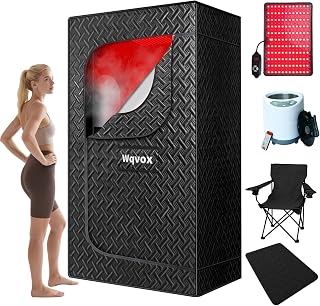


Impact on depression and mood enhancement
Red light therapy (RLT) has emerged as a promising non-invasive intervention for depression and mood enhancement, with studies suggesting its potential to modulate brain function and neurotransmitter activity. Research indicates that wavelengths in the red to near-infrared spectrum (630–850 nm) penetrate the scalp and skull, reaching the cerebral cortex. A 2020 pilot study published in *Psychiatry Research Neuroimaging* found that participants with major depressive disorder experienced significant reductions in depressive symptoms after 8 weeks of daily 10-minute RLT sessions at 810 nm. The proposed mechanism involves increased mitochondrial ATP production, which may enhance neuronal function and reduce inflammation, a key factor in depression.
To maximize mood-enhancing benefits, consistency and proper dosage are critical. Most studies recommend sessions of 10–20 minutes, 3–5 times per week, using devices with an irradiance of 20–50 mW/cm². For at-home use, handheld or panel devices with FDA clearance ensure safety and efficacy. It’s essential to position the light source 6–12 inches from the forehead or scalp to optimize tissue penetration. While RLT is generally safe, individuals with light sensitivity or those taking photosensitizing medications should consult a healthcare provider. Combining RLT with other mood-supportive practices, such as mindfulness or exercise, may amplify results.
A comparative analysis of RLT versus traditional treatments like SSRIs reveals distinct advantages. Unlike medications, RLT is free from systemic side effects and can be used as an adjunctive therapy for treatment-resistant depression. However, its efficacy may vary based on factors like age, severity of symptoms, and underlying health conditions. For instance, older adults with age-related mitochondrial decline may respond more favorably due to RLT’s ability to enhance cellular energy production. Conversely, individuals with severe depression may require a multimodal approach, with RLT serving as a complementary tool rather than a standalone solution.
Practical tips for integrating RLT into a mental health routine include tracking mood changes using a journal or app to monitor progress. Starting with shorter sessions (5–10 minutes) allows the body to acclimate, reducing the risk of mild side effects like headaches. Pairing RLT with morning routines can promote alertness and positivity, while evening sessions may improve sleep quality, indirectly supporting mood regulation. While scientific evidence is still growing, anecdotal reports and preliminary studies suggest that RLT holds significant potential as a natural, accessible tool for combating depression and enhancing overall emotional well-being.
Effective Strategies to Support and Empower Individuals in Need
You may want to see also
Explore related products


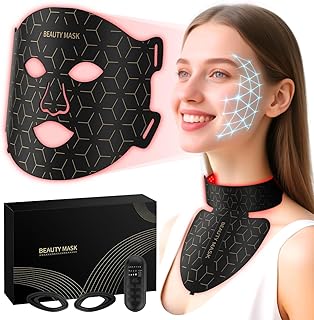


Sleep quality improvement through light therapy
Quality sleep is foundational to mental health, yet modern lifestyles often disrupt natural circadian rhythms. Red light therapy, particularly in the 600–700 nm wavelength range, has emerged as a non-invasive tool to recalibrate these rhythms. Unlike blue light, which suppresses melatonin, red light stimulates mitochondrial function without disrupting sleep hormones. Studies show that 10–20 minutes of evening exposure to red light at 10–20 mW/cm² can enhance melatonin production, reducing sleep latency and improving overall sleep architecture. This makes it a promising intervention for those struggling with insomnia or irregular sleep patterns.
To implement red light therapy for sleep, consistency and timing are key. Use a red light device with a wavelength of 660 nm, positioning it 12–18 inches from the body for 10–15 minutes, 30–60 minutes before bedtime. Avoid screens emitting blue light during this period, as they counteract the therapy’s benefits. For older adults or individuals with circadian rhythm disorders, combining red light therapy with a consistent sleep schedule amplifies results. Start with lower intensities (5–10 mW/cm²) and gradually increase as tolerated, monitoring sleep quality through apps or journals to track progress.
Comparatively, red light therapy offers advantages over traditional sleep aids, which often carry side effects or dependency risks. Unlike melatonin supplements, red light works by addressing the root cause—circadian misalignment—rather than merely masking symptoms. It’s also more accessible than bright light therapy, which requires specialized equipment and morning sessions. However, red light therapy is not a one-size-fits-all solution; its effectiveness varies based on factors like age, baseline sleep quality, and underlying health conditions. For instance, individuals with severe sleep disorders may require additional interventions alongside therapy.
A descriptive example illustrates its practical application: imagine a 45-year-old professional with chronic insomnia who incorporates red light therapy into their evening routine. They use a handheld device at 660 nm for 15 minutes while reading a book, ensuring minimal blue light exposure. Within weeks, they report falling asleep faster, experiencing fewer nighttime awakenings, and feeling more rested upon waking. This scenario highlights how small, intentional changes can yield significant improvements in sleep quality, thereby positively impacting mental health.
Psychedelics as Treatment: Healing Drug-Induced Mental Illness?
You may want to see also
Explore related products


Stress reduction and relaxation benefits
Red light therapy, a non-invasive treatment using specific wavelengths of light, has shown promising effects in reducing stress and promoting relaxation. Studies suggest that exposure to red and near-infrared light can lower cortisol levels, the body’s primary stress hormone. For instance, a 2020 study published in *Photobiomodulation, Photomedicine, and Laser Surgery* found that participants who received red light therapy sessions experienced a significant decrease in cortisol compared to a control group. This physiological response is key to understanding how the therapy fosters a calmer mental state.
To harness these benefits, consistency is crucial. Experts recommend sessions lasting 10–20 minutes, 3–5 times per week, for optimal results. Devices with wavelengths between 630–660 nm (red light) and 810–850 nm (near-infrared) are most effective. For those new to the therapy, starting with shorter sessions (5–10 minutes) and gradually increasing duration can help the body acclimate. It’s also advisable to use FDA-cleared devices to ensure safety and efficacy, particularly for individuals over 40 or those with pre-existing health conditions.
Comparatively, red light therapy offers a unique advantage over traditional stress-relief methods like meditation or medication. Unlike pharmaceuticals, which may have side effects or dependency risks, red light therapy is non-invasive and free from systemic impacts. It also complements mindfulness practices by creating a physiological foundation for relaxation. For example, combining a 15-minute red light session with deep breathing exercises can enhance both mental and physical calmness, making it a versatile tool for stress management.
Practical tips can maximize the therapy’s relaxation benefits. Position the device 6–18 inches from the body, targeting areas like the forehead, chest, or back, which house key stress-response systems. Evening sessions are particularly effective, as the therapy can improve sleep quality by regulating circadian rhythms. Additionally, pairing sessions with calming activities, such as listening to soothing music or practicing progressive muscle relaxation, can amplify the overall sense of tranquility.
While red light therapy shows potential for stress reduction, it’s not a one-size-fits-all solution. Individual responses vary based on factors like age, overall health, and stress severity. For instance, younger adults may experience quicker results due to higher cellular regeneration rates, while older individuals might require longer treatment periods. Consulting a healthcare provider before starting therapy is advisable, especially for those with light sensitivity or skin conditions. When used thoughtfully, red light therapy can be a valuable addition to a holistic stress management routine.
Can Therapists Effectively Help Clients Manage and Overcome Stress?
You may want to see also
Explore related products

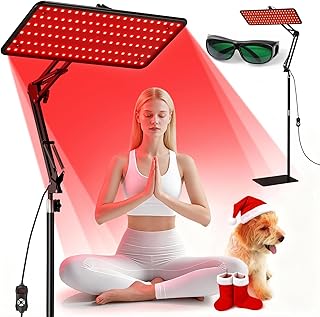
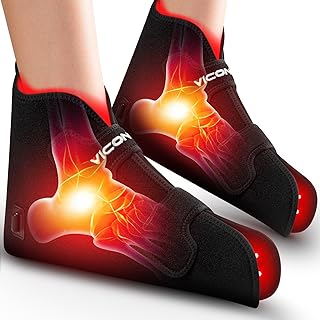


Cognitive function and brain health effects
Red light therapy (RLT) has emerged as a promising non-invasive intervention for enhancing cognitive function and brain health. Studies suggest that near-infrared (NIR) light, typically in the 810–850 nm range, can penetrate the skull and stimulate mitochondrial function in neurons, increasing ATP production and reducing oxidative stress. This mechanism is believed to support neural repair and improve overall brain metabolism, particularly in areas associated with memory and executive function. For instance, a 2020 study published in *Photobiomodulation, Photomedicine, and Laser Surgery* found that participants aged 45–65 who received 10–20 minutes of daily NIR light exposure at 810 nm demonstrated significant improvements in cognitive test scores after 8 weeks.
To maximize the cognitive benefits of RLT, consistency and proper dosage are key. Most research recommends sessions lasting 10–20 minutes, 3–5 times per week, using devices with an irradiance of 20–50 mW/cm². Handheld devices or helmets designed for transcranial application are ideal for targeting the brain directly. It’s important to note that while RLT is generally safe, excessive exposure or improper use may lead to mild side effects like headaches or eye strain. Always start with shorter sessions and gradually increase duration as tolerated. For older adults or those with cognitive decline, combining RLT with cognitive exercises, such as puzzles or memory games, may amplify its neuroprotective effects.
A comparative analysis of RLT versus traditional cognitive interventions reveals its unique advantages. Unlike pharmaceuticals, RLT is non-systemic, minimizing the risk of side effects or drug interactions. It also offers a passive treatment option, requiring no active engagement beyond consistent use. However, RLT should not replace evidence-based therapies like cognitive-behavioral therapy or medication but rather complement them. For example, individuals with mild cognitive impairment (MCI) might use RLT as an adjunct to lifestyle changes, such as diet and exercise, to slow progression to dementia.
Practically, incorporating RLT into daily routines is straightforward. Morning sessions are often preferred, as the energizing effects of increased ATP production can enhance focus and productivity throughout the day. For those with busy schedules, combining RLT with another activity, such as reading or meditation, can improve adherence. Devices with built-in timers and adjustable settings ensure ease of use, making it accessible even for beginners. While more research is needed to establish long-term outcomes, current evidence suggests that RLT holds significant potential as a tool for preserving and enhancing cognitive function across various age groups.
Mental Health History: Boosting Temporary Insanity Claims in Court?
You may want to see also
Frequently asked questions
Emerging research suggests red light therapy may help reduce symptoms of depression and anxiety by potentially increasing serotonin levels, reducing inflammation, and promoting brain cell health, though more studies are needed for conclusive evidence.
Red light therapy is believed to regulate the body’s circadian rhythm, improving sleep quality. Better sleep is closely linked to improved mental health, as it reduces stress, enhances mood, and supports emotional regulation.
Red light therapy is not a standalone treatment for mental health conditions but may complement traditional therapies like medication and counseling. It is considered a supportive tool for overall well-being.