Ava Ramirez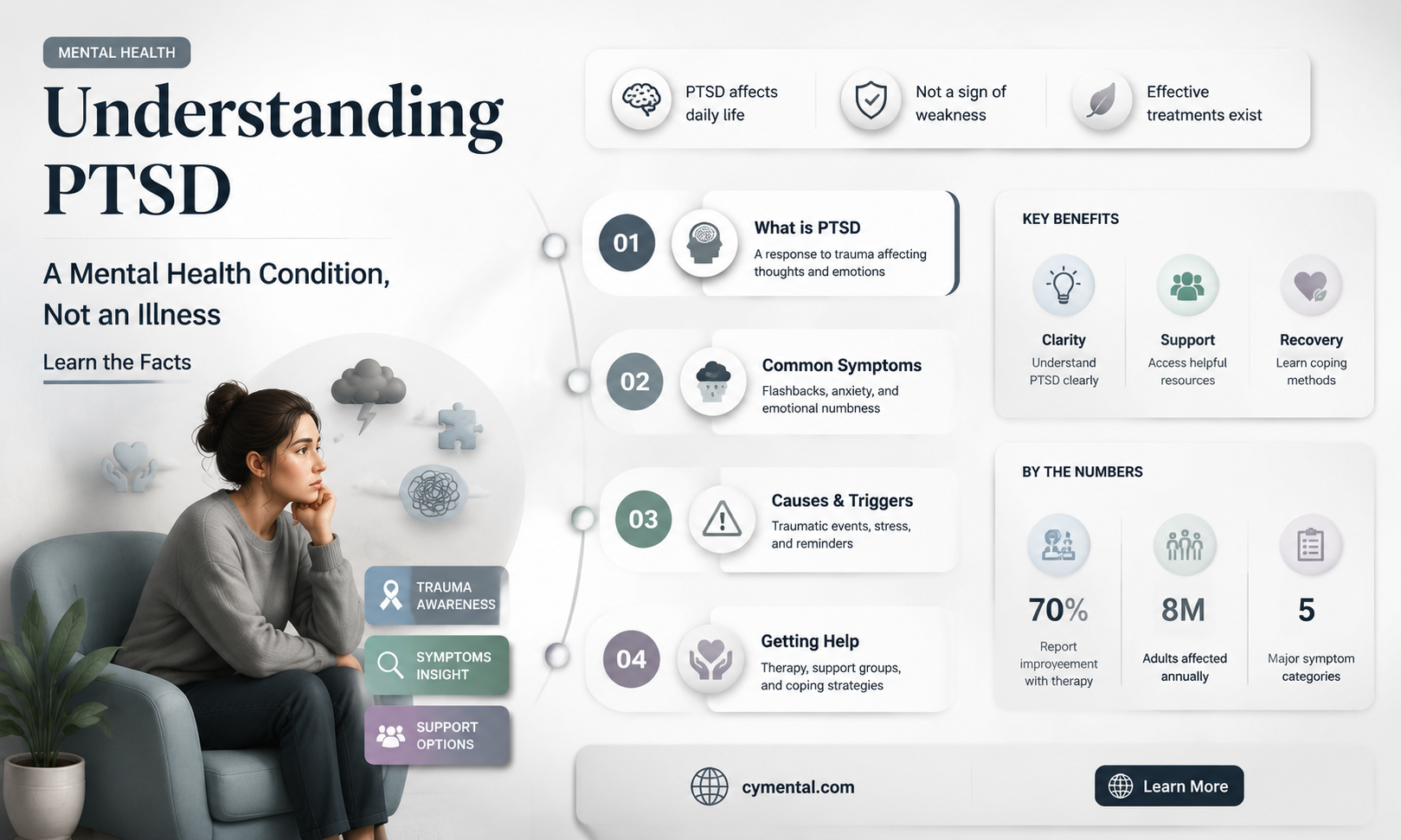
Post-Traumatic Stress Disorder (PTSD) is a mental health condition that can develop after experiencing or witnessing a traumatic event. It is characterized by symptoms such as intrusive memories, flashbacks, nightmares, and severe anxiety. While PTSD is a serious mental health issue, it does not inherently define someone as mentally ill in a broad sense. Mental illness is a complex and multifaceted concept that encompasses a wide range of conditions, and PTSD is just one of them. It is important to approach this topic with sensitivity and understanding, recognizing that individuals with PTSD are not broken or crazy, but rather are dealing with a treatable condition that can significantly impact their daily lives. With appropriate support and treatment, many people with PTSD are able to manage their symptoms and lead fulfilling lives.
| Characteristics | Values |
|---|---|
| Definition | PTSD (Post-Traumatic Stress Disorder) is a mental health condition triggered by experiencing or witnessing a terrifying event. |
| Symptoms | Intrusive memories, flashbacks, nightmares, avoidance of triggers, heightened arousal, anxiety, depression, mood swings. |
| Causes | Traumatic events such as military combat, natural disasters, serious accidents, terrorist acts, war/conflict, rape/sexual assault. |
| Risk Factors | Genetic predisposition, childhood trauma, lack of social support, repeated exposure to traumatic events. |
| Diagnosis | Diagnosed by a mental health professional through a combination of interviews, questionnaires, and psychological evaluations. |
| Treatment | Cognitive Behavioral Therapy (CBT), Exposure Therapy, Eye Movement Desensitization and Reprocessing (EMDR), medication (SSRIs, SNRIs). |
| Prognosis | Generally positive with effective treatment, though recovery can be long-term and may involve ongoing management of symptoms. |
| Comorbidities | Often occurs with depression, anxiety disorders, substance abuse, and other mental health conditions. |
| Impact on Daily Life | Can significantly impair daily functioning, relationships, and overall quality of life if left untreated. |
| Myths | Myth: PTSD is a sign of weakness. Fact: PTSD is a treatable mental health condition that can affect anyone regardless of their strength or character. |
| Facts | Fact: PTSD is recognized by the World Health Organization (WHO) and the American Psychiatric Association (APA) as a legitimate mental health disorder. |
| Statistics | Approximately 3.5% of adults in the U.S. experience PTSD in a given year, with higher rates among veterans and individuals in high-risk professions. |
| Support | Support groups, online resources, and helplines are available for individuals with PTSD and their families. |
| Prevention | While PTSD cannot be prevented, early intervention and support can help mitigate the severity and impact of symptoms. |
| Research | Ongoing research is focused on improving treatment methods, understanding the neurobiological basis of PTSD, and developing more effective prevention strategies. |
Explore related products


What You'll Learn
- Definition of PTSD: Understanding the criteria and symptoms that characterize Post-Traumatic Stress Disorder
- Impact on Mental Health: Exploring how PTSD affects an individual's overall mental well-being and daily functioning
- Common Misconceptions: Addressing and debunking myths surrounding PTSD and its implications for mental illness
- Treatment Options: Discussing various therapeutic approaches and interventions used to manage and treat PTSD symptoms
- Support Systems: Highlighting the importance of social support and resources available for individuals with PTSD

Definition of PTSD: Understanding the criteria and symptoms that characterize Post-Traumatic Stress Disorder
Post-Traumatic Stress Disorder (PTSD) is a mental health condition that can develop after experiencing or witnessing a traumatic event. The definition of PTSD is rooted in the criteria outlined by the American Psychiatric Association's Diagnostic and Statistical Manual of Mental Disorders (DSM-5). According to the DSM-5, PTSD is characterized by a range of symptoms that persist for at least one month following the traumatic event.
The symptoms of PTSD are grouped into four clusters: intrusion, avoidance, negative alterations in cognition and mood, and alterations in arousal and reactivity. Intrusion symptoms include recurrent memories, flashbacks, and nightmares of the traumatic event. Avoidance symptoms involve efforts to avoid reminders of the trauma, such as places, people, or activities. Negative alterations in cognition and mood can manifest as distorted thoughts about the event, feelings of guilt or shame, and a persistent negative emotional state. Alterations in arousal and reactivity may include hypervigilance, exaggerated startle response, and difficulty sleeping or concentrating.
It's important to note that not everyone who experiences trauma will develop PTSD. The disorder is diagnosed when the symptoms are severe enough to interfere with daily life and cause significant distress. PTSD can affect anyone, regardless of age, gender, or background, and it is not a sign of weakness.
Understanding the definition and symptoms of PTSD is crucial for recognizing the disorder and seeking appropriate treatment. If you or someone you know is experiencing symptoms of PTSD, it's important to consult with a mental health professional for an accurate diagnosis and effective treatment plan.
Navigating Mental Health Crises: When to Call 911
You may want to see also
Explore related products


$17.95 $17.95


Impact on Mental Health: Exploring how PTSD affects an individual's overall mental well-being and daily functioning
Post-Traumatic Stress Disorder (PTSD) can have a profound impact on an individual's mental health, affecting their overall well-being and daily functioning in significant ways. One of the key aspects of PTSD is the development of intrusive thoughts and memories related to the traumatic event, which can lead to heightened states of anxiety and stress. These symptoms can be debilitating, making it difficult for individuals to concentrate, sleep, or engage in everyday activities.
In addition to intrusive thoughts, individuals with PTSD may experience avoidance behaviors, where they deliberately avoid situations, places, or people that remind them of the trauma. This avoidance can lead to social isolation and a reduced quality of life, as individuals may find it challenging to maintain relationships or participate in activities they once enjoyed. Furthermore, PTSD can result in negative changes in mood and cognition, such as feelings of guilt, shame, or hopelessness, which can contribute to a persistent sense of distress.
The impact of PTSD on mental health can also manifest in physical symptoms, such as headaches, stomach problems, and chronic pain. These somatic symptoms can further exacerbate the individual's distress and impairment, making it difficult for them to function effectively in their daily lives. Moreover, PTSD can increase the risk of developing other mental health conditions, such as depression, substance abuse, and anxiety disorders, which can complicate the individual's treatment and recovery.
It is essential to recognize that PTSD is a treatable condition, and seeking professional help can significantly improve an individual's mental health and well-being. Effective treatments for PTSD include cognitive-behavioral therapy (CBT), eye movement desensitization and reprocessing (EMDR), and medication management. These interventions can help individuals process their traumatic experiences, reduce their symptoms, and improve their overall functioning.
In conclusion, PTSD can have a profound impact on an individual's mental health, affecting their thoughts, emotions, behaviors, and physical well-being. However, with proper treatment and support, individuals with PTSD can learn to manage their symptoms and improve their quality of life. It is crucial to raise awareness about the effects of PTSD and to encourage those affected to seek help and support.
Unveiling Deception: Signs Someone May Be Faking Mental Illness
You may want to see also
Explore related products


Common Misconceptions: Addressing and debunking myths surrounding PTSD and its implications for mental illness
One prevalent misconception about PTSD is that it is a sign of weakness or a lack of resilience. This myth is harmful as it stigmatizes individuals who are suffering and discourages them from seeking help. In reality, PTSD can affect anyone, regardless of their strength or character. It is a complex condition that arises from a combination of genetic, environmental, and psychological factors. Understanding this can help reduce the stigma and encourage more open conversations about mental health.
Another common myth is that PTSD only affects veterans or those who have experienced combat. While it is true that military personnel are at a higher risk, PTSD can occur in anyone who has experienced or witnessed a traumatic event. This includes survivors of natural disasters, accidents, abuse, or any other situation that causes intense fear, helplessness, or horror. Recognizing this broader scope is crucial for identifying and supporting all individuals who may be struggling with PTSD.
Some people also believe that PTSD is a permanent condition that cannot be treated. This is not true. While PTSD can be a long-term and challenging condition, there are effective treatments available. These include therapies like cognitive-behavioral therapy (CBT) and eye movement desensitization and reprocessing (EMDR), as well as medications that can help manage symptoms. With the right support and treatment, individuals with PTSD can learn to manage their symptoms and improve their quality of life.
It is also important to address the myth that individuals with PTSD are dangerous or unpredictable. This misconception can lead to social isolation and discrimination against those who are suffering. In reality, people with PTSD are not inherently violent or dangerous. They may experience intense emotions and flashbacks, but with proper treatment and support, they can learn to manage these symptoms and lead fulfilling lives.
Lastly, there is a misconception that PTSD is the same as having a mental illness. While PTSD is a mental health condition, it is not synonymous with mental illness. Mental illness is a broad term that encompasses a wide range of conditions, including but not limited to PTSD. It is important to recognize that PTSD is a specific condition with its own unique set of symptoms and challenges. This distinction can help reduce the stigma and encourage more targeted and effective support for those who are struggling.
Empowering Support: A Compassionate Guide to Mental Health Advocacy
You may want to see also
Explore related products


Treatment Options: Discussing various therapeutic approaches and interventions used to manage and treat PTSD symptoms
Cognitive Behavioral Therapy (CBT) is a frontline treatment for PTSD, focusing on altering maladaptive thought patterns and behaviors. This therapeutic approach involves identifying and challenging negative automatic thoughts, restructuring distorted cognitions, and gradually exposing the individual to feared stimuli in a controlled environment. CBT aims to empower patients by teaching them coping skills and strategies to manage their symptoms effectively.
Eye Movement Desensitization and Reprocessing (EMDR) is another evidence-based treatment for PTSD. This approach utilizes bilateral eye movements to facilitate the processing of traumatic memories, reducing their distressing impact. EMDR helps individuals reprocess their traumatic experiences, leading to a decrease in symptom severity and an improvement in overall functioning.
Medication can also play a crucial role in managing PTSD symptoms. Selective Serotonin Reuptake Inhibitors (SSRIs) and Serotonin-Norepinephrine Reuptake Inhibitors (SNRIs) are commonly prescribed to alleviate symptoms such as depression, anxiety, and sleep disturbances. In some cases, other medications like mood stabilizers or antipsychotics may be used to target specific symptoms or co-occurring conditions.
Complementary and alternative therapies, such as yoga, mindfulness meditation, and acupuncture, can also be beneficial in managing PTSD symptoms. These approaches focus on promoting relaxation, reducing stress, and enhancing overall well-being. While they may not replace traditional treatments, they can serve as valuable adjuncts in a comprehensive treatment plan.
It is essential to tailor treatment plans to the individual's unique needs and circumstances. A combination of therapies, including CBT, EMDR, medication, and complementary approaches, may be necessary to achieve optimal symptom management and recovery. Seeking professional help from a qualified mental health provider is crucial in developing an effective treatment plan for PTSD.
The Silent Impact: Understanding the Effects of Ignoring Someone
You may want to see also
Explore related products



Support Systems: Highlighting the importance of social support and resources available for individuals with PTSD
Individuals with PTSD often face significant challenges in their daily lives, but they are not alone. A robust support system can play a crucial role in helping them manage their symptoms and improve their overall well-being. This support can come in various forms, including family, friends, mental health professionals, and community resources.
One of the most important aspects of a support system for individuals with PTSD is the provision of emotional support. This can involve listening to their experiences, offering empathy, and helping them feel understood and validated. Emotional support can also help reduce feelings of isolation and shame, which are common among those with PTSD.
In addition to emotional support, practical assistance can also be invaluable. This might include help with daily tasks, such as household chores or childcare, or assistance with navigating the healthcare system. Practical support can help alleviate some of the stress and burden that individuals with PTSD may face, allowing them to focus on their recovery.
Professional support is another critical component of a comprehensive support system. Mental health professionals, such as therapists and psychiatrists, can provide evidence-based treatments for PTSD, such as cognitive-behavioral therapy (CBT) and medication. These treatments can help individuals manage their symptoms and improve their quality of life.
Community resources can also play a vital role in supporting individuals with PTSD. These might include support groups, where individuals can connect with others who have similar experiences, or organizations that provide education and advocacy for those affected by PTSD. Community resources can help individuals feel less isolated and more connected to others who understand their struggles.
In conclusion, a strong support system is essential for individuals with PTSD. This system can provide emotional, practical, and professional support, as well as access to community resources. By highlighting the importance of these support systems, we can help ensure that individuals with PTSD receive the help they need to manage their symptoms and improve their overall well-being.
Texting Support: How to Comfort a Mentally Exhausted Friend
You may want to see also
Frequently asked questions
PTSD, or Post-Traumatic Stress Disorder, is a mental health condition that can develop after experiencing or witnessing a traumatic event. While it is a serious condition that can significantly impact a person's life, it does not necessarily mean that someone is "mentally ill" in the traditional sense. PTSD is a specific disorder with distinct symptoms, and it is treatable with therapy and sometimes medication.
Common symptoms of PTSD include intrusive memories or flashbacks of the traumatic event, avoidance of reminders of the trauma, negative changes in thoughts and feelings, and hyperarousal (being easily startled, feeling on edge, or having difficulty sleeping). These symptoms can vary in intensity and may not appear immediately after the traumatic event.
PTSD is typically treated with a combination of psychotherapy and medication. Cognitive Behavioral Therapy (CBT) and Eye Movement Desensitization and Reprocessing (EMDR) are two effective forms of therapy for PTSD. Medications such as antidepressants and anti-anxiety drugs may also be prescribed to help manage symptoms. Additionally, lifestyle changes, such as regular exercise, a healthy diet, and stress management techniques, can complement professional treatment and aid in recovery.