Ava Ramirez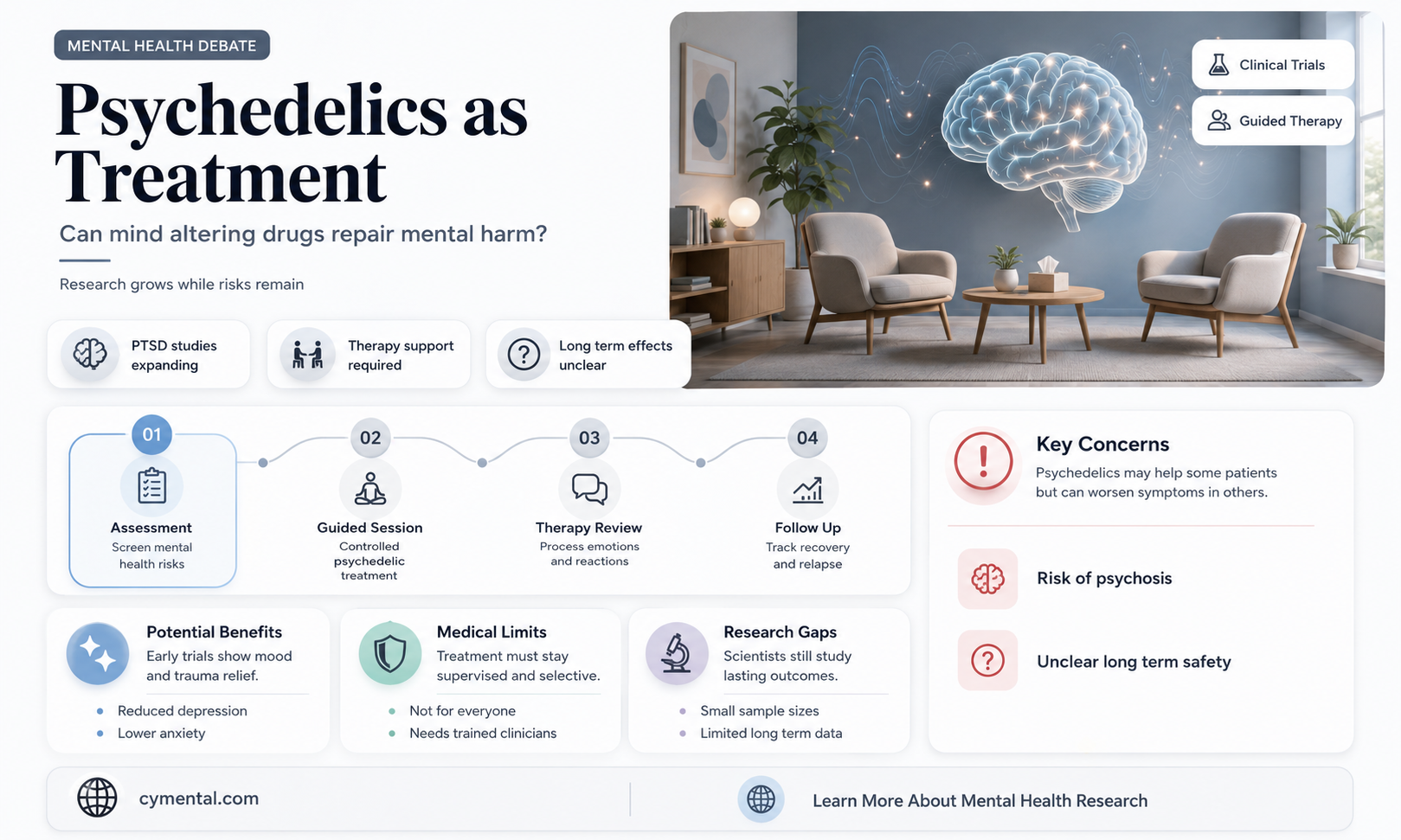
The potential of psychedelics in treating drug-induced mental illness has emerged as a compelling area of research, challenging traditional therapeutic approaches. Substances like psilocybin, LSD, and MDMA are being investigated for their ability to alleviate symptoms of conditions such as depression, anxiety, and PTSD, often exacerbated or triggered by substance abuse. Early studies suggest that these compounds, when administered in controlled settings, may facilitate profound psychological insights, promote neuroplasticity, and reset maladaptive brain patterns associated with addiction and mental health disorders. However, the ethical, legal, and safety considerations surrounding their use remain significant, prompting a cautious yet optimistic exploration of their therapeutic potential.
| Characteristics | Values |
|---|---|
| Current Research Status | Emerging but promising; clinical trials and studies are ongoing, particularly with substances like psilocybin, MDMA, and ketamine. |
| Target Conditions | Drug-induced mental illnesses such as depression, anxiety, PTSD, and addiction (e.g., alcoholism, opioid use disorder). |
| Mechanism of Action | Psychedelics modulate serotonin receptors (e.g., 5-HT2A) and promote neuroplasticity, potentially resetting maladaptive brain patterns caused by drug use. |
| Efficacy | Preliminary studies show significant reductions in symptoms for conditions like treatment-resistant depression and PTSD, with effects lasting weeks to months after a single dose. |
| Safety Profile | Generally considered safe when administered in controlled settings with psychological support; risks include transient anxiety, hallucinations, and potential exacerbation of psychosis in vulnerable individuals. |
| Regulatory Status | Largely illegal for recreational use in most countries; however, some substances (e.g., ketamine, esketamine) are approved for specific medical uses, and others (e.g., psilocybin) are in advanced trials. |
| Therapeutic Setting | Requires supervised, controlled environments with trained therapists to ensure safety and maximize therapeutic benefits. |
| Long-Term Effects | Limited long-term data, but some studies suggest sustained improvements in mental health and reduced substance use after psychedelic-assisted therapy. |
| Limitations | Not universally effective; individual responses vary, and more research is needed to understand optimal dosing, frequency, and patient selection criteria. |
| Public Perception | Shifting from stigma to acceptance as scientific evidence grows, but misconceptions and legal barriers remain significant challenges. |
| Future Directions | Increased focus on personalized medicine, combination therapies, and expanded clinical trials to establish psychedelics as mainstream treatments for drug-induced mental illnesses. |
Explore related products

$19.49 $22.95


What You'll Learn

Psychedelic therapy for PTSD from substance abuse
Substance abuse often leaves a trail of psychological scars, with Post-Traumatic Stress Disorder (PTSD) being a common yet debilitating aftermath. Traditional therapies and medications provide limited relief for many, but emerging research suggests that psychedelic-assisted therapy could offer a breakthrough. This innovative approach leverages substances like MDMA, psilocybin, and ketamine to facilitate profound emotional healing and cognitive restructuring in individuals grappling with PTSD stemming from substance abuse.
Consider the case of MDMA, a psychoactive compound historically associated with recreational use but now under clinical scrutiny for its therapeutic potential. In controlled settings, MDMA-assisted therapy involves administering a moderate dose (75–125 mg) in conjunction with psychotherapy sessions. The drug’s ability to reduce fear responses and enhance emotional openness allows patients to confront traumatic memories without being overwhelmed by anxiety. Clinical trials, including those by the Multidisciplinary Association for Psychedelic Studies (MAPS), have demonstrated significant symptom reduction in PTSD patients, with many achieving remission after just a few sessions. This method is particularly promising for individuals whose PTSD is intertwined with substance abuse, as it addresses both the trauma and the emotional triggers driving addictive behaviors.
However, implementing psychedelic therapy requires careful consideration of risks and ethical guidelines. Patients must be screened for contraindications, such as cardiovascular issues or a history of psychosis, as these substances can exacerbate underlying conditions. Additionally, the therapeutic environment is critical—sessions should be conducted in a safe, supportive space with trained professionals who can guide the patient through the psychedelic experience. For instance, ketamine, often used in lower doses (0.5–1.0 mg/kg) for rapid symptom relief, demands close monitoring due to its dissociative effects. While its fast-acting nature makes it appealing for acute cases, its potential for misuse necessitates strict protocols to prevent dependency.
Comparatively, psilocybin, the active compound in magic mushrooms, offers a different therapeutic pathway. Administered in microdoses (0.1–0.5 grams) or full doses (2–3 grams) in a controlled setting, psilocybin fosters introspection and emotional release, helping patients reframe their relationship with trauma and addiction. Unlike MDMA, which is more empathogenic, psilocybin’s effects are deeply introspective, often leading to profound personal insights. Studies have shown that this approach can reduce cravings and improve emotional regulation in individuals with substance-induced PTSD, though its legality remains a barrier in many regions.
In practice, integrating psychedelic therapy into treatment plans for PTSD from substance abuse requires a multidisciplinary approach. Clinicians must collaborate with psychiatrists, psychologists, and addiction specialists to tailor interventions to individual needs. Patients should also be educated about the process, including potential side effects and the importance of integration therapy—follow-up sessions that help make sense of the psychedelic experience. For example, journaling, mindfulness practices, and group therapy can enhance the long-term benefits of the treatment.
While still in its infancy, psychedelic therapy holds immense promise for those struggling with PTSD from substance abuse. Its ability to address both the psychological roots of trauma and the behavioral patterns of addiction offers a holistic solution where traditional methods fall short. As research advances and regulatory frameworks evolve, this approach could become a cornerstone of mental health treatment, transforming lives scarred by the dual burdens of trauma and addiction.
Mental Health's Impact on Skin Aging: Unveiling the Mind-Face Connection
You may want to see also
Explore related products


LSD and MDMA in addiction treatment
The potential of LSD and MDMA in addiction treatment is a fascinating and controversial area of research, offering a unique approach to addressing drug-induced mental health issues. These substances, once relegated to the fringes of medical exploration, are now being reconsidered for their therapeutic benefits, particularly in the context of addiction.
Unconventional Therapy: A Historical Perspective
In the 1950s and 1960s, LSD (lysergic acid diethylamide) was studied for its potential in treating alcoholism and addiction. Early trials suggested that a single high-dose LSD experience, combined with psychotherapy, could lead to significant reductions in alcohol consumption. For instance, a study by Humphry Osmond and Abram Hoffer in the 1950s reported that 40-45% of alcoholics treated with LSD remained abstinent or significantly reduced their drinking after a year. However, due to the substance's controversial nature and legal restrictions, research stalled, leaving many questions unanswered.
MDMA's Empathogenic Effect: A Modern Approach
MDMA (3,4-methylenedioxymethamphetamine), commonly known as ecstasy, has gained attention for its unique ability to induce empathy and emotional openness. In controlled therapeutic settings, MDMA-assisted psychotherapy has shown promise in treating PTSD, anxiety, and, more recently, addiction. The substance's effects can facilitate a deeper connection between the patient and therapist, allowing for the exploration of traumatic experiences and the development of new coping strategies. A typical MDMA-assisted therapy session involves a carefully monitored environment, with a standard dose ranging from 75 to 125 mg, followed by a supportive psychotherapy session.
Mechanism of Action: Rewiring the Brain
The therapeutic potential of LSD and MDMA lies in their ability to modulate brain function and promote neuroplasticity. LSD acts on serotonin receptors, particularly the 5-HT2A receptor, leading to altered states of consciousness and enhanced suggestibility. This state can be therapeutically utilized to challenge and reshape addictive behaviors and thought patterns. MDMA, on the other hand, increases the release of serotonin, dopamine, and norepinephrine, fostering a sense of well-being and emotional clarity. This unique pharmacological profile allows individuals to confront and process traumatic memories and emotions associated with their addiction.
Practical Considerations and Future Directions
Implementing LSD and MDMA-assisted therapies requires a highly controlled and supportive environment. These substances are not standalone treatments but tools to enhance psychotherapy. Patients should be carefully screened, and sessions should be conducted by trained professionals. The therapeutic alliance is crucial, as the intense experiences induced by these substances can be overwhelming. Follow-up integration sessions are essential to process and make sense of the experiences, ensuring long-term behavioral changes. While research is still in its early stages, the resurgence of interest in psychedelic-assisted therapies offers a promising avenue for treating drug-induced mental health disorders, providing a unique and potentially transformative approach to addiction treatment.
This guide highlights the specific role of LSD and MDMA, offering a glimpse into the potential of psychedelic-assisted therapies as a novel and powerful tool in the field of mental health and addiction treatment.
Strategies to Foster Mental Resilience and Prevent Psychological Disorders
You may want to see also
Explore related products



Psilocybin for antidepressant withdrawal symptoms
Antidepressant withdrawal, often referred to as discontinuation syndrome, can manifest as a range of distressing symptoms, including dizziness, nausea, insomnia, and mood swings. For individuals seeking alternatives to conventional tapering methods, psilocybin—the psychoactive compound in magic mushrooms—has emerged as a potential therapeutic option. Clinical trials exploring its efficacy in treating depression have inadvertently highlighted its role in alleviating withdrawal symptoms, suggesting a dual benefit for those transitioning off antidepressants.
Consider the process as a guided, intentional intervention rather than a casual experiment. Psilocybin-assisted therapy typically involves a single dose of 20–30 mg, administered in a controlled setting with psychological support. This approach contrasts with traditional tapering, which often spans weeks or months and may still leave individuals grappling with residual symptoms. The psychedelic experience, while intense, can offer a "reset" for the brain’s neurochemical pathways, potentially mitigating the protracted discomfort of withdrawal.
However, this method is not without risks. Psilocybin can induce anxiety, confusion, or even transient psychosis in susceptible individuals, particularly those with a history of mental health disorders. It is crucial to screen candidates thoroughly, excluding those with conditions like schizophrenia or severe bipolar disorder. Additionally, the legality of psilocybin remains a barrier in most regions, limiting access to clinical trials or underground networks, which carry their own ethical and safety concerns.
For those considering this path, preparation is key. Start by consulting a healthcare provider to assess suitability and discuss potential interactions with residual antidepressants. During the session, focus on creating a calm, supportive environment—soft lighting, familiar music, and a trusted guide can enhance the experience. Post-session integration, involving journaling or therapy, is essential to process insights and stabilize emotional gains. While not a panacea, psilocybin offers a promising, if unconventional, tool for navigating the challenges of antidepressant withdrawal.
CBD and Mental Health: Exploring Its Potential Benefits and Effects
You may want to see also
Explore related products

![Prime Screen [5 Pack] 6 Panel Urine Drug Test Kit (THC-Marijuana, BZO-Benzos, MET-Meth, OPI, AMP, COC), WDOA-264](https://m.media-amazon.com/images/I/71hU5zzuEaL._AC_UL320_.jpg)


Ketamine’s role in reversing drug-induced depression
Ketamine, originally developed as an anesthetic, has emerged as a groundbreaking treatment for drug-induced depression, offering rapid relief where traditional antidepressants often fall short. Unlike selective serotonin reuptake inhibitors (SSRIs), which can take weeks to show effects, ketamine acts within hours, targeting the brain’s glutamate system to restore neural connections damaged by substance abuse. This unique mechanism makes it particularly effective for individuals whose depression is exacerbated or triggered by drug use, such as opioids, alcohol, or stimulants. Studies show that a single intravenous infusion of 0.5 mg/kg of ketamine over 40 minutes can alleviate depressive symptoms in up to 70% of patients, providing a lifeline for those in acute distress.
Administering ketamine for drug-induced depression requires precision and caution. Treatment typically involves a series of six infusions over two to three weeks, with each session monitored by medical professionals to manage potential side effects like dissociation or elevated blood pressure. For long-term management, intranasal esketamine (a derivative of ketamine) has been approved for treatment-resistant depression, offering a more accessible alternative. However, it’s crucial to pair ketamine therapy with psychotherapy, such as cognitive-behavioral therapy (CBT), to address the underlying behavioral patterns contributing to drug use and depression. This dual approach ensures that the biological benefits of ketamine are complemented by sustainable psychological changes.
One of the most compelling aspects of ketamine’s role in treating drug-induced depression is its ability to break the cycle of addiction and mental health decline. For instance, individuals with opioid use disorder often experience severe depression as a withdrawal symptom, which can drive relapse. Ketamine’s rapid antidepressant effects can stabilize mood during this critical period, increasing the likelihood of successful recovery. A 2021 study published in *JAMA Psychiatry* found that ketamine-assisted therapy reduced depressive symptoms in patients with alcohol use disorder by 50% compared to placebo, highlighting its potential as a dual-purpose intervention.
Despite its promise, ketamine is not a one-size-fits-all solution. Its dissociative effects, while therapeutic for some, can be unsettling for others, particularly those with a history of psychosis or trauma. Additionally, repeated use without proper oversight carries risks of tolerance or misuse. Clinicians must carefully screen patients, excluding those with uncontrolled hypertension or active substance abuse, and ensure a supportive environment during treatment. For those who respond well, ketamine can be a transformative tool, offering not just symptom relief but a renewed sense of hope and agency in the face of drug-induced mental illness.
Shipping the Mentally Ill to California: Nevada's Controversial Solution
You may want to see also
Explore related products


Safety of psychedelics in mentally vulnerable populations
Psychedelics, when administered in controlled settings, have shown promise in treating drug-induced mental illnesses, but their safety in mentally vulnerable populations remains a critical concern. These individuals, often struggling with conditions like schizophrenia, bipolar disorder, or severe PTSD, may exhibit heightened sensitivity to the psychoactive effects of substances like psilocybin or LSD. For instance, a study published in *JAMA Psychiatry* highlighted that individuals with a family history of psychosis experienced more intense and prolonged psychological distress after psychedelic use. This underscores the need for rigorous screening and personalized protocols to mitigate risks.
Consider the dosage and setting as pivotal factors in ensuring safety. Microdosing, typically defined as 10-20% of a recreational dose (e.g., 0.1-0.3 grams of psilocybin mushrooms), has been explored as a safer alternative for vulnerable populations. However, even microdosing requires careful monitoring, as cumulative effects or individual variability can lead to unintended outcomes. Clinicians must also prioritize a supportive environment, including the presence of trained therapists, to manage potential emotional or psychological destabilization. For example, a 2021 study in *Nature Medicine* found that patients with treatment-resistant depression benefited from psilocybin therapy when paired with extensive pre- and post-session counseling.
A comparative analysis reveals that psychedelics may pose fewer risks than traditional antipsychotics or benzodiazepines in certain cases, but this does not negate the need for caution. Unlike conventional medications, psychedelics can induce profound alterations in perception and cognition, which may exacerbate symptoms in vulnerable individuals. For instance, a patient with bipolar disorder might experience a manic episode triggered by the euphoric effects of MDMA. Thus, clinicians must weigh the potential therapeutic benefits against the risk of destabilization, particularly in those with a history of psychotic episodes or severe mood disorders.
Practically, implementing safety measures involves a multi-step approach. First, conduct a thorough psychiatric evaluation to identify contraindications, such as a personal or familial history of psychosis. Second, establish clear inclusion criteria, limiting participation to individuals over 25 years old, as younger brains are more susceptible to long-term changes from psychedelic use. Third, ensure access to emergency psychiatric care during and after sessions. Finally, educate patients and caregivers about warning signs of adverse reactions, such as persistent anxiety or dissociative symptoms, and provide resources for immediate intervention.
In conclusion, while psychedelics hold therapeutic potential for drug-induced mental illnesses, their use in vulnerable populations demands meticulous planning and caution. By focusing on individualized dosing, controlled environments, and robust safety protocols, clinicians can maximize benefits while minimizing risks. This approach not only safeguards patients but also advances the responsible integration of psychedelics into mental health treatment paradigms.
Supporting Mental Health: How to Effectively Help Someone Struggling with Illness
You may want to see also
Frequently asked questions
Research suggests that psychedelics, such as psilocybin, MDMA, and ketamine, may have therapeutic potential in treating certain mental health conditions, including those exacerbated or induced by drug use. However, their effectiveness and safety are still under investigation, and they are not yet widely approved for this purpose.
Psychedelics may help by promoting neuroplasticity, resetting brain circuits affected by substance use, and facilitating emotional processing. They are often used in conjunction with therapy to address underlying psychological issues contributing to mental illness.
While psychedelics show promise, they are not without risks. Potential side effects include psychological distress, hallucinations, and exacerbation of existing mental health conditions. They should only be used under professional supervision in controlled settings.
Studies have shown that substances like ketamine can rapidly reduce symptoms of depression and PTSD, while MDMA-assisted therapy has been effective for treatment-resistant PTSD. Psilocybin is also being explored for depression and anxiety. However, more research is needed to establish their efficacy specifically for drug-induced mental illness.