Harper Lewis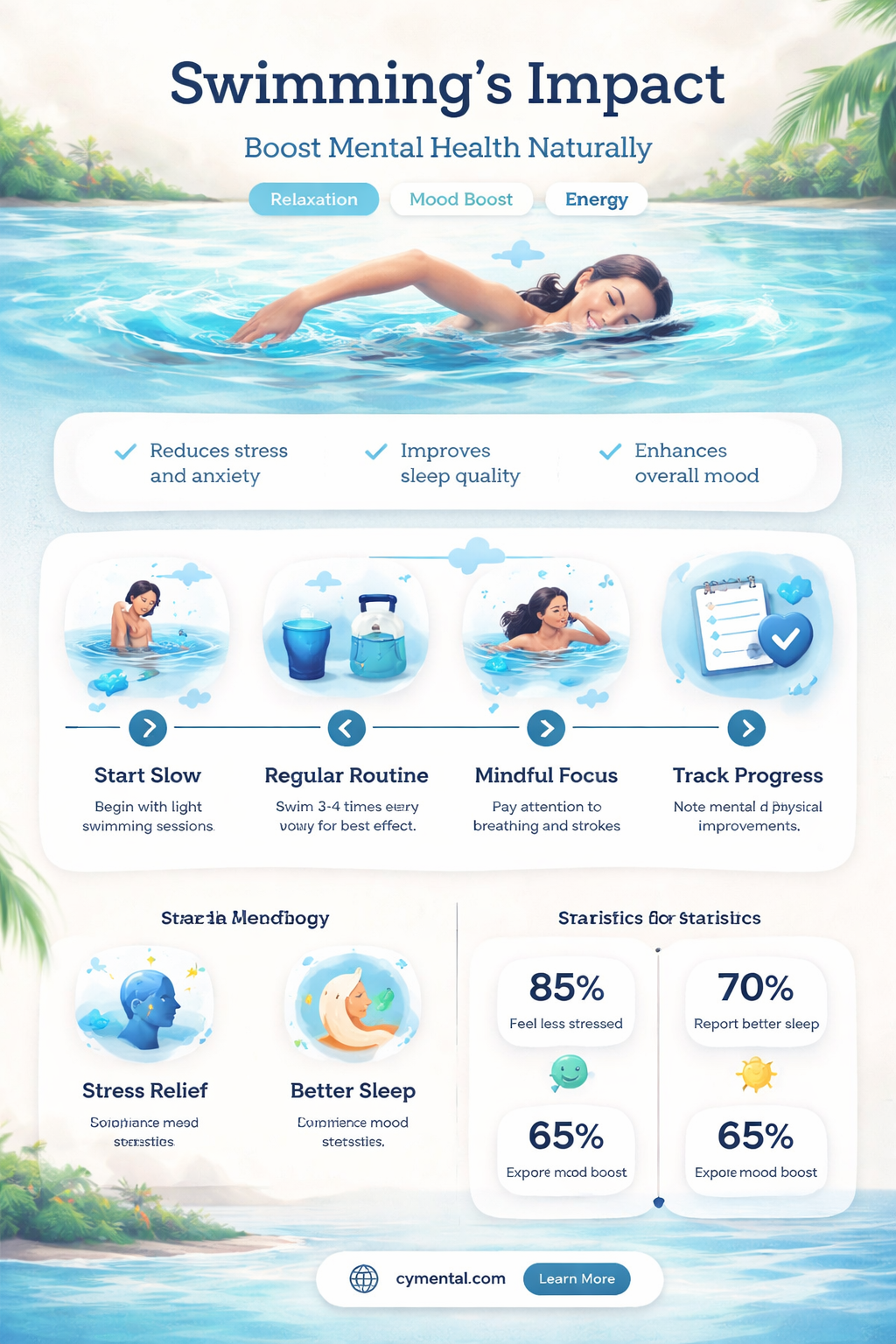
Swimming has long been celebrated for its physical health benefits, but its positive impact on mental health is gaining increasing attention. Engaging in this low-impact, full-body exercise triggers the release of endorphins, often referred to as feel-good hormones, which can reduce stress, anxiety, and symptoms of depression. The rhythmic and meditative nature of swimming, combined with the soothing properties of water, promotes relaxation and mindfulness, helping individuals clear their minds and focus on the present moment. Additionally, swimming fosters a sense of accomplishment and can boost self-esteem, while the social aspect of joining a swim group or class provides opportunities for connection and community support. As research continues to uncover the mental health benefits of swimming, it is increasingly recognized as a holistic activity that nurtures both the body and mind.
| Characteristics | Values |
|---|---|
| Stress Reduction | Swimming triggers the release of endorphins, reducing stress hormones like cortisol. |
| Mood Enhancement | Regular swimming is linked to improved mood and reduced symptoms of depression and anxiety. |
| Mindfulness and Focus | The rhythmic nature of swimming promotes mindfulness, helping to clear the mind and improve focus. |
| Physical Activity Benefits | As a full-body workout, swimming boosts overall physical health, which positively impacts mental well-being. |
| Social Interaction | Joining swim groups or classes can reduce feelings of loneliness and foster social connections. |
| Improved Sleep | Regular swimming helps regulate sleep patterns, contributing to better mental health. |
| Neuroplasticity | Swimming increases blood flow to the brain, promoting neuroplasticity and cognitive function. |
| Accessibility | Swimming is low-impact and accessible to people of all ages and fitness levels, making it inclusive. |
| Outdoor Connection | Open-water swimming provides exposure to nature, which is proven to reduce anxiety and improve mood. |
| Long-Term Mental Health Benefits | Consistent swimming is associated with reduced risk of long-term mental health issues like dementia. |
Explore related products


What You'll Learn

Stress reduction through swimming
Swimming’s rhythmic, repetitive motions act as a natural stress reliever, engaging both body and mind in a way few activities can. Unlike high-impact exercises, the buoyancy of water reduces joint strain, allowing for prolonged, fluid movement that triggers the release of endorphins—the body’s natural mood elevators. A 2014 study published in the *Journal of Sport and Health Science* found that swimmers reported lower stress levels compared to non-swimmers, attributing this to the meditative quality of laps and the immersive sensory experience of water.
To harness swimming’s stress-reducing benefits, aim for 20–30 minutes of moderate-intensity swimming, 3–4 times per week. Beginners can start with shorter sessions, gradually increasing duration as endurance improves. Incorporate breathing techniques, such as inhaling deeply before strokes and exhaling slowly underwater, to enhance relaxation. For added mindfulness, focus on the sound of water and the sensation of movement, letting external worries fade into the background.
Comparatively, swimming offers advantages over land-based exercises for stress relief. Unlike running or weightlifting, the water’s hydrostatic pressure promotes better blood circulation and lowers cortisol levels, the hormone associated with stress. Additionally, the absence of gravity’s full force allows for a more meditative state, akin to yoga but with the added benefit of cardiovascular exercise. This dual effect makes swimming a uniquely effective tool for both physical and mental decompression.
Practical tips can maximize swimming’s stress-reduction potential. Opt for quieter pool times or open-water locations to minimize distractions. Incorporate variety by alternating strokes—freestyle for rhythm, breaststroke for slower focus, or backstroke for tension release in the neck and shoulders. For those with access to warm pools, the added heat can further relax muscles and enhance the calming effect. Finally, pair swimming with a post-session ritual, like a warm shower or light stretching, to prolong the sense of tranquility.
In conclusion, swimming isn’t just a physical workout; it’s a holistic stress-management tool. By combining aerobic exercise, sensory immersion, and mindful movement, it addresses stress at its physiological and psychological roots. Whether you’re a seasoned swimmer or a novice, the pool offers a sanctuary where tension dissolves with every stroke, leaving clarity and calm in its wake.
Swimming to Serenity: How Fish Can Boost Your Mental Health
You may want to see also
Explore related products


Swimming's impact on anxiety levels
Swimming’s rhythmic, repetitive motions act as a natural anxiolytic, calming the nervous system through predictable physical engagement. Unlike high-impact exercises, the buoyancy of water reduces stress on the body, allowing for prolonged activity without strain. Research suggests that 30 minutes of moderate swimming three times a week can significantly lower cortisol levels, the hormone associated with anxiety. This structured routine not only provides physical benefits but also creates a mental anchor, helping individuals regain control over their anxiety triggers.
Consider the sensory experience of swimming: the sound of water, the coolness against the skin, and the pressure of buoyancy. These elements combine to create a meditative environment, distracting the mind from anxious thoughts. For instance, cold water swimming, though initially shocking, has been shown to activate the parasympathetic nervous system, promoting relaxation. However, this practice should be approached cautiously, starting with short dips in water temperatures above 60°F and gradually increasing exposure under professional guidance.
Comparatively, swimming offers unique advantages over land-based exercises for anxiety management. While running or weightlifting can spike adrenaline, swimming’s low-impact nature maintains a steady heart rate, fostering a sense of calm. Additionally, the solitude of laps in a pool or open water provides a mental break from external stressors, akin to mindfulness practices. Studies indicate that individuals who swim regularly report a 20% reduction in anxiety symptoms compared to non-swimmers, highlighting its efficacy as a complementary therapy.
For those integrating swimming into an anxiety management plan, consistency is key. Start with shorter sessions, focusing on steady strokes like freestyle or breaststroke, and gradually increase duration. Incorporating breathing exercises, such as inhaling for three strokes and exhaling for five, enhances relaxation. Group swimming or aqua therapy classes can also provide social support, reducing feelings of isolation often associated with anxiety. Always consult a healthcare provider before beginning any new exercise regimen, especially if anxiety is severe or co-occurring with other conditions.
Self Care and Mental Health: Unlocking Inner Peace and Resilience
You may want to see also
Explore related products


Mood enhancement via aquatic exercise
Swimming isn’t just a physical workout; it’s a powerful tool for mood enhancement, particularly when framed as aquatic exercise. Research shows that water-based activities trigger the release of endorphins, the body’s natural "feel-good" chemicals, more effectively than land-based exercises due to the unique sensory and physiological experience of being in water. The buoyancy reduces joint stress, allowing for freer movement, while the hydrostatic pressure promotes relaxation by mimicking a gentle massage on the skin. For instance, a 2014 study published in the *Journal of Aquatic Physical Therapy* found that participants reported significant reductions in tension and improvements in mood after just 20 minutes of moderate-intensity aquatic exercise.
To harness these benefits, consider incorporating structured aquatic routines into your weekly schedule. Aim for 30–45 minutes of swimming, water aerobics, or even gentle treading water three times a week. For older adults or those with joint issues, warm-water pools (maintained at 83–88°F) enhance comfort and flexibility. Younger adults or fitness enthusiasts can opt for cooler pools (78–82°F) to maximize calorie burn and cardiovascular benefits. Pro tip: Combine rhythmic breathing with your strokes—inhale for three strokes, exhale for five—to deepen relaxation and focus.
Comparatively, aquatic exercise offers advantages over traditional gym workouts for mood enhancement. The immersive environment minimizes distractions, creating a meditative state that’s harder to achieve on land. Unlike running or weightlifting, where impact and strain can induce stress, water’s resistance provides a challenging yet low-impact workout. For example, a 2017 study in *Frontiers in Psychology* highlighted that swimmers reported lower levels of anxiety and depression compared to non-swimmers, attributing this to the dual benefits of physical exertion and sensory immersion.
However, maximizing mood enhancement through aquatic exercise requires mindful execution. Avoid overcrowded pools, as noise and competition can negate the calming effects. Instead, opt for early morning or late evening sessions when facilities are quieter. Incorporate variety—try interval training one day and leisurely laps the next—to keep the experience engaging. For those new to swimming, start with basic strokes like freestyle or breaststroke, gradually increasing intensity as endurance improves. Remember, consistency is key; even short, regular sessions yield cumulative mental health benefits.
In conclusion, aquatic exercise is a scientifically backed, accessible method for boosting mood. Its combination of physical challenge, sensory relaxation, and stress reduction makes it a standout choice for mental well-being. Whether you’re a seasoned swimmer or a water novice, diving into this practice could be the refreshing change your mind needs.
Animal Companionship: Boosting Mental Health and Emotional Well-Being in Humans
You may want to see also
Explore related products


Swimming and depression symptom relief
Swimming’s rhythmic, repetitive nature mimics meditative practices, making it a potent tool for alleviating depression symptoms. Unlike high-impact exercises, swimming engages the entire body in a low-stress environment, releasing endorphins while minimizing joint strain. Studies suggest that 30 minutes of moderate swimming, three to five times a week, can significantly reduce symptoms of mild to moderate depression. The buoyancy of water also creates a sense of weightlessness, which many find calming, particularly for those whose depression is compounded by physical discomfort or chronic pain.
Consider the case of cold water swimming, a growing trend backed by emerging research. Exposure to cold water triggers the release of norepinephrine, a neurotransmitter that can improve mood and reduce anxiety. A 2022 study published in *Scientific Reports* found that regular cold water swimmers reported lower depression scores compared to non-swimmers. However, this practice requires caution: start with short dips in water temperatures above 15°C (59°F), gradually increasing exposure under professional guidance to avoid shock or hypothermia.
For those seeking a structured approach, incorporating swimming into a routine can provide a sense of accomplishment and predictability, both of which are often disrupted by depression. Begin with a simple goal, such as swimming two laps without stopping, and gradually increase intensity. Pairing swimming with social interaction, like joining a local swim group, can amplify its benefits by combating isolation, a common depression trigger. For older adults or individuals with mobility issues, water aerobics or gentle lap swimming offers similar mental health benefits without the strain of more vigorous activity.
While swimming is not a standalone cure for depression, it serves as a complementary therapy that addresses both physical and emotional symptoms. The combination of aerobic exercise, sensory stimulation, and mindfulness creates a holistic approach to mental health. For maximum effectiveness, combine swimming with other evidence-based treatments, such as cognitive-behavioral therapy or medication, under the guidance of a healthcare professional. As with any new exercise regimen, consult a doctor before starting, especially if you have underlying health conditions.
Can Individuals Be Legally Compelled to Seek Mental Health Treatment?
You may want to see also
Explore related products


Cognitive benefits of regular swimming
Swimming isn’t just a full-body workout; it’s a cognitive enhancer. Research shows that regular swimming, particularly in adults over 50, can improve memory, attention, and problem-solving skills. A study published in the *Journal of Aging and Physical Activity* found that swimmers demonstrated better cognitive performance compared to non-swimmers, likely due to increased blood flow to the brain and the release of neurotrophic factors that support neuron growth. Aim for at least 30 minutes of moderate-intensity swimming, three to four times a week, to reap these benefits.
Consider the meditative rhythm of swimming laps: the repetitive strokes, the sound of water, the focus on breathing. This combination creates a unique mental state akin to mindfulness, reducing stress while sharpening focus. Unlike high-impact exercises, swimming’s low-stress nature allows the mind to enter a flow state, enhancing cognitive clarity. For beginners, start with shorter sessions (10–15 minutes) and gradually increase duration as endurance improves. Incorporate breathing exercises, like inhaling for three strokes and exhaling for five, to deepen the mind-body connection.
Cold water swimming, while intense, offers distinct cognitive advantages. Exposure to cold water triggers the release of norepinephrine, a neurotransmitter linked to improved alertness and mood regulation. A 2021 study in the *British Medical Journal* suggested that regular cold water immersion could reduce symptoms of depression and anxiety while boosting cognitive resilience. However, caution is key: begin with brief dips (1–2 minutes) in water temperatures above 15°C, and always swim with a buddy or in supervised areas to avoid risks like hypothermia.
For children and adolescents, swimming isn’t just play—it’s brain-building. A study in *Pediatrics* found that kids who participated in swim lessons scored higher on cognitive tests, particularly in areas of visual-motor skills and mathematical reasoning. The structured yet creative nature of swimming lessons fosters discipline and problem-solving, while the sensory experience of water enhances neural connectivity. Parents can enroll children as young as six months in water familiarization programs, progressing to structured lessons by age four for optimal cognitive and physical development.
Finally, swimming’s cognitive benefits extend to stress reduction and emotional regulation. The hydrostatic pressure of water acts as a natural anxiolytic, lowering cortisol levels and promoting relaxation. Pair this with the endorphin rush from physical activity, and you have a potent recipe for mental clarity. To maximize this effect, combine swimming with outdoor environments, such as open-water swims or pool sessions with natural light, which amplify mood-enhancing benefits. Whether you’re a competitive swimmer or a casual lap enthusiast, the pool is more than a place to exercise—it’s a sanctuary for the mind.
Cycling for Mental Health: Benefits, Science, and Personal Stories
You may want to see also
Frequently asked questions
Yes, swimming has been shown to reduce stress and anxiety by releasing endorphins, promoting relaxation, and providing a meditative effect through rhythmic movements and controlled breathing.
Absolutely, swimming boosts mood by increasing serotonin and dopamine levels, while the physical activity and social interaction (if swimming with others) can help alleviate symptoms of depression.
Swimming enhances mental clarity by increasing blood flow to the brain, reducing cortisol levels, and providing a break from daily stressors, allowing for improved focus and cognitive function.
Yes, swimming can be therapeutic for individuals with PTSD or trauma, as the water's buoyancy and rhythmic nature create a calming environment, while the physical exertion helps reduce hyperarousal symptoms.