Lucas Bennett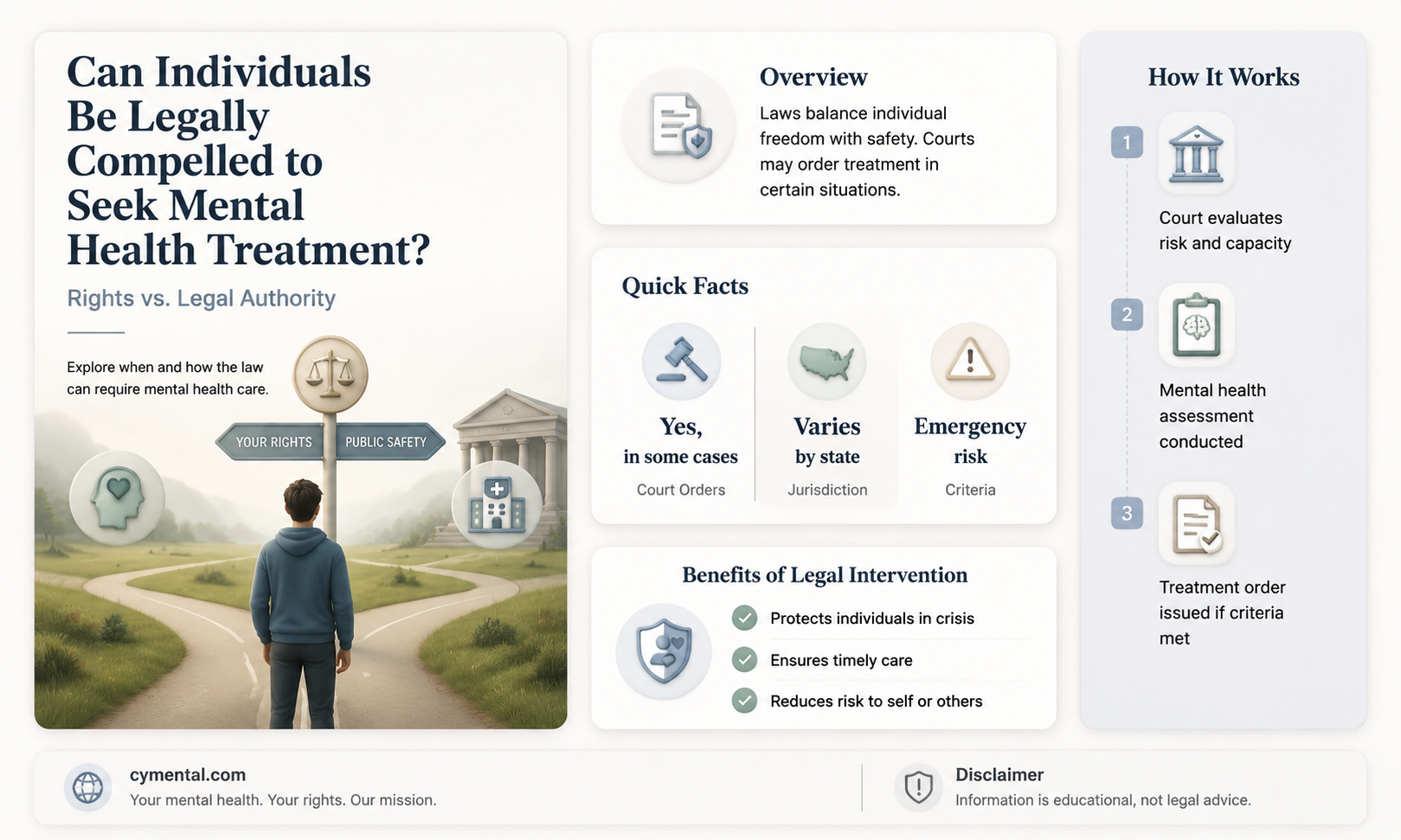
The question of whether someone can be forced to receive mental health treatment is a complex and contentious issue that intersects ethics, law, and healthcare. While the intention behind such interventions is often to protect individuals from harm or prevent deterioration of their mental state, it raises significant concerns about autonomy, human rights, and the potential for coercion. In many jurisdictions, involuntary commitment or treatment is legally permissible under specific circumstances, such as when a person poses an imminent danger to themselves or others, but these processes are typically subject to strict criteria and oversight. Critics argue that forced treatment can undermine trust in the mental health system and exacerbate stigma, while proponents emphasize its role in providing critical care to those who may lack insight into their condition. Balancing the need for protection with respect for individual freedom remains a delicate challenge in addressing this sensitive topic.
| Characteristics | Values |
|---|---|
| Legal Basis | Varies by jurisdiction; often requires proof of danger to self or others. |
| Involuntary Commitment Criteria | Severe mental illness, inability to care for oneself, or imminent harm. |
| Process | Court order, medical evaluation, or emergency hold (e.g., 72-hour hold). |
| Duration of Treatment | Temporary (e.g., until stabilized) or long-term based on legal decision. |
| Patient Rights | Right to legal representation, appeal, and periodic review of commitment. |
| Common Jurisdictions | U.S. (state-specific laws), UK (Mental Health Act), Australia, Canada. |
| Ethical Considerations | Balancing individual autonomy with public safety and welfare. |
| Alternatives | Outpatient treatment, community support, voluntary admission. |
| Success Rates | Varies; often depends on follow-up care and support systems. |
| Public Perception | Mixed; concerns about coercion vs. necessity for severe cases. |
Explore related products


What You'll Learn
- Legal Grounds for Involuntary Commitment: Criteria for forcing mental health treatment under law
- Ethical Concerns: Balancing individual autonomy with public safety and well-being
- Emergency Interventions: Immediate actions taken when someone poses a risk to self/others
- Family and Caregiver Roles: How families can initiate involuntary mental health evaluations
- Alternatives to Coercion: Voluntary treatment options and supportive interventions to avoid force

Legal Grounds for Involuntary Commitment: Criteria for forcing mental health treatment under law
Involuntary commitment, the legal process of compelling an individual to receive mental health treatment against their will, is a complex and highly regulated practice. It raises ethical, legal, and medical questions, but it is sometimes deemed necessary to protect individuals and the public. The criteria for such actions vary by jurisdiction but generally hinge on a combination of danger to self or others and the inability to make informed decisions due to severe mental impairment.
Criteria for Involuntary Commitment
Most legal frameworks require three core conditions to be met before involuntary commitment can proceed. First, the individual must have a diagnosed mental illness. Second, they must pose a substantial risk of harm to themselves or others, often evidenced by recent behavior such as suicidal attempts, violent acts, or severe neglect of basic needs. Third, they must be deemed incapable of making rational decisions about their treatment due to the severity of their condition. For example, in the United States, many states use the "grave disability" standard, which includes inability to provide for essential needs like food, clothing, or shelter.
Legal Process and Safeguards
Involuntary commitment is not a unilateral decision but a judicial process. It typically begins with a petition filed by a mental health professional, family member, or law enforcement officer. A court hearing follows, where evidence is presented to demonstrate that the criteria are met. The individual in question has the right to legal representation and may present their own case. If committed, periodic reviews are mandated to reassess their condition and the need for continued treatment. For instance, in the UK, the Mental Health Act 1983 requires regular reviews by an independent tribunal to ensure the commitment remains justified.
Comparative Approaches
Different countries adopt varying approaches to involuntary commitment, reflecting cultural and legal differences. In the United States, the process is highly decentralized, with each state setting its own criteria and procedures. In contrast, countries like Germany and Sweden emphasize a more collaborative model, involving the individual in treatment decisions whenever possible and prioritizing less restrictive alternatives. Australia’s Mental Health Act, for example, requires that involuntary treatment be the "least restrictive option" available, highlighting a global trend toward balancing public safety with individual rights.
Practical Considerations
For those involved in the process—whether as petitioners, legal representatives, or mental health professionals—understanding the nuances of local laws is critical. Documentation of the individual’s behavior and condition must be thorough and objective, as it forms the basis for legal decisions. Families should be aware that involuntary commitment is often a last resort and may strain relationships, so exploring voluntary treatment options first is advisable. Mental health professionals must navigate the ethical dilemma of overriding patient autonomy while ensuring safety, often relying on multidisciplinary teams to make informed decisions.
Takeaway
Involuntary commitment is a powerful tool that must be wielded carefully to balance individual autonomy with public safety. While the criteria and processes vary, the underlying principle remains the same: protecting those who cannot protect themselves due to severe mental illness. Understanding the legal grounds and procedural safeguards is essential for anyone involved, ensuring that this intervention is used judiciously and humanely.
Seeking Support: A Guide to Asking for Mental Health Assistance
You may want to see also
Explore related products


Ethical Concerns: Balancing individual autonomy with public safety and well-being
In the United States, involuntary commitment laws allow individuals with severe mental illness to be hospitalized against their will if they pose a danger to themselves or others. This legal framework, while intended to protect public safety, raises profound ethical questions about the limits of individual autonomy. For instance, a person experiencing acute psychosis might refuse treatment, believing they are not ill. Forcing them into care can be seen as a violation of their rights, yet failing to intervene could lead to self-harm or harm to others. This dilemma underscores the delicate balance between respecting personal freedom and ensuring community well-being.
Consider the case of outpatient commitment programs, which mandate individuals to adhere to treatment plans while living in the community. These programs aim to reduce hospitalization rates and improve long-term outcomes for those with chronic mental illnesses like schizophrenia or bipolar disorder. However, they require court orders and ongoing monitoring, which can feel coercive. Proponents argue that such measures prevent crises and promote stability, while critics contend they infringe on autonomy and may stigmatize individuals further. The challenge lies in designing systems that respect dignity while addressing urgent needs.
A comparative analysis of international approaches reveals varying priorities. In countries like Sweden, mental health care emphasizes voluntary treatment and patient consent, even in severe cases. Contrastingly, the UK’s Mental Health Act allows for detention under specific criteria, balancing rights with risk management. These models highlight the cultural and legal nuances in addressing autonomy versus safety. For instance, Sweden’s approach may reduce coercion but could leave some individuals untreated, whereas the UK’s system risks overreach. Policymakers must weigh these trade-offs when crafting laws.
To navigate this ethical terrain, practical steps can be taken. First, involve mental health professionals in assessing risk, ensuring decisions are evidence-based rather than reactive. Second, prioritize informed consent wherever possible, using tools like advance directives to document individuals’ preferences during lucid periods. Third, invest in community-based resources, such as crisis intervention teams, to provide alternatives to forced treatment. Finally, establish oversight mechanisms, like independent review boards, to safeguard against abuses of power. These measures can help strike a balance that respects autonomy while protecting public safety.
Ultimately, the tension between individual autonomy and public well-being in mental health care is not resolvable through a one-size-fits-all solution. It demands ongoing dialogue, ethical vigilance, and adaptive policies. By acknowledging the complexities and implementing thoughtful safeguards, societies can strive to honor both the rights of individuals and their collective responsibilities. This approach ensures that forced intervention remains a last resort, used judiciously and with compassion.
Reflexology and Mental Health: Unlocking Natural Stress Relief and Wellness
You may want to see also
Explore related products


$36.14 $59.99


Emergency Interventions: Immediate actions taken when someone poses a risk to self/others
In crisis situations where an individual's mental health deteriorates to the point of self-harm or harm to others, emergency interventions become necessary. These interventions are not about punishment or control but about ensuring safety and providing immediate care. The process often begins with a psychiatric hold, a legal mechanism allowing professionals to detain someone for evaluation and treatment against their will if they meet specific criteria. For instance, in the U.S., this is commonly known as a "5150" hold in California, permitting up to 72 hours of involuntary hospitalization. Similar protocols exist globally, such as the Mental Health Act 1983 in the UK, which allows for assessment and treatment under Section 2 for up to 28 days.
The decision to initiate such interventions rests on clear indicators of risk. These include explicit threats of suicide, homicidal ideation, or behaviors like severe aggression or psychotic episodes. For example, a person experiencing command hallucinations instructing them to harm others would warrant immediate action. It’s crucial to involve trained professionals—law enforcement, paramedics, or mental health crisis teams—who can assess the situation objectively. Family members or bystanders should avoid attempting to manage the crisis alone, as this can escalate tensions or lead to unintended harm.
Once the individual is in a controlled environment, the focus shifts to stabilization and assessment. This often involves administering rapid-acting medications to address acute symptoms, such as benzodiazepines for agitation or antipsychotics for severe psychosis. For instance, intramuscular haloperidol (5–10 mg) or lorazepam (1–2 mg) may be used in cases of extreme agitation. Concurrently, a comprehensive psychiatric evaluation is conducted to determine the underlying condition and appropriate long-term treatment plan. The goal is to transition the individual from involuntary to voluntary care whenever possible, fostering trust and cooperation.
Emergency interventions are not without ethical and practical challenges. Critics argue they can infringe on personal autonomy, particularly when the threshold for involuntary commitment is unclear or inconsistently applied. To mitigate this, many jurisdictions require judicial oversight, ensuring the process is fair and evidence-based. For example, in some U.S. states, a court hearing must occur within 48 hours of a psychiatric hold to determine if continued detention is justified. Additionally, cultural sensitivity is vital, as perceptions of mental illness and authority vary widely, influencing how individuals and communities respond to such interventions.
In practice, these interventions serve as a critical safety net, but they are just the first step. Long-term support systems, such as outpatient therapy, medication management, and community resources, are essential to prevent future crises. For instance, programs like Assertive Community Treatment (ACT) provide intensive, wraparound services for individuals with severe mental illness, reducing the likelihood of relapse and hospitalization. By combining immediate crisis management with sustained care, emergency interventions can be both life-saving and transformative, offering a pathway to recovery rather than merely a temporary solution.
Animal Companionship: Boosting Mental Health and Emotional Well-Being in Humans
You may want to see also
Explore related products


Family and Caregiver Roles: How families can initiate involuntary mental health evaluations
In the United States, families and caregivers often find themselves in a difficult position when a loved one is struggling with severe mental health issues but refuses treatment. The question of whether someone can be forced to get mental help is complex, governed by a patchwork of state laws and ethical considerations. However, in certain circumstances, families can initiate involuntary mental health evaluations as a last resort to ensure safety and access to care.
Understanding the Legal Framework
Most states allow for involuntary commitment or evaluation if an individual poses a danger to themselves or others due to their mental health condition. The process typically requires filing a petition with a court or contacting local mental health authorities. For example, in California, family members can request a 72-hour psychiatric hold (known as a 5150) by providing evidence of the individual’s risk. In Florida, a similar process exists under the Baker Act, where law enforcement or mental health professionals can initiate an evaluation. Understanding your state’s specific criteria and procedures is the first step in navigating this challenging process.
Steps to Initiate an Involuntary Evaluation
To begin, document specific behaviors that demonstrate the individual’s inability to care for themselves or their potential for harm. This might include self-harm attempts, severe neglect of personal hygiene, or threats of violence. Next, contact your local crisis intervention team, mental health department, or law enforcement, depending on the severity of the situation. Be prepared to provide detailed information about the individual’s recent actions and history of mental health struggles. In some cases, a mental health professional will assess the individual to determine if involuntary commitment is warranted.
Ethical Considerations and Emotional Impact
While involuntary evaluations can be life-saving, they are not without ethical dilemmas. Forcing someone into treatment can strain relationships and erode trust. Families must weigh the immediate need for intervention against the long-term impact on the individual’s autonomy and dignity. It’s crucial to approach this process with empathy, ensuring the individual feels supported rather than punished. Involving a therapist or mediator can help navigate these complexities and foster understanding between all parties.
Practical Tips for Families
If you’re considering this route, educate yourself about mental health conditions and available resources. Organizations like the National Alliance on Mental Illness (NAMI) offer guidance for families in crisis. Maintain open communication with the individual whenever possible, expressing concern rather than judgment. After an evaluation, advocate for a comprehensive treatment plan that includes therapy, medication, and community support. Remember, involuntary evaluation is a temporary measure—the ultimate goal is to stabilize the individual and transition them to voluntary, long-term care.
Initiating an involuntary mental health evaluation is a significant decision that requires careful thought and preparation. By understanding the legal process, documenting evidence, and approaching the situation with compassion, families can play a critical role in securing help for their loved ones. While it’s not an easy path, it can be a necessary step toward recovery and safety.
Playing Piano: A Therapeutic Key to Enhancing Mental Well-Being
You may want to see also
Explore related products


Alternatives to Coercion: Voluntary treatment options and supportive interventions to avoid force
In the realm of mental health care, the question of whether someone can be forced to receive treatment is complex and ethically charged. However, the focus on coercion often overshadows the effectiveness of voluntary treatment options and supportive interventions. These alternatives not only respect individual autonomy but also foster trust and long-term engagement in care. For instance, motivational interviewing (MI) is a proven technique where clinicians use open-ended questions and reflective listening to help individuals explore their ambivalence about treatment. Studies show that MI can increase treatment adherence by up to 30% in populations resistant to mental health services, particularly among adolescents and young adults aged 15–25.
One practical alternative to coercion is the implementation of peer support programs, where individuals with lived experience of mental health challenges provide guidance and encouragement. These programs have been particularly effective in reducing stigma and building rapport. For example, a 2020 study found that individuals participating in peer-led interventions were 40% more likely to voluntarily seek therapy or medication management compared to those in traditional care models. Peer support is especially impactful for marginalized communities, where systemic distrust of healthcare systems often acts as a barrier to treatment.
Another powerful tool is crisis respite centers, which offer short-term, voluntary residential stays as an alternative to involuntary hospitalization. These centers provide a safe, non-judgmental environment where individuals can stabilize during acute episodes without the use of force. A 2019 evaluation of such centers in the U.S. revealed that 85% of participants avoided involuntary commitment and reported improved coping skills after their stay. For maximum effectiveness, respite centers should offer 24/7 access, individualized care plans, and follow-up support for up to 30 days post-discharge.
Finally, advance directives for mental health empower individuals to outline their treatment preferences in advance, reducing the likelihood of coercion during crises. These legal documents allow people to specify which treatments they would accept or refuse, designate trusted decision-makers, and even include personalized coping strategies. Research indicates that individuals with advance directives are 50% less likely to experience involuntary treatment. To implement this, mental health providers should routinely discuss advance directives with patients, particularly those with severe or chronic conditions, and ensure these documents are accessible to all care team members.
By prioritizing voluntary treatment options and supportive interventions, the mental health system can move away from reliance on coercion. These alternatives not only uphold ethical standards but also improve outcomes by fostering collaboration, trust, and self-determination. For policymakers, clinicians, and advocates, investing in these approaches is a critical step toward a more humane and effective mental health care system.
Seeking Support: A Guide to Accessing Mental Health Assistance
You may want to see also
Frequently asked questions
In some cases, yes. Depending on the jurisdiction, individuals who pose a danger to themselves or others due to severe mental illness may be involuntarily committed for treatment under court order or emergency protocols.
Generally, the person must be evaluated by a mental health professional and deemed a risk to themselves or others, or unable to care for their basic needs due to their mental state. Laws vary by location, but these criteria are typically required for involuntary treatment.
Family members cannot force treatment on their own, but they can initiate the process by contacting mental health professionals or authorities. Ultimately, a legal or medical determination is needed to mandate treatment.