Caleb Wright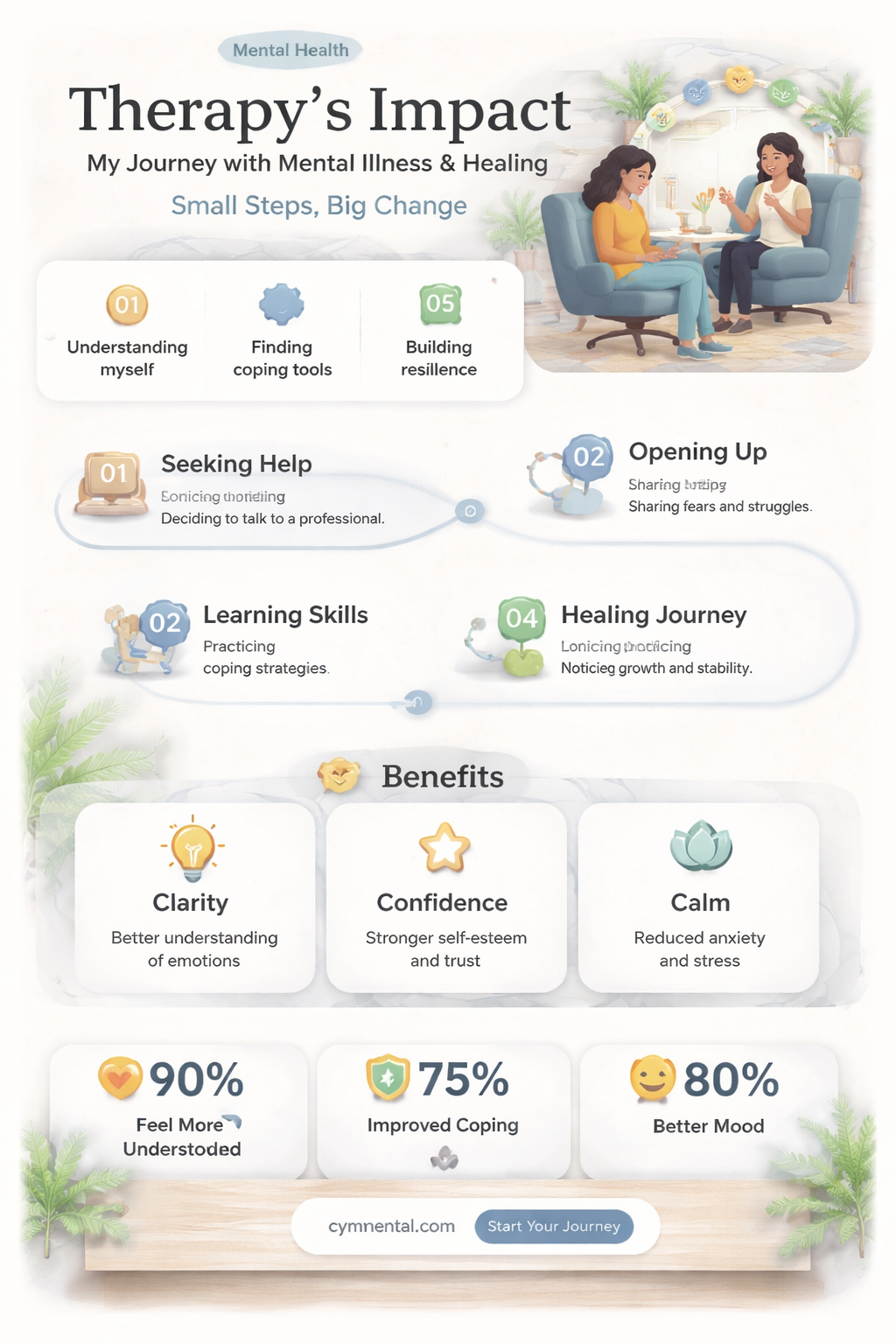
Therapy has been a cornerstone in the treatment of mental illness, offering individuals a safe and supportive space to explore their thoughts, emotions, and behaviors. For many, it has proven to be a transformative experience, providing valuable tools and insights to manage symptoms, improve relationships, and enhance overall well-being. Whether through cognitive-behavioral therapy, psychodynamic therapy, or other modalities, the therapeutic process often involves uncovering underlying issues, challenging negative thought patterns, and developing healthier coping strategies. While the effectiveness of therapy can vary depending on individual circumstances, commitment, and the therapeutic relationship, numerous studies and personal testimonies highlight its potential to alleviate suffering and foster personal growth. The question of whether therapy helped with mental illness is deeply personal, as experiences differ widely, but its role as a vital resource in mental health care remains undeniable.
Explore related products

$16.98 $30


What You'll Learn
- Understanding Therapy Types: Exploring various therapies like CBT, DBT, and their effectiveness for mental health
- Personal Progress: Measuring improvements in symptoms, coping skills, and overall well-being post-therapy
- Therapist-Client Relationship: Impact of trust, communication, and rapport on therapy outcomes
- Challenges in Therapy: Addressing resistance, setbacks, and difficulties faced during the therapeutic process
- Long-Term Benefits: How therapy fosters resilience, self-awareness, and sustained mental health improvements over time

Understanding Therapy Types: Exploring various therapies like CBT, DBT, and their effectiveness for mental health
Therapy isn’t a one-size-fits-all solution, and its effectiveness often hinges on the type of therapy and the individual’s specific needs. Cognitive Behavioral Therapy (CBT) and Dialectical Behavior Therapy (DBT) are two of the most widely researched and applied modalities, each with distinct approaches and proven benefits. CBT focuses on identifying and changing negative thought patterns and behaviors, often structured into 12 to 20 sessions. It’s particularly effective for anxiety, depression, and PTSD, with studies showing that 50–75% of patients experience significant improvement. DBT, on the other hand, emphasizes emotional regulation and mindfulness, originally designed for borderline personality disorder but now used for self-harm, eating disorders, and chronic suicidal ideation. Its skills training groups and individual sessions provide a dual focus on acceptance and change, making it a powerful tool for those struggling with intense emotions.
Consider this scenario: A 28-year-old with generalized anxiety disorder might find CBT transformative because it equips them with tangible tools to challenge catastrophic thinking. In contrast, a 35-year-old with a history of self-harm might benefit more from DBT’s distress tolerance techniques, which teach them to survive crises without resorting to harmful behaviors. The key takeaway is that the therapy’s structure and goals must align with the individual’s challenges. For instance, CBT’s homework assignments require active participation, while DBT’s phone coaching offers real-time support during emergencies. Both therapies are evidence-based, but their effectiveness depends on the fit between the therapy’s mechanisms and the person’s needs.
While CBT and DBT are widely recognized, their success isn’t guaranteed without adherence and engagement. A common pitfall is expecting immediate results; CBT typically requires consistent practice over weeks to rewire thought patterns, and DBT’s mindfulness exercises demand daily commitment. Age and developmental stage also play a role—adolescents may respond better to DBT’s validation-based approach, while older adults might prefer CBT’s problem-solving focus. Practical tips include keeping a thought journal for CBT or using DBT’s "WISE MIND" acronym to balance emotions and logic. Combining these therapies with medication or other treatments can enhance outcomes, but it’s crucial to consult a professional to tailor the approach.
Comparing CBT and DBT reveals their complementary strengths. CBT excels in addressing specific, time-limited issues, such as phobias or panic attacks, while DBT is more suited for long-term emotional dysregulation. For example, a college student with test anxiety might complete CBT in one semester, whereas someone with chronic emotional instability may engage in DBT for a year or more. Both therapies emphasize collaboration between therapist and client, but DBT’s emphasis on validation can be particularly healing for those who’ve felt misunderstood. Ultimately, the choice of therapy should be guided by the individual’s goals, whether it’s symptom reduction, skill-building, or both.
In the broader conversation about whether therapy helps with mental illness, understanding these modalities empowers individuals to make informed decisions. Therapy isn’t a magic cure, but when the right type is applied with commitment, it can be life-changing. For instance, a Reddit user shared how CBT helped them reframe their depression as a treatable condition rather than an identity, while another credited DBT with saving their life during a suicidal crisis. These anecdotes underscore the importance of matching therapy to the individual, not just the diagnosis. By exploring options like CBT and DBT, people can move from asking “Did therapy help?” to “Which therapy will help me?”—a shift that fosters hope and actionable progress.
Mental Distractions: Unlocking Higher Pain Tolerance Through Cognitive Shifts
You may want to see also
Explore related products





Personal Progress: Measuring improvements in symptoms, coping skills, and overall well-being post-therapy
Therapy’s effectiveness often hinges on measurable progress, yet defining what constitutes improvement varies widely. For some, it’s the reduction of panic attacks from five weekly episodes to one monthly. For others, it’s the ability to leave the house without overwhelming anxiety or the capacity to sleep through the night without intrusive thoughts. These tangible markers—symptom frequency, intensity, and duration—serve as concrete evidence of change. Tracking such metrics, whether through journaling or apps, provides a data-driven lens to assess therapy’s impact. Without this, progress can feel abstract, making it harder to recognize the cumulative effect of small victories.
Measuring coping skills requires a different approach, as these are often situational and context-dependent. A useful framework is to evaluate pre-therapy versus post-therapy responses to stressors. For instance, someone who once relied on avoidance might now use deep breathing or cognitive reframing during a conflict. Another indicator is the ability to apply learned techniques independently, such as using mindfulness to manage a sudden wave of depression. Therapists often recommend practicing these skills outside sessions, akin to “homework,” to reinforce their effectiveness. Consistency in application is key; sporadic use yields sporadic results, while habitual integration fosters resilience.
Overall well-being, though subjective, can be gauged through quality-of-life indicators. Improved relationships, increased productivity, and a renewed sense of purpose are common post-therapy outcomes. For example, a person who once isolated themselves might now engage in social activities or take on new responsibilities at work. Surveys like the World Health Organization’s Well-Being Index (WHO-5) offer structured ways to quantify this, though personal benchmarks—like enjoying hobbies again—are equally valid. The goal isn’t perfection but a sustainable baseline of contentment and functionality.
Practical tips for tracking progress include setting SMART goals (specific, measurable, achievable, relevant, time-bound) at the outset of therapy. For instance, “Reduce self-harm episodes by 50% in three months” provides a clear target. Regular check-ins with a therapist or support system can also provide accountability and perspective. Caution should be taken not to over-rely on self-assessment, as biases like downplaying achievements or fixating on setbacks can skew perception. Combining self-reflection with objective data ensures a balanced view of growth. Ultimately, progress is not linear, but recognizing patterns of improvement reinforces the value of therapy’s investment.
Accessing Mental Health Support: Can the Mentally Ill Find Assistance?
You may want to see also
Explore related products


Therapist-Client Relationship: Impact of trust, communication, and rapport on therapy outcomes
The therapist-client relationship is the cornerstone of effective therapy, and its quality can significantly influence whether someone finds relief from their mental illness. Trust, communication, and rapport aren’t just buzzwords—they are measurable factors that shape outcomes. Research shows that clients who perceive their therapist as trustworthy are more likely to engage openly, adhere to treatment plans, and experience symptom reduction. For instance, a study in *Psychotherapy Research* found that clients who reported high levels of trust in their therapist saw a 30% greater improvement in depression and anxiety symptoms over 12 weeks compared to those with lower trust levels. This underscores the importance of trust as a foundational element, without which even the most evidence-based therapies may fall short.
Building trust, however, requires intentional communication. Therapists must demonstrate empathy, clarity, and consistency in their interactions. For example, using reflective listening—where the therapist mirrors back the client’s emotions or thoughts—can foster a sense of being understood, which is critical for rapport. A practical tip for clients is to pay attention to how their therapist responds during the first few sessions. Do they feel heard? Does the therapist validate their experiences without judgment? If not, it may be a sign to reassess the fit, as poor communication early on can hinder progress. Conversely, therapists should aim to establish clear boundaries and expectations from the outset, as this predictability can help clients feel safer and more willing to explore vulnerable topics.
Rapport, the emotional bond between therapist and client, is another key predictor of therapy success. It’s not just about liking the therapist but feeling a genuine connection that encourages collaboration. A comparative analysis in *Journal of Clinical Psychology* revealed that clients who described their therapist as “warm” and “approachable” were 40% more likely to complete their treatment program compared to those who felt their therapist was distant. To enhance rapport, therapists can incorporate small but meaningful gestures, such as remembering personal details or checking in on progress outside of sessions. Clients, too, can contribute by being open to the process, even when it feels uncomfortable, as rapport often deepens through shared vulnerability.
Despite its importance, the therapist-client relationship isn’t immune to challenges. Miscommunications, cultural differences, or unrealistic expectations can erode trust and rapport. For instance, a therapist who assumes a one-size-fits-all approach may alienate clients from diverse backgrounds. To mitigate this, therapists should practice cultural humility, actively seeking to understand their client’s worldview. Clients, on the other hand, should feel empowered to voice concerns if they feel misunderstood. A proactive step is to establish a “feedback session” early in therapy, where both parties can discuss what’s working and what needs adjustment. This collaborative mindset not only strengthens the relationship but also aligns therapy with the client’s unique needs.
In conclusion, the therapist-client relationship is a dynamic interplay of trust, communication, and rapport, each reinforcing the other to drive positive outcomes. It’s not enough for therapy to be clinically sound; it must also be relationally effective. Therapists who prioritize these elements create an environment where clients feel safe, understood, and motivated to heal. For clients, recognizing the importance of this relationship can empower them to seek a therapist who not only has the right credentials but also the right connection. Ultimately, the question “Did therapy help you with your mental illness?” often hinges on the strength of this partnership, making it a critical factor in the journey toward recovery.
Effective Strategies to Help Others: A Comprehensive Guide to Support
You may want to see also
Explore related products


$7.84 $14.99


Challenges in Therapy: Addressing resistance, setbacks, and difficulties faced during the therapeutic process
Therapy is often portrayed as a linear journey toward healing, but the reality is far more complex. Resistance, setbacks, and unforeseen difficulties are common hurdles that can test both the client and the therapist. These challenges are not signs of failure but rather opportunities for growth, provided they are acknowledged and addressed with patience and strategy.
Consider resistance, a natural defense mechanism that often emerges when confronting painful emotions or traumatic memories. For instance, a client with generalized anxiety disorder might avoid discussing their childhood trauma, fearing it will overwhelm them. Therapists can navigate this by employing techniques like motivational interviewing, which helps clients explore their ambivalence and build intrinsic motivation for change. A practical tip: Start with smaller, less threatening topics to build trust before tackling deeper issues. For example, a therapist might begin by discussing daily stressors before gradually moving to more significant emotional triggers.
Setbacks are another inevitable part of the therapeutic process. Progress is rarely linear, and clients may experience relapses or intensified symptoms, especially during stressful life events. For someone managing depression, a job loss or relationship breakdown could trigger a return to old patterns of hopelessness. Therapists can mitigate this by helping clients develop a "relapse prevention plan," which includes identifying early warning signs and coping strategies. For instance, a client might list activities like journaling, calling a friend, or practicing mindfulness to use during difficult moments. Research shows that such structured plans can reduce the severity and duration of setbacks.
Difficulties in therapy can also arise from external factors, such as logistical challenges or mismatched therapeutic styles. A client with social anxiety might struggle with the intimacy of in-person sessions and benefit more from teletherapy. Alternatively, someone with ADHD may find traditional talk therapy insufficient and require a more interactive approach, like cognitive-behavioral therapy (CBT) with homework assignments. Therapists should remain flexible, adapting their methods to meet the client’s needs. A caution: Avoid forcing a particular approach if it’s clearly not working. Instead, openly discuss alternatives and involve the client in decision-making.
Ultimately, addressing these challenges requires collaboration, honesty, and a shared commitment to the therapeutic process. Resistance, setbacks, and difficulties are not roadblocks but rather signposts, indicating areas that need attention and care. By embracing these moments as part of the journey, both client and therapist can foster resilience and achieve meaningful progress. A takeaway: Therapy is not about perfection but about perseverance, and every challenge is an opportunity to strengthen the foundation of healing.
Capturing Calm: How Photography Boosts Mental Health and Well-Being
You may want to see also
Explore related products





Long-Term Benefits: How therapy fosters resilience, self-awareness, and sustained mental health improvements over time
Therapy’s impact on mental health often extends far beyond symptom relief, embedding tools and insights that reshape how individuals navigate life’s challenges. One of its most profound long-term benefits is the cultivation of resilience—the ability to adapt and recover from adversity. Through consistent sessions, individuals learn to reframe stressors, identify maladaptive patterns, and develop coping strategies that become second nature over time. For example, cognitive-behavioral therapy (CBT) has been shown to reduce relapse rates in depression by up to 50% over a five-year period, demonstrating how therapeutic techniques can fortify mental defenses against future crises.
Self-awareness, another cornerstone of therapy’s long-term value, emerges as individuals explore their emotions, triggers, and behaviors in a structured setting. This heightened understanding allows people to make intentional choices rather than reacting impulsively to internal or external pressures. A study published in *Psychotherapy Research* found that after 12–16 sessions of psychodynamic therapy, participants reported significant improvements in emotional regulation and self-reflection, benefits that persisted for years. Practical tips to amplify this effect include journaling between sessions to track progress and practicing mindfulness to stay grounded in the present moment.
Sustained mental health improvements are not accidental but the result of therapy’s cumulative effect on neural pathways and behavioral habits. Neuroplasticity plays a key role here: repeated therapeutic interventions, such as exposure therapy for anxiety or dialectical behavior therapy (DBT) for emotional dysregulation, rewire the brain to respond more adaptively to stress. For instance, DBT’s emphasis on skill-building in areas like distress tolerance and interpersonal effectiveness equips individuals with tools they can use indefinitely. Consistency is critical—attending therapy for at least 3–6 months, followed by periodic “booster” sessions, maximizes long-term gains.
Comparing therapy to short-term solutions like medication highlights its unique advantage: while medication can alleviate symptoms quickly, therapy addresses the root causes of mental health issues. For example, a 2018 meta-analysis in *JAMA Psychiatry* revealed that while antidepressants provide rapid relief for acute depression, therapy offers more durable protection against recurrence. This makes therapy particularly valuable for younger adults (ages 18–35) and those with chronic conditions, who may benefit from its preventative and transformative nature.
Ultimately, therapy’s long-term benefits are a testament to its ability to empower individuals rather than merely treat them. By fostering resilience, deepening self-awareness, and driving sustained neural and behavioral changes, it equips people to face life’s uncertainties with confidence. For optimal results, combine therapy with lifestyle adjustments like regular exercise, adequate sleep, and social support. Think of therapy not as a temporary fix but as a lifelong investment in mental well-being—one that pays dividends in every aspect of life.
Revitalize Your Mind: Strategies to Overcome Mental Exhaustion Effectively
You may want to see also
Frequently asked questions
Yes, therapy provided me with tools and insights to understand the root causes, triggers, and patterns of my mental illness, which helped me manage it more effectively.
Absolutely, therapy helped me develop coping strategies and healthier thought patterns, which significantly reduced the intensity and frequency of my symptoms over time.
The timeline varied, but I noticed small improvements within a few weeks. Consistent sessions over several months led to more substantial and lasting changes.
Yes, therapy created a safe space for me to express my feelings without judgment, and knowing I had a supportive therapist made me feel less isolated in my struggles.
Definitely, therapy taught me skills like mindfulness, boundary-setting, and emotional regulation, which I continue to use to maintain my mental health and prevent relapses.