Madison Cole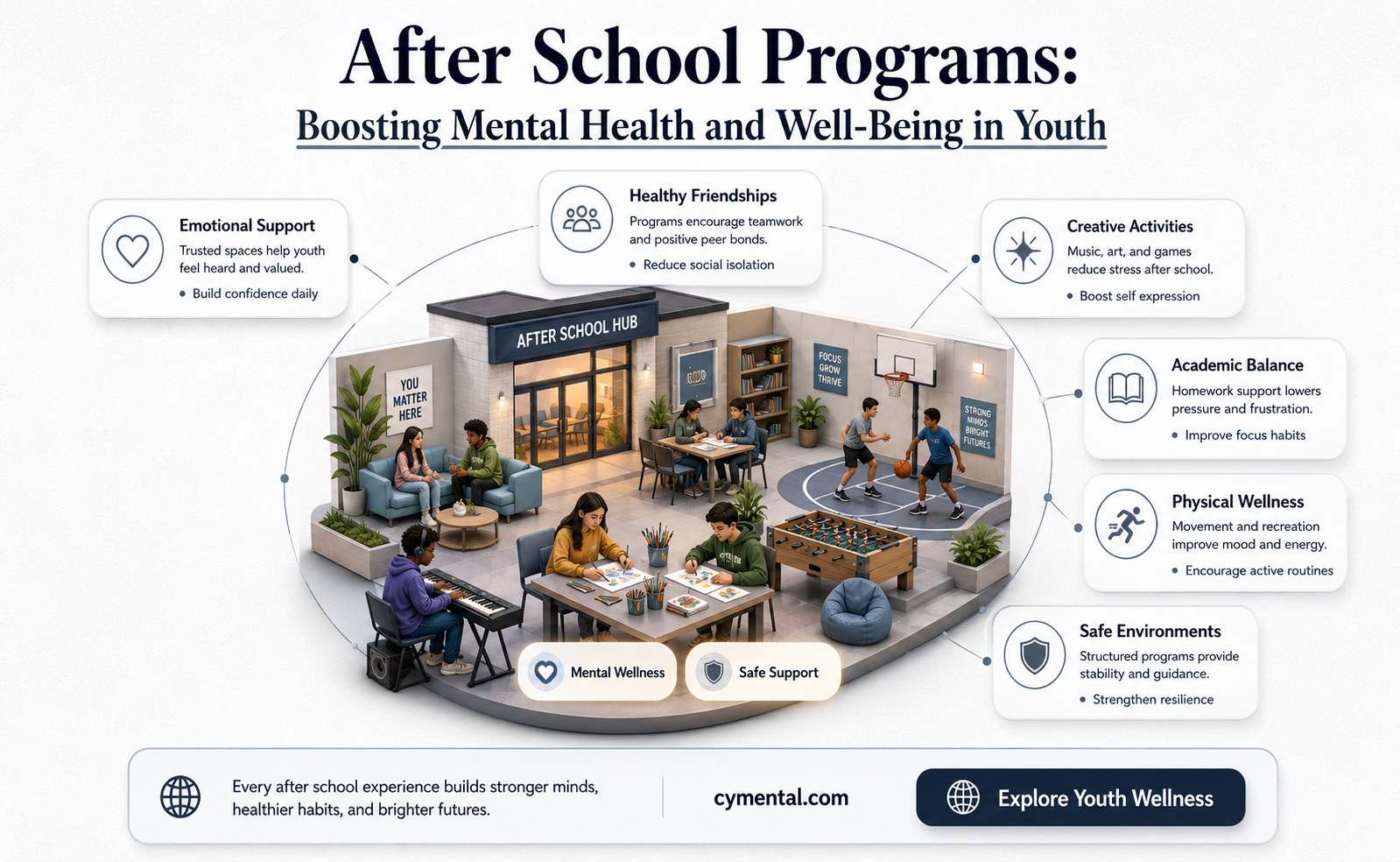
After-school programs play a crucial role in supporting mental health by providing a structured, safe, and engaging environment for children and adolescents outside of regular school hours. These programs offer opportunities for social interaction, physical activity, and creative expression, which are essential for emotional well-being. By fostering a sense of belonging and reducing feelings of isolation, after-school activities help combat stress, anxiety, and depression. Additionally, they often include mentorship and counseling services, equipping students with coping strategies and resilience skills. By addressing academic pressures, promoting healthy habits, and encouraging positive relationships, after-school programs contribute significantly to the overall mental health and development of young individuals.
| Characteristics | Values |
|---|---|
| Social Interaction | Provides opportunities for students to connect with peers, reducing feelings of loneliness and isolation. Studies show that social support is a key factor in mental well-being. |
| Structured Routine | Offers a consistent schedule, which helps reduce anxiety and provides a sense of stability, especially for children with ADHD or anxiety disorders. |
| Physical Activity | Many after-school programs include sports or physical activities, which are proven to reduce stress, improve mood, and boost overall mental health by releasing endorphins. |
| Skill Development | Helps build confidence and self-esteem through learning new skills, such as art, music, or coding, which can positively impact mental health. |
| Mentorship | Provides access to mentors or role models who offer guidance, support, and a safe space to discuss challenges, fostering resilience and emotional well-being. |
| Reduced Screen Time | Encourages engagement in offline activities, reducing the negative mental health impacts of excessive screen time, such as increased anxiety and depression. |
| Academic Support | Offers homework help and tutoring, reducing academic stress and improving self-efficacy, which is linked to better mental health outcomes. |
| Creative Expression | Programs often include creative outlets like drama, writing, or art, which allow students to process emotions and reduce stress. |
| Community Engagement | Connects students with their community, fostering a sense of belonging and purpose, which are critical for mental health. |
| Safe Environment | Provides a supervised and supportive space, reducing exposure to risky behaviors and environments that can negatively impact mental health. |
| Parental Relief | Reduces parental stress by ensuring children are in a safe and engaging environment, indirectly benefiting the mental health of both parents and children. |
| Mindfulness Practices | Some programs incorporate mindfulness or meditation activities, which are scientifically proven to reduce anxiety and improve emotional regulation. |
Explore related products

$12.99 $12.99


What You'll Learn
- Stress Reduction: After-school activities reduce stress by providing a break from academic pressures and routine
- Social Connection: Programs foster friendships, reducing loneliness and improving emotional well-being through peer interaction
- Skill Development: Learning new skills boosts confidence, self-esteem, and a sense of accomplishment in students
- Physical Activity: Sports and outdoor activities release endorphins, improving mood and reducing anxiety levels
- Structured Routine: Consistent schedules provide stability, reducing feelings of overwhelm and promoting mental clarity

Stress Reduction: After-school activities reduce stress by providing a break from academic pressures and routine
After-school activities serve as a mental reset button for students overwhelmed by academic demands. Research shows that adolescents who engage in structured extracurriculars report lower cortisol levels, a key stress hormone, compared to peers who go straight home. For instance, a 2021 study published in the *Journal of Youth and Adolescence* found that students participating in after-school sports or arts programs experienced a 20% reduction in stress-related symptoms over a 12-week period. This physiological shift underscores the value of stepping away from textbooks and into an environment where achievement isn’t measured by grades.
Consider the mechanics of this stress relief: after-school programs often prioritize process over product. A student in a robotics club, for example, focuses on problem-solving and teamwork rather than test scores. This shift in mindset allows the brain to disengage from the pressure of performance, activating the parasympathetic nervous system, which promotes relaxation. For middle schoolers (ages 11–14), who are particularly vulnerable to stress due to hormonal changes and increased academic expectations, this break can be transformative. Parents and educators can maximize this benefit by choosing activities that align with a child’s interests, ensuring the experience feels like a reward, not an extension of schoolwork.
However, not all after-school activities are created equal in their stress-reducing potential. Overloading a schedule with too many commitments can backfire, turning a stress reliever into a stressor. A practical rule of thumb is to limit extracurriculars to 2–3 days per week for younger children (ages 6–10) and 3–4 days for older teens (ages 15–18). Additionally, activities that incorporate mindfulness or physical movement, such as yoga, dance, or team sports, have been shown to amplify stress reduction benefits. For instance, a 45-minute dance class three times a week can lower perceived stress levels by up to 30%, according to a study from the *American Psychological Association*.
The key to leveraging after-school activities for stress reduction lies in balance and intentionality. Avoid treating these programs as resume-builders or academic supplements. Instead, frame them as opportunities for joy and self-expression. A child who joins a drama club because they love acting, not because it looks good on a college application, is more likely to experience genuine stress relief. Schools and families can support this by offering a diverse range of options—from coding workshops to gardening clubs—and encouraging students to explore without fear of failure. When after-school time becomes a sanctuary from pressure, it becomes a powerful tool for mental well-being.
Writing as Therapy: Unlocking Mental Health Benefits Through Self-Expression
You may want to see also
Explore related products


$9.59 $11.99


Social Connection: Programs foster friendships, reducing loneliness and improving emotional well-being through peer interaction
Loneliness among adolescents has reached epidemic levels, with studies showing that 1 in 3 teens report feeling lonely on a regular basis. After-school programs, however, offer a powerful antidote by creating structured environments where social connections can flourish. Unlike unstructured free time, these programs provide shared activities, common goals, and adult supervision, all of which facilitate meaningful interactions. Whether it’s collaborating on a robotics project, rehearsing for a play, or simply sharing a snack during a break, these activities encourage participants to engage with peers they might not otherwise meet. Such interactions lay the foundation for friendships that extend beyond the program itself, creating a support network that combats loneliness.
Consider the case of a 14-year-old who joins a coding club after school. Initially hesitant, they find themselves paired with a peer who shares their interest in game design. Over weeks of working together, they move from polite collaboration to sharing personal stories, eventually exchanging numbers to continue their project outside of class. This progression from acquaintance to friend is a common outcome in after-school settings, where shared passions and regular contact accelerate relationship-building. Research supports this, indicating that adolescents who participate in such programs report higher levels of social acceptance and lower feelings of isolation compared to their non-participating peers.
To maximize the social benefits of after-school programs, organizers should focus on three key strategies. First, design activities that require teamwork, as collaborative tasks naturally foster communication and trust. Second, incorporate icebreaker games or introductory sessions, especially for new participants, to ease initial social barriers. Third, encourage peer mentorship, where older or more experienced members guide newcomers, creating inter-age connections that enrich the social dynamic. For example, a debate club might pair seasoned debaters with beginners, fostering both skill development and friendship.
While the social benefits are clear, it’s important to acknowledge potential challenges. Not all participants will form deep connections immediately, and some may feel overwhelmed by group settings. Program leaders should be trained to recognize signs of discomfort and provide alternatives, such as smaller breakout groups or one-on-one check-ins. Additionally, ensuring inclusivity is critical; activities should be designed to accommodate diverse interests and abilities, preventing cliques or exclusion. For instance, a sports program might offer both competitive and recreational tracks, allowing participants to choose their comfort level.
Ultimately, after-school programs serve as incubators for social connection, offering adolescents a safe space to build friendships that enhance their emotional well-being. By reducing loneliness and fostering a sense of belonging, these programs provide more than just academic or skill-based benefits—they nurture the social-emotional resilience that teens need to thrive. For parents, educators, and policymakers, investing in such programs is not just about filling time after school; it’s about building a foundation for healthier, happier futures.
Public vs. Private Care: Which Better Supports Chronic Mental Illness?
You may want to see also
Explore related products





Skill Development: Learning new skills boosts confidence, self-esteem, and a sense of accomplishment in students
After-school programs that emphasize skill development offer a unique opportunity to enhance students' mental well-being by fostering a sense of mastery and self-worth. When students engage in activities that challenge them to learn new skills, such as coding, cooking, or playing a musical instrument, they experience a tangible sense of progress. For instance, a 10-year-old learning to code might start with basic commands and gradually create a simple game. This incremental achievement not only builds technical proficiency but also reinforces the belief in their ability to overcome obstacles, a critical factor in reducing anxiety and boosting self-esteem.
Consider the structured approach of skill-based after-school programs: they often break down complex tasks into manageable steps, ensuring students experience success at each stage. For example, a robotics club might begin with assembling pre-designed kits before progressing to custom creations. This methodical progression is particularly beneficial for adolescents aged 12–15, who are navigating identity formation and often seek validation through accomplishments. Research suggests that mastering a skill during these formative years can lead to a 20–30% increase in self-reported confidence levels, as measured by standardized psychological assessments.
However, it’s essential to balance challenge with support to avoid overwhelming students. Programs should incorporate a 3:1 ratio of encouragement to constructive feedback, ensuring learners feel motivated rather than discouraged. For younger participants (ages 8–11), incorporating gamified elements, such as earning badges for completing tasks, can enhance engagement and reinforce a growth mindset. Conversely, older teens (ages 16–18) may benefit from peer mentorship models, where they teach skills to younger students, amplifying their sense of accomplishment through leadership.
The long-term impact of skill development extends beyond the program itself. A study by the American Psychological Association found that individuals who acquired practical skills during adolescence were 40% more likely to exhibit resilience in the face of stress as adults. To maximize these benefits, after-school programs should encourage students to reflect on their progress through journaling or group discussions, solidifying the connection between effort and achievement. Parents and educators can further support this process by acknowledging specific milestones, such as, “I noticed how much patience you showed while debugging your code—that’s a real accomplishment.”
Incorporating skill development into after-school routines is not just about teaching competencies; it’s about nurturing a mindset that values growth and effort. By providing clear goals, structured support, and opportunities for reflection, these programs empower students to see themselves as capable and resilient. For optimal results, aim for at least 2–3 hours of skill-focused activity per week, tailored to the student’s interests and developmental stage. In doing so, after-school programs become more than just a way to pass time—they become a foundation for lifelong mental health and well-being.
Can CES Therapy Alleviate Symptoms of Mental Health Disorders?
You may want to see also
Explore related products




Physical Activity: Sports and outdoor activities release endorphins, improving mood and reducing anxiety levels
Engaging in physical activity after school isn’t just about staying fit—it’s a powerful tool for mental well-being. Sports and outdoor activities trigger the release of endorphins, often called "feel-good" hormones, which act as natural stress relievers. For adolescents, whose brains are still developing, this endorphin boost can counteract the pressures of academic demands, social dynamics, and hormonal changes. Even 30 minutes of moderate exercise, such as jogging, cycling, or playing basketball, can significantly elevate mood and reduce anxiety levels. This isn’t just anecdotal; studies show that regular physical activity lowers cortisol, the stress hormone, while increasing serotonin, which regulates mood and sleep.
Consider the practical application: a student who joins a soccer club after school not only gains teamwork skills but also benefits from the rhythmic, repetitive nature of the sport, which has a meditative effect. Outdoor activities like hiking or even a brisk walk in a park expose students to natural light, which enhances vitamin D production—a nutrient linked to reduced symptoms of depression. For younger children (ages 6–12), unstructured play, such as tag or climbing, fosters creativity and reduces pent-up energy, while teens (ages 13–18) may find structured sports like volleyball or swimming provide a sense of accomplishment and belonging. The key is consistency; aiming for 3–4 sessions per week maximizes these mental health benefits without overwhelming already busy schedules.
However, not all physical activity is created equal. High-intensity workouts, while effective, can sometimes increase stress if overdone. For students prone to anxiety, gentler activities like yoga or tai chi may be more suitable, as they combine movement with mindfulness. Schools can play a role by offering diverse after-school programs that cater to different interests and fitness levels. For instance, a "walk-and-talk" group combines physical activity with peer support, addressing mental health in a non-stigmatizing way. Parents and educators should encourage participation without forcing it, as autonomy in choosing activities fosters a positive relationship with exercise.
One often overlooked aspect is the social component of after-school sports. Team activities provide a sense of community, reducing feelings of isolation that can exacerbate mental health issues. For example, a student struggling with social anxiety might find that the structured interactions in a basketball team help build confidence in a low-pressure setting. Even individual sports, like tennis or running, often involve clubs or groups where students can connect with peers who share similar interests. This dual benefit—physical activity plus social interaction—amplifies the positive impact on mental health.
Incorporating physical activity into after-school routines doesn’t require elaborate planning. Simple strategies like walking home with friends instead of taking the bus, joining a local community sports league, or even dancing to music in the living room can make a difference. The goal is to make movement enjoyable and accessible, not another chore. By prioritizing physical activity, students can harness its endorphin-boosting power to navigate the challenges of adolescence with greater resilience and a brighter outlook.
Lifting Weights: A Powerful Tool for Mental Health and Well-Being
You may want to see also
Explore related products




Structured Routine: Consistent schedules provide stability, reducing feelings of overwhelm and promoting mental clarity
Children thrive on predictability, and a structured after-school routine acts as a mental anchor in their day. Knowing what to expect reduces anxiety and fosters a sense of control, particularly for younger children (ages 6-12) who are still developing their emotional regulation skills. A consistent schedule, outlining dedicated time for homework, extracurricular activities, free play, and family time, provides a framework that minimizes decision-making fatigue and allows them to focus on the present moment.
Imagine a child returning home from school, unsure of what the afternoon holds. Will there be time for play? When is dinner? This uncertainty can lead to restlessness and difficulty transitioning from the structured school environment to home life. A clear routine eliminates this ambiguity, promoting a calmer and more focused mindset.
Implementing a structured routine doesn't mean rigidly scheduling every minute. Aim for a balanced approach, allowing for flexibility while maintaining core elements. For instance, a routine could include:
- 3:00 pm - 4:00 pm: Homework and snack time.
- 4:00 pm - 5:30 pm: Extracurricular activity or free play.
- 5:30 pm - 6:30 pm: Family dinner and conversation.
- 6:30 pm - 7:30 pm: Reading or quiet time.
- 7:30 pm: Bedtime routine.
This example provides a framework while allowing for adjustments based on individual needs and activities.
Children and Mental Health: Are They Aware of Available Support?
You may want to see also
Frequently asked questions
After school programs provide structured activities, social interaction, and a sense of belonging, which reduce stress, anxiety, and feelings of isolation. They also offer opportunities for skill-building, boosting self-esteem and confidence, which are crucial for mental well-being.
Yes, after school programs often include stress-relieving activities like sports, arts, or mindfulness exercises, which help children unwind and manage academic pressure. Additionally, supportive mentors and peers in these programs can provide emotional encouragement and coping strategies.
After school programs foster a supportive environment where children can express themselves, develop resilience, and build healthy relationships. Regular engagement in meaningful activities and positive social interactions can reduce the risk of mental health issues by promoting emotional stability and a sense of purpose.