Madison Cole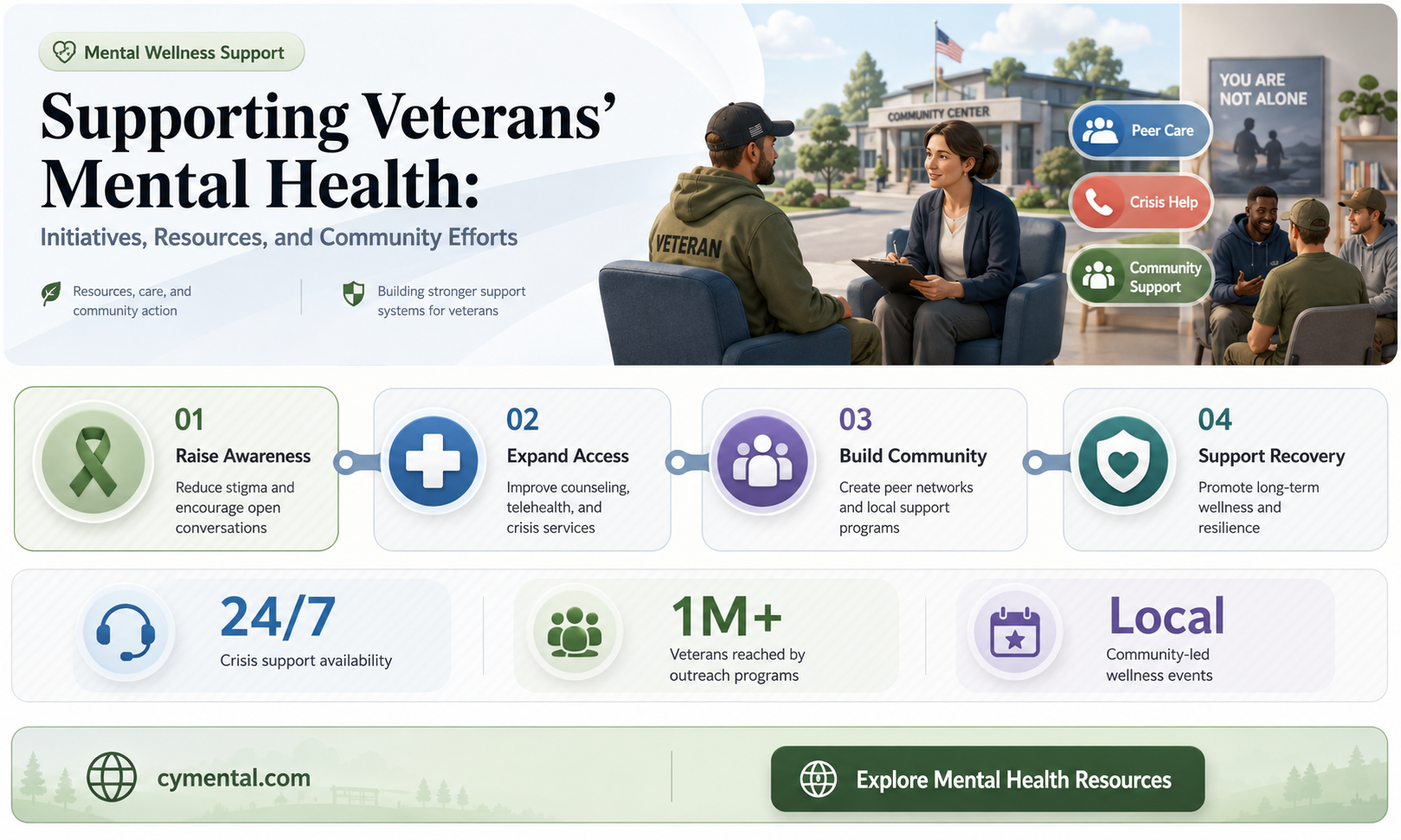
Addressing veterans' mental health is a critical priority, as many face unique challenges such as PTSD, depression, anxiety, and reintegration difficulties after serving in high-stress environments. Organizations, governments, and communities are implementing comprehensive support systems, including accessible mental health services, peer support programs, and specialized therapies like cognitive behavioral therapy and trauma-focused treatments. Initiatives also focus on reducing stigma, providing vocational training, and fostering community connections to ensure veterans feel valued and supported. By combining professional care, technological innovations like telehealth, and grassroots efforts, these measures aim to improve veterans' well-being and help them thrive in civilian life.
Explore related products


What You'll Learn
- Accessible Therapy Options: Expanding telehealth and in-person counseling services for veterans nationwide
- Peer Support Programs: Encouraging veteran-led groups to foster community and shared understanding
- Mental Health Awareness: Campaigns to reduce stigma and promote early intervention strategies
- Specialized PTSD Treatment: Evidence-based therapies like CBT and EMDR for trauma recovery
- Suicide Prevention Initiatives: Hotlines, crisis intervention, and proactive mental health screenings

Accessible Therapy Options: Expanding telehealth and in-person counseling services for veterans nationwide
Veterans face unique mental health challenges, often stemming from their service experiences. To address these, accessible therapy options are being expanded nationwide, blending telehealth and in-person counseling to meet diverse needs. Telehealth services, for instance, have seen a 65% increase in usage among veterans since 2020, according to the U.S. Department of Veterans Affairs (VA). This surge highlights the growing acceptance and effectiveness of virtual therapy, which eliminates barriers like travel and stigma, making mental health care more convenient and immediate.
Expanding telehealth services involves more than just video calls. The VA’s *Veterans Crisis Line* offers 24/7 support via phone (1-800-273-8255, press 1), text (838255), and online chat, ensuring veterans can access help in their preferred format. Additionally, platforms like *VA Video Connect* provide secure, HIPAA-compliant sessions with licensed therapists, allowing veterans to receive care from the comfort of their homes. For those with limited internet access, the VA distributes tablets and mobile hotspots, ensuring technology isn’t a barrier.
In-person counseling remains vital for many veterans, particularly those with severe conditions like PTSD or substance use disorders. To improve accessibility, the VA has partnered with community-based outpatient clinics (CBOCs) and Vet Centers nationwide, increasing the number of available locations by 20% in the past five years. These facilities offer specialized programs, such as cognitive behavioral therapy (CBT) and prolonged exposure therapy, tailored to veterans’ unique experiences. For example, the *Veterans Recovery Program* provides intensive, in-person treatment for PTSD, with sessions typically lasting 8–12 weeks, depending on individual needs.
A critical aspect of expanding these services is ensuring they are culturally competent and inclusive. Veterans from diverse backgrounds, including women, LGBTQ+ individuals, and minorities, often face distinct mental health challenges. Programs like the *Women Veterans Call Center* (1-855-829-6636) and culturally tailored therapy sessions address these specific needs, fostering trust and relevance. Similarly, peer support programs, where veterans connect with trained peers, have shown a 30% increase in participation, emphasizing the power of shared experiences in healing.
To maximize the impact of these expanded services, veterans and their families should take proactive steps. First, register with the VA to access telehealth and in-person resources. Second, explore local Vet Centers for community-based support. Third, utilize mobile apps like *PTSD Coach* for self-guided tools and coping strategies. Finally, advocate for continued funding and awareness, as these programs rely on sustained support to thrive. By combining telehealth and in-person options, we create a robust mental health care network that meets veterans where they are, both physically and emotionally.
Mounjaro's Impact: Exploring Mental Health Benefits and Potential Effects
You may want to see also
Explore related products


Peer Support Programs: Encouraging veteran-led groups to foster community and shared understanding
Veterans often face unique mental health challenges that civilian support systems struggle to address fully. Peer support programs, led by veterans themselves, emerge as a powerful solution by leveraging shared experiences to foster understanding and community. Unlike traditional therapy, these programs create a safe space where participants can relate to one another’s struggles without fear of judgment or misunderstanding. For instance, the Veterans of Foreign Wars (VFW) and Team Rubicon are organizations that have successfully implemented such programs, demonstrating their effectiveness in reducing isolation and promoting resilience.
To implement a peer support program, start by identifying veteran leaders who possess empathy, active listening skills, and a commitment to mental wellness. These leaders should undergo training in facilitation techniques, crisis intervention, and mental health first aid. Sessions can be structured as weekly meetings, either in-person or virtually, with a focus on open dialogue rather than formal therapy. Encourage participants to share their stories, coping strategies, and goals in a non-hierarchical setting. Practical tips include setting clear boundaries, ensuring confidentiality, and incorporating activities like group hikes or volunteer work to strengthen bonds outside of discussions.
One of the key strengths of peer support programs is their ability to bridge the gap between clinical care and everyday life. Veterans often hesitate to seek professional help due to stigma or distrust of civilian providers. Peer-led groups normalize conversations about mental health by framing them as acts of strength and solidarity. For example, the Mission Continues program pairs veterans with community service projects, fostering purpose while addressing mental health indirectly. This approach not only reduces symptoms of anxiety and depression but also rebuilds social connections disrupted by military service.
However, peer support programs are not without challenges. Facilitators must be vigilant for signs of retraumatization or emotional overload among participants. Regular supervision and access to professional resources are essential to ensure the program remains a safe and constructive environment. Additionally, sustaining engagement can be difficult, particularly in rural or underserved areas. To address this, consider partnering with local VA clinics, community centers, or online platforms to expand reach and accessibility.
In conclusion, peer support programs represent a veteran-centric approach to mental health that complements traditional care models. By empowering veterans to lead and participate in these groups, we create spaces where shared understanding becomes a catalyst for healing. Organizations and communities looking to support veterans should invest in training, resources, and infrastructure to make these programs widely available. The result is not just improved mental health outcomes but also a renewed sense of belonging and purpose for those who have served.
Moderate Alcohol Consumption: Boosting Mental Function or Myth?
You may want to see also
Explore related products


Mental Health Awareness: Campaigns to reduce stigma and promote early intervention strategies
Veterans face unique mental health challenges, often stemming from their service experiences. To address these, campaigns focused on mental health awareness have emerged as critical tools. These initiatives aim to dismantle stigma and encourage early intervention, fostering an environment where veterans feel safe seeking help. By leveraging storytelling, peer support, and digital platforms, these campaigns are making strides in changing perceptions and improving outcomes.
One effective strategy involves sharing personal narratives from veterans who have navigated mental health struggles. Organizations like the Wounded Warrior Project and Team Rubicon amplify these stories through videos, podcasts, and social media, humanizing the issue and showing that seeking help is a sign of strength, not weakness. For instance, the "Real Warriors Campaign" by the Defense Health Agency features testimonials from service members and veterans who have successfully sought treatment for PTSD and depression. Such storytelling not only reduces stigma but also provides relatable role models for those hesitant to reach out.
Another key approach is integrating peer support into awareness campaigns. Programs like Veterans Crisis Line and Mission 22 train veterans to serve as mentors, offering guidance and empathy to their peers. Peer support is particularly powerful because it bridges the gap between professional help and personal connection. Studies show that veterans are more likely to engage with mental health services when recommended by someone who shares their experiences. Campaigns that highlight these peer networks emphasize the importance of community and mutual understanding in the healing process.
Digital platforms play a pivotal role in modern mental health awareness efforts. Apps like PTSD Coach and websites like Make the Connection provide accessible resources, self-assessment tools, and crisis intervention options tailored to veterans. These tools are designed to meet veterans where they are, offering anonymity and flexibility for those who may not be ready for in-person support. Campaigns promoting these platforms often include step-by-step guides on how to use them, ensuring veterans can navigate the resources effectively.
Despite progress, challenges remain. Stigma persists in military culture, where resilience is often equated with silence. Campaigns must continue to address this by framing mental health care as a critical component of overall readiness and recovery. Additionally, early intervention strategies require sustained funding and collaboration between government agencies, nonprofits, and healthcare providers. By combining grassroots storytelling, peer support, and digital innovation, these campaigns are not just raising awareness—they’re saving lives.
Ice Bucket Challenge: Uniting Communities, Raising Awareness, and Boosting Mental Health
You may want to see also
Explore related products


Specialized PTSD Treatment: Evidence-based therapies like CBT and EMDR for trauma recovery
Post-traumatic stress disorder (PTSD) is a pervasive issue among veterans, with approximately 11-20% of those who served in Operations Iraqi Freedom and Enduring Freedom experiencing PTSD in a given year. Specialized treatments have emerged as critical interventions, offering structured, evidence-based pathways to recovery. Two therapies stand out for their efficacy: Cognitive Behavioral Therapy (CBT) and Eye Movement Desensitization and Reprocessing (EMDR). Both are tailored to address the unique trauma histories of veterans, but they operate on distinct principles and mechanisms.
CBT for PTSD involves 12–16 weekly sessions, each lasting 60–90 minutes, during which veterans learn to identify and reframe distorted thoughts related to their trauma. For instance, a veteran might challenge the belief, "I am forever damaged," by examining evidence to the contrary. Prolonged Exposure (PE), a subset of CBT, requires veterans to recount their traumatic experiences in detail while simultaneously engaging in relaxation techniques. Studies show that 60–70% of veterans who complete CBT-based programs experience significant symptom reduction. Practical tips include maintaining a consistent therapy schedule and practicing grounding techniques between sessions, such as deep breathing or progressive muscle relaxation.
EMDR takes a different approach, focusing on the neurological processing of traumatic memories. During 6–12 sessions, veterans recall distressing events while engaging in bilateral stimulation, such as side-to-side eye movements or tapping. This process is believed to "unstick" traumatic memories, allowing the brain to reprocess them in a less threatening context. A 2018 study found that 77% of veterans who completed EMDR no longer met PTSD diagnostic criteria. Veterans should prepare for intense emotional release during sessions and are advised to have a support system in place afterward.
Comparing the two, CBT is more cognitive and structured, ideal for veterans who prefer logical, step-by-step approaches. EMDR, on the other hand, is experiential and less verbally demanding, making it suitable for those who struggle to articulate their trauma. Both therapies are recommended by the VA and DoD as first-line treatments, but the choice often depends on individual preference and the nature of the trauma.
The takeaway is clear: specialized PTSD treatments like CBT and EMDR are not one-size-fits-all but are adaptable, evidence-backed tools that can significantly improve veterans’ mental health. Veterans should consult with mental health professionals to determine which therapy aligns best with their needs, ensuring they receive the most effective care for their unique experiences.
Singing for Mental Health: Unlocking Emotional Well-being Through Music
You may want to see also
Explore related products


Suicide Prevention Initiatives: Hotlines, crisis intervention, and proactive mental health screenings
Veterans face unique mental health challenges, often stemming from their service experiences, which can lead to heightened risks of suicide. To combat this, a multi-faceted approach has been developed, focusing on immediate support, crisis intervention, and long-term prevention strategies. One of the most critical components of this approach is the establishment and promotion of suicide prevention hotlines, which provide veterans with immediate access to trained professionals who can offer support and guidance during moments of crisis.
The Role of Hotlines in Crisis Intervention
Hotlines like the Veterans Crisis Line (1-800-273-8255, Press 1) serve as a lifeline for veterans in distress. Available 24/7, these services connect individuals with qualified responders who can de-escalate crises, provide coping strategies, and coordinate emergency services if needed. For example, a veteran experiencing suicidal thoughts can text the crisis line (838255) or chat online, ensuring accessibility for those who may prefer non-verbal communication. Research shows that immediate intervention during a crisis can significantly reduce the likelihood of suicide attempts, making hotlines a cornerstone of veteran mental health support.
Proactive Mental Health Screenings: Catching Risks Early
While hotlines address immediate needs, proactive mental health screenings are essential for long-term prevention. The U.S. Department of Veterans Affairs (VA) has implemented routine screenings for depression, PTSD, and suicidal ideation during primary care visits. These screenings, often conducted using tools like the Patient Health Questionnaire-9 (PHQ-9), help identify at-risk veterans before crises occur. For instance, veterans aged 18–30, who face higher suicide rates, are prioritized for more frequent screenings. Early detection allows for timely interventions, such as therapy, medication, or peer support programs, which can mitigate risks and improve outcomes.
Integrating Technology for Broader Reach
Innovative technologies are enhancing suicide prevention efforts. Mobile apps like PTSD Coach and VetChange offer veterans tools for managing stress, anxiety, and substance use, which are often contributing factors to suicidal thoughts. Additionally, AI-powered chatbots are being tested to provide real-time support and direct users to resources. For example, the VA’s "Annie" text messaging service sends veterans regular check-ins and mental health tips, fostering a sense of connection and care. These digital solutions complement traditional methods, ensuring support is available in formats that resonate with younger veterans and those in remote areas.
Community-Based Interventions: The Power of Peer Support
Beyond clinical settings, community-based initiatives play a vital role in suicide prevention. Peer support programs, such as the VA’s Veterans Helping Veterans initiative, connect veterans with trained peers who have overcome similar challenges. These programs leverage shared experiences to build trust and encourage open dialogue about mental health. For instance, group therapy sessions or outdoor activities provide safe spaces for veterans to express their struggles and learn coping mechanisms. Studies indicate that peer support reduces feelings of isolation and increases help-seeking behaviors, making it a powerful complement to professional interventions.
Challenges and Future Directions
Despite progress, challenges remain. Stigma surrounding mental health still deters many veterans from seeking help, and rural veterans often face barriers to accessing care. Addressing these issues requires continued investment in outreach campaigns, telehealth services, and community partnerships. Future initiatives should focus on personalized care, leveraging data analytics to tailor interventions to individual needs. By combining immediate crisis support, proactive screenings, and community engagement, we can create a comprehensive safety net that protects veterans and honors their service.
Post-Pandemic Mental Health: Are Younger Generations Seeking More Support?
You may want to see also
Frequently asked questions
Numerous programs are available, including the Veterans Affairs (VA) Mental Health Services, which offer counseling, therapy, and crisis intervention. Additionally, organizations like the Wounded Warrior Project and Team Rubicon provide peer support, rehabilitation, and community engagement to address mental health challenges.
Veterans are connected to resources through VA healthcare facilities, community-based outreach programs, and online platforms like the VA’s Mental Health website. Hotlines such as the Veterans Crisis Line (988, then press 1) offer immediate assistance, while partnerships with local nonprofits help bridge gaps in access.
Campaigns like "Make the Connection" and "Be There" aim to normalize mental health conversations and encourage veterans to seek support. Peer-to-peer programs and veteran-led initiatives also foster a sense of community and understanding, reducing barriers to care.