Harper Lewis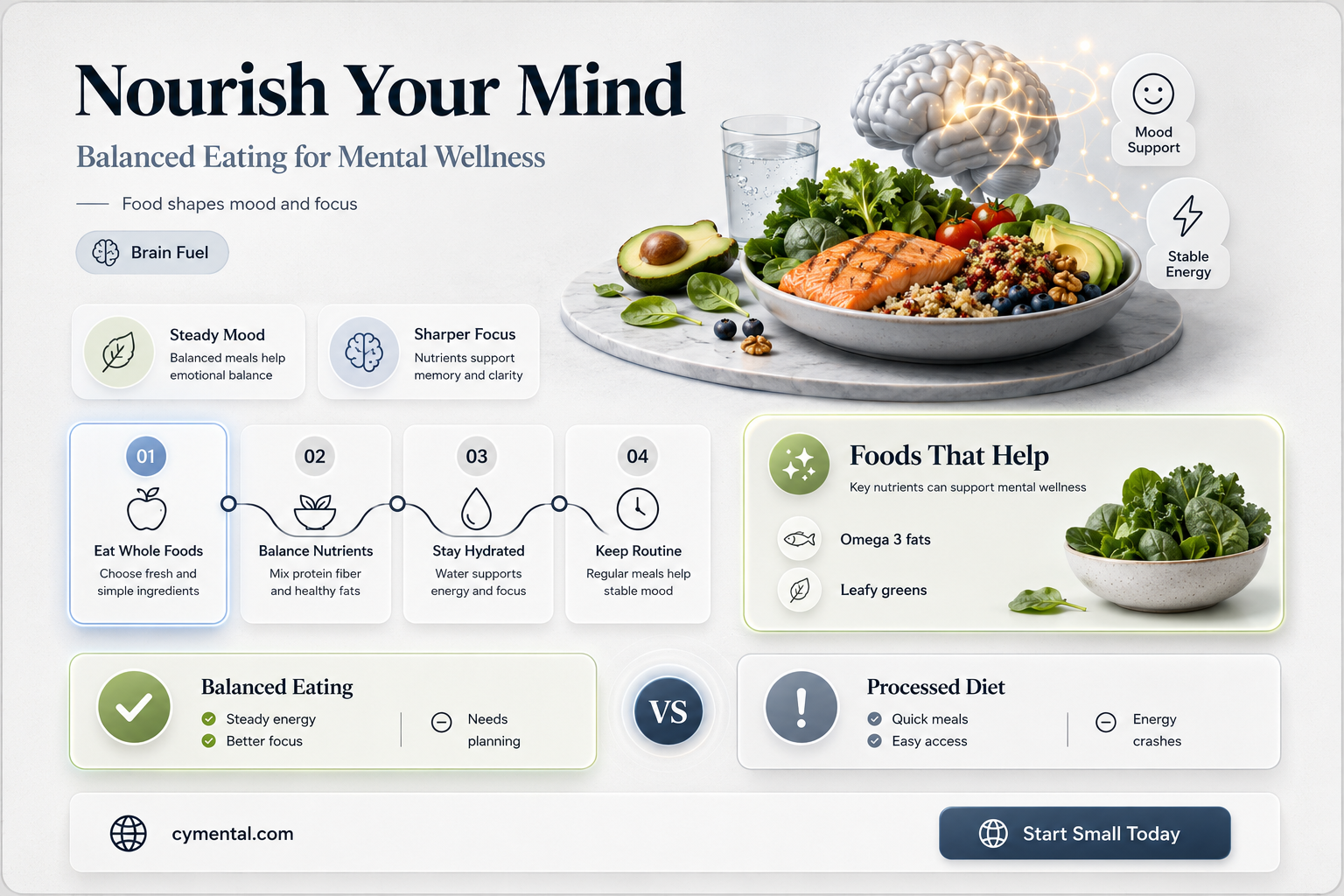
Balanced eating plays a crucial role in supporting mental health by providing the brain with essential nutrients that regulate mood, cognition, and overall emotional well-being. A diet rich in whole foods, such as fruits, vegetables, whole grains, lean proteins, and healthy fats, ensures a steady supply of vitamins, minerals, and antioxidants that combat inflammation and oxidative stress, both of which are linked to mental health disorders. Additionally, stable blood sugar levels, achieved through regular, nutrient-dense meals, help prevent mood swings and irritability, while omega-3 fatty acids and probiotics found in certain foods promote brain health and a balanced gut microbiome, which is increasingly recognized as vital for mental clarity and resilience. By nourishing the body with a variety of wholesome foods, individuals can foster a stronger foundation for mental health and emotional stability.
| Characteristics | Values |
|---|---|
| Nutrient Supply | Provides essential nutrients (e.g., omega-3s, vitamins B & D) that support brain function and reduce inflammation. |
| Mood Regulation | Stabilizes blood sugar levels, reducing mood swings and irritability. |
| Reduced Anxiety & Depression | Diets rich in fruits, vegetables, and whole grains are linked to lower anxiety and depression rates. |
| Gut-Brain Axis Support | Promotes a healthy gut microbiome, which influences neurotransmitter production and mental health. |
| Energy & Focus | Sustained energy from balanced meals improves concentration and cognitive performance. |
| Stress Reduction | Nutrients like magnesium and zinc help regulate stress hormones (e.g., cortisol). |
| Long-Term Brain Health | Reduces the risk of cognitive decline and neurodegenerative diseases (e.g., Alzheimer’s). |
| Improved Sleep Quality | Foods with tryptophan (e.g., turkey, nuts) and magnesium aid in better sleep, crucial for mental health. |
| Inflammation Control | Anti-inflammatory foods (e.g., berries, fatty fish) combat systemic inflammation linked to mental health disorders. |
| Weight Management | Healthy eating supports a balanced weight, reducing mental health risks associated with obesity. |
| Hormonal Balance | Nutrient-rich diets regulate hormones like serotonin and dopamine, which influence mood and well-being. |
| Immune System Support | A strong immune system, supported by balanced eating, reduces inflammation and mental health risks. |
| Behavioral Impact | Healthy eating habits foster a positive mindset and self-esteem, reinforcing mental resilience. |
Explore related products


What You'll Learn

Nutrient Impact on Mood
The food we consume does more than fuel our bodies—it directly influences our brain chemistry. Omega-3 fatty acids, found in fatty fish like salmon and walnuts, are a prime example. Studies show that individuals with higher omega-3 intake report lower levels of depression and anxiety. The mechanism? These fats enhance neuroplasticity and reduce inflammation, both critical factors in mood regulation. Aim for at least two servings of fatty fish per week or consider a high-quality fish oil supplement (250–500 mg of EPA and DHA daily) if dietary intake is insufficient.
Consider the role of B vitamins, particularly folate, B6, and B12, in synthesizing neurotransmitters like serotonin and dopamine. Deficiencies in these vitamins have been linked to depression and irritability. For instance, a study published in the *American Journal of Psychiatry* found that older adults with low B12 levels were more likely to experience depressive symptoms. To ensure adequate intake, incorporate leafy greens, legumes, and fortified cereals into your diet. If you’re over 50 or follow a vegetarian diet, a B-complex supplement (2.4 mcg of B12 and 1.7 mg of B6 daily) may be beneficial, but consult a healthcare provider first.
Magnesium, often overlooked, plays a pivotal role in stress management. This mineral regulates cortisol, the body’s primary stress hormone. Chronic stress depletes magnesium levels, creating a vicious cycle. Symptoms of deficiency include anxiety, fatigue, and difficulty sleeping. To break this cycle, aim for magnesium-rich foods like almonds, spinach, and dark chocolate (70% cocoa or higher). For those under significant stress, a supplement of 200–400 mg daily can help restore balance, but avoid exceeding the recommended dose to prevent digestive discomfort.
Finally, the gut-brain axis highlights how gut health impacts mood. Probiotics, found in fermented foods like yogurt and kimchi, promote a healthy gut microbiome, which in turn supports serotonin production—90% of which is made in the gut. A randomized controlled trial in *Psychopharmacology* demonstrated that participants who consumed probiotic-rich foods for four weeks reported reduced anxiety and improved mood. Pair probiotics with prebiotic fibers (found in garlic, onions, and bananas) to nourish beneficial gut bacteria. If dietary sources are limited, a probiotic supplement with strains like *Lactobacillus* and *Bifidobacterium* (5–10 billion CFUs daily) can be a practical alternative.
By strategically incorporating these nutrients into your diet, you can harness their mood-enhancing properties. Remember, consistency is key—sporadic intake won’t yield lasting results. Start small, track your progress, and adjust based on how you feel. Your plate isn’t just a source of energy; it’s a toolkit for emotional well-being.
Supporting Mental Health: Practical Ways to Help Loved Ones Heal
You may want to see also
Explore related products


Gut-Brain Connection Role
The gut-brain connection is a bidirectional communication network linking emotional and cognitive centers of the brain with intestinal functions. Often referred to as the "second brain," the gut contains over 100 million neurons and produces 90% of the body’s serotonin, a neurotransmitter regulating mood, appetite, and sleep. This physiological link explains why gastrointestinal disturbances like irritable bowel syndrome (IBS) often coincide with anxiety or depression. For instance, a 2017 study in *Psychopharmacology* found that individuals with IBS are 2.5 times more likely to experience generalized anxiety disorder. Balanced eating, rich in fiber, probiotics, and prebiotics, strengthens this connection by fostering a healthy gut microbiome, which in turn supports mental stability.
To harness the gut-brain connection, incorporate fermented foods like yogurt, kefir, sauerkraut, or kimchi into your diet. These are natural sources of probiotics, beneficial bacteria that enhance gut health. Pair them with prebiotic-rich foods such as garlic, onions, bananas, and asparagus, which act as food for probiotics. For example, a daily serving of 150 grams of Greek yogurt (providing 10–20 billion CFUs of probiotics) alongside a medium banana can optimize gut flora. Avoid excessive processed foods, artificial sweeteners, and high-sugar diets, as they disrupt microbial balance and exacerbate inflammation, negatively impacting mental health.
A comparative analysis of dietary patterns reveals that Mediterranean and traditional Japanese diets, both rich in omega-3 fatty acids, fiber, and fermented foods, correlate with lower rates of depression and cognitive decline. Omega-3s, found in fatty fish like salmon and flaxseeds, reduce gut inflammation and promote neurogenesis, the growth of new brain cells. A 2019 study in *Molecular Psychiatry* showed that individuals consuming 2–3 servings of fatty fish weekly had a 20% reduced risk of developing depression. Conversely, Western diets high in saturated fats and refined sugars are linked to increased gut permeability, allowing harmful bacteria to enter the bloodstream and trigger systemic inflammation, which affects brain function.
Practical steps to enhance the gut-brain connection include starting the day with a fiber-rich breakfast, such as oatmeal topped with berries and a spoonful of chia seeds. For snacks, opt for nuts or seeds, which provide healthy fats and prebiotic fibers. Stay hydrated, as water aids digestion and nutrient absorption. Limit caffeine and alcohol, as they can disrupt gut lining integrity. Finally, consider a high-quality probiotic supplement (look for strains like *Lactobacillus* and *Bifidobacterium* with 30–50 billion CFUs) if dietary intake is insufficient. Consistency is key—allow 4–6 weeks to notice improvements in mood, digestion, and overall mental clarity.
In summary, the gut-brain connection underscores the profound impact of balanced eating on mental health. By nurturing gut microbiota through mindful food choices, you can reduce inflammation, enhance neurotransmitter production, and fortify emotional resilience. Small, intentional dietary changes today can yield significant cognitive and psychological benefits tomorrow. Treat your gut as an ally in your mental health journey, and it will reward you with clarity, stability, and vitality.
Government Mental Health Support for Military: Available Resources and Assistance
You may want to see also
Explore related products

$19.99 $14.95


Stable Blood Sugar Effects
Fluctuating blood sugar levels can wreak havoc on your mental state, leading to mood swings, anxiety, and difficulty concentrating. Stable blood sugar, on the other hand, acts as a cornerstone for emotional well-being. When blood sugar remains within a healthy range, the brain receives a consistent supply of glucose, its primary fuel source. This steady supply allows neurotransmitters, the brain's chemical messengers, to function optimally, promoting feelings of calmness, focus, and overall mental clarity.
Imagine your brain as a high-performance engine. Just as a race car needs premium fuel for peak performance, your brain thrives on a consistent supply of glucose.
Achieving stable blood sugar isn't about restrictive diets or eliminating entire food groups. It's about mindful choices and strategic eating habits. Aim for meals and snacks that combine complex carbohydrates (think whole grains, legumes, fruits, and vegetables) with lean protein and healthy fats. This winning combination slows down the absorption of sugar into the bloodstream, preventing spikes and crashes. For instance, instead of a sugary pastry for breakfast, opt for oatmeal topped with nuts and berries. This provides sustained energy and keeps blood sugar levels steady throughout the morning.
Additionally, consider the glycemic index (GI), a ranking of carbohydrates based on their effect on blood sugar. Foods with a low GI (55 or less) release glucose slowly, promoting stability. Examples include lentils, chickpeas, apples, and whole-wheat bread.
While dietary choices are paramount, other lifestyle factors play a crucial role in maintaining stable blood sugar. Regular physical activity enhances insulin sensitivity, allowing your body to utilize glucose more efficiently. Aim for at least 150 minutes of moderate-intensity exercise or 75 minutes of vigorous exercise per week. Adequate sleep is equally important. Sleep deprivation disrupts hormones that regulate blood sugar, increasing the risk of fluctuations. Strive for 7-9 hours of quality sleep each night. Finally, manage stress levels through techniques like meditation, yoga, or deep breathing exercises. Chronic stress can elevate cortisol, a hormone that can contribute to blood sugar imbalances.
By incorporating these dietary and lifestyle modifications, you can effectively stabilize your blood sugar levels, paving the way for improved mental well-being and a more balanced, resilient mind.
Does a Mental Health Worker Certificate Boost Your Career?
You may want to see also
Explore related products



Omega-3s for Brain Health
Omega-3 fatty acids are not produced by the body, yet they are among the most crucial nutrients for brain function. Found predominantly in fatty fish like salmon, mackerel, and sardines, as well as in flaxseeds, walnuts, and algae-based supplements, these fats are essential for maintaining neuronal structure and function. The brain is nearly 60% fat, and omega-3s, particularly EPA (eicosapentaenoic acid) and DHA (docosahexaenoic acid), are key components of cell membranes, influencing fluidity and communication between neurons. Without adequate intake, cognitive processes like memory, focus, and mood regulation can suffer.
Consider the evidence: studies consistently link omega-3 deficiency to increased risk of depression, anxiety, and cognitive decline. For instance, populations with high fish consumption, such as those in Japan and Scandinavia, report lower rates of mental health disorders compared to Western countries where diets are often omega-3 deficient. Supplementation trials further support this connection, with meta-analyses showing that EPA-rich supplements can reduce symptoms of major depressive disorder, particularly in individuals with more severe conditions. For optimal brain health, adults should aim for at least 250–500 mg of combined EPA and DHA daily, though higher doses (up to 2,000 mg) may be beneficial for those addressing specific mental health concerns.
Incorporating omega-3s into your diet doesn’t require drastic changes. Start by swapping red meat for fatty fish 2–3 times per week. For non-fish eaters, ground flaxseeds or chia seeds can be sprinkled on yogurt or oatmeal, while walnuts make a convenient snack. If dietary sources are insufficient, algae-based supplements offer a vegan alternative, ensuring DHA intake without relying on fish oil. However, not all supplements are created equal: look for products with third-party testing to ensure purity and potency, as contaminants like mercury can be present in low-quality fish oil.
A cautionary note: while omega-3s are generally safe, excessive intake (above 3,000 mg daily) can lead to side effects like bleeding risks or gastrointestinal discomfort. Pregnant and breastfeeding individuals should consult a healthcare provider, as DHA is critical for fetal brain development but requires careful dosing. Additionally, omega-3s are not a standalone solution for mental health—they work best as part of a balanced diet rich in whole foods, paired with lifestyle factors like exercise and stress management.
The takeaway is clear: omega-3s are a cornerstone of brain health, offering protective and restorative benefits for mental well-being. By prioritizing these fats through mindful dietary choices or targeted supplementation, individuals can fortify their cognitive resilience and emotional stability. Small, consistent steps—like adding a serving of salmon to your weekly meal plan or choosing a high-quality supplement—can yield significant long-term gains, proving that balanced eating is not just about nourishment but also about nurturing the mind.
Dark Chocolate's Role in Supporting Mental Health: Fact or Fiction?
You may want to see also
Explore related products


Reducing Inflammation Risks
Chronic inflammation is a silent saboteur, linked to a host of mental health issues from depression to cognitive decline. It acts as a persistent stressor on the brain, disrupting neurotransmitter function and promoting oxidative damage. A balanced diet, rich in anti-inflammatory foods, can act as a powerful countermeasure.
Think of it as fueling your body's natural defense system against this internal fire.
The cornerstone of an anti-inflammatory diet lies in prioritizing whole, unprocessed foods. Fatty fish like salmon, mackerel, and sardines are superstars, packed with omega-3 fatty acids, proven to reduce inflammation markers like C-reactive protein. Aim for at least two servings per week, or consider a high-quality fish oil supplement providing 1,000-2,000 mg of combined EPA and DHA daily. Colorful fruits and vegetables are equally crucial, brimming with antioxidants that neutralize free radicals and quell inflammation. Aim for a rainbow on your plate, with a special focus on leafy greens, berries, and cruciferous vegetables like broccoli and cauliflower.
Think of each bite as a dose of natural anti-inflammatory medicine.
Beyond what to eat, it's crucial to address what to limit. Refined carbohydrates, sugary drinks, and processed meats are inflammatory culprits, triggering the release of pro-inflammatory cytokines. Think of these foods as kindling for the inflammatory fire. While complete elimination might not be realistic, mindful reduction is key. Opt for whole grains over refined ones, choose water or herbal tea instead of sugary beverages, and prioritize lean protein sources like beans, lentils, and poultry.
Remember, moderation is key; occasional indulgences won't derail your efforts, but consistent choices matter.
Finally, don't underestimate the power of lifestyle factors in conjunction with diet. Regular exercise acts as a natural anti-inflammatory, reducing circulating inflammatory markers. Aim for at least 150 minutes of moderate-intensity exercise or 75 minutes of vigorous exercise per week. Adequate sleep is equally vital, as sleep deprivation can exacerbate inflammation. Strive for 7-9 hours of quality sleep each night. By combining a balanced, anti-inflammatory diet with these lifestyle modifications, you can effectively reduce your risk of chronic inflammation and its detrimental impact on mental well-being. Think of it as a holistic approach to dousing the inflammatory flames and nurturing a healthier mind.
Seeking Support: A Guide to Asking for Mental Health Help
You may want to see also
Frequently asked questions
Balanced eating provides essential nutrients like omega-3 fatty acids, vitamins, and minerals that support brain function and neurotransmitter production, which can stabilize mood and reduce symptoms of anxiety and depression.
Yes, a diet rich in whole grains, lean proteins, healthy fats, and antioxidants enhances blood flow to the brain and supports cognitive processes, improving concentration and memory.
Nutrient-dense foods help regulate cortisol (the stress hormone) and provide steady energy, reducing feelings of stress and promoting a sense of calm.
Absolutely. A balanced diet supports a healthy gut microbiome, which communicates with the brain via the gut-brain axis, influencing mental health and reducing symptoms of conditions like depression and anxiety.
While not a replacement for treatment, balanced eating can complement therapy by reducing inflammation, stabilizing blood sugar, and providing nutrients that support mental health, potentially alleviating symptoms of disorders like ADHD, depression, and anxiety.